
academic
US /ˌækəˈdɛmɪk/
UK /ˌækə'demɪk/
- Adjective
- Concerning education, schools, universities, etc.
- Concerning education, schools, universities, etc.
- Noun (Countable/Uncountable)
- Educator teaching at a college or university
- A subject taught at schools and universities.
B1Moreacne
US /ˈækni/
UK /ˈækni/
- Uncountable Noun
- Red spots or pimples on your face
B2Moreactivate
US /ˈæktəˌvet/
UK /ˈæktɪveɪt/
- Transitive Verb
- To cause to happen; cause a chemical reaction
- To make something start working
B1Moreadrenaline
US /əˈdrɛnəlɪn/
UK /ə'drenəlɪn/
- Noun (Countable/Uncountable)
- Chemical in the body that responds to stress, fear
- The intense excitement and energy felt when in a dangerous or exciting situation.
C1Moreaggravate
US /ˈæɡrəˌvet/
UK /'æɡrəveɪt/
- Transitive Verb
- To make a negative situation even worse
B2TOEICMorealert
US /əˈlɚt/
UK /ə'lɜ:t/
- Adjective
- Being aware and able to respond quickly
- Transitive Verb
- To warn someone so they can respond to it
B1TOEICMorearticle
US /ˈɑrtɪkəl/
UK /'ɑ:tɪkl/
- Noun (Countable/Uncountable)
- Word such as 'a', 'an', or 'the' used before nouns
- Piece of writing about a particular subject
A2TOEICMoreas well as
US /æz wɛl æz/
UK /æz wel æz/
- Adverb
- Also; in addition to
- Preposition
- In addition to; and also.
A1Moreat the same time
US
UK
- Phrase
- Simultaneously; at the identical moment.
- Nevertheless; however; used to introduce a contrasting or qualifying statement.
A1Morebarrier
US /ˈbæriɚ/
UK /'bærɪə(r)/
- Noun
- Difficult situation preventing something happening
- Structure or object that stops free movement
B1TOEICMorebloodstream
US /ˈblʌdˌstrim/
UK /ˈblʌdstri:m/
- Uncountable Noun
- Blood flowing through the circulatory system
C2Moreboost
US /bust/
UK /bu:st/
- Transitive Verb
- To increase something; to make something better
- To push someone or something up from beneath them
- Noun (Countable/Uncountable)
- An increase in something
B1TOEICMorecondition
US /kənˈdɪʃən/
UK /kənˈdɪʃn/
- Transitive Verb
- To improve something to make it better
- To cause to behave automatically in a certain way
- Noun (Countable/Uncountable)
- Disease or other medical problem
- The state of living you are in, e.g. good health
A2Moreconsistency
US /kənˈsɪstənsi/
UK /kən'sɪstənsɪ/
- Uncountable Noun
- Quality of behaving or meaning the same
- Physical quality of being smooth, thick, lumpy
B1Morecontribute
US /kənˈtrɪbjut/
UK /kən'trɪbju:t/
- Verb (Transitive/Intransitive)
- To be a factor in causing something to happen
- To donate, give (money) or help to something
A2Moredeliver
US /dɪˈlɪvɚ/
UK /dɪ'lɪvə(r)/
- Transitive Verb
- To give birth to a child; help a woman give birth
- To save someone from a problem or crisis
A2TOEICMoreembryo
US /ˈɛmbriˌo/
UK /ˈembriəʊ/
- Noun
- Tiny plant stored inside a seed
- Early form of an unborn human or animal
B2Moreescape
US /ɪˈskep/
UK /ɪ'skeɪp/
- Noun (Countable/Uncountable)
- Act to briefly ignoring boring or bad things
- The 'esc key' on a keyboard
- Verb (Transitive/Intransitive)
- To avoid something undesirable, dangerous or bad
- To get away from a place where you are being kept
A2Moreevolve
US /ɪˈvɑlv/
UK /ɪ'vɒlv/
- Verb (Transitive/Intransitive)
- To develop certain features
- To develop or change slowly over time
B1Moreexercise
US /ˈɛksɚˌsaɪz/
UK /'eksəsaɪz/
- Verb (Transitive/Intransitive)
- To work out to become stronger and healthier
- To retain your ability or practice your skills
- Noun (Countable/Uncountable)
- Physical activity to increase health and strength
- Set of questions in a text book
A2Morefeel like
US
UK
- Intransitive Verb
- To have a desire or inclination for something.
- To have a particular quality or sensation; resemble.
A1Moreflare
US /flɛr/
UK /fleə(r)/
- Intransitive Verb
- To become angry or excited suddenly
- To burn or shine suddenly and briefly
- Noun
- A brief bright light
- Light/fire used to signal for help/warn of danger
B2Morefor example
US
UK
- Phrase
- As an illustration or instance.
fragrance
US /ˈfreɪgrəns/
UK /ˈfreɪgrəns/
- Uncountable Noun
- Sweet, enjoyable, often flowery or fruity smell
- A perfume or cologne.
B2Morehistamine
US /ˈhɪstəˌmin, -mɪn/
UK /ˈhɪstəmi:n/
- Uncountable Noun
- Natural chemical released during allergic reaction
C1Morehostile
US /ˈhɑstəl, -ˌtaɪl/
UK /ˈhɔstail/
- Adjective
- Unwelcoming; showing ill will, as to an enemy
- Very difficult to live due to harsh conditions
B1Morehydrate
US /ˈhaɪˌdret/
UK /'haɪdreɪt/
- Transitive Verb
- To give or add water to something or someone
- Noun
- A compound in which water molecules are chemically bound to another substance.
C2Morehypothalamus
US /ˌhaɪpoˈθæləməs/
UK /ˌhaɪpəˈθæləməs/
- Noun
- Basal part of the diencephalon governing autonomic nervous system
C1Morein small doses
US /ɪn smɔl ˈdoʊzəz/
UK /ɪn smɔ:l ˈdəuzɪz/
- other
- Acceptable or enjoyable only when limited in quantity.
B2Moreinflammation
US /ˌɪnfləˈmeʃən/
UK /ˌɪnfləˈmeɪʃn/
- Noun (Countable/Uncountable)
- Painful swelling in the body due to illness
- A condition in which a part of the body becomes reddened, swollen, hot, and often painful, especially as a reaction to injury or infection.
B2Moreintimately
US /ˈɪntəmɪtlɪ/
UK /'ɪntɪmɪtlɪ/
- Adverb
- Privately and personally
- In a close or personal way; with detailed knowledge or deep understanding.
B2Moreirritation
US /ˌɪrɪˈteʃən/
UK /ˌɪrɪ'teɪʃn/
- Uncountable Noun
- Feeling or state of being annoyed or upset
- Feeling of pain and soreness on a part of the body
B1TOEICMorekill off
US /kɪl ɔf/
UK /kil ɔf/
- Phrasal Verb
- To eliminate or destroy completely; to cause to die.
lean
US /lin/
UK /li:n/
- Verb (Transitive/Intransitive)
- To balance against or on something for support
- To have a tendency to do something; favor
- Adjective
- Having a low fat content
- Efficient; well-designed with no waste
A2Moreloss of firmness
US
UK
- Phrase
- The state of becoming less firm or losing its original rigidity.
- A decline in the solid or compact nature of food, making it softer or less rigid.
B2Moremake up
US /mek ʌp/
UK /meik ʌp/
- Phrasal Verb
- To invent or create a story
- To add up to
- Verb (Transitive/Intransitive)
- To invent a story, excuse, etc.
- To compensate for something lost, missed, or deficient.
A1Moremeditation
US /ˌmɛdɪˈteʃən/
UK /ˌmedɪ'teɪʃn/
- Noun (Countable/Uncountable)
- Act of deep and quiet thinking
- The practice of focusing one's mind for a period of time.
B2Moreof course
US /ʌv kɔː(r)s/
UK /ɔv kɔː(r)s/
- Adverb
- Sure ; Certainly
- Phrase
- For sure; certainly
A2Morepollen
US /ˈpɑ:lən/
UK /ˈpɒlən/
- Uncountable Noun
- Fine, usually yellow powder produced by plants
B2Moreporous
US /ˈpɔrəs, ˈpor-/
UK /ˈpɔ:rəs/
- Adjective
- With many tiny holes so liquid, etc. passes through
- (Of borders) easy for people to pass through
C1Moreprimitive
US /ˈprɪmɪtɪv/
UK /ˈprɪmətɪv/
- Adjective
- Lacking a written language and advanced technology
- Being rough and underdeveloped
- Noun (Countable/Uncountable)
- Self-taught artist; the art done in this style
- Offensive people considered lacking a culture
B1Morereduce
US /rɪˈdus, -ˈdjus/
UK /rɪ'dju:s/
- Verb (Transitive/Intransitive)
- To try to decrease, e.g. your weight if overweight
- To boil a liquid until it has decreased in amount
A2TOEICMorerelieve
US /rɪˈliv/
UK /rɪ'li:v/
- Transitive Verb
- To make less boring by making some change
- To replace workers with others
B1Moreresearch
US /rɪˈsɚtʃ, ˈriˌsɚtʃ/
UK /rɪ'sɜ:tʃ/
- Verb (Transitive/Intransitive)
- To study in order to discover new ideas and facts
- To study the market relating to marketing products and services.
- Noun (Countable/Uncountable)
- Study done to discover new ideas and facts
- A particular area or topic of study.
A2TOEICMoreresponse
US /rɪˈspɑns/
UK /riˈspɔns/
- Noun
- Something said/written as an answer to something
- Reaction to something that has occurred
A2TOEICMoresame time
US
UK
- Phrase
- Occurring simultaneously or at the same point in time.
- At the identical time as before; recurring at a fixed hour.
- Noun
- An equal duration or period.
A1Morescratch
US /skrætʃ/
UK /skrætʃ/
- Verb (Transitive/Intransitive)
- To rub your skin with your nails to stop an itch
- To make a small cut or mark on a surface
- Noun
- Action of rubbing your skin when itchy
- A small cut or mark on a surface
B1TOEICMoresebum
US /ˈsibəm/
UK /ˈsi:bəm/
- Uncountable Noun
- Oily secretion of the sebaceous glands; with perspiration it moistens and protects the skin
C1Moresensitive
US /ˈsɛnsɪtɪv/
UK /'sensətɪv/
- Adjective
- Taking offense easily; easily upset or hurt
- (Private information) needing careful treatment
A2TOEICMorestimulate
US /ˈstɪmjəˌlet/
UK /'stɪmjʊleɪt/
- Transitive Verb
- To arouse or excite emotionally
B1Morestress
US / strɛs/
UK /stres/
- Transitive Verb
- To emphasize one or more parts of a word, sentence
- To put pressure on something or someone
- Noun (Countable/Uncountable)
- Emphasis on part of a word or sentence
- Pressure on something or someone
A2TOEICMoresubstance
US /ˈsʌbstəns/
UK /'sʌbstəns/
- Uncountable Noun
- Essence of; most basic or central qualities
- Particular type of material
A2Moretape off
US /teɪp ɔf/
UK /teɪp ɒf/
- other
- To mark or block an area with tape.
B2Moretechnically
US /ˈtɛknɪkl:ɪ/
UK /ˈteknɪkli/
- Adverb
- In an exact and particular manner
- With technical skill or expertise.
A2Moretend
US /tɛnd/
UK /tend/
- Intransitive Verb
- To move or act in a certain manner
- Transitive Verb
- To take care of
A2Morethink about
US /θɪŋk əˈbaʊt/
UK /θiŋk əˈbaut/
- Phrasal Verb
- To consider something carefully.
- To remember or call to mind.
A1Moretrigger
US /ˈtrɪɡɚ/
UK /'trɪɡə(r)/
- Noun
- Lever on a gun that you pull to fire
- Device that starts a process
- Transitive Verb
- To start a process off e.g. a memory
- To cause something to begin or happen.
B1Moreunpredictable
US /ˌʌnprɪˈdɪktəbəl/
UK /ˌʌnprɪˈdɪktəbl/
- Adjective
- Difficult to guess about (the future)
- Characterized by erratic or inconsistent behavior.
B1More
Vocabulary
- for example: As an illustration or instance.
- in small doses: Acceptable or enjoyable only when limited in quantity.
- feel like: To have a desire or inclination for something.
- as well as: Also; in addition to
- make up: To invent or create a story
- tape off: To mark or block an area with tape.
- kill off: To eliminate or destroy completely; to cause to die.
- at the same time: Simultaneously; at the identical moment.
- same time: Occurring simultaneously or at the same point in time.
- loss of firmness: The state of becoming less firm or losing its original rigidity.
- think about: To consider something carefully.
- of course: Sure ; Certainly
- meditation: Act of deep and quiet thinking
- trigger: Lever on a gun that you pull to fire
- boost: To increase something; to make something better
- adrenaline: Chemical in the body that responds to stress, fear
- improve: To make, or become, something better
- tend: To move or act in a certain manner
- evolve: To develop certain features
- develop: To explain something in steps and in detail
- scratch: To rub your skin with your nails to stop an itch
- barrier: Difficult situation preventing something happening
- stress: To emphasize one or more parts of a word, sentence
- substance: Essence of; most basic or central qualities
- contribute: To be a factor in causing something to happen
- inflammation: Painful swelling in the body due to illness
- academic: Concerning education, schools, universities, etc.
- research: To study in order to discover new ideas and facts
- measure: Plan to achieve a desired result
- increase: To make or become larger in size or amount
- exercise: To work out to become stronger and healthier
- lean: To balance against or on something for support
- alert: Being aware and able to respond quickly
- stimulate: To arouse or excite emotionally
- escape: Act to briefly ignoring boring or bad things
- consistency: Quality of behaving or meaning the same
- brain: To strike someone forcefully on the head
- condition: To improve something to make it better
- sensitive: Taking offense easily; easily upset or hurt
- primitive: Lacking a written language and advanced technology
- response: Something said/written as an answer to something
- address: Exact street location of a place
- compare: To consider how similar and different things are
- cortisol: Adrenal-cortex hormone (trade names Hydrocortone or Cortef) that is active in carbohydrate and protein metabolism
- deliver: To give birth to a child; help a woman give birth
- technically: In an exact and particular manner
- article: Word such as 'a', 'an', or 'the' used before nouns
- reduce: To try to decrease, e.g. your weight if overweight
- amygdala: Almond-shaped structure in the brain's anterior
- hostile: Unwelcoming; showing ill will, as to an enemy
- acne: Red spots or pimples on your face
- activate: To cause to happen; cause a chemical reaction
- receive: To get something someone has given or sent to you
- notice: To become aware by sight, touch, or hearing
- important: Having power or authority
- irritation: Feeling or state of being annoyed or upset
- relieve: To make less boring by making some change
- bloodstream: Blood flowing through the circulatory system
- pain: Strong feeling of hurt or discomfort
- hydrate: To give or add water to something or someone
- unpredictable: Difficult to guess about (the future)
- worse: Comparative of 'bad'; more bad
- embryo: Tiny plant stored inside a seed
- hypothalamus: Basal part of the diencephalon governing autonomic nervous system
- pull: Act of breathing in smoke, as from a pipe
- flare: To become angry or excited suddenly
- aggravate: To make a negative situation even worse
- fragrance: Sweet, enjoyable, often flowery or fruity smell
- pollen: Fine, usually yellow powder produced by plants
- intimately: Privately and personally
- porous: With many tiny holes so liquid, etc. passes through
- sebum: Oily secretion of the sebaceous glands; with perspiration it moistens and protects the skin
- histamine: Natural chemical released during allergic reaction
Get the full experience in the app
Learn anywhere with detailed sentence and usage analysis
01:03
She took a brave step forward, leaving behind her comfort zone to chase her dreams.
Vocabulary
- brave
adj. Having courage
- comfort zone
phr. A familiar situation where one feels safe
Explanation
a brave step is a noun phrase, where brave is an adjective modifying the noun step, meaning "a courageous step".
forward is an adverb modifying step, meaning "ahead".
The whole phrase serves as the object, answering the "what" of took (verb) — she took a brave step forward.
Get the full experience in the app
Look up words anytime with pronunciation, part of speech, and usage
brave
US/brev/
UK/breɪv/
adj.Brave
v.t.To bravely face
A2 Elementary
Get the full experience in the app
Practice speaking anytime and get instant pronunciation feedback
Try this speaking exercise.
Try practicing with this sentence.
80
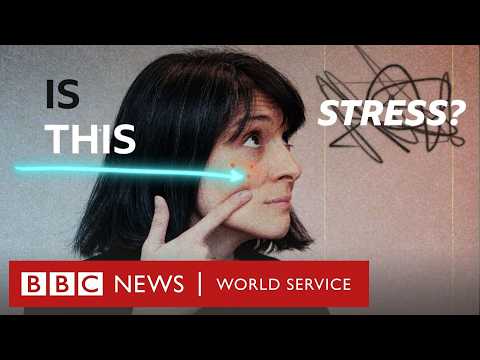
What stress does to your skin and what you can do about it - BBC World Service
0
妮娜 posted on 2026/03/30Ever wondered how stress messes with your skin? This BBC World Service video dives into the fascinating link between your mind and your complexion, explaining the science behind the stress response and skin barrier. You'll pick up advanced vocabulary related to neuroscience and psychodermatology, plus get practical tips for managing stress and keeping your skin healthy!
Learn this video on the APP!
The VoiceTube App has more in-depth practice for videos!