academic
US /ˌækəˈdɛmɪk/
・UK /ˌækə'demɪk/
B1
adj.AdjectiveConcerning education, schools, universities, etc.
His academic record is good because he studies hard
adj.AdjectiveConcerning education, schools, universities, etc.
He doesn't have the academic qualifications necessary for a teaching job
n. (c./u.)Noun (Countable/Uncountable)Educator teaching at a college or university
Luke was a writer and an academic who enjoyed intelligent conversation
adj.AdjectiveUnimportant or irrelevant; trivial
This mathematical theory has great academic value, but does not help me in real life
n. (c./u.)Noun (Countable/Uncountable)A subject taught at schools and universities.
History is a core academic in many schools.
Video subtitles
#AskGaryVee Episode 72: Casey Neistat on Applying to College & How to Focus on Goals

- And that's why I think that an academic environment is a great place for trying new things and experimenting with new things.
And that's why I think that an academic environment is a great place for trying new things and experimenting with new things.
- Are as practical as an academic education.
Are as practical as an academic education.
What does coffee do to your body? - BBC World Service

- One academic, Jürgen Habermas, even says without coffee we might not have had the Enlightenment.
One academic, Jürgen Habermas, even says without coffee we might not have had the Enlightenment.
- One academic - Jurgen Habermas – even says without coffee we might
One academic - Jurgen Habermas – even says without coffee we might
Is Bilingualism a Superpower? | Otherwords

- So the better your executive function abilities are, the better that your academic abilities seem to be during the school years.
So the better your executive function abilities are, the better that your academic abilities seem to be during the school years.
- the better that your academic abilities seem to be
the better that your academic abilities seem to be
How Your Birth Month Impacts Your Success

- As a result, they score higher marks on average, and, by the time they end school, they can be more likely to attend higher education in academic schools over vocational schools.
As a result, they score higher marks on average, and, by the time they end school, they can be more likely to attend higher education in academic schools over vocational schools.
- and by the time they end school, they can be more likely to attend higher education in academic schools over vocational schools.
and by the time they end school, they can be more likely to attend higher education in academic schools over vocational schools.
EF Toronto, Ontario, Canada

- This is regardless if you're on a two-week intensive course or a nine-month academic year abroad program.
This is regardless if you're on a two-week intensive course or a nine-month academic year abroad program.
- or a nine month Academic Year Abroad programme.
or a nine month Academic Year Abroad programme.
How China crushed Hong Kong
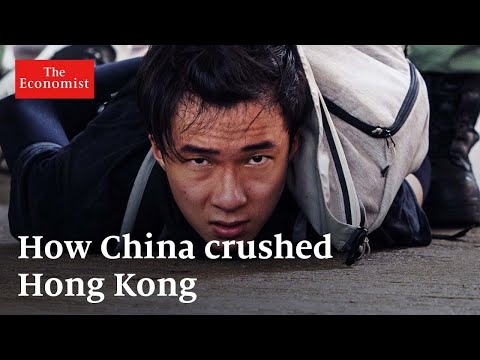
- Chung Kim Hwa, an academic and a pollster.
Chung Kim Hwa, an academic and a pollster.
- One of the attendees is Dr Chung Kim-wah, an academic and a pollster
One of the attendees is Dr Chung Kim-wah, an academic and a pollster
Healthy living and DNA: BBC News Review

- That means a very large-scale piece of academic research.
That means a very large-scale piece of academic research.
How to Get Good at Small Talk, and Even Enjoy It

- Rachel Greenwald, a matchmaker and an academic, has this wonderful saying.
Rachel Greenwald, a matchmaker and an academic, has this wonderful saying.
Studying in Germany: What international students should know | Germany In A Nutshell

- Universities emphasize the academic, while colleges or polytechnics focus on practical skills, but the degrees have equal standing.
Universities emphasize the academic, while colleges or polytechnics focus on practical skills, but the degrees have equal standing.
The Story of: Gerhard Richter (1932–Today)
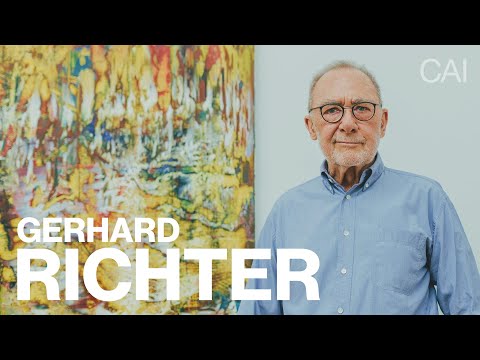
- Realism, and with reference to Socialist Realism, but also a label Richter wasn't too satisfied about. Richter was interested in current affairs, consumer society, new media and popular culture. He incorporated these elements into his painterly practice, depicting for instance televisions, design magazines, advertisements or political figures and events. This was the genesis of Richter's professional oeuvre, and photography was the starting point, something which used to be impossible with his academic background. He combined photography with his characteristic blurred effect, and immediately started to examine the relationship between both media, photography and painting, a true pillar within his artistic practice. The German artist was interested and fascinated by the dialectic relation between the objectivity and the subjectivity when painting photographs. For Richter, the photograph was the most perfect picture. He could eliminate conscious thinking, as the picture does not change, it is absolute, autonomous, unconditional and not linked to any style. With his blurred effect, he made everything equal, equally important and simultaneously equally unimportant. He was strongly drawn to depicting certain subjects from found photographic material. Think of military subjects, family portraits, images from newspapers or magazines. These selected images all have their very own narrative and motive to be painted, most often combining death or suffering, and its exploitation of death and suffering in media. From 1963 until 1964, Richter had his first exhibitions and commercial successes, collaborating with several galleries, and also collectors were starting to get really interested in his work and career. A landmark year for Gerhard Richter was 1966, for many reasons. The first, the birth of his daughter, Betty, whom he iconically painted in 1988. He also painted his wife
Realism, and with reference to Socialist Realism, but also a label Richter wasn't too satisfied about. Richter was interested in current affairs, consumer society, new media and popular culture. He incorporated these elements into his painterly practice, depicting for instance televisions, design magazines, advertisements or political figures and events. This was the genesis of Richter's professional oeuvre, and photography was the starting point, something which used to be impossible with his academic background. He combined photography with his characteristic blurred effect, and immediately started to examine the relationship between both media, photography and painting, a true pillar within his artistic practice. The German artist was interested and fascinated by the dialectic relation between the objectivity and the subjectivity when painting photographs. For Richter, the photograph was the most perfect picture. He could eliminate conscious thinking, as the picture does not change, it is absolute, autonomous, unconditional and not linked to any style. With his blurred effect, he made everything equal, equally important and simultaneously equally unimportant. He was strongly drawn to depicting certain subjects from found photographic material. Think of military subjects, family portraits, images from newspapers or magazines. These selected images all have their very own narrative and motive to be painted, most often combining death or suffering, and its exploitation of death and suffering in media. From 1963 until 1964, Richter had his first exhibitions and commercial successes, collaborating with several galleries, and also collectors were starting to get really interested in his work and career. A landmark year for Gerhard Richter was 1966, for many reasons. The first, the birth of his daughter, Betty, whom he iconically painted in 1988. He also painted his wife
- and photography was the starting point, something which used to be impossible with his academic background.
and photography was the starting point, something which used to be impossible with his academic background.