pollen
US /ˈpɑ:lən/
・UK /ˈpɒlən/
B2
n. (u.)Uncountable NounFine, usually yellow powder produced by plants
As bees search for food among the flowers, they spread pollen from one flower to another
Video subtitles
Describing and Comparing Things Using AS and AS in English
- By the way, a bee, I'll put a picture here, works really hard to go out and visit all the flowers in the field in order to bring pollen back to make honey.
By the way, a bee, I'll put a picture here, works really hard to go out and visit all the flowers in the field in order to bring pollen back to make honey.
- to bring pollen back to make honey.
to bring pollen back to make honey.
The Case for Bugs with the Bug Publicist | A Real Bug's Life | @natgeokids

- Bees, flies, and beetles help plants grow by carrying pollen around.
Bees, flies, and beetles help plants grow by carrying pollen around.
- Bees, flies, and beetles help plants grow, by carrying pollen around.
Bees, flies, and beetles help plants grow, by carrying pollen around.
Sabrina Carpenter - Espresso (Official Video)

- Come and get this pollen
Come and get this pollen
What's Killing the Bees
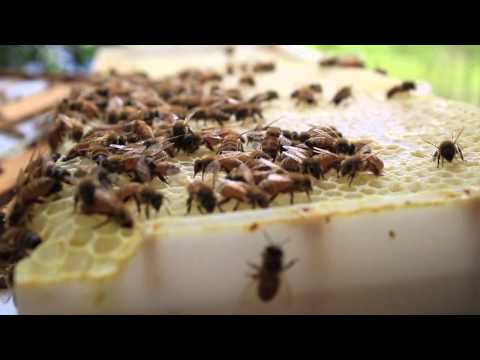
- When we eat our food, a lot of that food is a result of an insect pollinating that plant. Plants and bees evolve together. The plant attracts the bee with the nectar and the pollen, and the bee gathers it and helps the plant by helping it reproduce.
When we eat our food, a lot of that food is a result of an insect pollinating that plant. Plants and bees evolve together. The plant attracts the bee with the nectar and the pollen, and the bee gathers it and helps the plant by helping it reproduce.
- So what this means for the bees is that the insecticide is actually in the pollen and nectar of the treated plant. The bees bring that back to their hive and they'll feed it to their young, and they'll eat it themselves
So what this means for the bees is that the insecticide is actually in the pollen and nectar of the treated plant. The bees bring that back to their hive and they'll feed it to their young, and they'll eat it themselves
The science of snowflakes with Brian Cox | BBC Ideas

- A snow crystal forms up in the clouds when water vapour meets little specks of dust or pollen.
A snow crystal forms up in the clouds when water vapour meets little specks of dust or pollen.
- when water vapour meets little specks of dust or pollen.
when water vapour meets little specks of dust or pollen.
10 Insane Solutions to China's Deadly Smog (Part 1) | China Uncensored
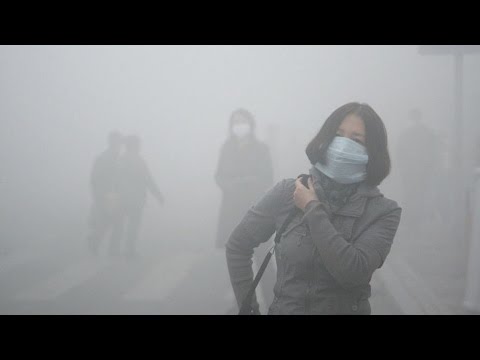
- Tiny, little particles, smaller than even individual particles of pollen.
Tiny, little particles, smaller than even individual particles of pollen.
- smaller than even individual particles of pollen.
smaller than even individual particles of pollen.
Introduction to Solitary Bees
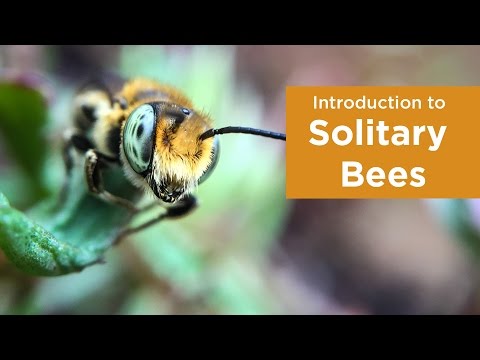
- Honeybees and other bees in the family Apidae carry pollen back to their nests in specialized structures on their back legs, commonly referred to as pollen baskets.
Honeybees and other bees in the family Apidae carry pollen back to their nests in specialized structures on their back legs, commonly referred to as pollen baskets.
- Honeybees and other bees in the family Apidae carry pollen back to their nests in specialized structures on their back legs commonly referred to as pollen baskets.
Honeybees and other bees in the family Apidae carry pollen back to their nests in specialized structures on their back legs commonly referred to as pollen baskets.
No, honey can’t cure your allergies
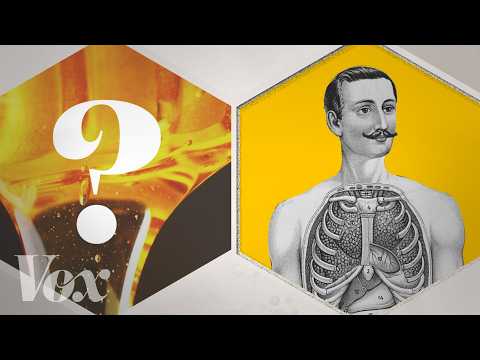
- The theory goes like this: flowers produce pollen.
The theory goes like this: flowers produce pollen.
- Flowers produce pollen.
Flowers produce pollen.
Drinking Apple Cider Vinegar Before Bedtime Will Change Your Life For Good
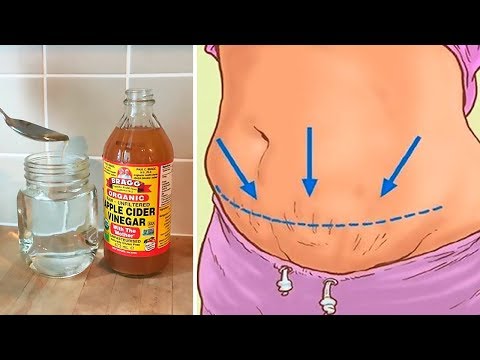
- Sinus relief If you've got a stopped-up nose because it's pollen season again, don't forget about apple cider vinegar.
Sinus relief If you've got a stopped-up nose because it's pollen season again, don't forget about apple cider vinegar.
- it's pollen season again, don't forget
about Apple Cider Vinegar.
it's pollen season again, don't forget about Apple Cider Vinegar.
Strawberry Picking Facility at the Gateway to Japan!
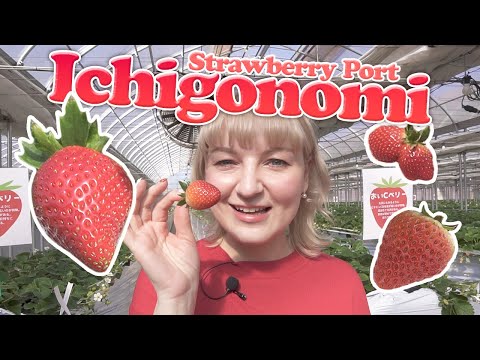
- They were working here to spread the pollen.
They were working here to spread the pollen.
- Yeah, they're working here to spread the pollen.
Yeah, they're working here to spread the pollen.