histamine
US /ˈhɪstəˌmin, -mɪn/
・UK /ˈhɪstəmi:n/
C1
n. (u.)Uncountable NounNatural chemical released during allergic reaction
Histamine can cause pain in the head and stomach, skin discomfort, and a faster heart rate than usual
Video subtitles
Does COVID Mess With Your DNA?
- Some genes were also involved in histamine signaling, which lines up with the evidence that some antihistamine medications can benefit long COVID patients.
Some genes were also involved in histamine signaling, which lines up with the evidence that some antihistamine medications can benefit long COVID patients.
What Causes Food Allergies?
- And the way this looks is basically when your mast cells and basophils open up, they contain histamine and tryptase and a bunch of other inflammatory mediators,
And the way this looks is basically when your mast cells and basophils open up, they contain histamine and tryptase and a bunch of other inflammatory mediators,
- contain histamine and tryptase, and a bunch of other inflammatory mediators.
contain histamine and tryptase, and a bunch of other inflammatory mediators.
What is Your Snot Saying?
- For example, if you're dealing with a runny nose, one possible culprit is histamine: Histamine plays a pivotal role in allergies and other immune responses by increasing blood flow to snot-producing body tissues.
For example, if you're dealing with a runny nose, one possible culprit is histamine: Histamine plays a pivotal role in allergies and other immune responses by increasing blood flow to snot-producing body tissues.
- Fortunately, antihistamine drugs block some histamine from reaching their target mucus-producing cells.
Fortunately, antihistamine drugs block some histamine from reaching their target mucus-producing cells.
Why Does My Brain Sleep?

- I'm not shutting down my dorsolateral prefrontal cortex, the histamine in my brain.
I'm not shutting down my dorsolateral prefrontal cortex, the histamine in my brain.
- I'm not shutting down my dorsolateral prefrontal cortex, the histamine in my brain.
I'm not shutting down my dorsolateral prefrontal cortex, the histamine in my brain.
Can You Upload Your Mind & Live Forever?

- Hormones play a huge role, like serotonin, which affects our mood, or histamine, which helps us learn.
Hormones play a huge role, like serotonin, which affects our mood, or histamine, which helps us learn.
- Hormones play a huge role, like serotonin, which affects our mood, or histamine, which helps us learn.
Hormones play a huge role, like serotonin, which affects our mood, or histamine, which helps us learn.
Why Do We Get Allergies? - Reactions
- One of the most well-known chemicals to cause allergic reactions, uh, is histamine.
One of the most well-known chemicals to cause allergic reactions, uh, is histamine.
- Histamine is a, uh, small organic molecule,
Histamine is a, uh, small organic molecule,
Human Phtsiology - Introduction to the Immune System
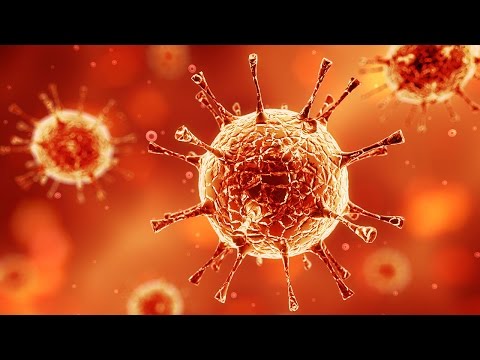
- can release histamine, and histamine, if you remember, is it a vasodialator or vasoconstrictor?
can release histamine, and histamine, if you remember, is it a vasodialator or vasoconstrictor?
- Basophils can release histamine, and histamine, if you remember, is it a vasodilator or a vasoconstrictor?
Basophils can release histamine, and histamine, if you remember, is it a vasodilator or a vasoconstrictor?
Human Physiology - Innate Immune System
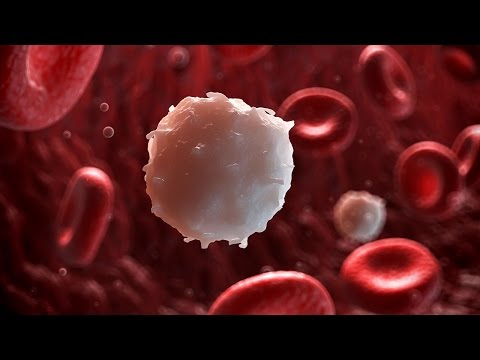
- the tissue damage as well can cause the mast cells to release histamine. Histamine then,
the tissue damage as well can cause the mast cells to release histamine. Histamine then,
- The bacterial invasion itself and the tissue damage as well can cause the mast cells to release histamine.
The bacterial invasion itself and the tissue damage as well can cause the mast cells to release histamine.
3 Natural Allergy Remedies You Already Have | A Little Bit Better With Keri Glassman
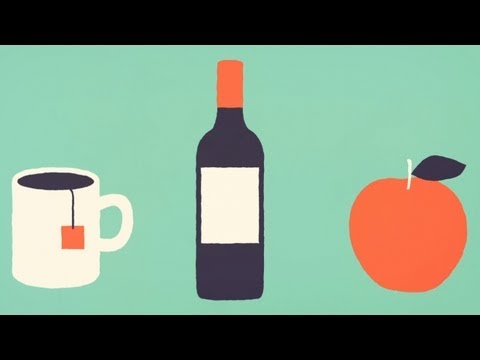
- Studies have shown that this little flavanol can help alleviate symptoms of allergies by decreasing histamine production.
Studies have shown that this little flavanol can help alleviate symptoms of allergies by decreasing histamine production.
- of allergies by decreasing histamine production. So, where can you get this little miracle
of allergies by decreasing histamine production. So, where can you get this little miracle
This Is Your Body Over 24 Hours
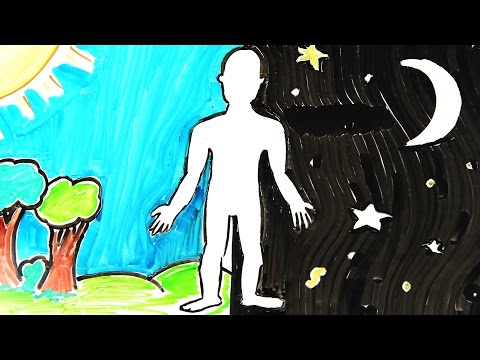
- Recent brain scans have shown that neurotransmitters like serotonin, histamine, and
Recent brain scans have shown that neurotransmitters like serotonin, histamine, and
- have shown that neurotransmitters like serotonin, histamine and noradrenaline are shut off at
have shown that neurotransmitters like serotonin, histamine and noradrenaline are shut off at