
acquire
US /əˈkwaɪr/
UK /ə'kwaɪə(r)/
- Transitive Verb
- To get or earn something by thinking or working
- To develop or learn a skill, habit, or quality.
A2TOEICMoreadaptive
US /əˈdæptɪv/
UK /ə'dæptɪv/
- Adjective
- Able to adjust to new conditions
B1Morealso known as
US
UK
- Phrase
- Also called; alternatively named.
- Identified by another term; synonymous with.
A1Moreankle
US /ˈæŋkəl/
UK /ˈæŋkl/
- Noun
- Region or joint between the foot and the leg
B1Moreas soon as
US /æz sun æz/
UK /æz su:n æz/
- Phrase
- In a short time after (something happens)
- Without any delay; immediately
- Conjunction
- At the moment that, or immediately after.
A1Morebacterial
US /bæk'tɪərɪrl/
UK /bæk'tɪərɪəl/
- Adjective
- Concerning or caused by bacteria
B2Moreblood
US /blʌd/
UK /blʌd/
- Uncountable Noun
- Red liquid in the bodies of people and animals
- Related by birth; family
- Transitive Verb
- To be initiated into something, e.g. a secret club
A2Morebody
US /ˈbɑdi/
UK /ˈbɒdi/
- Noun
- The physical structure of a person or animal.
- Noun (Countable/Uncountable)
- The main or central part of something.
- The weight and texture of a drink (like wine or coffee) in the mouth.
A2Morebreak down
US /brek daʊn/
UK /breik daun/
- Phrasal Verb
- To forcibly break, destroy or make collapse
- (Machine) to stop working or become weaker
A1Moreburst
US /bɚst/
UK /bɜ:st/
- Verb (Transitive/Intransitive)
- To move (arrive, exit, etc.) suddenly or hurriedly
- To break apart/open in a sudden and violent way
- Noun
- Brief time period when something happens and ends
- A sudden outbreak or display of something.
A2Morecapillary
US /ˈkæpəˌlɛri/
UK /kəˈpɪləri/
- Countable Noun
- Very small tube that carry blood in the body
C1Morecarbohydrate
US /ˌkɑrboˈhaɪˌdret/
UK /ˌkɑ:bəʊˈhaɪdreɪt/
- Noun (Countable/Uncountable)
- Substance providing energy in foods (rice, bread)
- Any of a large group of organic compounds occurring in foods and living tissues and including sugars, starch, and cellulose. They contain hydrogen and oxygen in the same ratio as water (2:1) and typically can be broken down to release energy in the animal
B2Morecardinal
US /ˈkɑ:rdɪnl/
UK /ˈkɑ:dɪnl/
- Adjective
- Of the greatest importance; paramount
B2TOEICMorecastle
US /ˈkæsl/
UK /ˈkɑ:sl/
- Countable Noun
- Large defensive building in historical times
A2Morecell
US /sɛl/
UK /sel/
- Countable Noun
- Smallest unit of living things in biology
- Group of people - often from a secret organization
A2Morecome into contact
US
UK
- Verb (Transitive/Intransitive)
- To physically touch something.
- To communicate or meet with someone.
A1Morecompliment
US /ˈkɑmpləmənt/
UK /'kɒmplɪmənt/
- Noun (Countable/Uncountable)
- Remark saying someone looks nice, plays well, etc.
- A formal expression of respect or admiration.
- Transitive Verb
- To say someone looks nice, plays well, etc.
B2Moredamage
US /ˈdæmɪdʒ/
UK /ˈdæmɪdʒ/
- Noun (Countable/Uncountable)
- Physical harm that is done to something
- Transitive Verb
- To harm physically; to hurt or break something
- To harm the reputation of someone.
A2TOEICMoredebris
US /dəˈbri, de-, ˈdeˌbri/
UK /dəˈbri:, deɪ-, ˈdeɪˌbri:/
- Uncountable Noun
- Remains of something broken or destroyed
- Accumulated fragments of rock.
B2TOEICMoreenter into
US /ˈɛntɚ ˈɪntu/
UK /ˈentə ˈɪntuː/
- Phrasal Verb
- To begin or become involved in something, such as an agreement or activity.
A1Moreexcess
US /ˈɛkˌsɛs/
UK /ɪkˈses/
- Noun (Countable/Uncountable)
- Amount that is more than necessary or over a limit
- An extra amount.
- Verb (Transitive/Intransitive)
- To be more than or go beyond.
B1Morefigure out
US /ˈfɪɡjɚ aʊt/
UK /ˈfiɡə aut/
- Phrasal Verb
- To understand the behavior of someone
- To think through logically to find a solution
- Verb (Transitive/Intransitive)
- To understand or find an answer to something.
- To find a solution to a problem or understand something.
A1Morefill in
US /fɪl ɪn/
UK /fil in/
- Phrasal Verb
- To put earth in e.g. a hole
- To explain the context so that someone understands
- Verb (Transitive/Intransitive)
- To write or type information in a blank space.
- To temporarily do someone else's job.
A1Moreflora
US /'flɔ:rə/
UK /'flɔ:rə/
- Noun
- Group of all plants that grow in a particular area
B2Moreflow
US /flo/
UK /fləʊ/
- Intransitive Verb
- To move steadily and easily in a certain direction
- Uncountable Noun
- Amount of something that moves through an area
A2Morefluid
US /ˈfluɪd/
UK /'flu:ɪd/
- Noun (Countable/Uncountable)
- A material that can easily flow, e.g. water
- Liquid that flows smoothly, such as water
- Adjective
- Able to move smoothly or gracefully
- Liable to change; unstable.
B2Morefor example
US
UK
- Phrase
- As an illustration or instance.
foreign
US /ˈfɔ:rən/
UK /ˈfɒrən/
- Adjective
- Being of a different place or country
- Strange; different from ones found at home
A2TOEICMorego ahead
US /ɡo əˈhɛd/
UK /ɡəu əˈhed/
- Phrasal Verb
- To start an activity; start doing, working etc.
- To give permission to do something
- Intransitive Verb
- To start or proceed with something
- To proceed despite potential obstacles or doubts.
A1Morehave to
US /hæv tu/
UK /ˈhæv tə/
- Auxiliary Verb
- Must do
A1Moreheal
US /hi:l/
UK /hi:l/
- Verb (Transitive/Intransitive)
- To recover from or forget a bad experience
- To make or become healthy or well again
B1Moreidentify
US /aɪˈdɛntəˌfaɪ/
UK /aɪ'dentɪfaɪ/
- Transitive Verb
- To indicate who or what someone or something is
- To say exactly what something is
B1TOEICMoreimmune
US /ɪˈmjoon/
UK /ɪˈmju:n/
- Adjective
- Having a special protection from, e.g. the law
- Protected against a particular disease or condition because of antibodies or vaccination.
B1Moreimmunity
US /ɪˈmjunɪti/
UK /ɪˈmju:nəti/
- Uncountable Noun
- State of not being able to catch a disease
B1Morein blood
US /ɪn blʌd/
UK /in blʌd/
- other
- Covered or stained with blood, literally or figuratively.
C2Morein order to
US /ɪn ˈɔrdɚ tu/
UK /in ˈɔ:də tu:/
- Preposition
- For the purpose of; with the aim of.
- Phrase
- In a specific sequence or arrangement.
- With the aim of; for the purpose of.
C1Morein part
US /ɪn pɑrt/
UK /in pɑ:t/
- Adverb
- To some extent; partially.
A1Morein red
US /ɪn rɛd/
UK /in red/
- Phrase
- Marked or written using the colour red.
- Adjective
- Operating at a financial loss; in debt.
inactive
US /ɪnˈæktɪv/
UK /ɪnˈæktɪv/
- Adjective
- Not moving around a lot or doing many things
B1Moreinflammation
US /ˌɪnfləˈmeʃən/
UK /ˌɪnfləˈmeɪʃn/
- Noun (Countable/Uncountable)
- Painful swelling in the body due to illness
- A condition in which a part of the body becomes reddened, swollen, hot, and often painful, especially as a reaction to injury or infection.
B2Moreinhibit
US /ɪnˈhɪbɪt/
UK /ɪn'hɪbɪt/
- Transitive Verb
- To stop a person expressing themselves normally
- To stop something happening; restrain something
B1Moreinjure
US /ˈɪndʒɚ/
UK /ˈɪndʒə(r)/
- Transitive Verb
- To do (usually physical) harm or damage to
A2TOEICMoreinnate
US /ɪˈneɪt/
UK /ɪˈneɪt/
- Adjective
- Being part of something's nature
- Present (in a person) from birth
B2TOEICMoreinnate immunity
US
UK
- Noun
- The natural resistance with which a person is born; it is not learned or acquired through contact with a disease agent.
C2Moreinside of
US /ɪnˈsaɪd ʌv/
UK /inˈsaid ɔv/
- Preposition
- Within; in the inner part of.
- Within a certain period of time.
A1Moreinterfere
US /ˌɪntɚˈfɪr/
UK /ˌɪntə'fɪə(r)/
- Intransitive Verb
- To get involved in something not your business
- Transitive Verb
- To prevent a process or activity from continuing or being carried out properly.
B1TOEICMoreinvade
US /ɪnˈved/
UK /ɪnˈveɪd/
- Transitive Verb
- To enter something causing a harmful result
- To enter (a country or region) so as to subjugate or occupy it.
B1Moreinvader
US /ɪnˈvedɚ/
UK /ɪnˈveɪdə(r)/
- Countable Noun
- Someone who enters to cause harm
B1Moreinvasion
US /ɪnˈveʒən/
UK /ɪnˈveɪʒn/
- Uncountable Noun
- Entry into a place to cause harm
- An unwelcome intrusion into another's domain.
B1Morekick
US /kɪk/
UK /kɪk/
- Noun
- Feeling of enjoyment or excitement
- Transitive Verb
- To hit or move something with the foot
A2Morekick in
US /kɪk ɪn/
UK /kik in/
- Phrasal Verb
- (Of a medicine, plan, etc.) to start to have an effect; become operative
- To contribute money to a common fund or purpose.
A1Moreknow about
US /noʊ əˈbaʊt/
UK /nəʊ əˈbaut/
- Phrasal Verb
- To have information or understanding of a subject or situation.
locate
US /ˈloˌket,loˈket/
UK /ləʊ'keɪt/
- Transitive Verb
- To find exactly where something is positioned
- To put something in a new place
A2TOEICMorelook at
US /lʊk æt/
UK /luk æt/
- Phrasal Verb
- To use your eyes to focus on something
- To focus your eyes on something carefully
A1Morelook into
US /lʊk ˈɪntu/
UK /luk ˈɪntuː/
- Phrasal Verb
- To investigate or try to discover the reasons for
A1Moremachinery
US /məˈʃinəri, -ˈʃinri/
UK /məˈʃi:nəri/
- Uncountable Noun
- System/processes to get official approval, etc.
- Machines in general
A2Moremast
US /mæst/
UK /mɑ:st/
- Noun
- Tall upright post supporting the sails of a boat
B2Moremembrane
US /ˈmɛmˌbren/
UK /'membreɪn/
- Noun (Countable/Uncountable)
- Outside covering of a cell
- A thin covering of tissue or of a cell
B2Morememorize
US /ˈmɛməˌraɪz/
UK /ˈmeməraɪz/
- Transitive Verb
- To study something so that you remember it
A2Moremicrobial
US /maɪ'kroʊbɪrl/
UK /maɪ'krəʊbɪəl/
- Adjective
- Concerning, involving or caused by being microbes
C1Morenail
US /nel/
UK /neɪl/
- Countable Noun
- Pointed piece of metal used to join pieces of wood
- Hard part at the end of your finger
- Transitive Verb
- To attach things together with metal nails
- To catch someone doing an illegal activity
B1Moreon the other hand
US
UK
- Phrase
- Considering a different aspect of the matter; alternatively.
A1Moreon the surface
US /ɑn ði ˈsɚfəs/
UK /ɔn ðə ˈsə:fis/
- Phrase
- Appearing to be true or real until examined more closely.
- Located on the outer part or uppermost layer of something.
B2Morephysical
US /ˈfɪzɪkəl/
UK /ˈfɪzɪkl/
- Countable Noun
- Health check at the doctors' or hospital
- Adjective
- Concerning the body of a person
- Concerning things that can be seen or touched
A2Moreplasma
US /ˈplæzmə/
UK /ˈplæzmə/
- Uncountable Noun
- Substance in which the blood cells are carried
- Gas-like substance with little electric charge
B2Morepore
US /pɔr, por/
UK /pɔ:(r)/
- Noun
- Small hole on skin, etc. allowing liquid to pass
B2Moreprevent
US /prɪˈvɛnt/
UK /prɪ'vent/
- Transitive Verb
- To stop something from happening or existing
A2TOEICMoreprotein
US /ˈprəʊˌtiːn/
UK /ˈprəʊti:n/
- Noun (Countable/Uncountable)
- Group of molecules made from amino acids
B1Moreput together
US /pʊt təˈɡɛðɚ/
UK /put təˈɡeðə/
- Phrasal Verb
- To build or assemble something small, e.g. a toy
- To organize or arrange something.
A1Morerelease
US /rɪ'li:s/
UK /rɪ'li:s/
- Transitive Verb
- To free someone from a responsibility or burden
- To allow a film, music etc. to be sold/distributed
- Noun
- Act of freeing someone from a duty or burden
- Introduction of a new product, film, book, etc.
A2TOEICMorerely on
US /rɪˈlaɪ ɑn/
UK /riˈlai ɔn/
- Phrasal Verb
- To depend on someone or something
A2Morereplication
US /ˌrɛplɪˈkeʃən/
UK /ˌreplɪ'keɪʃn/
- Uncountable Noun
- Act of making more exact copies of itself
- Act of repeating a previous action
B2Moreresponse
US /rɪˈspɑns/
UK /riˈspɔns/
- Noun
- Something said/written as an answer to something
- Reaction to something that has occurred
A2TOEICMoreselective
US /sɪˈlɛktɪv/
UK /sɪˈlektɪv/
- Adjective
- Choosing through thoughtful comparison
A2Moreskin
US /skɪn/
UK /skɪn/
- Transitive Verb
- To defeat someone easily and completely
- To hurt yourself, accidentally cutting yourself
- Noun
- Outer covering of an animal used for leather; hide
- Outer covering of a fruit or vegetable
A2Morespecific
US /spɪˈsɪfɪk/
UK /spəˈsɪfɪk/
- Adjective
- Precise; particular; just about that thing
- Concerning one particular thing or kind of thing
A2Morespit it out
US
UK
- Phrasal Verb
- To say something quickly, especially when reluctant to do so.
- To reveal information or a secret, often unwillingly.
A1Morestomach
US /ˈstʌmək/
UK /'stʌmək/
- Noun
- Place in the body where food is processed
- Verb (Transitive/Intransitive)
- to be able to accept something unpleasant
A2Moreswallow
US /ˈswɑː.loʊ/
UK /'swɒləʊ/
- Transitive Verb
- To believe (something that is not true)
- To make food go from your mouth to your stomach
- Countable Noun
- Small northern bird with downward-pointing wings
A2Moresynthesis
US /ˈsɪnθɪsɪs/
UK /ˈsɪnθəsɪs/
- Noun (Countable/Uncountable)
- Process of making something new out of other ones
- Building something complex from simple parts
B2TOEICMoretake over
US /tek ˈovɚ/
UK /teik ˈəuvə/
- Phrasal Verb
- To gain control of (a company) from someone else
- To assume control or possession of something.
A1Moretarget
US /ˈtɑrɡɪt/
UK /'tɑ:ɡɪt/
- Noun (Countable/Uncountable)
- A goal or amount you are trying to achieve
- Group you are trying to sell to or influence
- Transitive Verb
- To try to influence; direct a message toward
- (Army) to aim an attack at something
A2TOEICMorethink about
US /θɪŋk əˈbaʊt/
UK /θiŋk əˈbaut/
- Phrasal Verb
- To consider something carefully.
- To remember or call to mind.
A1Moretissue
US /ˈtɪʃu/
UK /ˈtɪʃu:/
- Noun (Countable/Uncountable)
- Substance formed by cells of living thing; flesh
- Kind of thin, light paper used to pack objects
A2Moreviral
US /ˈvaɪrəl/
UK /ˈvaɪrəl/
- Adjective
- Of or caused by a virus
- Becoming very popular by circulating quickly from person to person, especially through the Internet.
B2Morevirus
US /ˈvaɪrəs/
UK /'vaɪrəs/
- Noun
- File secretly put on computers to cause harm
- Living organism that causes disease or sickness
B1Morewith it
US /wɪð ɪt/
UK /wið it/
- Adjective
- Intelligent, alert, and up-to-date.
- Understanding and knowledgeable about current trends or information.
A1More
Vocabulary
- innate immunity: The natural resistance with which a person is born; it is not learned or acquired through contact with a disease agent.
- think about: To consider something carefully.
- look at: To use your eyes to focus on something
- for example: As an illustration or instance.
- have to: Must do
- go ahead: To start an activity; start doing, working etc.
- kick in: (Of a medicine, plan, etc.) to start to have an effect; become operative
- as soon as: In a short time after (something happens)
- take over: To gain control of (a company) from someone else
- inside of: Within; in the inner part of.
- also known as: Also called; alternatively named.
- on the other hand : Considering a different aspect of the matter; alternatively.
- put together: To build or assemble something small, e.g. a toy
- in part: To some extent; partially.
- spit it out: To say something quickly, especially when reluctant to do so.
- know about: To have information or understanding of a subject or situation.
- figure out: To understand the behavior of someone
- enter into: To begin or become involved in something, such as an agreement or activity.
- in red: Marked or written using the colour red.
- in blood: Covered or stained with blood, literally or figuratively.
- fill in: To put earth in e.g. a hole
- look into: To investigate or try to discover the reasons for
- break down: To forcibly break, destroy or make collapse
- in order to: For the purpose of; with the aim of.
- rely on: To depend on someone or something
- come into contact: To physically touch something.
- on the surface: Appearing to be true or real until examined more closely.
- with it: Intelligent, alert, and up-to-date.
- body: The physical structure of a person or animal.
- important: Having power or authority
- wind: A current of air moving approximately horizontally, especially one strong enough to be felt
- part: Division of a book
- slow: Lacking activity, busyness or excitement
- start: First time or place that a thing exists; beginning
- number: Symbols such as 1, 2, 56, 793
- remember: To give someone a gift, e.g. birthday, wedding
- kick: Feeling of enjoyment or excitement
- wait: To delay or not do something until later
- blood: Red liquid in the bodies of people and animals
- area: Amount of measured space
- kill: To cause someone to experience a lot of pain
- foreign: Being of a different place or country
- discuss: To talk about seriously or in great detail
- list: To lean to one side, like a boat or ship
- pain: Strong feeling of hurt or discomfort
- call: A order or request for action
- enter: To start a career or an education
- memorize: To study something so that you remember it
- castle: Large defensive building in historical times
- type: Printed letters or blocks used for printing them
- stomach: Place in the body where food is processed
- include: To make someone, something part of a group
- healthy: In good condition physically, or financially; well
- virus: File secretly put on computers to cause harm
- skin: To defeat someone easily and completely
- injure: To do (usually physical) harm or damage to
- killer: Something that is a challenge to deal with
- increase: To make or become larger in size or amount
- flow: To move steadily and easily in a certain direction
- tissue: Substance formed by cells of living thing; flesh
- natural: Being as one would expect; being usual or normal
- system: Set of organized, planned ideas that work together
- inactive: Not moving around a lot or doing many things
- damage: Physical harm that is done to something
- ankle: Region or joint between the foot and the leg
- burst: To move (arrive, exit, etc.) suddenly or hurriedly
- locate: To find exactly where something is positioned
- prevent: To stop something from happening or existing
- cell: Smallest unit of living things in biology
- response: Something said/written as an answer to something
- invade: To enter something causing a harmful result
- specific: Precise; particular; just about that thing
- acquire: To get or earn something by thinking or working
- invader: Someone who enters to cause harm
- interfere: To get involved in something not your business
- target: A goal or amount you are trying to achieve
- invasion: Entry into a place to cause harm
- release: To free someone from a responsibility or burden
- physical: Health check at the doctors' or hospital
- identify: To indicate who or what someone or something is
- swallow: To believe (something that is not true)
- heal: To recover from or forget a bad experience
- nail: Pointed piece of metal used to join pieces of wood
- compliment: Remark saying someone looks nice, plays well, etc.
- bacterial: Concerning or caused by bacteria
- protein: Group of molecules made from amino acids
- selective: Choosing through thoughtful comparison
- machinery: System/processes to get official approval, etc.
- excess: Amount that is more than necessary or over a limit
- immunity: State of not being able to catch a disease
- innate: Being part of something's nature
- fluid: A material that can easily flow, e.g. water
- cardinal: Of the greatest importance; paramount
- immune: Having a special protection from, e.g. the law
- inhibit: To stop a person expressing themselves normally
- pore: Small hole on skin, etc. allowing liquid to pass
- inflammation: Painful swelling in the body due to illness
- membrane: Outside covering of a cell
- plasma: Substance in which the blood cells are carried
- capillary: Very small tube that carry blood in the body
- adaptive: Able to adjust to new conditions
- viral: Of or caused by a virus
- replication: Act of making more exact copies of itself
- carbohydrate: Substance providing energy in foods (rice, bread)
- microbial: Concerning, involving or caused by being microbes
- flora: Group of all plants that grow in a particular area
- mast: Tall upright post supporting the sails of a boat
- mucus: Thick liquid substance made in certain parts of the human body, such as the nose
- synthesis: Process of making something new out of other ones
- debris: Remains of something broken or destroyed
Get the full experience in the app
Learn anywhere with detailed sentence and usage analysis
01:03
She took a brave step forward, leaving behind her comfort zone to chase her dreams.
Vocabulary
- brave
adj. Having courage
- comfort zone
phr. A familiar situation where one feels safe
Explanation
a brave step is a noun phrase, where brave is an adjective modifying the noun step, meaning "a courageous step".
forward is an adverb modifying step, meaning "ahead".
The whole phrase serves as the object, answering the "what" of took (verb) — she took a brave step forward.
Get the full experience in the app
Look up words anytime with pronunciation, part of speech, and usage
brave
US/brev/
UK/breɪv/
adj.Brave
v.t.To bravely face
A2 Elementary
Get the full experience in the app
Practice speaking anytime and get instant pronunciation feedback
Try this speaking exercise.
Try practicing with this sentence.
80
0
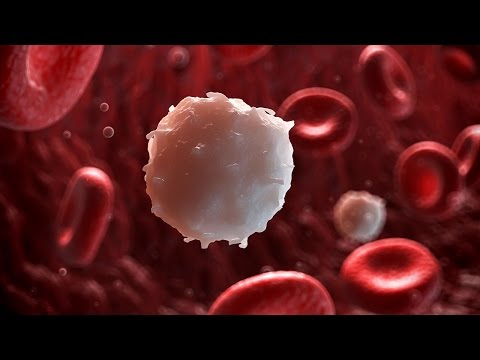
SylviaQQ posted on 2015/09/12Ever wondered how your body fights off invaders instantly? This video dives into the fascinating world of your innate immune system, explaining key players like phagocytosis and inflammation. You'll pick up tons of advanced vocabulary related to how your body defends itself, making it a super useful watch for boosting your English and your biology knowledge!
Learn this video on the APP!
The VoiceTube App has more in-depth practice for videos!