
accompany
US /əˈkʌmpəni, əˈkʌmpni/
UK /ə'kʌmpənɪ/
- Transitive Verb
- To play music with someone
- To travel with someone
A2TOEICMorealong with
US /əˈlɔŋ wɪð/
UK /əˈlɔŋ wið/
- Preposition
- In addition to; together with.
- Adverb
- In company or together with someone or something.
- Including; in addition to.
A2Moreamazing
US /ə'meɪzɪŋ/
UK /ə'meɪzɪŋ/
- Adjective
- Surprising in a pleasing way
- Transitive Verb
- To cause wonder; to surprise completely
A2Moreancient
US /ˈenʃənt/
UK /'eɪnʃənt/
- Adjective
- Very old; having lived a very long time ago
- Relating to a period in history, especially in the distant past.
- Noun
- A person who lived in ancient times.
A2Moreback then
US
UK
- Phrase
- At that time in the past.
A1Morebonito
US /bə'ni:toʊ/
UK /bə'ni:təʊ/
- Noun
- Fishes similar to mackerels and tunas
C2Morebreaks down
US
UK
- Phrasal Verb
- To forcibly break, destroy or make collapse
- (Machine) to stop working or become weaker
A1Morebroth
US /brɔθ, brɑθ/
UK /brɒθ/
- Uncountable Noun
- Liquid or soup that meat, etc. has been cooked in
B2Moreclan
US /klæn/
UK /klæn/
- Noun (Countable/Uncountable)
- Group of related families or people
C2Morecrest
US /krɛst/
UK /krest/
- Noun
- Showy part growing from the top of a bird's head
- Special symbol, e.g. representing a royal family
- Intransitive Verb
- To rise to a high level then return to lower level
B2Morecuisine
US /kwɪˈzin/
UK /kwɪˈzi:n/
- Noun (Countable/Uncountable)
- Certain style or technique of cooking
- A type of food; the foods and methods of cooking traditional to a region or population.
B1Moreculture
US /ˈkʌltʃɚ/
UK /'kʌltʃə(r)/
- Noun (Countable/Uncountable)
- Beliefs and customs of a particular group
- The customs, beliefs, art, and all the other things that a group of people share and consider important.
- Transitive Verb
- To grow cells, tissues, bacteria, etc. in a controlled environment.
A2Morecut into
US /kʌt ˈɪntu/
UK /kʌt ˈɪntuː/
- Phrasal Verb
- To divide something into pieces with a sharp tool.
- To interrupt someone who is speaking.
A1Moredye
US /daɪ/
UK /daɪ/
- Noun
- A liquid that colors hair, cloth etc.
- Transitive Verb
- To make (hair, leather) colored by using chemicals
B1Moreenhance
US /ɛnˈhæns/
UK /ɪn'hɑ:ns/
- Transitive Verb
- To improve; make bigger or better
B1TOEICMoreexcellent
US /ˈɛksələnt/
UK /ˈeksələnt/
- Adjective
- Extremely good
- Very skilled; having great ability.
A2TOEICMorefeudal
US /ˈfjudl:/
UK /ˈfju:dl/
- Adjective
- Of or typical of feudalism
B2Morefit into
US /fɪt ˈɪntu/
UK /fit ˈɪntuː/
- Phrasal Verb
- To be small enough to go inside something.
- To feel like you belong to a group.
A2Moreflavor
US /ˈflevɚ/
UK /'fleɪvə/
- Noun (Countable/Uncountable)
- Quality giving something a particular character
- Taste of something, especially in food or drink
- Transitive Verb
- To add extra taste to a food
B1Morefor example
US
UK
- Phrase
- As an illustration or instance.
from scratch
US /frʌm skrætʃ/
UK /frɔm skrætʃ/
- Phrase
- From the very beginning; from nothing.
- From the very beginning; using new materials rather than something that already exists.
A1Moreginger
US /ˈdʒɪndʒɚ/
UK /ˈdʒɪndʒə(r)/
- Adjective
- Being reddish-brown in color
- Uncountable Noun
- Root with a hot strong taste used in cooking
B2Moregrill
US /ɡrɪl/
UK /ɡrɪl/
- Noun (Countable/Uncountable)
- Plate of food that has been grilled
- Metal bars on which food is cooked over fire
- Transitive Verb
- To cook directly over fire on a flat metal bars
- To ask many (difficult) questions for a long time
B1Morehave to
US /hæv tu/
UK /ˈhæv tə/
- Auxiliary Verb
- Must do
A1Morehistory
US /ˈhɪstəri/
UK /'hɪstrɪ/
- Noun (Countable/Uncountable)
- Established pattern or record
- Study of past events as an academic subject
A2Morein order to
US /ɪn ˈɔrdɚ tu/
UK /in ˈɔ:də tu:/
- Preposition
- For the purpose of; with the aim of.
- Phrase
- In a specific sequence or arrangement.
- With the aim of; for the purpose of.
C1Morein particular
US /ɪn pɚˈtɪkjəlɚ/
UK /in pəˈtikjulə/
- Phrase
- Specifically; especially.
- Detailed or precise.
A1Morein the middle of
US
UK
- Phrase
- In the central part or point of something.
- Engaged or occupied with something.
A2Morein town
US /ɪn taʊn/
UK /in taun/
- Phrase
- Present or available in the local area or city.
- Available or present in a particular place.
A1Moreinside of
US /ɪnˈsaɪd ʌv/
UK /inˈsaid ɔv/
- Preposition
- Within; in the inner part of.
- Within a certain period of time.
A1Morekombu
US /kɒm'bʌ/
UK /kɒm'bʌ/
- Uncountable Noun
- Edible kelp used in East Asian cuisine
B2Morelocal
US /ˈloʊkl/
UK /ˈləʊkl/
- Noun
- Bus or train, that stops at most stations
- People who live in the area being discussed
- Adjective
- Relating to a particular area, city, or town
A2TOEICMorelook at
US /lʊk æt/
UK /luk æt/
- Phrasal Verb
- To use your eyes to focus on something
- To focus your eyes on something carefully
A1Moremiso
US /ˈmi:soʊ/
UK /ˈmi:səʊ/
- Uncountable Noun
- Paste made from fermented soybeans and malt
C2Moremold
US /mold/
UK /məʊld/
- Noun
- Distinctive type of character or nature
- Fungus growing on old food or in wet dark places
- Transitive Verb
- To influence a person's character or behavior
- To form something into a shape
B1Moremouthful
US /ˈmaʊθˌfʊl/
UK /ˈmaʊθfʊl/
- Noun
- Something difficult to pronounce
- Amount of food a mouth will hold at one time
A2Moremush
US /mʌʃ/
UK /mʌʃ/
- Uncountable Noun
- Something soft and wet and usually thick
- Transitive Verb
- To urge (sled dogs) on.
B2Moreon display
US /ɑn dɪˈsple/
UK /ɔn disˈplei/
- Adjective
- In a place where something can be seen by the public.
- Adverb
- Available for viewing.
A1Moreout of place
US /aʊt ʌv ples/
UK /aut ɔv pleis/
- Adjective
- Not comfortable or belonging in a particular situation.
- Not in the correct or usual position; missing.
A1Moreoutside of
US /aʊtˈsaɪd ʌv/
UK /ˌautˈsaid ɔv/
- Preposition
- Located or situated beyond the boundaries or confines of something.
- Beyond the scope, range, or limits of something.
A1Morepalate
US /ˈpælɪt/
UK /ˈpælət/
- Noun
- Roof of the mouth
B2TOEICMorepar
US /pɑr/
UK /pɑ:(r)/
- Noun
- Set number of hits to complete a hole in golf
- Usual or typical in terms of performance
B1Morepepper
US /ˈpɛpɚ/
UK /ˈpepə(r)/
- Noun (Countable/Uncountable)
- Green, red, or yellow vegetable with hollow center
- Hard covering of berries used as spices
- Transitive Verb
- To spread around randomly, as with bullets
- To sprinkle or season with pepper.
B1Morepetrify
US /ˈpɛtrəˌfaɪ/
UK /ˈpetrɪfaɪ/
- Verb (Transitive/Intransitive)
- To be very afraid or paralysed with terror
- To convert into stone or a stony substance
C2TOEICMorepickle
US /ˈpɪkəl/
UK /ˈpɪkl/
- Countable Noun
- A cucumber preserved in brine or vinegar
B2Moreplum
US /plʌm/
UK /plʌm/
- Countable Noun
- Type of juicy red or yellow fruit with a stone
B2Moreprotein
US /ˈprəʊˌtiːn/
UK /ˈprəʊti:n/
- Noun (Countable/Uncountable)
- Group of molecules made from amino acids
B1Morerecreate
US /ˌri:krɪ'eɪt/
UK /ˌri:kriˈeɪt/
- Transitive Verb
- To make a past situation exist again
- To refresh or renew, especially after fatigue.
B1Morerefuge
US /ˈrɛfjudʒ/
UK /'refju:dʒ/
- Noun
- Somewhere you can find safety or hide
B2Moreroad ahead
US
UK
- Noun
- The future; what is to come.
- The actual road in front of you.
B1Moreroute
US /rut, raʊt/
UK /ru:t/
- Noun (Countable/Uncountable)
- Way to get from one place to another place; path
- Path or way that people often use
- Transitive Verb
- To send along a particular path or way
A2TOEICMoresalt
US /sɔlt/
UK /sɔ:lt/
- Uncountable Noun
- Natural white crystal used to flavor food
- Transitive Verb
- To add salt to food in order to improve its taste
- To add salt to ice in order to melt it
A2Moresauce
US /sɔs/
UK /sɔ:s/
- Noun (Countable/Uncountable)
- Food made from cooked fruit, e.g. apples or mangos
B1Moreshellfish
US /ˈʃɛlˌfɪʃ/
UK /ˈʃelfɪʃ/
- Noun (Countable/Uncountable)
- Sea animals such as shrimps, lobsters, clams etc.
C2Moreslice
US /slaɪs/
UK /slaɪs/
- Countable Noun
- Way of hitting the ball so the ball curves
- Piece or share of something
- Verb (Transitive/Intransitive)
- To hit a ball so that it curves to one side
- To cut a thin piece off something larger
A2TOEICMoresoft
US /sɔft, sɑft/
UK /sɒft/
- Adjective
- Having flowing curves rather than sharp edges
- Easy to press, bend or cut; not hard or firm
A2Moresoy
US /sɔɪ/
UK /sɔɪ/
- Noun
- Food substance made from soya beans
C2Morestrain
US /stren/
UK /streɪn/
- Transitive Verb
- To remove the water from (food) using a colander
- To injure a muscle, leg etc. by using it too much
- Noun (Countable/Uncountable)
- Injury to a muscle, leg etc. through overuse
- Type or variation of a disease or bacillus
B2Moresubtle
US /ˈsʌtl/
UK /'sʌtl/
- Adjective
- Delicate or slight so it is difficult to perceive
- Clever or indirect but hides the true purpose
B1Moretaste
US /test/
UK /teɪst/
- Uncountable Noun
- (Good) sense of style in clothes, art, or manners
- Flavor in your mouth from food or drink
- Verb (Transitive/Intransitive)
- To experience something
- To experience the flavor of food, drink
A2TOEICMoretatami
US /tə'tɑ:mɪ/
UK /təˈtɑ:mi/
- Noun
- Japanese floor matting
C2Moretemple
US /ˈtɛmpəl/
UK /'templ/
- Noun
- A flat area on the side of the forehead
- Place for worship in many religions
B1Moretempura
US /ˈtɛmpʊrə, tɛmˈpʊrə/
UK /ˈtempʊrə/
- Noun
- Deep-fried vegetables and seafood dipped in batter
C2Moretexture
US /ˈtɛkstʃɚ/
UK /ˈtekstʃə(r)/
- Noun (Countable/Uncountable)
- Quality from different elements, as in music
- Look and feel of a substance or material
- Transitive Verb
- To give a particular look or feel to a surface
B1Moretired
US /ˈtaɪərd/
UK /ˈtaɪəd/
- Adjective
- Without energy so you want to rest or fall asleep
- Transitive Verb
- To lose, cause to lose energy so you want to rest
B1Moreto taste
US /tu teɪst/
UK /tu teɪst/
- other
- Add an ingredient according to your preference.
A2Moretofu
US /'toʊfu:/
UK /'təʊfu:/
- Uncountable Noun
- Compressed bean curd used in cooking
C1Moretour
US /tʊr/
UK /tʊə(r)/
- Intransitive Verb
- To travel to several places to perform a show
- To visit several places for pleasure
- Noun (Countable/Uncountable)
- A trip to several places to perform a show
- A journey to visit several places for pleasure
A2TOEICMoreunique
US /juˈnik/
UK /jʊ'ni:k/
- Adjective
- Unlike other things; being the only one like it
- Remarkably special or unusual.
A2TOEICMoreup to par
US /ʌp tu pɑr/
UK /ʌp tu: pɑ:/
- Adjective
- Of a standard that is good enough; satisfactory
- In good health; feeling well
- Adverb
- Playing a round of golf in the expected number of strokes
A1Moreused to
US /juzd tu/
UK /ˈju:st tə/
- Adjective
- Did regularly before, but don't do now
- Auxiliary Verb
- Have done before, but do not do now
A1Morewith it
US /wɪð ɪt/
UK /wið it/
- Adjective
- Intelligent, alert, and up-to-date.
- Understanding and knowledgeable about current trends or information.
A1Moreyam
US /jæm/
UK /jæm/
- Noun (Countable/Uncountable)
- Tropical climbing plant with edible tubers (roots)
B2More
Vocabulary
- inside of: Within; in the inner part of.
- used to: Did regularly before, but don't do now
- with it: Intelligent, alert, and up-to-date.
- in the middle of: In the central part or point of something.
- outside of: Located or situated beyond the boundaries or confines of something.
- in town: Present or available in the local area or city.
- along with: In addition to; together with.
- look at: To use your eyes to focus on something
- from scratch: From the very beginning; from nothing.
- up to par: Of a standard that is good enough; satisfactory
- fit into: To be small enough to go inside something.
- cut into: To divide something into pieces with a sharp tool.
- road ahead: The future; what is to come.
- out of place: Not comfortable or belonging in a particular situation.
- on display: In a place where something can be seen by the public.
- back then: At that time in the past.
- to taste: Add an ingredient according to your preference.
- breaks down: To forcibly break, destroy or make collapse
- in particular: Specifically; especially.
- for example: As an illustration or instance.
- in order to: For the purpose of; with the aim of.
- have to: Must do
- subtle: Delicate or slight so it is difficult to perceive
- period: Set amount of time during which events take place
- ancient: Very old; having lived a very long time ago
- experience: Thing a person has done or that happened to them
- strain: To remove the water from (food) using a colander
- texture: Quality from different elements, as in music
- unique: Unlike other things; being the only one like it
- protein: Group of molecules made from amino acids
- cuisine: Certain style or technique of cooking
- flavor: Quality giving something a particular character
- broth: Liquid or soup that meat, etc. has been cooked in
- mold: Distinctive type of character or nature
- route: Way to get from one place to another place; path
- enhance: To improve; make bigger or better
- slice: Way of hitting the ball so the ball curves
- grill: Plate of food that has been grilled
- culture: Beliefs and customs of a particular group
- lot: What happens to a person in life from chance; fate
- refuge: Somewhere you can find safety or hide
- staff: Employees of a company
- palate: Roof of the mouth
- modern: Of the present time; up to date; contemporary
- taste: (Good) sense of style in clothes, art, or manners
- amazing: Surprising in a pleasing way
- natural: Being as one would expect; being usual or normal
- excellent: Extremely good
- pickle: A cucumber preserved in brine or vinegar
- sauce: Food made from cooked fruit, e.g. apples or mangos
- prepare: To make something ready for use
- dye: A liquid that colors hair, cloth etc.
- start: First time or place that a thing exists; beginning
- restaurant: Place where you can order, buy and eat a meal
- tour: To travel to several places to perform a show
- ginger: Being reddish-brown in color
- season: One of Spring, Summer, Autumn (Fall) and Winter
- accompany: To play music with someone
- crest: Showy part growing from the top of a bird's head
- travel: To go to a place that is far away
- par: Set number of hits to complete a hole in golf
- pepper: Green, red, or yellow vegetable with hollow center
- people: Persons sharing culture, country, background, etc.
- put: To move or place a thing in a particular position
- soft: Having flowing curves rather than sharp edges
- local: Bus or train, that stops at most stations
- soy: Food substance made from soya beans
- shellfish: Sea animals such as shrimps, lobsters, clams etc.
- plum: Type of juicy red or yellow fruit with a stone
- good: Proper, appropriate or right
- history: Established pattern or record
- clan: Group of related families or people
- feudal: Of or typical of feudalism
- salt: Natural white crystal used to flavor food
- temple: A flat area on the side of the forehead
- dry: (Of humor) clever, but not obvious; ironic
- mouthful: Something difficult to pronounce
- tired: Without energy so you want to rest or fall asleep
- mush: Something soft and wet and usually thick
- recreate: To make a past situation exist again
- bonito: Fishes similar to mackerels and tunas
- petrify: To be very afraid or paralysed with terror
- tempura: Deep-fried vegetables and seafood dipped in batter
- yam: Tropical climbing plant with edible tubers (roots)
- miso: Paste made from fermented soybeans and malt
- tofu: Compressed bean curd used in cooking
- tatami: Japanese floor matting
- kombu: Edible kelp used in East Asian cuisine
Get the full experience in the app
Learn anywhere with detailed sentence and usage analysis
01:03
She took a brave step forward, leaving behind her comfort zone to chase her dreams.
Vocabulary
- brave
adj. Having courage
- comfort zone
phr. A familiar situation where one feels safe
Explanation
a brave step is a noun phrase, where brave is an adjective modifying the noun step, meaning "a courageous step".
forward is an adverb modifying step, meaning "ahead".
The whole phrase serves as the object, answering the "what" of took (verb) — she took a brave step forward.
Get the full experience in the app
Look up words anytime with pronunciation, part of speech, and usage
brave
US/brev/
UK/breɪv/
adj.Brave
v.t.To bravely face
A2 Elementary
Get the full experience in the app
Practice speaking anytime and get instant pronunciation feedback
Try this speaking exercise.
Try practicing with this sentence.
80
0
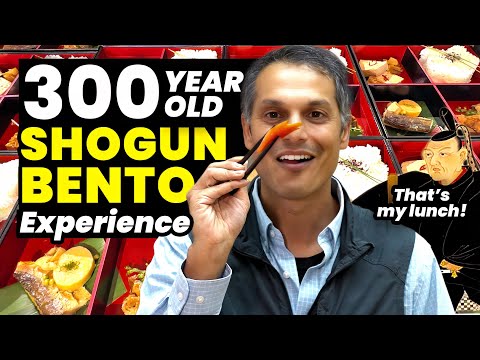
林宜悉 posted on 2025/06/17Ever wondered what a Shogun ate 300 years ago? Dive into the fascinating world of Edo cuisine with this video, where you'll explore historical bento boxes and learn advanced vocabulary related to traditional Japanese food and dining. It's a delicious way to deepen your cultural understanding and boost your English skills!
Learn this video on the APP!
The VoiceTube App has more in-depth practice for videos!