crest
US /krɛst/
・UK /krest/
B2
n.NounShowy part growing from the top of a bird's head
This bird has a white crest atop his head
n.NounSpecial symbol, e.g. representing a royal family
This is my family crest
n.NounTop part of something
Come down from the crest of the hill
v.i.Intransitive VerbTo rise to a high level then return to lower level
I crest the wave
Video subtitles
What's in Store? Stained Glass
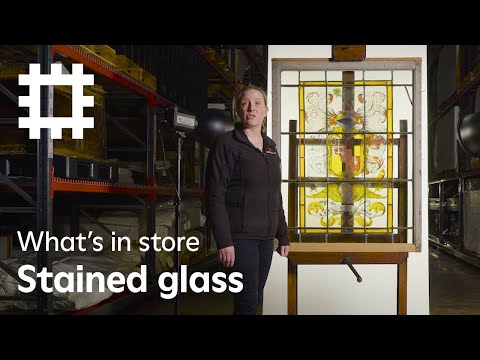
- And what we've got is a shield in the center with a hand of a red Baron, Baronette, and then we've got a helm, a knight's helm above and a crest above that.
And what we've got is a shield in the center with a hand of a red Baron, Baronette, and then we've got a helm, a knight's helm above and a crest above that.
- That crest is the wild man of Belsay, the wild man carries a oak tree that has been pulled out of the ground.
That crest is the wild man of Belsay, the wild man carries a oak tree that has been pulled out of the ground.
A Guide to Personalising Books *grangerising*
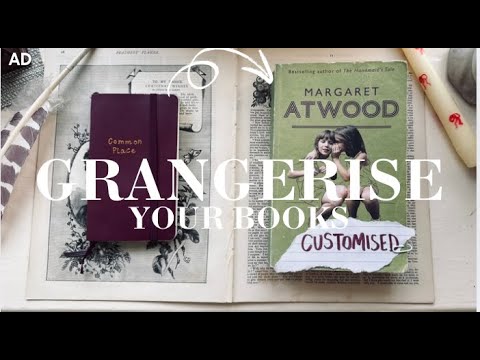
- That's a key theme when looking at 17th century literature and processes of reading, the idea of being active with what you're reading and kind of connecting to the book that you're reading. So even the act of stamping a book with an ex-libris stamp that has your name on it or your family crest traditionally. Frances Wolferston, for example, in the 17th century would write Frances, her book, in the front of her books. But there's a connection and there's an ownership to reading that which involves the reader and actually kind of physically puts the reader into the book. And that ownership, that connection definitely feels more valid and understandable considering how much rarer books were. I mean, books are still pretty expensive but when you compare the price to what it used to be, they are so, so, so affordable and they are affordable enough that, especially if we're shopping second hand, we can accumulate a lot of books. And so it kind of makes sense that we wouldn't then like customise all of our books and kind of write our names and all of our books in the same way. Though not to say that not everyone does because I do think the ex-libris stamp is making something of a comeback. But I just love how grangerising makes a book personal to you and the book itself then reflects and is testament to how much a book means to you. It kind of becomes this material marker in relation to you as the reader. It also bestows importance onto the physical object of the book as well as just the text. Like this book is significant because I bought this when I was 17 and I've read it four times since then and so it's kind of joined me in a very material way in many different life stages and it's kind of transcended time and moved with me which I think is absolutely beautiful. Effectively when you add your own illustrations, when you add tiny kind of snippets and annotations and thoughts, you're adding to the paratext of the book as well. And I think when we kind of frame it as a form of paratext, it kind of helps to even better frame like the importance of your personal copy to you as a reader. Paratext was kind of most officially and famously theorised by Jeannette in his book Paratext from 1987 and paratext is all of the stuff around the actual text. So this is the text and then the paratext will be like, you know, the four words or in this book there's quotes at the beginning from Stephen Hawking. There are dedications, there are words of thanks, you've got the information about publication, you've got like other works by Margaret Atwood here, you've got the cover, you've got what else? Oh yeah, more books by Margaret Atwood there. And these are things which are connected to the text but they're not actually part of the text and so when you grangerise a book
That's a key theme when looking at 17th century literature and processes of reading, the idea of being active with what you're reading and kind of connecting to the book that you're reading. So even the act of stamping a book with an ex-libris stamp that has your name on it or your family crest traditionally. Frances Wolferston, for example, in the 17th century would write Frances, her book, in the front of her books. But there's a connection and there's an ownership to reading that which involves the reader and actually kind of physically puts the reader into the book. And that ownership, that connection definitely feels more valid and understandable considering how much rarer books were. I mean, books are still pretty expensive but when you compare the price to what it used to be, they are so, so, so affordable and they are affordable enough that, especially if we're shopping second hand, we can accumulate a lot of books. And so it kind of makes sense that we wouldn't then like customise all of our books and kind of write our names and all of our books in the same way. Though not to say that not everyone does because I do think the ex-libris stamp is making something of a comeback. But I just love how grangerising makes a book personal to you and the book itself then reflects and is testament to how much a book means to you. It kind of becomes this material marker in relation to you as the reader. It also bestows importance onto the physical object of the book as well as just the text. Like this book is significant because I bought this when I was 17 and I've read it four times since then and so it's kind of joined me in a very material way in many different life stages and it's kind of transcended time and moved with me which I think is absolutely beautiful. Effectively when you add your own illustrations, when you add tiny kind of snippets and annotations and thoughts, you're adding to the paratext of the book as well. And I think when we kind of frame it as a form of paratext, it kind of helps to even better frame like the importance of your personal copy to you as a reader. Paratext was kind of most officially and famously theorised by Jeannette in his book Paratext from 1987 and paratext is all of the stuff around the actual text. So this is the text and then the paratext will be like, you know, the four words or in this book there's quotes at the beginning from Stephen Hawking. There are dedications, there are words of thanks, you've got the information about publication, you've got like other works by Margaret Atwood here, you've got the cover, you've got what else? Oh yeah, more books by Margaret Atwood there. And these are things which are connected to the text but they're not actually part of the text and so when you grangerise a book
- So even the act of stamping a book with an ex libre stamp that has your name on it or your family crest traditionally.
So even the act of stamping a book with an ex libre stamp that has your name on it or your family crest traditionally.
Caravaggio | You choose | The National Gallery, London
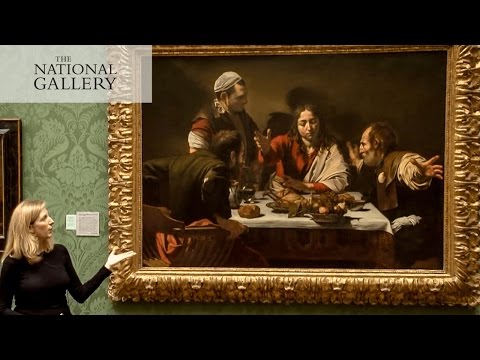
- He's riding on a wave, you know, on the crest of the wave.
He's riding on a wave, you know, on the crest of the wave.
- He's riding on a wave, you know, on the crest of the wave.
He's riding on a wave, you know, on the crest of the wave.
New Zealand's Best Hike | Tongariro Alpine Crossing Travel Vlog

- Well, the sun is just starting to crest over the fog bank behind us,
Well, the sun is just starting to crest over the fog bank behind us,
- The sun is just starting to crest over the fog bank behind us.
The sun is just starting to crest over the fog bank behind us.
Job Interview Tips & Techniques: How to Prepare for a First Impression

- On behalf of Crest 3D White, I'm Katrina Szish for Howdini.
On behalf of Crest 3D White, I'm Katrina Szish for Howdini.
September Favorites 2017

- and she decides to go on this crazy hike, the Pacific Crest Trail.
and she decides to go on this crazy hike, the Pacific Crest Trail.
- the Pacific Crest Trail.
the Pacific Crest Trail.
How to Build a Product I, Michael Seibel, Steve Huffman, Emmett Shear - CS-183F
- Uh, product-market fit is when you crest the hill.
Uh, product-market fit is when you crest the hill.
- Product market fit is when you crest the hill.
Product market fit is when you crest the hill.
Cheryl Strayed on How To Become a Writer, The Power of Art & More
- and how does that translate to the culture?" And just an example I can give you, in Wild, for years, it's my memoir that's about my hike on the Pacific Crest Trail.
and how does that translate to the culture?" And just an example I can give you, in Wild, for years, it's my memoir that's about my hike on the Pacific Crest Trail.
- it’s about my hike on the Pacific Crest Trail.
it’s about my hike on the Pacific Crest Trail.
Buying a $210,000 Japanese Hotel

- This is called kamon, a Japanese house clan crest.
This is called kamon, a Japanese house clan crest.
- This is called Kamon, a Japanese house clan crest.
This is called Kamon, a Japanese house clan crest.
glowing up for summer 2023
- We'll see if I actually Stick to it Also, I'm kind of terrified because just the thought of like swishing around oil in my mouth seems so disgusting and repulsive to me And the fact that I have to do it for like 15 minutes is a little daunting But I'm gonna try it and we'll see if I can stick to it and make it a part of my daily routine I've done things to wipe my teeth in the past like I've tried the crest whitening strips and while they do work It just kind of feels like they're hard on my teeth.
We'll see if I actually Stick to it Also, I'm kind of terrified because just the thought of like swishing around oil in my mouth seems so disgusting and repulsive to me And the fact that I have to do it for like 15 minutes is a little daunting But I'm gonna try it and we'll see if I can stick to it and make it a part of my daily routine I've done things to wipe my teeth in the past like I've tried the crest whitening strips and while they do work It just kind of feels like they're hard on my teeth.
- Like, I've tried the Crest Whitening Strips,
Like, I've tried the Crest Whitening Strips,