
abuse
US /əˈbjuz/
UK /ə'bju:s/
- Transitive Verb
- To mistreat or be cruel towards someone
- To use in an inappropriate or excessive way
- Noun (Countable/Uncountable)
- Improper/dishonest/excessive use of something
- Insulting someone, e.g. by swearing at them
A2TOEICMoreadd on
US /æd ɑn/
UK /æd ɔn/
- Phrasal Verb
- To attach or include something extra.
- Countable Noun
- A feature that can be added to a computer program or website.
A1Moreafford
US /əˈfɔrd, əˈford/
UK /ə'fɔ:d/
- Transitive Verb
- To make available, to provide
- To have enough money to pay for something
A2TOEICMoreanti
US /ˈæntaɪ, -ti/
UK /'æntɪ/
- Adjective
- A prefix meaning 'against' or 'opposed'
B2Moreantidepressant
US /ˌæntidɪˈprɛsənt, ˌæntaɪ-/
UK /ˌæntidɪˈpresnt/
- Noun
- Medicine used to treat depression
C2Moreas soon as
US /æz sun æz/
UK /æz su:n æz/
- Phrase
- In a short time after (something happens)
- Without any delay; immediately
- Conjunction
- At the moment that, or immediately after.
A1Moreat least
US /æt list/
UK /æt li:st/
- Adverb
- As a minimum
- Not less than
- Phrase
- No less than; at the minimum
- Used to indicate that something is positive in a bad situation.
C2Moreaverage
US /ˈævərɪdʒ, ˈævrɪdʒ/
UK /'ævərɪdʒ/
- Noun (Countable/Uncountable)
- Total of numbers divided by the number of items
- Transitive Verb
- To add numbers then divide by the number of items
A2TOEICMoreawhile
US /əˈhwaɪl, əˈwaɪl/
UK /əˈwaɪl/
- Adverb
- For a while; for a short time
B2Moreback into
US /bæk ˈɪntu/
UK /bæk ˈɪntuː/
- Phrasal Verb
- To drive a vehicle backwards into a space or area.
- To accidentally collide with something while moving backwards.
A1Moreback to normal
US
UK
- Adjective
- Returned to the usual or expected state or condition.
- Phrase
- In the usual or ordinary way; as things were before.
A2Moreboost
US /bust/
UK /bu:st/
- Transitive Verb
- To increase something; to make something better
- To push someone or something up from beneath them
- Noun (Countable/Uncountable)
- An increase in something
B1TOEICMoreby and large
US /baɪ ənd lɑrdʒ/
UK /bai ænd lɑ:dʒ/
- Phrase
- Generally; on the whole; mostly.
- Taking everything into consideration; all things considered.
A2Morechannel
US /ˈtʃænəl/
UK /'tʃænl/
- Noun (Countable/Uncountable)
- Long hole dug in the ground, e.g. to move water
- TV or radio station or its programs
- Transitive Verb
- To dig a long hole for carrying water
- To send (e.g. money) to a certain place or person
B1Morecheck out
US /tʃɛk aʊt/
UK /tʃek aut/
- Phrase
- Phrasal Verb
- To find out information about something
- To take books out of a library
A1Morechemical
US /ˈkɛmɪkəl/
UK /ˈkemɪkl/
- Noun (Countable/Uncountable)
- Basic substance produced by mixing elements
- The branch of science concerned with the substances of which matter is composed, the investigation of their properties and reactions, and the use of such reactions to form new substances.
- Adjective
- Made of various elements
A2Morecognitive
US /ˈkɑɡnɪtɪv/
UK /ˈkɒgnətɪv/
- Adjective
- The process of knowing and remembering
- Relating to the ability to think and reason.
C1Morecome back
US /kʌm bæk/
UK /kʌm bæk/
- Phrasal Verb
- To reply to someone, often forcefully
- To be remembered
A1Morecommercial
US /kəˈmɚʃəl/
UK /kəˈmə:ʃəl/
- Noun
- Radio or television advertisement
- Adjective
- A notice, picture, or film telling people about a product, job, or service.
- Designed for or primarily concerned with financial success.
B1Moreconvey
US /kənˈve/
UK /kən'veɪ/
- Transitive Verb
- To carry or transport something
- To make aware or tell others information
B1Moreculture
US /ˈkʌltʃɚ/
UK /'kʌltʃə(r)/
- Noun (Countable/Uncountable)
- Beliefs and customs of a particular group
- The customs, beliefs, art, and all the other things that a group of people share and consider important.
- Transitive Verb
- To grow cells, tissues, bacteria, etc. in a controlled environment.
A2Moredepress
US /dɪˈprɛs/
UK /dɪ'pres/
- Transitive Verb
- To make someone feel sad or miserable
- To push something down
B2Moredepression
US /dɪˈprɛʃən/
UK /dɪ'preʃn/
- Noun (Countable/Uncountable)
- Medical condition of a lack of vitality
- Period of unemployment and low economic activity
B2Morediet
US /ˈdaɪɪt/
UK /'daɪət/
- Intransitive Verb
- To eat special or less food, as to lose weight
- Noun (Countable/Uncountable)
- Plan of eating to reduce weight or improve health
- The usual food and drink consumed by an organism (person or animal)
A2TOEICMoredisease
US /dɪˈziz/
UK /dɪˈzi:z/
- Noun (Countable/Uncountable)
- Illness that affects a person, animal, or plant
- A disorder of structure or function in a plant, especially one caused by a pathogen.
- Transitive Verb
- To affect with disease; to corrupt or sicken.
A2TOEICMoredown the road
US
UK
- Phrase
- At a future time; in the future.
- Along the street; a short distance away.
A1Moredue to
US /du tu/
UK /dju: tu:/
- Preposition
- Because of; owing to
- Adjective
- Attributable to; caused by.
A1Moreexercise
US /ˈɛksɚˌsaɪz/
UK /'eksəsaɪz/
- Verb (Transitive/Intransitive)
- To work out to become stronger and healthier
- To retain your ability or practice your skills
- Noun (Countable/Uncountable)
- Physical activity to increase health and strength
- Set of questions in a text book
A2Morefor instance
US /fɔr ˈɪnstəns/
UK /fɔ: ˈinstəns/
- Adverb
- As an example.
- Phrase
- As an example.
- As an illustration or case in point
B1Morefound out
US
UK
- Phrasal Verb
- To learn or discover something, often after some effort.
- To become known; be revealed.
B2Morego away
US /ɡo əˈwe/
UK /ɡəu əˈwei/
- Phrasal Verb
- To go on vacation
- To leave; depart.
A1Moregot to
US /ɡɑt tu/
UK /gɔt tu:/
- Verb (Transitive/Intransitive)
- To arrive at some place
- To have the opportunity or permission to do something
- Phrasal Verb
- To appeal to the emotions of; move
- To finally begin to start something after a delay
A1Morehave to
US /hæv tu/
UK /ˈhæv tə/
- Auxiliary Verb
- Must do
A1Morein fact
US /ɪn fækt/
UK /in fækt/
- Adverb
- Used to emphasize the truth of a statement, especially one that contrasts with or contradicts something else.
- Used to introduce a more detailed or surprising piece of information.
- Phrase
- Used to emphasize the truth of a statement, especially one that is surprising or contrary to what might be expected.
C1Morein secret
US /ɪn ˈsiːkrət/
UK /in ˈsiːkrət/
- Phrase
- Done or kept in a way that is not known or seen by others.
B1Morein terms of
US
UK
- Phrase
- With regard to; concerning a particular aspect.
A1Morein the world
US /ɪn ði wɜrld/
UK /in ðə wɜː(r)ld/
- Phrase
- Used to emphasize a question expressing surprise, confusion, disbelief
- Used to indicate the extent or degree of something, often in a superlative sense
A1Moreinstead of
US /ɪnˈstɛd ʌv/
UK /inˈsted ɔv/
- Preposition
- When one thing is replaced by another
- Adverb
- As a substitute or alternative.
A1Moreinsurance
US /ɪnˈʃʊrəns/
UK /ɪnˈʃʊərəns/
- Uncountable Noun
- Protection against loss/injury/death you pay for
A2TOEICMorejust kind of
US
UK
- Phrase
- Used to express a feeling or state in a vague or hesitant way.
- Used to indicate something is approximately or generally similar to something else.
A2Morekinda
US /'kaɪndə/
UK /'kaɪndə/
- Noun
- Short way of saying 'kind of'
- Adverb
- Somewhat; to some extent; rather.
- Sort of; in a way.
B2Moreknow about
US /noʊ əˈbaʊt/
UK /nəʊ əˈbaut/
- Phrasal Verb
- To have information or understanding of a subject or situation.
look at
US /lʊk æt/
UK /luk æt/
- Phrasal Verb
- To use your eyes to focus on something
- To focus your eyes on something carefully
A1Morelook into
US /lʊk ˈɪntu/
UK /luk ˈɪntuː/
- Phrasal Verb
- To investigate or try to discover the reasons for
A1Moremarketing
US /ˈmɑ:rkɪtɪŋ/
UK /ˈmɑ:kɪtɪŋ/
- Transitive Verb
- To publicize products to get you to buy; advertise
- Uncountable Noun
- The act of selling services or goods
B1Moremedication
US /ˌmɛdɪˈkeʃən/
UK /ˌmedɪˈkeɪʃn/
- Noun (Countable/Uncountable)
- Substance to relieve pain or cure sickness
B2Morenutrition
US /nuˈtrɪʃən, nju-/
UK /njuˈtrɪʃn/
- Uncountable Noun
- Scientific study of the effects of foods on health
- Food and other things you eat or drink
B1Moreof course
US /ʌv kɔː(r)s/
UK /ɔv kɔː(r)s/
- Adverb
- Sure ; Certainly
- Phrase
- For sure; certainly
A2Moreoff of
US /ɔf ʌv/
UK /ɔf ɔv/
- Preposition
- From a position on something; down from.
A1Moreon average
US /ɑn ˈævərɪdʒ/
UK /ɔn ˈævəridʒ/
- Phrase
- Typically; usually; based on an average calculation.
B1Moreon medication
US
UK
- Phrase
- Taking medicine regularly for a health condition.
A1Moreon the market
US
UK
- Phrase
- Available for sale.
- Actively seeking employment.
A2Morepanic
US /ˈpænɪk/
UK /'pænɪk/
- Uncountable Noun
- Overwhelming feeling of fear and anxiety
- Intransitive Verb
- To feel sudden anxiety and fear and cannot think
B1Morepercentage
US /pərˈsentɪdʒ/
UK /pəˈsentɪdʒ/
- Noun (Countable/Uncountable)
- Part of a whole divided into hundredths
- An advantage or allowance.
B1Moreplacebo
US /pləˈsibo/
UK /plə'si:bəʊ/
- Noun
- Harmless pill for comparison in trial of new drug
B2Moreplay in
US
UK
- Phrasal Verb
- To participate or compete in a game or competition.
- To have a role in a theatrical production.
A1Morepoint out
US /pɔɪnt aʊt/
UK /pɔint aut/
- Phrasal Verb
- To make others aware of an idea
- To draw attention to something or someone
A1Moreprofessional
US /prəˈfɛʃənəl/
UK /prə'feʃənl/
- Adjective
- Of jobs such as doctor, lawyer, accountant, etc.
- Acting/done properly as a qualified person would
- Noun
- Highly qualified person, e.g. lawyer or doctor
- One who plays a sport or similar activity as a job
A2TOEICMoreprove
US /pruv/
UK /pru:v/
- Transitive Verb
- To demonstrate truth by providing evidence
- To test the quality or worth of something.
- Intransitive Verb
- To turn out to be; be found to be.
A2TOEICMorepsychiatrist
US /saɪ'kaɪətrɪst/
UK /saɪˈkaɪətrɪst/
- Countable Noun
- Doctor who treats psychological disorders
- Doctor who treats psychological disorders
B2Morerecommend
US /ˌrɛkəˈmɛnd/
UK /ˌrekə'mend/
- Transitive Verb
- To advise or suggest that someone do something
- To endorse or support something publicly.
A2TOEICMoreresearch
US /rɪˈsɚtʃ, ˈriˌsɚtʃ/
UK /rɪ'sɜ:tʃ/
- Verb (Transitive/Intransitive)
- To study in order to discover new ideas and facts
- To study the market relating to marketing products and services.
- Noun (Countable/Uncountable)
- Study done to discover new ideas and facts
- A particular area or topic of study.
A2TOEICMoreresponder
US /rɪ'spɒndə/
UK /rɪs'pɒndə/
- Countable Noun
- Someone who responds to an emergency call
B2Morescientific
US /ˌsaɪənˈtɪfɪk/
UK /ˌsaɪənˈtɪfɪk/
- Adjective
- Concerning academic study of the physical world
- Systematic and precise, following a methodology.
- Noun
- Relating to or used in science.
A2Morescientifically
US /ˌsaɪən'tɪfɪklɪ/
UK /ˌsaɪən'tɪfɪklɪ/
- Adverb
- In an manner that follows the rules of science
B1Morescore
US /skɔr, skor/
UK /skɔ:(r)/
- Noun
- A sharp mark or cut in the surface of something
- Current number of points given in a game, contest
- Transitive Verb
- To mark or cut something with a sharp object
- To get or give points in a game, contest, or test
A2TOEICMoresee in
US /si ɪn/
UK /si: in/
- Phrasal Verb
- To accompany someone to the entrance of a building or room.
A1Moreserotonin
US /ˌserəˈtoʊnɪn/
UK /ˌserəˈtəʊnɪn/
- Uncountable Noun
- A neurotransmitter in the brain that helps regulate mood, sleep, appetite, and emotional well-being; often referred to as the "feel-good" hormone.
C2Moreset up
US /sɛt ʌp/
UK /set ʌp/
- Phrasal Verb
- To make arrangements for something; establish
- Verb (Transitive/Intransitive)
- To arrange or prepare something for use.
- To start a business, organization, etc.
A1Morestay in
US /ste ɪn/
UK /stei in/
- Phrasal Verb
- To remain inside one's home.
- Intransitive Verb
- To remain as an inpatient in a hospital.
sugar pill
US
UK
- Countable Noun
- A pill that contains no medicine and is given for psychological relief rather than for physiological effect.
A1Moresyndrome
US /ˈsɪnˌdrom/
UK /'sɪndrəʊm/
- Noun
- A group of signs and symptoms of a disease
B1Moretake with
US
UK
- Phrasal Verb
- To bring something or someone along when you go somewhere.
- Verb (Transitive/Intransitive)
- To accept or endure something, especially something unpleasant, as a necessary part of an experience.
A1Morethe bottom line
US /ði ˈbɑtəm laɪn/
UK /ðə ˈbɔtəm lain/
- Noun
- The most important thing; the essential point.
- The net income or profit of a company.
A2Moretherapy
US /ˈθɛrəpi/
UK /'θerəpɪ/
- Noun (Countable/Uncountable)
- Treatment to help cure an illness
- Psychological counseling to help resolve personal or emotional problems.
B2Morethumbs up
US
UK
- Noun
- A gesture of approval or agreement, indicated by holding a fist with the thumb extended upwards.
- A positive rating or vote on social media or online platforms.
- Noun (plural)
- Multiple gestures of approval or agreement made by extending the thumbs upward.
A1Moreto date
US /tu det/
UK /tu: deit/
- Phrase
- Up to the present time; until now.
- Verb (Transitive/Intransitive)
- To go out on romantic dates with someone.
C2Moreto do with
US
UK
- Phrasal Verb
- To be about something; concern
A1Moretrauma
US /ˈtraʊmə/
UK /'trɔ:mə/
- Noun (Countable/Uncountable)
- A very severe or upsetting experience
- Serious injury to part of the body
B2Moreuptake
US /ˈʌpˌtek/
UK /ˈʌpteɪk/
- Noun
- Process of being taken in by a living organism
C1Morewanna
US /ˈwɑnə/
UK /'wɒnə/
- Verb (Transitive/Intransitive)
- Shortened form of 'want to'. Used only in speaking
B2Moreway to go
US /we tu ɡo/
UK /wei tu: ɡəu/
- Interjection
- An expression of encouragement or approval.
- An expression of sarcasm after someone has made a mistake.
A1Morewithdrawal
US /wɪðˈdrɔəl, wɪθ-/
UK /wɪðˈdrɔ:əl/
- Noun (Countable/Uncountable)
- Action of pulling back or move away or backward
- Pain of coming off drugs
- Adjective
- Feeling pain and suffering when coming off drugs
B1Morework at
US /wɚk æt/
UK /wə:k æt/
- Phrasal Verb
- To have a job at a particular place or organization.
- To make an effort to improve something.
A1More
Vocabulary
- look at: To use your eyes to focus on something
- in fact: Used to emphasize the truth of a statement, especially one that contrasts with or contradicts something else.
- in terms of
- of course: Sure ; Certainly
- due to: Because of; owing to
- way to go: An expression of encouragement or approval.
- instead of: When one thing is replaced by another
- see in: To accompany someone to the entrance of a building or room.
- at least: As a minimum
- know about: To have information or understanding of a subject or situation.
- just kind of: Used to express a feeling or state in a vague or hesitant way.
- to do with: To be about something; concern
- in the world: Used to emphasize a question expressing surprise, confusion, disbelief
- for instance: As an example.
- on medication: Taking medicine regularly for a health condition.
- the bottom line: The most important thing; the essential point.
- on average: Typically; usually; based on an average calculation.
- set up
- in secret: Done or kept in a way that is not known or seen by others.
- found out: To learn or discover something, often after some effort.
- sugar pill: A pill that contains no medicine and is given for psychological relief rather than for physiological effect.
- add on: To attach or include something extra.
- work at: To have a job at a particular place or organization.
- on the market: Available for sale.
- back into: To drive a vehicle backwards into a space or area.
- to date: Up to the present time; until now.
- got to: To arrive at some place
- take with: To bring something or someone along when you go somewhere.
- down the road: At a future time; in the future.
- off of: From a position on something; down from.
- as soon as: In a short time after (something happens)
- go away: To go on vacation
- back to normal: Returned to the usual or expected state or condition.
- come back: To reply to someone, often forcefully
- by and large: Generally; on the whole; mostly.
- stay in: To remain inside one's home.
- look into: To investigate or try to discover the reasons for
- point out: To make others aware of an idea
- have to: Must do
- play in: To participate or compete in a game or competition.
- thumbs up: A gesture of approval or agreement, indicated by holding a fist with the thumb extended upwards.
- check out
- cognitive: The process of knowing and remembering
- depression: Medical condition of a lack of vitality
- recommend: To advise or suggest that someone do something
- panic: Overwhelming feeling of fear and anxiety
- evidence: Factual proof that helps to establish the truth
- trauma: A very severe or upsetting experience
- experience: Thing a person has done or that happened to them
- average: Total of numbers divided by the number of items
- improve: To make, or become, something better
- boost: To increase something; to make something better
- therapy: Treatment to help cure an illness
- completely: In every way or as much as possible
- effective: Working efficiently to produce a desired result
- disease: Illness that affects a person, animal, or plant
- kinda: Short way of saying 'kind of'
- convey: To carry or transport something
- commercial: Radio or television advertisement
- abuse: To mistreat or be cruel towards someone
- afford: To make available, to provide
- brain: To strike someone forcefully on the head
- research: To study in order to discover new ideas and facts
- syndrome: A group of signs and symptoms of a disease
- effect: An advantage, benefit
- scientific: Concerning academic study of the physical world
- drop: Distance between a higher and a lower level
- due: When something is required or expected
- exercise: To work out to become stronger and healthier
- serotonin: A neurotransmitter in the brain that helps regulate mood, sleep, appetite, and emotional well-being; often referred to as the "feel-good" hormone.
- professional: Of jobs such as doctor, lawyer, accountant, etc.
- nutrition: Scientific study of the effects of foods on health
- insurance: Protection against loss/injury/death you pay for
- diet: To eat special or less food, as to lose weight
- prove: To demonstrate truth by providing evidence
- culture: Beliefs and customs of a particular group
- wanna: Shortened form of 'want to'. Used only in speaking
- normal: Standard or regular way of doing something
- chemical: Basic substance produced by mixing elements
- placebo: Harmless pill for comparison in trial of new drug
- channel: Long hole dug in the ground, e.g. to move water
- withdrawal: Action of pulling back or move away or backward
- fact: Something that is known or proved to be true
- learn: To get knowledge or skills by study or experience
- score: A sharp mark or cut in the surface of something
- kind: In a caring and helpful manner
- basic: At the most important or easiest (beginner) level
- medication: Substance to relieve pain or cure sickness
- scientifically: In an manner that follows the rules of science
- psychiatrist: Doctor who treats psychological disorders
- percentage: Part of a whole divided into hundredths
- awhile: For a while; for a short time
- anti: A prefix meaning 'against' or 'opposed'
- marketing: To publicize products to get you to buy; advertise
- depress: To make someone feel sad or miserable
- antidepressant: Medicine used to treat depression
- responder: Someone who responds to an emergency call
- uptake: Process of being taken in by a living organism
Get the full experience in the app
Learn anywhere with detailed sentence and usage analysis
01:03
She took a brave step forward, leaving behind her comfort zone to chase her dreams.
Vocabulary
- brave
adj. Having courage
- comfort zone
phr. A familiar situation where one feels safe
Explanation
a brave step is a noun phrase, where brave is an adjective modifying the noun step, meaning "a courageous step".
forward is an adverb modifying step, meaning "ahead".
The whole phrase serves as the object, answering the "what" of took (verb) — she took a brave step forward.
Get the full experience in the app
Look up words anytime with pronunciation, part of speech, and usage
brave
US/brev/
UK/breɪv/
adj.Brave
v.t.To bravely face
A2 Elementary
Get the full experience in the app
Practice speaking anytime and get instant pronunciation feedback
Try this speaking exercise.
Try practicing with this sentence.
80
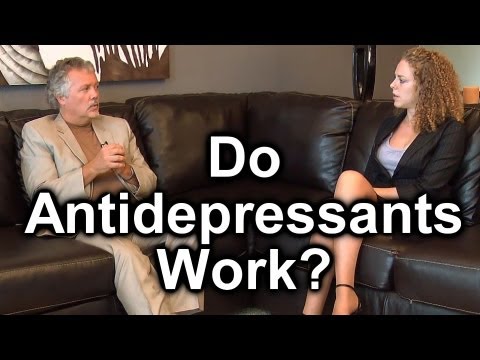
Do Antidepressants Cure Depression? Are Psych Drugs Safe? Dr. Colin Ross & Corrina Psychetruth
0
阿多賓 posted on 2014/01/16Ever wondered if antidepressants really work or if the placebo effect plays a bigger role? This interview dives deep into the effectiveness of SSRIs, potential side effects like sexual issues, and what happens during antidepressant withdrawal, giving you practical insights beyond just the drugs! You'll also pick up advanced vocabulary related to mental health and therapy, making it a fantastic way to boost your English knowledge and understanding.
Learn this video on the APP!
The VoiceTube App has more in-depth practice for videos!