serotonin
US /ˌserəˈtoʊnɪn/
・UK /ˌserəˈtəʊnɪn/
C2
n. (u.)Uncountable NounA neurotransmitter in the brain that helps regulate mood, sleep, appetite, and emotional well-being; often referred to as the "feel-good" hormone.
Exercise is known to boost serotonin levels, which can help improve your overall mood and reduce anxiety.
Video subtitles
The Real Reason We Do Stupid Things For Love
- These stages include: lust, which is driven by testosterone and estrogen; attraction, which is created by dopamine, serotonin, and norepinephrine; and attachment, which includes oxytocin and vasopressin.
These stages include: lust, which is driven by testosterone and estrogen; attraction, which is created by dopamine, serotonin, and norepinephrine; and attachment, which includes oxytocin and vasopressin.
- attraction, which is created by dopamine, serotonin, and
attraction, which is created by dopamine, serotonin, and
5 Foods That Naturally Decrease Cortisol, the Stress Hormone
- most of the serotonin in your body is in your gut, and having good bacteria in your gut can really improve mental health.
most of the serotonin in your body is in your gut, and having good bacteria in your gut can really improve mental health.
- But long story short, most of the serotonin in your body is in your gut,
But long story short, most of the serotonin in your body is in your gut,
Can your genes make you violent? | BBC Ideas

- It makes a molecule in your brain that breaks down a chemical called serotonin.
It makes a molecule in your brain that breaks down a chemical called serotonin.
- It makes a molecule in your brain that breaks down a chemical called serotonin.
It makes a molecule in your brain that breaks down a chemical called serotonin.
your brain, i guess
- Serotonin.
Serotonin.
- Serotonin, most strongly associated with chill vibes, meaning it also most commonly opens doors to let ions out to prevent neurons from firing.
Serotonin, most strongly associated with chill vibes, meaning it also most commonly opens doors to let ions out to prevent neurons from firing.
Your Brain On Obsessive Love
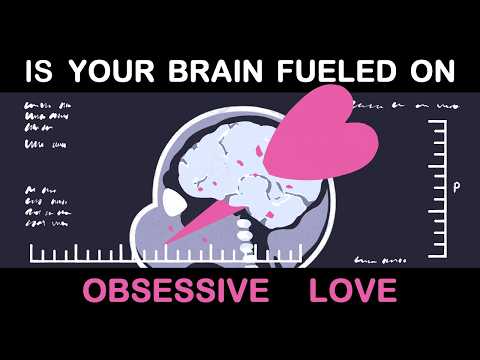
- Serotonin.
Serotonin.
- Serotonin, another feel-good hormone, also plays a role in your feelings.
Serotonin, another feel-good hormone, also plays a role in your feelings.
Signs of Obsessive Love

- Serotonin.
Serotonin.
- Serotonin, another feel-good hormone, also plays a role in your feelings.
Serotonin, another feel-good hormone, also plays a role in your feelings.
7 Surprising Benefits of Walking Meditation for Calming Your Mind
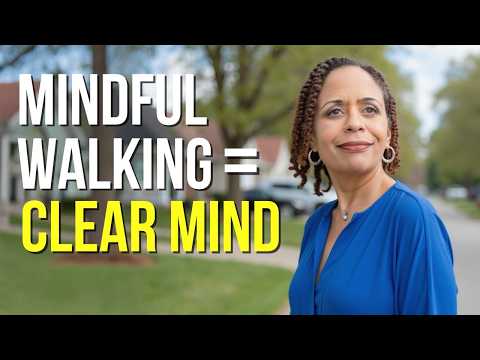
- Walking meditation provides a similar but more sustainable mood boost, and that's because rhythmic movement naturally increases serotonin and dopamine, which helps stabilize mood and promote a sense of well-being.
Walking meditation provides a similar but more sustainable mood boost, and that's because rhythmic movement naturally increases serotonin and dopamine, which helps stabilize mood and promote a sense of well-being.
- and that's because rhythmic movement naturally increases serotonin and dopamine, which help stabilize mood and promote a sense of well-being.
and that's because rhythmic movement naturally increases serotonin and dopamine, which help stabilize mood and promote a sense of well-being.
How Emotions Are Made: The Body Budgeting System
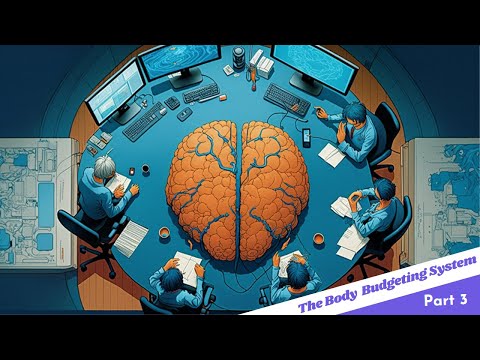
- Your brain is predicting something important about to happen, a need of yours that's about to be met, or in risk of being thwarted, and so it's giving the order to your body to squirt out different hormones, cortisol, adrenaline, blood sugar, serotonin, and the like, to get you ready for the action it deems appropriate.
Your brain is predicting something important about to happen, a need of yours that's about to be met, or in risk of being thwarted, and so it's giving the order to your body to squirt out different hormones, cortisol, adrenaline, blood sugar, serotonin, and the like, to get you ready for the action it deems appropriate.
- and so it's giving the order to your body to squirt out different hormones: cortisol, adrenaline, blood sugar, serotonin, and
and so it's giving the order to your body to squirt out different hormones: cortisol, adrenaline, blood sugar, serotonin, and
精神科医だけど「メンタルヘルス」について質問ある? | Tech Support | WIRED Japan
- So there's less serotonin, norepinephrine, and there's less acetylcholine.
So there's less serotonin, norepinephrine, and there's less acetylcholine.
- We think this has to do with a lack of neurotransmitters when you're depressed, so there's less serotonin, norepinephrine,
We think this has to do with a lack of neurotransmitters when you're depressed, so there's less serotonin, norepinephrine,
What ketamine is doing to Elon Musk’s brain

- Whereas more conventional antidepressants like serotonin reuptake inhibitors, those can take three to four months of use before you feel the relief.
Whereas more conventional antidepressants like serotonin reuptake inhibitors, those can take three to four months of use before you feel the relief.
- Whereas more conventional antidepressants like serotonin reuptake inhibitors, those can take three to four months of use before you feel the relief.
Whereas more conventional antidepressants like serotonin reuptake inhibitors, those can take three to four months of use before you feel the relief.