
accessibility
US /əkˌsesə'bɪlətɪ/
UK /əkˌsesə'bɪlətɪ/
- Uncountable Noun
- Quality of being able to be entered or used
- The quality of being easily understood.
B1Moreaffordability
US
UK
- Uncountable Noun
- Cheap enough to buy something you want
B1Moreafter all
US /ˈæftɚ ɔl/
UK /ˈɑ:ftə ɔ:l/
- Adverb
- In spite of what was expected; used to introduce a statement that supports a previous statement or explains why it was made
- Considering everything; used to indicate that something is happening or is true despite some difficulty or obstacle
- Phrase
- Despite what was expected or thought; in spite of everything.
- Taking everything into consideration; considering that.
B1Morealter
US /ˈɔltɚ/
UK /ˈɔ:ltə(r)/
- Transitive Verb
- To change so (clothing) fits better
- Verb (Transitive/Intransitive)
- To change or modify something.
- To become different; to change.
A2TOEICMoreanonymity
US /ˌænəˈnɪmɪti/
UK /ˌænəˈnɪməti/
- Uncountable Noun
- When no one knows your identity
B2Moreanticipation
US /ænˌtɪsəˈpeʃən/
UK /ænˌtɪsɪˈpeɪʃn/
- Uncountable Noun
- Pleasurable feeling about a future event
B1TOEICMoreanxiety
US /æŋˈzaɪɪti/
UK /æŋ'zaɪətɪ/
- Uncountable Noun
- A feeling of worry, nervousness, or unease about something that might happen, especially when the outcome is uncertain.
B1Morearousal
US /ə'raʊzl/
UK /ə'raʊzl/
- Noun
- Being woken up from sleep; sexual excitement
B2Moreas well as
US /æz wɛl æz/
UK /æz wel æz/
- Adverb
- Also; in addition to
- Preposition
- In addition to; and also.
A1Moreat the end of the day
US
UK
- Phrase
- Ultimately; when everything else is considered.
- After a day's work or activities.
A1Morebinge
US /bɪndʒ/
UK /bɪndʒ/
- Verb (Transitive/Intransitive)
- To eat or drink too much at one time
C1Morebreak from
US
UK
- Phrasal Verb
- To separate oneself from an association or way of life, typically due to disagreement or disillusionment.
A1Morecapacity
US /kəˈpæsɪti/
UK /kə'pæsətɪ/
- Noun (Countable/Uncountable)
- Ability to hold, involve or contain (e.g. liquids)
- Largest amount of something that can be produced
B1Morecingulate
US /'sɪŋgjəleɪt/
UK /'sɪŋgjəleɪt/
- Adjective
- An adjective of a girdlelike marking or structure, such as a band or ridge, on an animal.
- Relating to or resembling a girdle or encircling band.
- Noun
- cingulate cortex
- The cingulate gyrus, a band of cerebral cortex.
C2Morecommunity
US /kəˈmjunɪti/
UK /kə'mju:nətɪ/
- Noun (Countable/Uncountable)
- Group of people who share a common idea or area
- A feeling of fellowship with others, as a result of sharing common attitudes, interests, and goals.
- Adjective
- Relating to or shared by the people in a particular area.
- Shared or participated in by all members of a group
A2Moreconcept
US /ˈkɑnˌsɛpt/
UK /'kɒnsept/
- Noun (Countable/Uncountable)
- Abstract idea of something or how it works
- A plan or intention; a conception.
A2TOEICMoreconsumption
US /kənˈsʌmpʃən/
UK /kənˈsʌmpʃn/
- Noun (Countable/Uncountable)
- The act of buying and using products
- The act of using energy, food or materials; the amount used
B1Morecontent
US /ˈkɑnˌtɛnt/
UK /'kɒntent/
- Adjective
- Being happy or satisfied
- In a state of peaceful happiness.
- Noun (Countable/Uncountable)
- Information in something, e.g. book or computer
- The subject matter of a book, speech, etc.
A2Morecortex
US /ˈkɔrˌteks/
UK /'kɔ:teks/
- Noun (Countable/Uncountable)
- The outer part of an organ/structure, e.g. brain
- The outer layer of the cerebrum (the cerebral cortex), other organs, or a plant.
C1Moredeal with
US /dil wɪð/
UK /di:l wið/
- Verb (Transitive/Intransitive)
- To buy or sell goods or services.
- Phrasal Verb
- To take action to solve a problem or manage a situation.
- To be about; concern.
A1Moredebate
US / dɪˈbet/
UK /dɪ'beɪt/
- Noun (Countable/Uncountable)
- General public discussion of a topic
- A formal event where two sides discuss a topic
- Verb (Transitive/Intransitive)
- To consider options before making a decision
- To take part in a formal discussion
A2TOEICMoredecrease
US /dɪˈkris/
UK /dɪˈkri:s/
- Verb (Transitive/Intransitive)
- To reduce the size, amount or number of something
- Uncountable Noun
- Amount by which something has been reduced
B1TOEICMoredepression
US /dɪˈprɛʃən/
UK /dɪ'preʃn/
- Noun (Countable/Uncountable)
- Medical condition of a lack of vitality
- Period of unemployment and low economic activity
B2Moredial up
US
UK
- Phrase
- Verb (Transitive/Intransitive)
- To connect to a network or service using a modem and a telephone line.
B1Moredisgust
US /dɪsˈɡʌst/
UK /dɪs'ɡʌst/
- Uncountable Noun
- Strong feeling of dislike for something
- Something that causes a feeling of revulsion or strong disapproval.
- Transitive Verb
- To cause a strong negative reaction or feeling
B2Moredorsal
US /ˈdɔrsəl/
UK /'dɔ:sl/
- Adjective
- Of the back of an animal, plane, etc.
C2Moredue to
US /du tu/
UK /dju: tu:/
- Preposition
- Because of; owing to
- Adjective
- Attributable to; caused by.
A1Moreescalation
US /ˌeskə'leɪʃn/
UK /ˌeskə'leɪʃn/
- Noun (Countable/Uncountable)
- An increase in severity
B2Moreexternal
US /ɪkˈstɚnəl/
UK /eksˈtə:nl/
- Adjective
- Concerning foreign countries
- Concerning the outside of something; outer
A2Morefascinating
US /ˈfæsəˌnetɪŋ/
UK /ˈfæsɪneɪtɪŋ/
- Transitive Verb
- To attract or interest greatly
- To hold someone captive with a gaze or other means.
- Adjective
- Having your attention fixated as though by a spell
B1Morefor long
US
UK
- Phrase
- For a considerable period of time.
- For a significant duration in the future.
A1Morefor the most part
US
UK
- Phrase
- Generally; mostly; on the whole.
- Mostly; generally; in most cases.
A1Morefunction
US /ˈfʌŋkʃən/
UK /'fʌŋkʃn/
- Noun
- Social event, or party such as a wedding
- Mathematical operation used in calculations
- Intransitive Verb
- To serve a certain purpose or role
- To be operating, working or achieving its purpose
A2TOEICMoregoon
US /ɡun/
UK /gu:n/
- Noun
- Awkward stupid person; criminal associate
C1Morehave to
US /hæv tu/
UK /ˈhæv tə/
- Auxiliary Verb
- Must do
A1Morehold off
US /hold ɔf/
UK /həuld ɔf/
- Phrasal Verb
- To delay doing something; postpone.
- To prevent someone or something from attacking or affecting you.
C1Morehopelessness
US
UK
- Uncountable Noun
- Lack of desire for, or belief in success
B1Morein fact
US /ɪn fækt/
UK /in fækt/
- Adverb
- Used to emphasize the truth of a statement, especially one that contrasts with or contradicts something else.
- Used to introduce a more detailed or surprising piece of information.
- Phrase
- Used to emphasize the truth of a statement, especially one that is surprising or contrary to what might be expected.
C1Morein order to
US /ɪn ˈɔrdɚ tu/
UK /in ˈɔ:də tu:/
- Preposition
- For the purpose of; with the aim of.
- Phrase
- In a specific sequence or arrangement.
- With the aim of; for the purpose of.
C1Morein real life
US /ɪn ˈriəl laɪf/
UK /in riəl laif/
- Phrase
- In the physical world; not online or in a fictional setting.
- Actually; genuinely; not made up or fictional.
A2Morein the past
US
UK
- Phrase
- During a former period of time; previously.
A1Moreinstant
US /ˈɪnstənt/
UK /ˈɪnstənt/
- Adjective
- (Food) requiring very little preparation
- Occurring immediately
- Noun
- A very short period of time
A2TOEICMoreintercourse
US /ˈɪntɚˌkɔrs, -ˌkors/
UK /ˈintəkɔ:s/
- Uncountable Noun
- Communication between individuals
B2Moreinterfere
US /ˌɪntɚˈfɪr/
UK /ˌɪntə'fɪə(r)/
- Intransitive Verb
- To get involved in something not your business
- Transitive Verb
- To prevent a process or activity from continuing or being carried out properly.
B1TOEICMorelead to
US /lid tu/
UK /li:d tu:/
- Phrasal Verb
- To result in some action
- Verb (Transitive/Intransitive)
- To have something as a consequence or result.
A1Moreloneliness
US /ˈlonlɪnɪs/
UK /'ləʊnlɪnəs/
- Uncountable Noun
- State of feeling sad because you are alone
- A feeling of being isolated from others, even when surrounded by people.
B2Moreloop in
US /lup ɪn/
UK /lu:p ɪn/
- other
- To include someone in a conversation or communication.
B2Moremasturbate
US /ˈmæstɚˌbet/
UK /'mæstəbeɪt/
- Transitive Verb
- To emit semen by self-manipulation of the penis
C1Moremasturbation
US /ˌmæstɚˈbeʃən/
UK /ˌmæstə'beɪʃn/
- Uncountable Noun
- Stimulation of the genitals for sexual pleasure
C1Morenegative
US /ˈnɛɡətɪv/
UK /'neɡətɪv/
- Noun
- The opposite to a positive electrical charge
- In grammar, containing words such as 'no' or 'not'
- Adjective
- Being harmful, unwanted or unhelpful
- In mathematics, being less than zero
A2Moreniche
US /ni:ʃ/
UK /nɪtʃ/
- Noun
- Small part of a market representing an opportunity
- Area with all specific plant/animal needs to live
- Intransitive Verb
- To specialize in a particular market segment or area.
B2Moreon a regular basis
US //ɑn ə ˈrɛgjələr ˈbeɪsəs//
UK
- Phrase
- Happening frequently or at regular intervals.
B1Moreon end
US /ɑn ɛnd/
UK /ɔn end/
- Phrase
- Continuously; without stopping.
- In an upright position; standing vertically.
A1Moreorgasm
US /ˈɔrˌɡæzəm/
UK /ˈɔ:gæzəm/
- Noun
- Moment of most intense pleasure when having sex
B2Moreover time
US /ˈovɚ taɪm/
UK /ˈəuvə taim/
- Phrase
- Gradually; as time passes.
- During a long period.
- Adverb
- Gradually; as time passes.
B1Morepandemic
US /pænˈdɛmɪk/
UK /pæn'demɪk/
- Adjective
- (of a disease) existing in almost all of an area or in almost all of a group of people, animals, or plants
- Noun
- a pandemic disease
C2Moreplateau
US /plæˈto/
UK /'plætəʊ/
- Noun
- Flat land that is higher than the land around it
- Intransitive Verb
- To not increase or decrease; stay stable or stuck
B2Moreporn
US /pɔrn/
UK /pɔ:n/
- Uncountable Noun
- Short for pornography
B2Morepornography
US /pɔ:rˈnɑ:grəfi/
UK /pɔ:ˈnɒgrəfi/
- Uncountable Noun
- Pictures or stories that stimulate sexual desire
C1Morepremature
US /ˌpri:məˈtʃʊr/
UK /ˈpremətʃə(r)/
- Adjective
- Happening before the natural or desired time
B2TOEICMoreproblematic
US /ˌprɑbləˈmætɪk/
UK /ˌprɒbləˈmætɪk/
- Adjective
- Being difficult to deal with or fix
- Of a doubtful or uncertain nature.
B2Moreprovocative
US /prəˈvɑ:kətɪv/
UK /prəˈvɒkətɪv/
- Adjective
- Causing anger/sexual interest, e.g. deliberately
B2Moreresearch
US /rɪˈsɚtʃ, ˈriˌsɚtʃ/
UK /rɪ'sɜ:tʃ/
- Verb (Transitive/Intransitive)
- To study in order to discover new ideas and facts
- To study the market relating to marketing products and services.
- Noun (Countable/Uncountable)
- Study done to discover new ideas and facts
- A particular area or topic of study.
A2TOEICMorereward
US /rɪˈwɔrd/
UK /rɪ'wɔ:d/
- Transitive Verb
- To give something because of someone's good work
- To give someone money for helping the police
- Noun
- Money given for information about criminals
- Something given in recognition of service, effort, or achievement.
A2TOEICMoresearch for
US /sɚtʃ fɔr/
UK /sə:tʃ fɔ:/
- Phrasal Verb
- To try to find someone or something.
B1Moresession
US /ˈsɛʃən/
UK /ˈseʃn/
- Noun (Countable/Uncountable)
- Period of time used for a specific activity
- Series of meetings for e.g. a court, legislature
A2TOEICMoresignificantly
US /sɪɡˈnɪfəkəntlɪ/
UK /sɪgˈnɪfɪkəntli/
- Adverb
- In a way that is important or noticeable
- In a way that is meaningful
A2Moresocial value
US /ˈsoʃəl ˈvælju/
UK /ˈsəuʃəl ˈvælju/
- Noun (Countable/Uncountable)
- The worth or importance of something to society.
- A principle or belief that is considered important by a society.
B1Morespike
US /spaɪk/
UK /spaɪk/
- Noun
- The top point in a graph
- Long, thin metal rod that ends in a point
- Intransitive Verb
- To go up to a point on a graph
B2Moresuch as
US /sʌtʃ æz/
UK /sʌtʃ æz/
- Preposition
- For example; like
A1Moretab
US /tæb/
UK /tæb/
- Transitive Verb
- To press the tab key on a keyboard
- Noun
- Formatting space in a word processing document
- Keyboard key to format space in a document
C2Moretechnique
US /tɛkˈnik/
UK /tekˈni:k/
- Noun (Countable/Uncountable)
- Way of doing by using special knowledge or skill
- The skill or ability to do something well.
A2TOEICMoreupdate
US /ʌpˈdet/
UK /ˌʌpˈdeɪt/
- Noun (Countable/Uncountable)
- Addition of a current version of something
- New information or data to make more current
- Transitive Verb
- To download the latest version of software
- To make more current or modern
B1TOEICMoreurge
US /ɚdʒ/
UK /ɜ:dʒ/
- Noun (Countable/Uncountable)
- A strong desire for something
- Strong pressure on someone to do something
- Transitive Verb
- To drive something forward
- To ask or encourage someone to do something
A2More
Vocabulary
- in order to: For the purpose of; with the aim of.
- lead to: To result in some action
- have to: Must do
- such as: For example; like
- in real life: In the physical world; not online or in a fictional setting.
- on a regular basis: Happening frequently or at regular intervals.
- hold off: To delay doing something; postpone.
- after all: In spite of what was expected; used to introduce a statement that supports a previous statement or explains why it was made
- for long: For a considerable period of time.
- due to: Because of; owing to
- social value: The worth or importance of something to society.
- in fact: Used to emphasize the truth of a statement, especially one that contrasts with or contradicts something else.
- on end: Continuously; without stopping.
- over time: Gradually; as time passes.
- search for: To try to find someone or something.
- loop in: To include someone in a conversation or communication.
- as well as: Also; in addition to
- deal with
- dial up
- for the most part: Generally; mostly; on the whole.
- in the past: During a former period of time; previously.
- break from: To separate oneself from an association or way of life, typically due to disagreement or disillusionment.
- at the end of the day: Ultimately; when everything else is considered.
- anxiety: A feeling of worry, nervousness, or unease about something that might happen, especially when the outcome is uncertain.
- depression: Medical condition of a lack of vitality
- content: Being happy or satisfied
- pandemic: (of a disease) existing in almost all of an area or in almost all of a group of people, animals, or plants
- debate: General public discussion of a topic
- technique: Way of doing by using special knowledge or skill
- fascinating: To attract or interest greatly
- term: Conditions applying to an agreement, contract
- concept: Abstract idea of something or how it works
- experience: Thing a person has done or that happened to them
- negative: The opposite to a positive electrical charge
- urge: A strong desire for something
- capacity: Ability to hold, involve or contain (e.g. liquids)
- cortex: The outer part of an organ/structure, e.g. brain
- interfere: To get involved in something not your business
- binge: To eat or drink too much at one time
- community: Group of people who share a common idea or area
- consumption: The act of buying and using products
- amount: Quantity of something
- reward: To give something because of someone's good work
- instant: (Food) requiring very little preparation
- research: To study in order to discover new ideas and facts
- significantly: In a way that is important or noticeable
- increase: To make or become larger in size or amount
- arousal: Being woken up from sleep; sexual excitement
- spike: The top point in a graph
- function: Social event, or party such as a wedding
- brain: To strike someone forcefully on the head
- alter: To change so (clothing) fits better
- prefrontal: Anterior to a frontal structure
- state: Region within a country, with its own government
- premature: Happening before the natural or desired time
- plateau: Flat land that is higher than the land around it
- session: Period of time used for a specific activity
- external: Concerning foreign countries
- form: Sports team or person's current winning record
- create: To make, cause, or bring into existence
- reason: To think and make conclusions in a logical manner
- lead: Wire for electricity, computer, etc.; cable
- anticipation: Pleasurable feeling about a future event
- mood: Emotion or a state of mind; how you feel
- amygdala: Almond-shaped structure in the brain's anterior
- stage: To organize an event to gain public interest
- niche: Small part of a market representing an opportunity
- decrease: To reduce the size, amount or number of something
- order: Religious or social group, as of nuns
- problematic: Being difficult to deal with or fix
- intercourse: Communication between individuals
- provocative: Causing anger/sexual interest, e.g. deliberately
- pornography: Pictures or stories that stimulate sexual desire
- loneliness: State of feeling sad because you are alone
- anonymity: When no one knows your identity
- orgasm: Moment of most intense pleasure when having sex
- porn: Short for pornography
- disgust: Strong feeling of dislike for something
- escalation: An increase in severity
- dorsal: Of the back of an animal, plane, etc.
- update: Addition of a current version of something
- tab: To press the tab key on a keyboard
- masturbation: Stimulation of the genitals for sexual pleasure
- masturbate: To emit semen by self-manipulation of the penis
- cingulate: An adjective of a girdlelike marking or structure, such as a band or ridge, on an animal.
- accessibility: Quality of being able to be entered or used
- hopelessness: Lack of desire for, or belief in success
- affordability: Cheap enough to buy something you want
- goon: Awkward stupid person; criminal associate
Get the full experience in the app
Learn anywhere with detailed sentence and usage analysis
01:03
She took a brave step forward, leaving behind her comfort zone to chase her dreams.
Vocabulary
- brave
adj. Having courage
- comfort zone
phr. A familiar situation where one feels safe
Explanation
a brave step is a noun phrase, where brave is an adjective modifying the noun step, meaning "a courageous step".
forward is an adverb modifying step, meaning "ahead".
The whole phrase serves as the object, answering the "what" of took (verb) — she took a brave step forward.
Get the full experience in the app
Look up words anytime with pronunciation, part of speech, and usage
brave
US/brev/
UK/breɪv/
adj.Brave
v.t.To bravely face
A2 Elementary
Get the full experience in the app
Practice speaking anytime and get instant pronunciation feedback
Try this speaking exercise.
Try practicing with this sentence.
80
What if you never stopped masturbating?
0
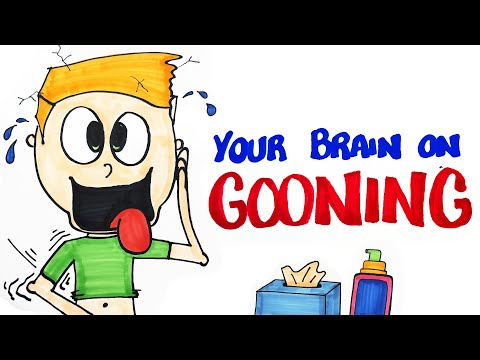
林宜悉 posted on 2025/12/05Ever wondered about the science behind intense sexual behaviors like 'gooning'? This video dives deep into the neuroscience, explaining fMRI findings on brain activity and the impact on decision-making and social judgment. You'll pick up advanced vocabulary related to behavioral addiction and sexual desensitization, making it a fascinating and linguistically rich watch!
Learn this video on the APP!
The VoiceTube App has more in-depth practice for videos!