arousal
US /ə'raʊzl/
・UK /ə'raʊzl/
B2
n.NounBeing woken up from sleep; sexual excitement
The scientist was conducting a study of the human brain to see which images would cause a state of excitement or arousal
Video subtitles
POV: You Stop Letting Emotions Control You
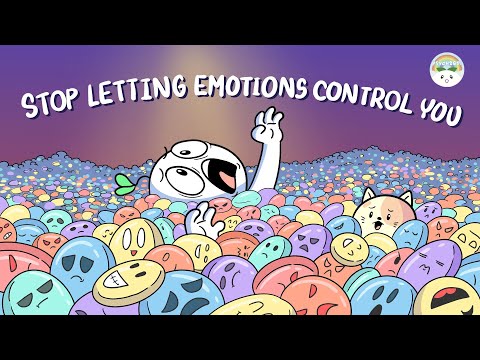
- You might be in hyper-arousal, panic, anger.
You might be in hyper-arousal, panic, anger.
- That's hypo-arousal, shutdown, freeze.
That's hypo-arousal, shutdown, freeze.
「質の良い睡眠」って何?5段階のレベルで説明 | 5 Levels | WIRED Japan

- So it seems like it's this flip-flop between kind of the arousal system and then the sleep-promoting system.
So it seems like it's this flip-flop between kind of the arousal system and then the sleep-promoting system.
- In some ways, you know, getting back to this idea of this wake-sleep system, you know, we have this sleep system that is kind of the counterpoint to this wake-arousal system.
In some ways, you know, getting back to this idea of this wake-sleep system, you know, we have this sleep system that is kind of the counterpoint to this wake-arousal system.
6 Weird Things Others May Find Attractive About You

- This may be due to the misattribution of arousal.
This may be due to the misattribution of arousal.
- This may be due to the misattribution of arousal.
This may be due to the misattribution of arousal.
Feeling All the Feels: Crash Course Psychology #25
- a stimulus of some kind. Emotions involve physiological arousal, expressive behaviors
a stimulus of some kind. Emotions involve physiological arousal, expressive behaviors
- Emotions involve physiological arousal, expressive behaviors, and conscious experience.
Emotions involve physiological arousal, expressive behaviors, and conscious experience.
Experts from 4 different fields define consciousness
- From a medical point of view, consciousness is defined as awareness of self and others and arousal.
From a medical point of view, consciousness is defined as awareness of self and others and arousal.
- From a medical point of view, consciousness is defined as awareness of self and others and arousal.
From a medical point of view, consciousness is defined as awareness of self and others and arousal.
The Male G-Spot
- In general, it's considered an erogenous area of the vagina that, when stimulated, can lead to very strong sexual arousal, powerful orgasms, and even potentially female ejaculation.
In general, it's considered an erogenous area of the vagina that, when stimulated, can lead to very strong sexual arousal, powerful orgasms, and even potentially female ejaculation.
- In general, it's considered an erogenous area of the vagina that, when stimulated, can lead to very strong sexual arousal, powerful orgasms, and
In general, it's considered an erogenous area of the vagina that, when stimulated, can lead to very strong sexual arousal, powerful orgasms, and
10 Subtle Signs Someone Feels Attracted To You
- Eye pupils and dilation are linked with arousal.
Eye pupils and dilation are linked with arousal.
- 8. Eye pupils and dilation are linked with arousal.
8. Eye pupils and dilation are linked with arousal.
Tips for Managing School Stress - ft. Study With Jess

- The inverted U model, or Yerkes-Dodson law, shows the relationship between stress, or arousal, and performance.
The inverted U model, or Yerkes-Dodson law, shows the relationship between stress, or arousal, and performance.
- between stress or arousal and performance.
between stress or arousal and performance.
Why Does My Brain Sleep?

- And it turns out that if you look at people's physiology and their alertness physiology, in the afternoon, it's right around this time now, there is a physiologically measurable dip in your arousal.
And it turns out that if you look at people's physiology and their alertness physiology, in the afternoon, it's right around this time now, there is a physiologically measurable dip in your arousal.
- And it turns out that if you look at people's physiology and their alertness physiology, in the afternoon, it's right around this time now, there is a physiologically measurable dip in your arousal.
And it turns out that if you look at people's physiology and their alertness physiology, in the afternoon, it's right around this time now, there is a physiologically measurable dip in your arousal.
How to start a conversation: 5 things to say after "hello"

- It causes arousal.
It causes arousal.
- Arousal is when you want to get up and move your body, you want to do something, you're aroused.
Arousal is when you want to get up and move your body, you want to do something, you're aroused.