cortex
US /ˈkɔrˌteks/
・UK /'kɔ:teks/
C1
n. (c./u.)Noun (Countable/Uncountable)The outer part of an organ/structure, e.g. brain
The cortex protects the rest of the brain
n. (c./u.)Noun (Countable/Uncountable)The outer layer of the cerebrum (the cerebral cortex), other organs, or a plant.
The cerebral cortex is the outer layer of the brain responsible for higher cognitive functions.
n. (c./u.)Noun (Countable/Uncountable)The outer layer of tissue immediately below the epidermis of a stem or root.
The cortex of the plant stem provides support and protection.
n. (c./u.)Noun (Countable/Uncountable)The outer layer of an organ, such as the adrenal gland or kidney.
The adrenal cortex produces important hormones.
Video subtitles
Impulse Buying: Why You Buy Stuff You Don't Need

- Meanwhile, a third region, the mesial prefrontal cortex, also plays a role.
Meanwhile, a third region, the mesial prefrontal cortex, also plays a role.
- Meanwhile, a third region, the mesial prefrontal cortex, also plays a role.
Meanwhile, a third region, the mesial prefrontal cortex, also plays a role.
The Real Reason We Do Stupid Things For Love
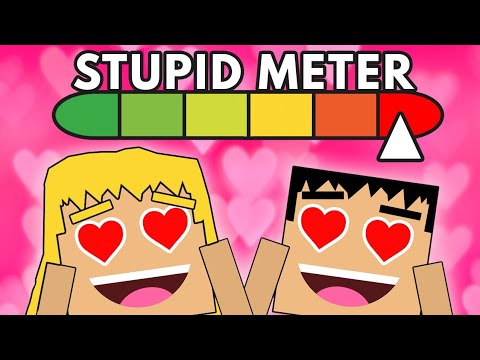
- This is the frontal cortex.
This is the frontal cortex.
- They also found deactivation in the amygdala, which regulates fear, and areas involved in negative emotions, including the frontal cortex, parietal cortex, and parts of the temporal lobe.
They also found deactivation in the amygdala, which regulates fear, and areas involved in negative emotions, including the frontal cortex, parietal cortex, and parts of the temporal lobe.
Should You Trust Your Gut Instinct?

- no activation of the cortex in expert Shogi players, the part of the brain responsible
no activation of the cortex in expert Shogi players, the part of the brain responsible
- With no time for conscious analysis, brain scans showed no activation of the cortex in expert shogi players, the part of the brain responsible for conscious thought.
With no time for conscious analysis, brain scans showed no activation of the cortex in expert shogi players, the part of the brain responsible for conscious thought.
The Neuroscience of Breath: How to Use Breathing to Control Emotions

- Controlled breathing increases oxygen delivery to your prefrontal cortex.
Controlled breathing increases oxygen delivery to your prefrontal cortex.
- Controlled breathing increases oxygen delivery to your prefrontal cortex.
Controlled breathing increases oxygen delivery to your prefrontal cortex.
Neuroplasticity Explained: How to Rewire Your Brain for Mental Strength

- And then the prefrontal cortex, which is responsible for higher order thinking and decision-making.
And then the prefrontal cortex, which is responsible for higher order thinking and decision-making.
- And then the prefrontal cortex, which is responsible for higher-order thinking and decision-making.
And then the prefrontal cortex, which is responsible for higher-order thinking and decision-making.
What Your Brain Is Really Doing When Doing 'Nothing' : The Default Mode Network
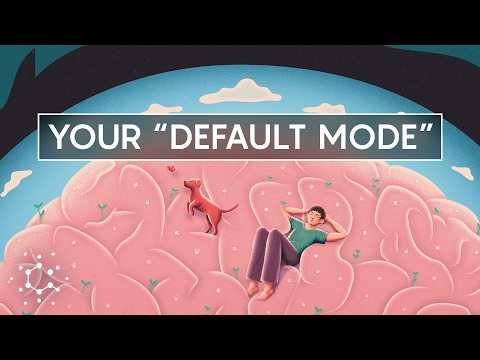
- These inactive regions, including the medial prefrontal cortices, posterior cingulate cortex, and the angular gyrus, were already known to researchers, and commonly associated with things like emotion, language, and memory.
These inactive regions, including the medial prefrontal cortices, posterior cingulate cortex, and the angular gyrus, were already known to researchers, and commonly associated with things like emotion, language, and memory.
- These inactive regions, including the medial prefrontal cortices, posterior cingulate cortex, and
These inactive regions, including the medial prefrontal cortices, posterior cingulate cortex, and
3 doctors explain how to reframe your trauma, anxiety, and internal dialogue
- And the brain area that could help that calming in that situation is the prefrontal cortex, the area that's involved in executive function.
And the brain area that could help that calming in that situation is the prefrontal cortex, the area that's involved in executive function.
- And the brain area that can help that calming in that situation is the prefrontal cortex, the area that's involved in executive function.
And the brain area that can help that calming in that situation is the prefrontal cortex, the area that's involved in executive function.
How sleep affects your emotions | Sleeping with Science, a TED series

- This brain region is called the prefrontal cortex, and it sits directly above your eyes.
This brain region is called the prefrontal cortex, and it sits directly above your eyes.
- And you can think of the prefrontal cortex almost like the CEO of your brain.
And you can think of the prefrontal cortex almost like the CEO of your brain.
7 Surprising Benefits of Walking Meditation for Calming Your Mind

- Walking meditation activates different parts of your brain compared to seated meditation because it engages your prefrontal cortex, the area responsible for focus, decision-making, and emotional regulation.
Walking meditation activates different parts of your brain compared to seated meditation because it engages your prefrontal cortex, the area responsible for focus, decision-making, and emotional regulation.
- Walking meditation activates different parts of your brain compared to seated meditation because it engages your prefrontal cortex, the area responsible for focus, decision-making, and
Walking meditation activates different parts of your brain compared to seated meditation because it engages your prefrontal cortex, the area responsible for focus, decision-making, and
Will This Trick Your Ears? (Audio Illusions)

- As they were listening to the silence and expecting to hear something, the auditory cortex was activated in the same way as when you're actually listening to sound.
As they were listening to the silence and expecting to hear something, the auditory cortex was activated in the same way as when you're actually listening to sound.
- as they were listening to the silence and expecting to hear something, the auditory cortex was activated in the same way as when you were actually listening to sound.
as they were listening to the silence and expecting to hear something, the auditory cortex was activated in the same way as when you were actually listening to sound.