cingulate
US /'sɪŋgjəleɪt/
・UK /'sɪŋgjəleɪt/
C2
adj.AdjectiveAn adjective of a girdlelike marking or structure, such as a band or ridge, on an animal.
Cingulate is the adjective of a girdlelike marking or structure, such as a band or ridge, on an animal.
n.Nouncingulate cortex
cingulate cortex
adj.AdjectiveRelating to or resembling a girdle or encircling band.
The cingulate gyrus is a part of the brain.
n.NounThe cingulate gyrus, a band of cerebral cortex.
The cingulate plays a role in emotional processing.
Video subtitles
What Your Brain Is Really Doing When Doing 'Nothing' : The Default Mode Network
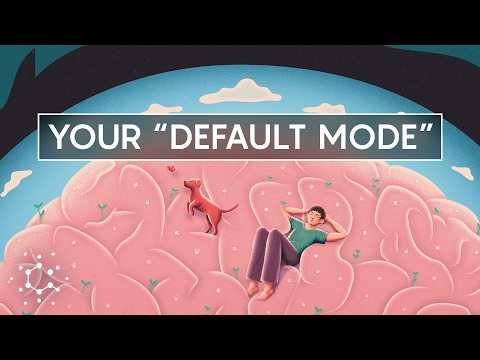
- These inactive regions, including the medial prefrontal cortices, posterior cingulate cortex, and the angular gyrus, were already known to researchers, and commonly associated with things like emotion, language, and memory.
These inactive regions, including the medial prefrontal cortices, posterior cingulate cortex, and the angular gyrus, were already known to researchers, and commonly associated with things like emotion, language, and memory.
- These inactive regions, including the medial prefrontal cortices, posterior cingulate cortex, and
These inactive regions, including the medial prefrontal cortices, posterior cingulate cortex, and
7 Common Things People with Trauma Do

- They state that changes to the amygdala, hippocampus, and anterior cingulate cortex can impact your memory and emotional reactions.
They state that changes to the amygdala, hippocampus, and anterior cingulate cortex can impact your memory and emotional reactions.
- anterior cingulate cortex can impact your memory and emotional reactions.
anterior cingulate cortex can impact your memory and emotional reactions.
Best Exercises for Brain Health, Performance & Motivation | Dr. Andrew Huberman

- And that brain area is the anterior mid-cingulate cortex.
And that brain area is the anterior mid-cingulate cortex.
- The anterior mid-cingulate cortex, very briefly is a brain area that is powerfully engaged when we lean into challenges, including physical challenges, but also mental challenges, emotional challenges.
The anterior mid-cingulate cortex, very briefly is a brain area that is powerfully engaged when we lean into challenges, including physical challenges, but also mental challenges, emotional challenges.
This magnet can invert your brain, and it’s saving lives
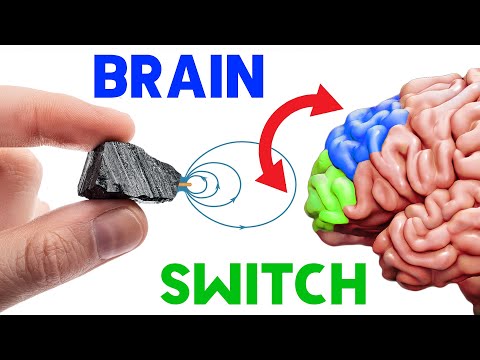
- In the brains of people having a depressive episode, the subgenual anterior cingulate is overactive, and another region known as the left dorsolateral prefrontal cortex, it is down regulated or has lower activity in people who are depressed.
In the brains of people having a depressive episode, the subgenual anterior cingulate is overactive, and another region known as the left dorsolateral prefrontal cortex, it is down regulated or has lower activity in people who are depressed.
- In the brains of people having a depressive episode, the subgenual anterior cingulate is overactive.
In the brains of people having a depressive episode, the subgenual anterior cingulate is overactive.
Why Are We OBSESSED With Collecting Stuff?

- The anterior cingulate cortex, which helps us let go of things, can be weakened over time if the reward system part of your brain is overactive.
The anterior cingulate cortex, which helps us let go of things, can be weakened over time if the reward system part of your brain is overactive.
- The anterior cingulate cortex, which helps us let go of things, can be weakened over time if the reward system part of your brain is overactive.
The anterior cingulate cortex, which helps us let go of things, can be weakened over time if the reward system part of your brain is overactive.
Liberals vs Conservatives - Which Brain is Better?

- it turns out that liberals are more likely to have a larger anterior cingulate cortex
it turns out that liberals are more likely to have a larger anterior cingulate cortex
- When put through MRI brain scans, it turns out that liberals are more likely to have a larger anterior cingulate cortex, which is associated with understanding and monitoring conflict, while conservatives have a larger right amygdala, which helps process fear and anxiety.
When put through MRI brain scans, it turns out that liberals are more likely to have a larger anterior cingulate cortex, which is associated with understanding and monitoring conflict, while conservatives have a larger right amygdala, which helps process fear and anxiety.
What if you never stopped masturbating?
- This is due to greater dorsal cingulate activation happening while watching porn for long periods of time.
This is due to greater dorsal cingulate activation happening while watching porn for long periods of time.
- This is due to greater dorsal cingulate activation happening while watching porn for long periods of time.
This is due to greater dorsal cingulate activation happening while watching porn for long periods of time.
A simple way to break a bad habit Judson Brewer Ted Talks 2016

- Now, one current hypothesis is that a region of this network called the posterior cingulate cortex is activated not necessarily by craving itself, but
Now, one current hypothesis is that a region of this network called the posterior cingulate cortex is activated not necessarily by craving itself, but
- region of this network called the posterior cingulate cortex is activated
region of this network called the posterior cingulate cortex is activated
Benefits Of Meditation - TOP 6 BENEFITS

- the posterior cingulate, which is involved in your ability to control where your mind wanders;
the posterior cingulate, which is involved in your ability to control where your mind wanders;
- posterior cingulate, which is involved in
posterior cingulate, which is involved in
Mindfulness, the Mind, and Addictive Behavior - Judson Brewer

- And I'm going to highlight a particular, uh, part of the brain called the posterior cingulate, which you can see here in the back of the brain, which turns out, when you look at all the data, there are a bunch of different things that will activate the posterior cingulate: when we're thinking about ourselves, when we're mind-wandering, when we're, uh, thinking about the past and future, judging things, when we're thinking about ourselves in social situations, liking choices that we've made, when it's involved in prevention goals, immoral behavior.
And I'm going to highlight a particular, uh, part of the brain called the posterior cingulate, which you can see here in the back of the brain, which turns out, when you look at all the data, there are a bunch of different things that will activate the posterior cingulate: when we're thinking about ourselves, when we're mind-wandering, when we're, uh, thinking about the past and future, judging things, when we're thinking about ourselves in social situations, liking choices that we've made, when it's involved in prevention goals, immoral behavior.
- the brain called the posterior cingulate,
the brain called the posterior cingulate,