
ability
US /əˈbɪlɪti/
UK /ə'bɪlətɪ/
- Noun (Countable/Uncountable)
- The power, resources or skill to do something
- A particular skill or talent.
A2TOEICMoreacidic
US /əˈsɪdɪk/
UK /əˈsɪdɪk/
- Adjective
- Containing acid
B1Moreadminister
US /ædˈmɪnɪstɚ/
UK /əd'mɪnɪstə(r)/
- Transitive Verb
- To give e.g. medicine to a patient
- To manage or have responsibility for something
B2TOEICMorealkaline
US /ˈælkəlɪn, -ˌlaɪn/
UK /ˈælkəlaɪn/
- Adjective
- Containing or behaving like an alkali
C1Morealso known as
US
UK
- Phrase
- Also called; alternatively named.
- Identified by another term; synonymous with.
A1Morealter
US /ˈɔltɚ/
UK /ˈɔ:ltə(r)/
- Transitive Verb
- To change so (clothing) fits better
- Verb (Transitive/Intransitive)
- To change or modify something.
- To become different; to change.
A2TOEICMoreanecdotal
US /ˌænɪkˈdoʊtl/
UK /ˌænɪkˈdəʊtl/
- Adjective
- Relying on stories, experiences, rather than fact
B2Moreat home
US /æt hom/
UK /æt həum/
- Phrase
- In one's own residence or country.
- Adjective
- Feeling comfortable and relaxed.
attribute
US /əˈtrɪbjut/
UK /əˈtrɪbju:t/
- Transitive Verb
- (Of books, art, music) to say it was composed by
- Noun (Countable/Uncountable)
- Characteristic something has, e.g. size or color
B1TOEICMoreauditory
US /ˈɔ:dətɔ:ri/
UK /ˈɔ:dətri/
- Adjective
- Of the process of hearing
B2Morebarrier
US /ˈbæriɚ/
UK /'bærɪə(r)/
- Noun
- Difficult situation preventing something happening
- Structure or object that stops free movement
B1TOEICMorebaseline
US /ˈbeɪslaɪn/
UK /ˈbeɪslaɪn/
- Noun
- Imaginary standard by which things are compared
C1Morebiologically
US
UK
- Adverb
- As regards life and living things
B1Moreboom
US /bum/
UK /bu:m/
- Noun (Countable/Uncountable)
- Very fast increase in growth or popularity
- A very loud and deep sound
- Intransitive Verb
- To experience a rapid increase in growth
- To make a very loud and deep sound
B1Morebum
US /bʌm/
UK /bʌm/
- Noun
- (Slang) the part of the body on which you sit
B2Morecellular
US /ˈsɛljəlɚ/
UK /'seljələ(r)/
- Adjective
- Concerning a cell of a living thing
- (Of radio signals) functioning without wires
B2Morecognitive
US /ˈkɑɡnɪtɪv/
UK /ˈkɒgnətɪv/
- Adjective
- The process of knowing and remembering
- Relating to the ability to think and reason.
C1Morecommunity
US /kəˈmjunɪti/
UK /kə'mju:nətɪ/
- Noun (Countable/Uncountable)
- Group of people who share a common idea or area
- A feeling of fellowship with others, as a result of sharing common attitudes, interests, and goals.
- Adjective
- Relating to or shared by the people in a particular area.
- Shared or participated in by all members of a group
A2Morecompound
US /kɑmˈpaUnd/
UK /'kɒmpaʊnd/
- Noun (Countable/Uncountable)
- Series of buildings that are walled or fenced off
- Chemical made up of several others
- Transitive Verb
- To pay interest on a loan including the interest
- To make something from various parts or components
B1Moreconsciousness
US /ˈkɑnʃəsnɪs/
UK /'kɒnʃəsnəs/
- Uncountable Noun
- Process by which thoughts, ideas are processed
- A person's awareness or perception of something.
A2Moredeficit
US /ˈdɛfɪsɪt/
UK /ˈdefɪsɪt/
- Noun (Countable/Uncountable)
- Amount less than what is needed or required
- The amount by which expenditure or liabilities exceed income or assets.
B1Moredepression
US /dɪˈprɛʃən/
UK /dɪ'preʃn/
- Noun (Countable/Uncountable)
- Medical condition of a lack of vitality
- Period of unemployment and low economic activity
B2Moredepressive
US /dɪˈprɛsɪv/
UK /dɪˈpresɪv/
- Adjective
- Suffering a psychological lack of happiness
B2Moredisappointing
US /ˌdɪsəˈpɔɪntɪŋ/
UK /ˌdɪsəˈpɔɪntɪŋ/
- Verb (Transitive/Intransitive)
- To not meet the expectations of others or yourself
- Adjective
- Feeling you did not meet expectations
- Causing someone to feel unhappy because something did not happen or was not as good as expected.
B1Moredisorder
US /dɪsˈɔrdɚ/
UK /dɪs'ɔ:də(r)/
- Uncountable Noun
- State of confusion or a lack of organization
- Illness when the body is not functioning well
- Transitive Verb
- To disrupt the order or arrangement of something.
B2Moredose
US /doʊs/
UK /dəʊs/
- Noun (Countable/Uncountable)
- An amount of medicine to be taken at any one time
- Transitive Verb
- To give a certain amount of something to someone
B1Moreenhance
US /ɛnˈhæns/
UK /ɪn'hɑ:ns/
- Transitive Verb
- To improve; make bigger or better
B1TOEICMoreessentially
US /ɪˈsenʃəli/
UK /ɪˈsenʃəli/
- Adverb
- Basically; (said when stating the basic facts)
- Used to emphasize the basic truth or fact of a situation.
A2Moreexpectation
US /ˌɛkspɛkˈteʃən/
UK /ˌekspekˈteɪʃn/
- Noun (Countable/Uncountable)
- Belief or hope that something is going to happen
- A belief that someone should behave in a particular way.
A2TOEICMoregenerate
US /ˈdʒɛnəˌret/
UK /ˈdʒenəreɪt/
- Transitive Verb
- To create or be produced or bring into existence
- To create electricity, heat, energy and power
A2TOEICMoreheighten
US /ˈhaɪtn/
UK /'haɪtn/
- Transitive Verb
- To increase the degree or intensity of something
B1Moreinflammatory
US /ɪnˈflæməˌtɔri, -ˌtori/
UK /ɪnˈflæmətri/
- Adjective
- Making or intended to make someone angry
B2TOEICMoreingest
US /ɪn'dʒest/
UK /ɪnˈdʒest/
- Transitive Verb
- To eat, drink, or swallow something
C1TOEICMoreingredient
US /ɪnˈɡridiənt/
UK /ɪnˈgri:diənt/
- Noun (Countable/Uncountable)
- Food item used when making a meal or drink
- Quality necessary to be something to work well
B1TOEICMoreinstead of
US /ɪnˈstɛd ʌv/
UK /inˈsted ɔv/
- Preposition
- When one thing is replaced by another
- Adverb
- As a substitute or alternative.
A1Moreintestine
US /ɪnˈtɛstɪn/
UK /ɪnˈtestɪn/
- Noun (Countable/Uncountable)
- Long tube in the body for digesting food
B1Moreinvolve
US /ɪnˈvɑlv/
UK /ɪn'vɒlv/
- Transitive Verb
- To have or be included as a part of something
- To cause (a person or group) to take part in an event or activity.
A2TOEICMorekidney
US /ˈkɪdni/
UK /'kɪdnɪ/
- Noun (Countable/Uncountable)
- Body organ that cleans blood, producing urine
- An animal kidney used as food.
- Adjective
- Relating to the kidneys.
- Having the shape of a kidney; bean-shaped.
B2Morelead to
US /lid tu/
UK /li:d tu:/
- Phrasal Verb
- To result in some action
- Verb (Transitive/Intransitive)
- To have something as a consequence or result.
A1Morelike magic
US /laɪk ˈmædʒɪk/
UK /laɪk ˈmædʒɪk/
- other
- In a way that is surprisingly easy or sudden.
A2Moremitigate
US /ˈmɪtˌɪɡet/
UK /'mɪtɪɡeɪt/
- Transitive Verb
- To make less severe or serious
B2TOEICMoreneurological
US /ˌnjʊrəˈlɑdʒɪkəl/
UK /ˌnjʊərəˈlɒdʒɪkl/
- Adjective
- Concerning, used in or practicing neurology
B2Moreperceive
US /pɚˈsiv/
UK /pə'si:v/
- Transitive Verb
- To notice or become aware of something
- To think of someone or something in a certain way
B1TOEICMorephysiological
US /ˌfɪziəˈlɑdʒɪkəl/
UK /ˌfɪzɪə'lɒdʒɪkl/
- Adjective
- Of or relating to functions of the body
- Consistent with the normal functioning of an organism.
B1Moreplacebo
US /pləˈsibo/
UK /plə'si:bəʊ/
- Noun
- Harmless pill for comparison in trial of new drug
B2Morepositive
US /ˈpɑzɪtɪv/
UK /ˈpɒzətɪv/
- Adjective
- Showing agreement or support for something
- Being sure about something; knowing the truth
- Noun
- A photograph in which light areas are light and dark areas are dark
A2Moreprevent
US /prɪˈvɛnt/
UK /prɪ'vent/
- Transitive Verb
- To stop something from happening or existing
A2TOEICMorepsychedelic
US /ˌsaɪkɪˈdɛlɪk/
UK /ˌsaɪkəˈdelɪk/
- Adjective
- Having very bright contrasting colors and shapes
- Relating to or denoting drugs that produce hallucinations and apparent expansion of consciousness.
C2Morepsychological
US /ˌsaɪkəˈlɑdʒɪkəl/
UK /ˌsaɪkəˈlɒdʒɪkl/
- Adjective
- Concerning the study of the mind
- Relating to or involving the use of propaganda, threats, or other psychological techniques to subdue an opponent.
A2Morerecreational
US /ˌrɛkriˈeʃənəl/
UK /ˌrekriˈeɪʃənl/
- Adjective
- Being done for pleasure
- Relating to the use of drugs for pleasure rather than for medical purposes.
B2Moreresearch
US /rɪˈsɚtʃ, ˈriˌsɚtʃ/
UK /rɪ'sɜ:tʃ/
- Verb (Transitive/Intransitive)
- To study in order to discover new ideas and facts
- To study the market relating to marketing products and services.
- Noun (Countable/Uncountable)
- Study done to discover new ideas and facts
- A particular area or topic of study.
A2TOEICMorescientific
US /ˌsaɪənˈtɪfɪk/
UK /ˌsaɪənˈtɪfɪk/
- Adjective
- Concerning academic study of the physical world
- Systematic and precise, following a methodology.
- Noun
- Relating to or used in science.
A2Morescrutiny
US /ˈskrutni/
UK /'skru:tənɪ/
- Uncountable Noun
- Careful examination, as to see rules are followed
C1Moreserotonin
US /ˌserəˈtoʊnɪn/
UK /ˌserəˈtəʊnɪn/
- Uncountable Noun
- A neurotransmitter in the brain that helps regulate mood, sleep, appetite, and emotional well-being; often referred to as the "feel-good" hormone.
C2Moresignificant
US /sɪɡˈnɪfɪkənt/
UK /sɪgˈnɪfɪkənt/
- Adjective
- Large enough to be noticed or have an effect
- Having meaning; important; noticeable
A2TOEICMorestand up to
US /stænd ʌp tu/
UK /stænd ʌp tu:/
- Phrasal Verb
- To resist or fight someone who is being aggressive
A1Morestimulus
US /ˈstɪmjələs/
UK /ˈstɪmjələs/
- Noun
- Something that causes a change
B2Moretechnically
US /ˈtɛknɪkl:ɪ/
UK /ˈteknɪkli/
- Adverb
- In an exact and particular manner
- With technical skill or expertise.
A2Morework in
US /wɚk ɪn/
UK /wə:k in/
- Phrasal Verb
- To make an opening for something in your schedule
- To fit person/thing into a schedule or sequence
A1More
Vocabulary
- like magic: In a way that is surprisingly easy or sudden.
- work in: To make an opening for something in your schedule
- also known as: Also called; alternatively named.
- instead of: When one thing is replaced by another
- stand up to: To resist or fight someone who is being aggressive
- lead to: To result in some action
- at home: In one's own residence or country.
- cognitive: The process of knowing and remembering
- essentially: Basically; (said when stating the basic facts)
- perceive: To notice or become aware of something
- significant: Large enough to be noticed or have an effect
- depression: Medical condition of a lack of vitality
- ingredient: Food item used when making a meal or drink
- experience: Thing a person has done or that happened to them
- positive: Showing agreement or support for something
- disorder: State of confusion or a lack of organization
- psychological: Concerning the study of the mind
- community: Group of people who share a common idea or area
- barrier: Difficult situation preventing something happening
- research: To study in order to discover new ideas and facts
- ability: The power, resources or skill to do something
- increase: To make or become larger in size or amount
- compound: Series of buildings that are walled or fenced off
- prevent: To stop something from happening or existing
- industry: Hard work; being busy working
- brain: To strike someone forcefully on the head
- intestine: Long tube in the body for digesting food
- alter: To change so (clothing) fits better
- consciousness: Process by which thoughts, ideas are processed
- inflammatory: Making or intended to make someone angry
- generate: To create or be produced or bring into existence
- complete: To finish or reach the end of doing something
- involve: To have or be included as a part of something
- serotonin: A neurotransmitter in the brain that helps regulate mood, sleep, appetite, and emotional well-being; often referred to as the "feel-good" hormone.
- scientific: Concerning academic study of the physical world
- deficit: Amount less than what is needed or required
- scrutiny: Careful examination, as to see rules are followed
- expectation: Belief or hope that something is going to happen
- technically: In an exact and particular manner
- neurological: Concerning, used in or practicing neurology
- attribute: (Of books, art, music) to say it was composed by
- mood: Emotion or a state of mind; how you feel
- kidney: Body organ that cleans blood, producing urine
- enhance: To improve; make bigger or better
- ingest: To eat, drink, or swallow something
- mindfulness: Paying attention to your responsibilities
- mitigate: To make less severe or serious
- neurotransmitter: Chemical released by nerves that boost signals within the body
- activity: An action or task, e.g. sports, washing clothes
- placebo: Harmless pill for comparison in trial of new drug
- physiological: Of or relating to functions of the body
- control: A device designed to operate a machine
- fact: Something that is known or proved to be true
- auditory: Of the process of hearing
- stimulus: Something that causes a change
- information: Collection of facts and details about something
- dose: An amount of medicine to be taken at any one time
- active: Moving around a lot or doing many things
- boom: Very fast increase in growth or popularity
- recreational: Being done for pleasure
- cellular: Concerning a cell of a living thing
- real: Actually existing or happening, not imagined
- administer: To give e.g. medicine to a patient
- acidic: Containing acid
- group: Two or more musicians who play music together
- biologically: As regards life and living things
- anecdotal: Relying on stories, experiences, rather than fact
- psychedelic: Having very bright contrasting colors and shapes
- baseline: Imaginary standard by which things are compared
- bum: (Slang) the part of the body on which you sit
- disappointing: To not meet the expectations of others or yourself
- heighten: To increase the degree or intensity of something
- depressive: Suffering a psychological lack of happiness
- alkaline: Containing or behaving like an alkali
Get the full experience in the app
Learn anywhere with detailed sentence and usage analysis
01:03
She took a brave step forward, leaving behind her comfort zone to chase her dreams.
Vocabulary
- brave
adj. Having courage
- comfort zone
phr. A familiar situation where one feels safe
Explanation
a brave step is a noun phrase, where brave is an adjective modifying the noun step, meaning "a courageous step".
forward is an adverb modifying step, meaning "ahead".
The whole phrase serves as the object, answering the "what" of took (verb) — she took a brave step forward.
Get the full experience in the app
Look up words anytime with pronunciation, part of speech, and usage
brave
US/brev/
UK/breɪv/
adj.Brave
v.t.To bravely face
A2 Elementary
Get the full experience in the app
Practice speaking anytime and get instant pronunciation feedback
Try this speaking exercise.
Try practicing with this sentence.
80
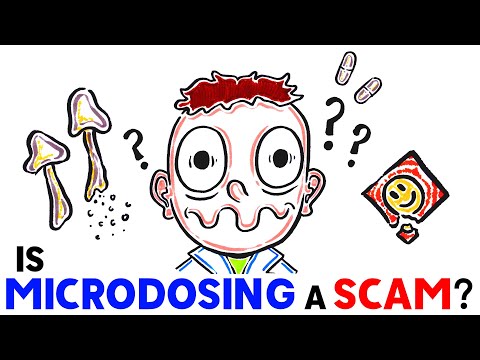
The Biggest Lie About Microdosing
0
林宜悉 posted on 2025/07/21Ever wondered about microdosing and its real effects? This video dives deep into the science behind it, exploring the placebo effect and what clinical trials actually show about psilocybin. You'll pick up some advanced vocabulary related to neuroscience and psychedelic science along the way!
Learn this video on the APP!
The VoiceTube App has more in-depth practice for videos!