attribute
US /əˈtrɪbjut/
・UK /əˈtrɪbju:t/
B1TOEIC
v.t.Transitive Verb(Of books, art, music) to say it was composed by
The boss doesn’t attribute the success of our company to hard work and dedication, he thinks he did everything himself
n. (c./u.)Noun (Countable/Uncountable)Characteristic something has, e.g. size or color
According to her family, her kindness is her best attribute
n.NounAdjectives placed before the nouns they modify
In the sentence ‘the old man’, ‘old’ is the attribute of ‘man’
Video subtitles
Millennials Are Still The Stupidest Generation. Brad Upton

- attribute their problem
attribute their problem
Should You Trust Your Gut Instinct?

- It turns out we often only take into account a subset of relevant information, which can lead to us weighing the importance of each attribute inaccurately.
It turns out we often only take into account a subset of relevant information, which can lead to us weighing the importance of each attribute inaccurately.
- of each attribute inaccurately. The study also found that those who trusted their gut
of each attribute inaccurately. The study also found that those who trusted their gut
Why Zelenskyy reversed course on anti-corruption reform | DW News

- To what do you attribute that?
To what do you attribute that?
- To what do you attribute that?
To what do you attribute that?
Before You Get Back With Your Ex — Watch THIS

- Frank answers can spare a couple decades of squabbling. Next, what trouble do I bring into the relationship? How am I difficult to live around? There should be no bristling here. Bearable people have a good handle on their unbearable dimensions. We don't need people to be perfect, we just need them to have a decent sense of how imperfect they are and how much their imperfections are going to cause the other pain. Then, what trouble do you bring into the relationship? How are you difficult to live around? We need agreement on the mutual complications that are being brought to the table. Both people should write their answers down, then show the other their analyses. Can both sides agree on what's most horrible in each person? The more alignment there can be, the less future criticism has to feel like nagging, and the more it can fit into a kinder project of helping someone to change as they would, at their saner moments, wish to change. Then, which bits of my anxiety and unhappiness did I discover were not, after all, your fault? What continued to be difficult even without you around? It's highly tempting when in a relationship to assume that all the misery we face is the fault of the lover. We attribute to the main person in our lives a commanding role in determining our state of mind. But when they're gone, we may be forced to realise a more complex truth – that our low moods and neuroses have their origins, in large part, in us rather than in them. It can, oddly, no longer all be their fault. How did life remain hard, even without them? What might they not be to blame for? Then, what I now appreciate more properly about you is… We're meant never to lose sight of what was great about them, but in reality, we sometimes need the perspective of time to get clearer about their virtues. In the long months since we were together, what sides of them did we realise we most deeply valued? Then, what did I learn from meeting other people? A truly tricky subject, but as we're realising, it's a capacity for eating humble pie that stands a restarted relationship in such good stead.
Frank answers can spare a couple decades of squabbling. Next, what trouble do I bring into the relationship? How am I difficult to live around? There should be no bristling here. Bearable people have a good handle on their unbearable dimensions. We don't need people to be perfect, we just need them to have a decent sense of how imperfect they are and how much their imperfections are going to cause the other pain. Then, what trouble do you bring into the relationship? How are you difficult to live around? We need agreement on the mutual complications that are being brought to the table. Both people should write their answers down, then show the other their analyses. Can both sides agree on what's most horrible in each person? The more alignment there can be, the less future criticism has to feel like nagging, and the more it can fit into a kinder project of helping someone to change as they would, at their saner moments, wish to change. Then, which bits of my anxiety and unhappiness did I discover were not, after all, your fault? What continued to be difficult even without you around? It's highly tempting when in a relationship to assume that all the misery we face is the fault of the lover. We attribute to the main person in our lives a commanding role in determining our state of mind. But when they're gone, we may be forced to realise a more complex truth – that our low moods and neuroses have their origins, in large part, in us rather than in them. It can, oddly, no longer all be their fault. How did life remain hard, even without them? What might they not be to blame for? Then, what I now appreciate more properly about you is… We're meant never to lose sight of what was great about them, but in reality, we sometimes need the perspective of time to get clearer about their virtues. In the long months since we were together, what sides of them did we realise we most deeply valued? Then, what did I learn from meeting other people? A truly tricky subject, but as we're realising, it's a capacity for eating humble pie that stands a restarted relationship in such good stead.
- We attribute to the main person in our lives a commanding role in determining our state of mind.
We attribute to the main person in our lives a commanding role in determining our state of mind.
How TikTok Shop Became The Fastest Growing Social Media Shopping Platform

- We attribute our rapid growth and our rapid popularity to the way we have transformed discovery e-commerce into an efficient flywheel.
We attribute our rapid growth and our rapid popularity to the way we have transformed discovery e-commerce into an efficient flywheel.
- We attribute our rapid growth and our rapid popularity to the way we have transformed discovery e-commerce into an efficient flywheel.
We attribute our rapid growth and our rapid popularity to the way we have transformed discovery e-commerce into an efficient flywheel.
How Emotions Are Made: The Body Budgeting System
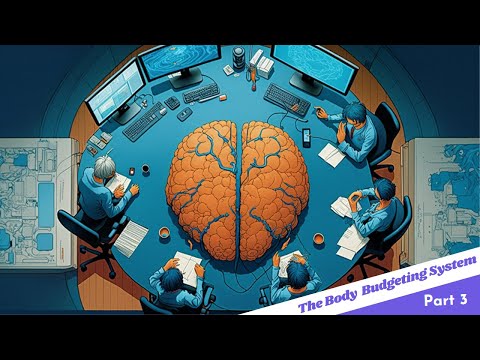
- We learn how to attribute some sensations we have in our bodies to the word anger.
We learn how to attribute some sensations we have in our bodies to the word anger.
- We learn how to attribute some sensations we have in our bodies to the word anger.
We learn how to attribute some sensations we have in our bodies to the word anger.
How I Stole $8 Million A Week As A Mafia Boss

- So to say that I'm a fortunate, blessed guy is really an understatement, and I attribute that to God having a different plan and a purpose for my life, and me meeting this young girl, because if it wasn't for her, I'd either be dead or in prison for the rest of my life, without a doubt, like all my former friends and associates.
So to say that I'm a fortunate, blessed guy is really an understatement, and I attribute that to God having a different plan and a purpose for my life, and me meeting this young girl, because if it wasn't for her, I'd either be dead or in prison for the rest of my life, without a doubt, like all my former friends and associates.
- And, you know, I attribute that to God having a different plan and a purpose for my life and me meeting this young girl.
And, you know, I attribute that to God having a different plan and a purpose for my life and me meeting this young girl.
QGIS Temporal Controller
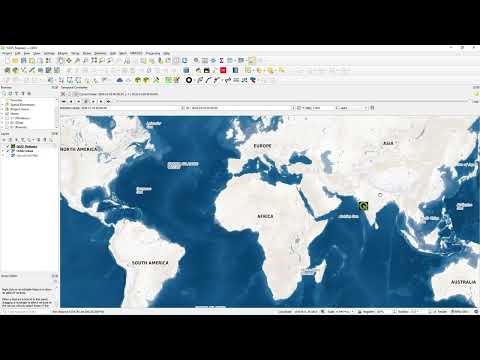
- So when we look to that attribute table, you can see that, you know, from the 3rd of the 3rd, so that's why it's captured that as the end, uh, and
So when we look to that attribute table, you can see that, you know, from the 3rd of the 3rd, so that's why it's captured that as the end, uh, and
- So when we look to that attribute table, you can see that, you know, from the third of the third.
So when we look to that attribute table, you can see that, you know, from the third of the third.
Change Your Life by Journalling in 2025

- I've been journaling pretty consistently since like 2015, and I can attribute so many of the good things that have happened in my life as a result of journaling consistently.
I've been journaling pretty consistently since like 2015, and I can attribute so many of the good things that have happened in my life as a result of journaling consistently.
- and I can attribute so many of the good things that have happened in my life as a result of journaling consistently.
and I can attribute so many of the good things that have happened in my life as a result of journaling consistently.
How to optimize your sleep habits for longevity
- You can do two week three week studies where you take people down to four hours a night of sleep and you can Absolutely destroy them in every physiologic measure during the wakeful period of their lives so We can then extrapolate from there that okay well if you're only sleeping five and a half or six hours a night, you're probably not getting as much of the negative effects But when we see and measure other effects that are negative to a lesser extent It seems pretty easy to attribute them to the reduction of sleep.
You can do two week three week studies where you take people down to four hours a night of sleep and you can Absolutely destroy them in every physiologic measure during the wakeful period of their lives so We can then extrapolate from there that okay well if you're only sleeping five and a half or six hours a night, you're probably not getting as much of the negative effects But when we see and measure other effects that are negative to a lesser extent It seems pretty easy to attribute them to the reduction of sleep.
- But when we see and measure other effects that are negative to a lesser extent, it seems pretty easy to attribute them to the reduction of sleep.
But when we see and measure other effects that are negative to a lesser extent, it seems pretty easy to attribute them to the reduction of sleep.