
adulthood
US /'ædʌlthʊd/
UK /'ædʌlthʊd/
- Uncountable Noun
- Time of life when a person is fully grown
- The time when someone has the rights and responsibilities of an adult.
B1Morealter
US /ˈɔltɚ/
UK /ˈɔ:ltə(r)/
- Transitive Verb
- To change so (clothing) fits better
- Verb (Transitive/Intransitive)
- To change or modify something.
- To become different; to change.
A2TOEICMoreat a time
US /æt e taɪm/
UK /æt ə taim/
- Phrase
- Separately; one by one
- Simultaneously; together
A1Morebeat
US /bit/
UK /bi:t/
- Intransitive Verb
- To move in regular motions in order to push blood
- Transitive Verb
- To strike or hit repeatedly and with great force
- To mix ingredients together with a fork or machine
A2Morebehind the scenes
US
UK
- Phrase
- Secretly or without being known to the public.
- In a position to influence events without any public knowledge.
A1Morebloodstream
US /ˈblʌdˌstrim/
UK /ˈblʌdstri:m/
- Uncountable Noun
- Blood flowing through the circulatory system
C2Morebring about
US
UK
- Phrasal Verb
- To cause to happen
A1Morecombination
US /ˌkɑmbəˈneʃən/
UK /ˌkɒmbɪ'neɪʃn/
- Noun
- Series of letters or numbers needed to open a lock
- Act or result of mixing things together
B1Moreconstant
US /ˈkɑnstənt/
UK /'kɒnstənt/
- Adjective
- Happening frequently or without pause
- Remaining the same over time or not changing.
- Noun
- Thing that happens always or at a regular rate
- A physical quantity that is believed to have a fixed value and is used in calculations.
A2TOEICMoredecrease
US /dɪˈkris/
UK /dɪˈkri:s/
- Verb (Transitive/Intransitive)
- To reduce the size, amount or number of something
- Uncountable Noun
- Amount by which something has been reduced
B1TOEICMoredepression
US /dɪˈprɛʃən/
UK /dɪ'preʃn/
- Noun (Countable/Uncountable)
- Medical condition of a lack of vitality
- Period of unemployment and low economic activity
B2Morediabetes
US /ˌdaɪəˈbitɪs, -tiz/
UK /ˌdaɪəˈbi:ti:z/
- Noun (Countable/Uncountable)
- Illness where there is too much sugar in the blood
- A form of diabetes, usually diagnosed in children and young adults, in which the body does not produce insulin.
B2Morediet
US /ˈdaɪɪt/
UK /'daɪət/
- Intransitive Verb
- To eat special or less food, as to lose weight
- Noun (Countable/Uncountable)
- Plan of eating to reduce weight or improve health
- The usual food and drink consumed by an organism (person or animal)
A2TOEICMoredigestion
US /daɪˈdʒɛstʃən, dɪ-/
UK /daɪˈdʒestʃən/
- Uncountable Noun
- Process of changing eaten food for use in the body
- The process of understanding new information
B2Moredisease
US /dɪˈziz/
UK /dɪˈzi:z/
- Noun (Countable/Uncountable)
- Illness that affects a person, animal, or plant
- A disorder of structure or function in a plant, especially one caused by a pathogen.
- Transitive Verb
- To affect with disease; to corrupt or sicken.
A2TOEICMoredisrupt
US /dɪsˈrʌpt/
UK /dɪsˈrʌpt/
- Transitive Verb
- To cause a disturbance in an activity in progress
B2TOEICMoreendure
US /ɛnˈdʊr, -ˈdjʊr/
UK /ɪn'djʊə(r)/
- Intransitive Verb
- To last for a long time; continue to exist
- Transitive Verb
- To accept difficulties without struggle
B1TOEICMoreexclusively
US /ɪkˈsklusɪvlɪ/
UK /ɪk'sklu:sɪvlɪ/
- Adverb
- For the use of only one person or group
- Completely; without anything else being involved.
B2TOEICMoreextract
US /ɪkˈstrækt/
UK /'ekstrækt/
- Noun (Countable/Uncountable)
- Essential ingredient of a natural thing
- Part taken from a longer written work
- Transitive Verb
- To get a substance out of a plant, etc.
- To get a person to share secret information
B1TOEICMoreextraordinary
US /ɪkˈstrɔ:rdəneri/
UK /ɪkˈstrɔ:dnri/
- Adjective
- Beyond what is ordinary; very unusual; remarkable
- Additional to or different from what is usual or regular.
B1TOEICMorefacial
US /ˈfeʃəl/
UK /'feɪʃl/
- Noun (Countable/Uncountable)
- Treatment to improve condition of the skin of face
- Adjective
- Concerning or on the face
B2Morefatigue
US /fəˈtiɡ/
UK /fəˈti:g/
- Uncountable Noun
- Breaking due to being moved or bent many times
- Being very tired
- Transitive Verb
- To cause someone or something to become very tired
B2Morefetus
US /ˈfitəs/
UK /'fi:təs/
- Noun
- An unborn baby, at a later stage than an embryo
C1Morefor instance
US /fɔr ˈɪnstəns/
UK /fɔ: ˈinstəns/
- Adverb
- As an example.
- Phrase
- As an example.
- As an illustration or case in point
B1Morefrequently
US /ˈfrikwəntlɪ/
UK /ˈfri:kwəntli/
- Adverb
- Often; regularly
- Repeatedly or many times.
A2TOEICMorefunction
US /ˈfʌŋkʃən/
UK /'fʌŋkʃn/
- Noun
- Social event, or party such as a wedding
- Mathematical operation used in calculations
- Intransitive Verb
- To serve a certain purpose or role
- To be operating, working or achieving its purpose
A2TOEICMoregland
US /ɡlænd/
UK /ɡlænd/
- Noun
- Organ that produces substances for the body to use
B2Moregradual
US /ˈɡrædʒuəl/
UK /ˈgrædʒuəl/
- Adjective
- Moving slowly by small amounts, over time
- Noun
- A gently sloping path or surface.
B1Moreheartbeat
US /ˈhɑ:rtbi:t/
UK /ˈhɑ:tbi:t/
- Noun (Countable/Uncountable)
- Beat of your heart
- The rhythmic contraction and expansion of the heart.
C1Morehormonal
US /hɔ:'moʊnl/
UK /hɔ:'məʊnl/
- Adjective
- Concerning or caused by hormones in the body
B2Morehormone
US /ˈhɔrˌmon/
UK /'hɔ:məʊn/
- Noun
- Chemical produced by the body to control functions
B2Morein a state
US
UK
- Phrase
- In a particular condition or situation.
- In an emotional condition, often negative (e.g., panic, distress).
B2Morein fact
US /ɪn fækt/
UK /in fækt/
- Adverb
- Used to emphasize the truth of a statement, especially one that contrasts with or contradicts something else.
- Used to introduce a more detailed or surprising piece of information.
- Phrase
- Used to emphasize the truth of a statement, especially one that is surprising or contrary to what might be expected.
C1Morein order to
US /ɪn ˈɔrdɚ tu/
UK /in ˈɔ:də tu:/
- Preposition
- For the purpose of; with the aim of.
- Phrase
- In a specific sequence or arrangement.
- With the aim of; for the purpose of.
C1Morein turn
US
UK
- Adverb
- One after the other in a sequence or rotation.
A1Moreinfluence
US / ˈɪnfluəns/
UK /'ɪnflʊəns/
- Verb (Transitive/Intransitive)
- To affect or change something indirectly
- To persuade someone to do something.
- Noun (Countable/Uncountable)
- The power to affect what happens, to persuade etc.
- A person or thing that affects someone or something in an important way.
A2TOEICMoreinstance
US /ˈɪnstəns/
UK /'ɪnstəns/
- Noun (Countable/Uncountable)
- An example of something; case
- An occurrence of something.
- Transitive Verb
- To give as an example of something else
A2TOEICMoreinsulin
US /ˈɪnsəlɪn/
UK /ˈɪnsjəlɪn/
- Uncountable Noun
- Substance in the body processing sugar into energy
B2Moremenstruation
US /ˌmɛnstruˈeʃən/
UK /ˌmenstruˈeɪʃn/
- Uncountable Noun
- Monthly discharge of blood from the uterus
C2Moremisconception
US /ˌmɪskənˈsɛpʃən/
UK /ˌmɪskənˈsepʃn/
- Noun (Countable/Uncountable)
- Wrong or misunderstood idea
- A widely held but incorrect belief.
B1Moreoccur
US /əˈkɚ/
UK /əˈkɜ:(r)/
- Intransitive Verb
- To come to pass or to happen
- To be found to exist; to be present.
A2TOEICMorepregnancy
US /ˈprɛɡnənsi/
UK /ˈpregnənsi/
- Uncountable Noun
- When a woman carries her unborn baby inside her
- A specific instance or period of being pregnant.
B1Moreprimary
US /ˈpraɪˌmɛri, -məri/
UK /'praɪmərɪ/
- Adjective
- Most important, most basic or essential
- Happening first; earliest
B2Morepuberty
US /ˈpju:bərti/
UK /ˈpju:bəti/
- Noun
- Stage of life when you become sexually mature
C1Morepump
US /pʌmp/
UK /pʌmp/
- Verb (Transitive/Intransitive)
- To make liquid or gas flow in a particular direction
- To make water/other liquid move using a machine
- Noun
- A device more moving liquids
- Light woman's shoe
B1Morequantity
US /ˈkwɑntɪti/
UK /ˈkwɒntəti/
- Noun (Countable/Uncountable)
- A large amount of something
- Amount or number of something
A2TOEICMorerapidly
US /ˈræpɪdlɪ/
UK /'ræpɪdlɪ/
- Adverb
- With great speed; quickly
B1TOEICMorereceptor
US /rɪˈseptər /
UK /rɪˈseptə(r)/
- Noun
- A nerve ending that changes stimuli into impulses
B2Moreregulate
US /ˈrɛɡjəˌlet/
UK /ˈregjuleɪt/
- Transitive Verb
- To control something with rules or laws
- To set/adjust (a clock, etc.); restrict motion in
A2TOEICMorerely
US /rɪˈlaɪ/
UK /rɪ'laɪ/
- Intransitive Verb
- Depend on with full trust or confidence
- To trust or have confidence in someone.
B2TOEICMorereproduce
US /ˌriprəˈdus, -ˈdjus/
UK /ˌri:prə'dju:s/
- Verb (Transitive/Intransitive)
- To make a copy of something
- To have children/young; grow roots/new plants
B1Morerhythm
US /ˈrɪðəm/
UK /ˈrɪðəm/
- Noun (Countable/Uncountable)
- Pattern of events, motions, or changes
- A pattern of sound and beats in music
A2Moresecrete
US /sɪˈkrit/
UK /sɪ'kri:t/
- Transitive Verb
- To hide something so it will not be seen or found
- To produce a liquid from a bodily organ
B1Moreserotonin
US /ˌserəˈtoʊnɪn/
UK /ˌserəˈtəʊnɪn/
- Uncountable Noun
- A neurotransmitter in the brain that helps regulate mood, sleep, appetite, and emotional well-being; often referred to as the "feel-good" hormone.
C2Moreshift
US /ʃɪft/
UK /ʃɪft/
- Verb (Transitive/Intransitive)
- To change in position or direction
- To move something from one place to another
- Noun (Countable/Uncountable)
- A change in a persons plans, opinions or beliefs
- Period of work starting at a certain time
A2Morespecific
US /spɪˈsɪfɪk/
UK /spəˈsɪfɪk/
- Adjective
- Precise; particular; just about that thing
- Concerning one particular thing or kind of thing
A2Moretestosterone
US /tɛsˈtɑstəˌron/
UK /tesˈtɔstərəun/
- Uncountable Noun
- Natural chemical responsible for the male sex
- A steroid hormone that stimulates development of male secondary sexual characteristics, and is produced mainly in the testes, but also in the ovaries and adrenal cortex.
C1Moreundergo
US /ˌʌndərˈgoʊ/
UK /ˌʌndəˈgəʊ/
- Verb (Transitive/Intransitive)
- To experience or endure something (bad)
- To experience a change or transformation.
B1Morevisible
US /ˈvɪzəbəl/
UK /ˈvɪzəbl/
- Adjective
- Can see, easily seen or understood
B1TOEICMorewomb
US /wum/
UK /wu:m/
- Noun
- Place in a woman's body where a baby grows
B2More
Vocabulary
- behind the scenes: Secretly or without being known to the public.
- bring about: To cause to happen
- in order to: For the purpose of; with the aim of.
- at a time: Separately; one by one
- for instance: As an example.
- in turn: One after the other in a sequence or rotation.
- in fact: Used to emphasize the truth of a statement, especially one that contrasts with or contradicts something else.
- in a state: In a particular condition or situation.
- specific: Precise; particular; just about that thing
- fatigue: Breaking due to being moved or bent many times
- extraordinary: Beyond what is ordinary; very unusual; remarkable
- depression: Medical condition of a lack of vitality
- rhythm: Pattern of events, motions, or changes
- constant: Happening frequently or without pause
- diabetes: Illness where there is too much sugar in the blood
- instance: An example of something; case
- combination: Series of letters or numbers needed to open a lock
- disease: Illness that affects a person, animal, or plant
- puberty: Stage of life when you become sexually mature
- hormone: Chemical produced by the body to control functions
- influence: To affect or change something indirectly
- increase: To make or become larger in size or amount
- shift: To change in position or direction
- function: Social event, or party such as a wedding
- disrupt: To cause a disturbance in an activity in progress
- endure: To last for a long time; continue to exist
- occur: To come to pass or to happen
- alter: To change so (clothing) fits better
- brain: To strike someone forcefully on the head
- exclusively: For the use of only one person or group
- misconception: Wrong or misunderstood idea
- behavior: The way a person or thing acts; manner
- extract: Essential ingredient of a natural thing
- primary: Most important, most basic or essential
- regulate: To control something with rules or laws
- digestion: Process of changing eaten food for use in the body
- rapidly: With great speed; quickly
- serotonin: A neurotransmitter in the brain that helps regulate mood, sleep, appetite, and emotional well-being; often referred to as the "feel-good" hormone.
- insulin: Substance in the body processing sugar into energy
- rate: To assess something or consider its qualities
- womb: Place in a woman's body where a baby grows
- beat: To move in regular motions in order to push blood
- mood: Emotion or a state of mind; how you feel
- diet: To eat special or less food, as to lose weight
- frequently: Often; regularly
- produce: Fresh foods such as fruits and vegetables
- quantity: A large amount of something
- shape: The outer form of something, what it looks like
- gland: Organ that produces substances for the body to use
- rely: Depend on with full trust or confidence
- pregnancy: When a woman carries her unborn baby inside her
- testosterone: Natural chemical responsible for the male sex
- visible: Can see, easily seen or understood
- decrease: To reduce the size, amount or number of something
- manage: To survive hardships and difficulties; to cope
- bloodstream: Blood flowing through the circulatory system
- system: Set of organized, planned ideas that work together
- receptor: A nerve ending that changes stimuli into impulses
- gradual: Moving slowly by small amounts, over time
- facial: Treatment to improve condition of the skin of face
- undergo: To experience or endure something (bad)
- fetus: An unborn baby, at a later stage than an embryo
- adulthood: Time of life when a person is fully grown
- change: To exchange one set of clothes for another
- reproduce: To make a copy of something
- pump: To make liquid or gas flow in a particular direction
- prepare: To make something ready for use
- secrete: To hide something so it will not be seen or found
- menstruation: Monthly discharge of blood from the uterus
- start: First time or place that a thing exists; beginning
- estrogen: General term for female steroid sex hormones that are secreted by the ovary and responsible for typical female sexual characteristics
- hormonal: Concerning or caused by hormones in the body
- heart: A feeling of care for others; compassion
- heartbeat: Beat of your heart
Get the full experience in the app
Learn anywhere with detailed sentence and usage analysis
01:03
She took a brave step forward, leaving behind her comfort zone to chase her dreams.
Vocabulary
- brave
adj. Having courage
- comfort zone
phr. A familiar situation where one feels safe
Explanation
a brave step is a noun phrase, where brave is an adjective modifying the noun step, meaning "a courageous step".
forward is an adverb modifying step, meaning "ahead".
The whole phrase serves as the object, answering the "what" of took (verb) — she took a brave step forward.
Get the full experience in the app
Look up words anytime with pronunciation, part of speech, and usage
brave
US/brev/
UK/breɪv/
adj.Brave
v.t.To bravely face
A2 Elementary
Get the full experience in the app
Practice speaking anytime and get instant pronunciation feedback
Try this speaking exercise.
Try practicing with this sentence.
80
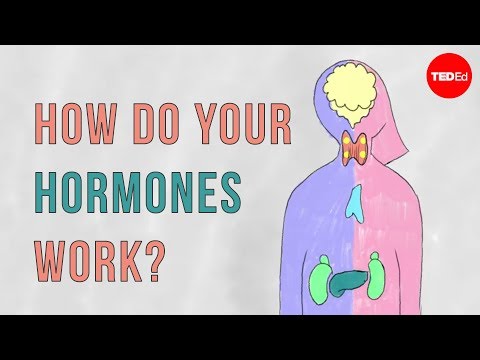
How do your hormones work? - Emma Bryce
0
ktyvr258 posted on 2019/10/28Ever wondered what's really going on inside your body? This video breaks down the fascinating world of hormones and the endocrine system, explaining everything from puberty to mood swings! You'll pick up some awesome advanced vocabulary related to health and biology, making it a fantastic watch for curious minds.
Learn this video on the APP!
The VoiceTube App has more in-depth practice for videos!