receptor
US /rɪˈseptər /
・UK /rɪˈseptə(r)/
B2
n.NounA nerve ending that changes stimuli into impulses
This medicine affects my temperature receptor, so I can't feel if something is hot
Video subtitles
Ozempic is a game-changer. Here’s how it works.

- That's where GLP-1's next receptor comes in.
That's where GLP-1's next receptor comes in.
- That's where GLP-1's next receptor comes in.
That's where GLP-1's next receptor comes in.
精神科医だけど「メンタルヘルス」について質問ある? | Tech Support | WIRED Japan
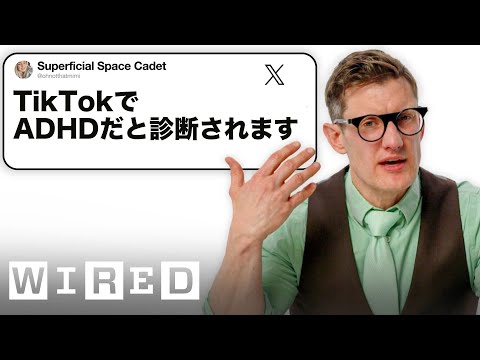
- What we're talking about when we talk about shrooms is really psilocybin, a chemical that binds to the serotonin receptor, particularly in the thalamus, so that we have these hallucinations.
What we're talking about when we talk about shrooms is really psilocybin, a chemical that binds to the serotonin receptor, particularly in the thalamus, so that we have these hallucinations.
- What we're talking about when we talk about shrooms is really psilocybin, a chemical that binds to the serotonin receptor, particularly in the thalamus, so that we have these hallucinations.
What we're talking about when we talk about shrooms is really psilocybin, a chemical that binds to the serotonin receptor, particularly in the thalamus, so that we have these hallucinations.
Why smells make us feel at home ⏲️ 6 Minute English

- When we breathe in, receptor cells in the nose detect molecules in the air and send them to olfactory organs in the brain.
When we breathe in, receptor cells in the nose detect molecules in the air and send them to olfactory organs in the brain.
- When we breathe in, receptor cells in the nose detect molecules in the air and send them to olfactory organs in the brain.
When we breathe in, receptor cells in the nose detect molecules in the air and send them to olfactory organs in the brain.
Why Is Lung Cancer in Non-smokers on the Rise?

- EGFR stands for Epidermal Growth Factor Receptor, and the gene codes for a protein that helps your cells grow.
EGFR stands for Epidermal Growth Factor Receptor, and the gene codes for a protein that helps your cells grow.
- EGFR stands for Epidermal Growth Factor Receptor, and
EGFR stands for Epidermal Growth Factor Receptor, and
Coffee PROTECTS Your Brain! Science Behind The World's Most POPULAR Drug
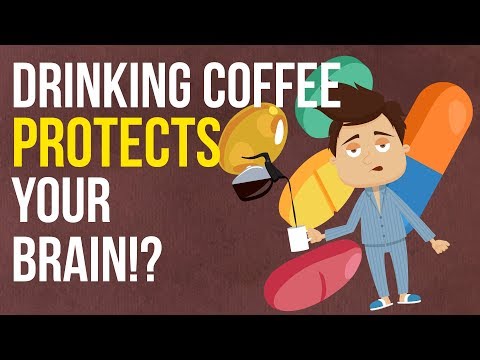
- and each receptor triggers a particular chain of events, leading to different effects on our body.
and each receptor triggers a particular chain of events, leading to different effects on our body.
- and each receptor triggers a particular chain of events, leading to different effects on our body.
and each receptor triggers a particular chain of events, leading to different effects on our body.
Senses You Didn’t Know You Have | SciShow Kids

- A receptor captures a specific kind of information from the outside world, then changes it into a signal that goes to the brain.
A receptor captures a specific kind of information from the outside world, then changes it into a signal that goes to the brain.
- A receptor captures a specific kind of information from the outside world, then changes it into a signal that goes to the brain.
A receptor captures a specific kind of information from the outside world, then changes it into a signal that goes to the brain.
本物のように感じることができる義肢。バイオニック医療の実態と導入 | WIRED Japan
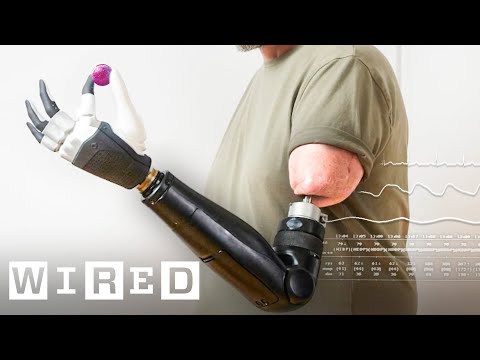
- If I have a biological receptor in my index finger, that has a nerve that goes all the way up to my brain.
If I have a biological receptor in my index finger, that has a nerve that goes all the way up to my brain.
- If I have a biological receptor in my index finger that has a nerve that goes all the way up to my brain, if I put an electrode along that nerve, it doesn't matter where I stimulate, the brain will create the sensation as coming from the fingertip.
If I have a biological receptor in my index finger that has a nerve that goes all the way up to my brain, if I put an electrode along that nerve, it doesn't matter where I stimulate, the brain will create the sensation as coming from the fingertip.
Why Scratching An Itch Makes It Worse

- Chen believes that people who suffer from chronic itching could find relief once a therapy is developed to block the receptor that cause the serotonin to activate those neurons.
Chen believes that people who suffer from chronic itching could find relief once a therapy is developed to block the receptor that cause the serotonin to activate those neurons.
- once a therapy is developed to block the receptor that cause the serotonin to activate those neurons.
once a therapy is developed to block the receptor that cause the serotonin to activate those neurons.
The New Addiction Treatment We Found By Mistake

- The entire class of drugs is actually named after those receptors the hormone binds with, not the hormone itself, so they're called GLP-1 receptor agonists.
The entire class of drugs is actually named after those receptors the hormone binds with, not the hormone itself, so they're called GLP-1 receptor agonists.
- It's the insulin boosting effect that GLP-1 receptor agonists capitalize on to treat diabetes.
It's the insulin boosting effect that GLP-1 receptor agonists capitalize on to treat diabetes.
Why Do We Get Allergies? - Reactions
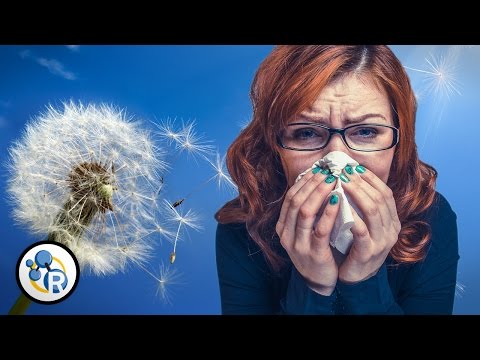
- and so the way histamine works as this small chemical messenger is that it finds a receptor that's on many, many cells of the body called a histamine receptor and sends that cell a message.
and so the way histamine works as this small chemical messenger is that it finds a receptor that's on many, many cells of the body called a histamine receptor and sends that cell a message.
- For example, in the blood vessels, it binds to that receptor.
For example, in the blood vessels, it binds to that receptor.