
activate
US /ˈæktəˌvet/
UK /ˈæktɪveɪt/
- Transitive Verb
- To cause to happen; cause a chemical reaction
- To make something start working
B1Moreairborne
US /ˈerbɔ:rn/
UK /ˈeəbɔ:n/
- Adjective
- Being in the air
- Transmitted through the air.
- Noun
- A military unit trained to be transported by air and parachute into combat.
- An operation involving the dropping of troops by parachute from aircraft.
C1Moreallergic
US /əˈlədʒɪk/
UK /əˈlɜ:dʒɪk/
- Adjective
- Of or having a reaction to an allergy
B2Moreallergy
US /ˈælərdʒi/
UK /ˈælədʒi/
- Noun
- Sensitivity to foods, etc. causing a bad reaction
B2Moreat home
US /æt hom/
UK /æt həum/
- Phrase
- In one's own residence or country.
- Adjective
- Feeling comfortable and relaxed.
at least
US /æt list/
UK /æt li:st/
- Adverb
- As a minimum
- Not less than
- Phrase
- No less than; at the minimum
- Used to indicate that something is positive in a bad situation.
C2Moreblood
US /blʌd/
UK /blʌd/
- Uncountable Noun
- Red liquid in the bodies of people and animals
- Related by birth; family
- Transitive Verb
- To be initiated into something, e.g. a secret club
A2Morebreathe in
US /brið ɪn/
UK /bri:ð in/
- Phrasal Verb
- To inhale; to take air into the lungs.
B1Morecome from
US /kʌm frʌm/
UK /kʌm frɔm/
- Phrasal Verb
- To have as your native country or city
A1Morefor example
US
UK
- Phrase
- As an illustration or instance.
go out
US /ɡo aʊt/
UK /ɡəu aut/
- Phrase
- To leave a building (e.g. a house)
- Phrasal Verb
- (Of a fire) to burn out; be extinguished
- Go out of fashion to stop being fashionable
A1Morehave to
US /hæv tu/
UK /ˈhæv tə/
- Auxiliary Verb
- Must do
A1Moreimmune
US /ɪˈmjoon/
UK /ɪˈmju:n/
- Adjective
- Having a special protection from, e.g. the law
- Protected against a particular disease or condition because of antibodies or vaccination.
B1Moreitchy
US /ˈɪtʃi/
UK /ˈɪtʃi/
- Adjective
- Nervous and unable to relax
- (Of skin, etc.) irritated so you want to scratch it
B1Moreout there
US /aʊt ðɛr/
UK /aut ðɛə/
- Adverb
- In or to a place that is far away
- Existing in the universe
- Adjective
- Unconventional; strange; avant-garde
- Existing or available.
A1Morepollen
US /ˈpɑ:lən/
UK /ˈpɒlən/
- Uncountable Noun
- Fine, usually yellow powder produced by plants
B2Morereceptor
US /rɪˈseptər /
UK /rɪˈseptə(r)/
- Noun
- A nerve ending that changes stimuli into impulses
B2Morerecognize
US /ˈrek.əɡ.naɪz/
UK /ˈrek.əɡ.naɪz/
- Transitive Verb
- To accept the truth or reality of something
- To consider something as important or special
A2TOEICMoresuch as
US /sʌtʃ æz/
UK /sʌtʃ æz/
- Preposition
- For example; like
A1Moresuffer from
US /ˈsʌfɚ frʌm/
UK /ˈsʌfə frɔm/
- Intransitive Verb
- To experience pain or distress; to be badly affected by.
A1Moretalking about
US
UK
- Phrasal Verb
- To discuss a particular topic.
- To be constantly mentioning or bringing up a subject.
A1Moretoo heavy
US
UK
- Adjective
- Having excessive weight; difficult to lift or move.
- Excessively burdensome or difficult to manage.
vessel
US /ˈvɛsəl/
UK /ˈvesl/
- Countable Noun
- Container, such as a cup, for holding liquids
- A ship or boat; something that carries things
B1TOEICMore
Vocabulary
- have to: Must do
- for example: As an illustration or instance.
- at home: In one's own residence or country.
- suffer from: To experience pain or distress; to be badly affected by.
- such as: For example; like
- breathe in: To inhale; to take air into the lungs.
- talking about: To discuss a particular topic.
- come from: To have as your native country or city
- too heavy: Having excessive weight; difficult to lift or move.
- out there: In or to a place that is far away
- at least: As a minimum
- go out: To leave a building (e.g. a house)
- recognize: To accept the truth or reality of something
- immune: Having a special protection from, e.g. the law
- system: Set of organized, planned ideas that work together
- vessel: Container, such as a cup, for holding liquids
- mistake: Something done wrong/calculated wrong; error
- blood: Red liquid in the bodies of people and animals
- receptor: A nerve ending that changes stimuli into impulses
- small: Little in size; not big
- allergic: Of or having a reaction to an allergy
- allergy: Sensitivity to foods, etc. causing a bad reaction
- activate: To cause to happen; cause a chemical reaction
- nose: Part of the face used for breathing and smelling
- airborne: Being in the air
- pollen: Fine, usually yellow powder produced by plants
- itchy: Nervous and unable to relax
Get the full experience in the app
Learn anywhere with detailed sentence and usage analysis
01:03
She took a brave step forward, leaving behind her comfort zone to chase her dreams.
Vocabulary
- brave
adj. Having courage
- comfort zone
phr. A familiar situation where one feels safe
Explanation
a brave step is a noun phrase, where brave is an adjective modifying the noun step, meaning "a courageous step".
forward is an adverb modifying step, meaning "ahead".
The whole phrase serves as the object, answering the "what" of took (verb) — she took a brave step forward.
Get the full experience in the app
Look up words anytime with pronunciation, part of speech, and usage
brave
US/brev/
UK/breɪv/
adj.Brave
v.t.To bravely face
A2 Elementary
Get the full experience in the app
Practice speaking anytime and get instant pronunciation feedback
Try this speaking exercise.
Try practicing with this sentence.
80
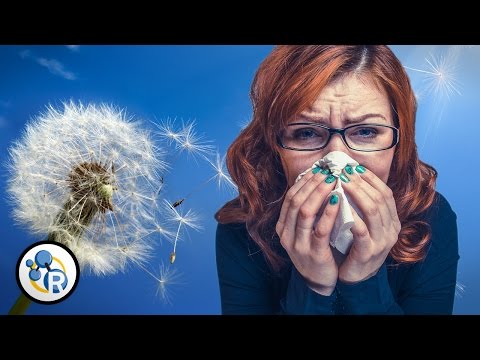
Why Do We Get Allergies? - Reactions
0
Eating posted on 2015/02/03Ever wondered why your nose starts running every spring? This video dives into the fascinating science behind seasonal allergies, explaining how your immune system reacts to things like pollen! You'll pick up some great advanced vocabulary related to the immune system and histamine, plus practical tips for allergy sufferers.
Learn this video on the APP!
The VoiceTube App has more in-depth practice for videos!