testosterone
US /tɛsˈtɑstəˌron/
・UK /tesˈtɔstərəun/
C1
n. (u.)Uncountable NounNatural chemical responsible for the male sex
Men naturally have a lot more testosterone in their bodies which makes them very different from females in behavior and appearance
n. (u.)Uncountable NounA steroid hormone that stimulates development of male secondary sexual characteristics, and is produced mainly in the testes, but also in the ovaries and adrenal cortex.
Testosterone is the primary male sex hormone.
n. (u.)Uncountable NounA synthetic form of this hormone used to treat certain medical conditions.
The doctor prescribed testosterone to treat his hormonal imbalance.
n. (u.)Uncountable NounThe hormone, or a synthetic steroid similar to it, used illicitly to increase muscle mass and strength.
Some athletes misuse testosterone to enhance muscle growth.
Video subtitles
The Real Reason We Do Stupid Things For Love
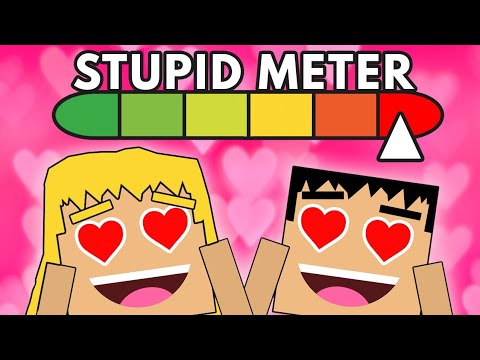
- These stages include: lust, which is driven by testosterone and estrogen; attraction, which is created by dopamine, serotonin, and norepinephrine; and attachment, which includes oxytocin and vasopressin.
These stages include: lust, which is driven by testosterone and estrogen; attraction, which is created by dopamine, serotonin, and norepinephrine; and attachment, which includes oxytocin and vasopressin.
- These stages include lust, which is driven by testosterone and estrogen;
These stages include lust, which is driven by testosterone and estrogen;
Why your voice is like a fingerprint

- Testosterone, in particular, can drastically change a person's voice.
Testosterone, in particular, can drastically change a person's voice.
- Testosterone, in particular, can drastically change a person's voice.
Testosterone, in particular, can drastically change a person's voice.
The science of falling in love ⏲️ 6 Minute English
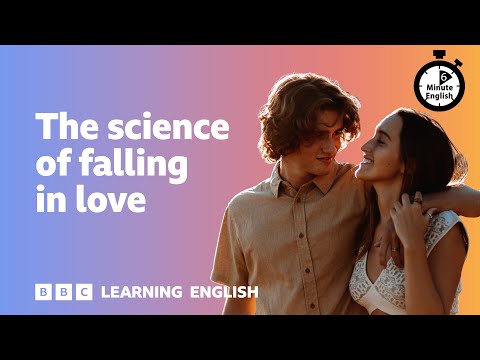
- Often lust comes first, but not always. For some people who are asexual, it may not happen at all. But for those who do experience lust, it's driven by the hormones oestrogen and testosterone. It may feel purely carnal, but in fact it's about the urge to mate and pass on your DNA via offspring. Without lust, it's fair to say, our species would not survive.
Often lust comes first, but not always. For some people who are asexual, it may not happen at all. But for those who do experience lust, it's driven by the hormones oestrogen and testosterone. It may feel purely carnal, but in fact it's about the urge to mate and pass on your DNA via offspring. Without lust, it's fair to say, our species would not survive.
- Helen Fisher thinks the first aspect of love is purely physical – lust – the strong feeling of sexual desire for someone. Lust is driven by the hormones oestrogen in women and testosterone in men. A few people are asexual, meaning they don't feel sexual attraction for anyone of any gender. Lust is hardwired into us through our DNA and it drives us to have children.
Helen Fisher thinks the first aspect of love is purely physical – lust – the strong feeling of sexual desire for someone. Lust is driven by the hormones oestrogen in women and testosterone in men. A few people are asexual, meaning they don't feel sexual attraction for anyone of any gender. Lust is hardwired into us through our DNA and it drives us to have children.
7 Signs You're Eating Too Much Sugar
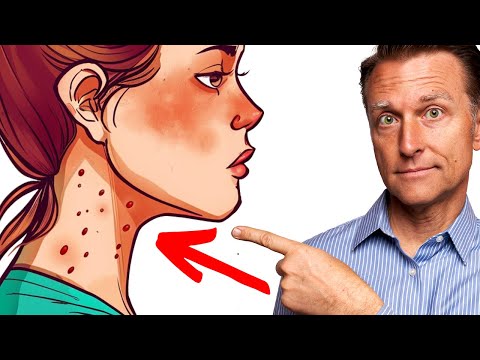
- All right, number three is low testosterone.
All right, number three is low testosterone.
- Sugar will lower testosterone.
Sugar will lower testosterone.
Your Brain On Obsessive Love
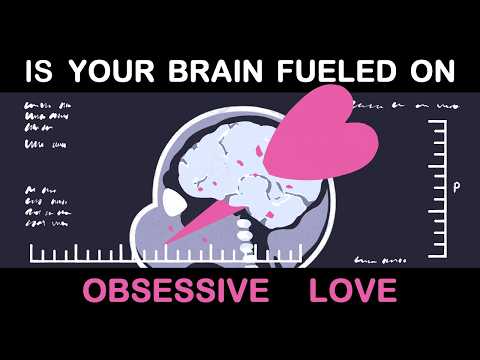
- Testosterone.
Testosterone.
- Next, testosterone levels rise.
Next, testosterone levels rise.
Signs of Obsessive Love

- Testosterone.
Testosterone.
- Next, testosterone levels rise.
Next, testosterone levels rise.
Sex Differences [Cognition, Education, and Biology]
![Sex Differences [Cognition, Education, and Biology]](https://img.youtube.com/vi/gM0Zaf6oXAA/hqdefault.jpg)
- Boys also produce more testosterone and develop a higher aggression potential.
Boys also produce more testosterone and develop a higher aggression potential.
- Boys also produce more testosterone and develop a higher aggression potential.
Boys also produce more testosterone and develop a higher aggression potential.
XY Athletes in Women’s Olympic Boxing: The Paris 2024 Controversy Explained

- They produce testosterone in the normal male range however they often appear female at birth and are raised as girls but they do experience male-like changes during puberty.
They produce testosterone in the normal male range however they often appear female at birth and are raised as girls but they do experience male-like changes during puberty.
- Testosterone is crucial in this debate because it's incredibly powerful for athletic performance.
Testosterone is crucial in this debate because it's incredibly powerful for athletic performance.
Why women should FAST differently than men… | Exercise & Nutrition Scientist Dr Stacy Sims

- Exercise is a stronger stimulus for autophagy than fasting. Because if we look at exercise in itself is a fasting state. What happens during exercise, you start exercising, your body is trying to provide fuel. So it's breaking down fat, it's breaking down glucose, it's breaking down amino acids. It's also creating in a recovery standpoint, a boost of growth hormone, a boost of testosterone in both men and women that creates the cell cleanup, which is autophagy, right?
Exercise is a stronger stimulus for autophagy than fasting. Because if we look at exercise in itself is a fasting state. What happens during exercise, you start exercising, your body is trying to provide fuel. So it's breaking down fat, it's breaking down glucose, it's breaking down amino acids. It's also creating in a recovery standpoint, a boost of growth hormone, a boost of testosterone in both men and women that creates the cell cleanup, which is autophagy, right?
- So we had definitive points. We have puberty. We have our reproductive years. We may not have pregnancy in there. We have perimenopause. We have postmenopause. Each one of those is a different hormone profile that can affect the way we train. For men, you know, you just kind of go, phew, and we start to see a decline of testosterone. We get into our late fifties.
So we had definitive points. We have puberty. We have our reproductive years. We may not have pregnancy in there. We have perimenopause. We have postmenopause. Each one of those is a different hormone profile that can affect the way we train. For men, you know, you just kind of go, phew, and we start to see a decline of testosterone. We get into our late fifties.
6 Weird Things Others May Find Attractive About You
- Research has suggested fertile women possess a stronger attraction to men with higher testosterone when they're ovulating while men find ovulation as an aphrodisiac.
Research has suggested fertile women possess a stronger attraction to men with higher testosterone when they're ovulating while men find ovulation as an aphrodisiac.
- Research has suggested fertile women possess a stronger attraction to men with higher testosterone when they're ovulating, while men find ovulation as an aphrodisiac.
Research has suggested fertile women possess a stronger attraction to men with higher testosterone when they're ovulating, while men find ovulation as an aphrodisiac.