
activate
US /ˈæktəˌvet/
UK /ˈæktɪveɪt/
- Transitive Verb
- To cause to happen; cause a chemical reaction
- To make something start working
B1Moreaffect
US /əˈfɛkt/
UK /ə'fekt/
- Transitive Verb
- To cause a change in something else
- To pretend to have or feel (something).
- Noun
- (Psychology) Emotion or feeling.
A2TOEICMoreafford
US /əˈfɔrd, əˈford/
UK /ə'fɔ:d/
- Transitive Verb
- To make available, to provide
- To have enough money to pay for something
A2TOEICMoreanthropologist
US /ˌænθrəˈpɑ:lədʒɪst/
UK /ˌænθrəˈpɒlədʒɪst/
- Countable Noun
- Person who studies human origins and development
B2Moreasymmetric
US /ˌæsɪˈmɛtrɪk/
UK /ˌeɪsɪˈmetrɪk/
- Adjective
- Having no balance; not the same on both sides
B2Moreat least
US /æt list/
UK /æt li:st/
- Adverb
- As a minimum
- Not less than
- Phrase
- No less than; at the minimum
- Used to indicate that something is positive in a bad situation.
C2Moreattractive
US /əˈtræktɪv/
UK /əˈtræktɪv/
- Adjective
- Making you like them, as by being good-looking
- Offering advantages or benefits; tempting.
A2Moreaverage
US /ˈævərɪdʒ, ˈævrɪdʒ/
UK /'ævərɪdʒ/
- Noun (Countable/Uncountable)
- Total of numbers divided by the number of items
- Transitive Verb
- To add numbers then divide by the number of items
A2TOEICMorebased on
US
UK
- Phrasal Verb
- To use something as the foundation or starting point for something else.
- Preposition
- Using something as the main idea or foundation.
- Relying on something as evidence or justification.
A1Morecomposite
US /kəmˈpɑzɪt/
UK /'kɒmpəzɪt/
- Adjective
- Made of more than one different part
- Noun
- Something made up of more than one different part
B2Morecondition
US /kənˈdɪʃən/
UK /kənˈdɪʃn/
- Transitive Verb
- To improve something to make it better
- To cause to behave automatically in a certain way
- Noun (Countable/Uncountable)
- Disease or other medical problem
- The state of living you are in, e.g. good health
A2Morecontribute
US /kənˈtrɪbjut/
UK /kən'trɪbju:t/
- Verb (Transitive/Intransitive)
- To be a factor in causing something to happen
- To donate, give (money) or help to something
A2Morecortex
US /ˈkɔrˌteks/
UK /'kɔ:teks/
- Noun (Countable/Uncountable)
- The outer part of an organ/structure, e.g. brain
- The outer layer of the cerebrum (the cerebral cortex), other organs, or a plant.
C1Morecumbersome
US /ˈkʌmbəsəm/
UK /ˈkʌmbəsəm/
- Adjective
- Being slow, heavy or difficult to move
C1TOEICMoredepict
US /dɪˈpɪkt/
UK /dɪ'pɪkt/
- Transitive Verb
- To represent or describe something using words
- To represent or show something in a picture or painting; to portray visually.
B1TOEICMoredespite the fact
US
UK
- Preposition
- In spite of; notwithstanding.
- Conjunction
- Even though; although.
A2Moredivert
US /daɪˈvɜ:rt/
UK /daɪˈvɜ:t/
- Transitive Verb
- To attract someone's attention from something
- To redirect something, such as a river or road
B2TOEICMoreengage
US /ɪn'gedʒ/
UK /ɪn'ɡeɪdʒ/
- Transitive Verb
- To start to fight with an enemy
- To hire someone for a task or job
A2TOEICMoreevolutionary
US /ˌiːvəˈluːʃəneri/
UK /ˌi:vəˈlu:ʃənri/
- Adjective
- Concerning gradual change over time
B2Moreextravagant
US /ɪkˈstrævəɡənt/
UK /ɪkˈstrævəgənt/
- Adjective
- Going beyond what is normal or proper
- Wasteful, e.g. of money; using a lot of a resource
B2TOEICMorefacial
US /ˈfeʃəl/
UK /'feɪʃl/
- Noun (Countable/Uncountable)
- Treatment to improve condition of the skin of face
- Adjective
- Concerning or on the face
B2Morefactor
US /ˈfæktɚ/
UK /'fæktə(r)/
- Noun
- Something that influences a result
- Transitive Verb
- To consider or include in an estimate or judgment
- To find the two numbers a number can be divided by
A2TOEICMorefertile
US /ˈfɚtl/
UK /'fɜ:taɪl/
- Adjective
- (Of imagination, etc.) working strongly; productive
- Capable of producing children or young
B1Morefertility
US /fɚˈtɪlɪti/
UK /fəˈtɪləti/
- Uncountable Noun
- The state of a female being able to produce young
- State of soil being able to produce many plants
B1Morefitness
US /ˈfɪtnɪs/
UK /ˈfɪtnəs/
- Uncountable Noun
- Good physical condition; being in shape
B1Morefor example
US
UK
- Phrase
- As an illustration or instance.
from that time
US
UK
- Phrase
- Starting at a specific point in the past and continuing forward.
- Referring to a period that began in the past.
A1Morehandicap
US /ˈhændiˌkæp/
UK /ˈhændikæp/
- Noun
- Disadvantage preventing you from making progress
- (Offensive) a physical or mental disability
- Transitive Verb
- To make it difficult for someone to make progress
- To add weight to horses in a race
B1Morehave to
US /hæv tu/
UK /ˈhæv tə/
- Auxiliary Verb
- Must do
A1Moreheterosexual
US /ˌhɛtəroˈsɛkʃuəl/
UK /ˌhetərəˈsekʃuəl/
- Adjective
- Sexually attracted to members of the opposite sex
- Noun
- Person attracted to members of the opposite sex
B2Moreimmune
US /ɪˈmjoon/
UK /ɪˈmju:n/
- Adjective
- Having a special protection from, e.g. the law
- Protected against a particular disease or condition because of antibodies or vaccination.
B1Moreimplicit
US /ɪmˈplɪsɪt/
UK /ɪm'plɪsɪt/
- Adjective
- Unquestioning and without doubt
- Suggested though not directly expressed.
B1TOEICMorein progress
US /ɪn ˈprɑɡˌrɛs/
UK /in ˈprəuɡres/
- Adjective
- Currently taking place or being done; not yet completed.
- Phrase
- In the course of being done or carried out.
B1Morein terms of
US
UK
- Phrase
- With regard to; concerning a particular aspect.
A1Morein turn
US
UK
- Adverb
- One after the other in a sequence or rotation.
A1Moreindividual
US /ˌɪndəˈvɪdʒuəl/
UK /ˌɪndɪˈvɪdʒuəl/
- Countable Noun
- Single person, looked at separately from others
- A single thing or item, especially when part of a set or group.
- Adjective
- Made for use by one single person
- Having a distinct manner different from others
A2Moreinstead of
US /ɪnˈstɛd ʌv/
UK /inˈsted ɔv/
- Preposition
- When one thing is replaced by another
- Adverb
- As a substitute or alternative.
A1Moreinteract
US /ˌɪntɚˈækt/
UK /ˌɪntər'ækt/
- Intransitive Verb
- To talk or do things with each other
A2Moreinvoke
US /ɪnˈvok/
UK /ɪn'vəʊk/
- Transitive Verb
- To appeal for help/protection to higher authority
- To use a law, concept, or right to achieve a goal
B1Morelikelihood
US /ˈlaɪkliˌhʊd/
UK /ˈlaɪklihʊd/
- Uncountable Noun
- Chance that something might happen
B1TOEICMoremagnify
US /ˈmæɡnəˌfaɪ/
UK /'mæɡnɪfaɪ/
- Transitive Verb
- To increase the importance or seriousness of
- To make something larger, louder, or greater
B2Moremake up
US /mek ʌp/
UK /meik ʌp/
- Phrasal Verb
- To invent or create a story
- To add up to
- Verb (Transitive/Intransitive)
- To invent a story, excuse, etc.
- To compensate for something lost, missed, or deficient.
A1Moreminor
US /ˈmaɪnɚ/
UK /'maɪnə(r)/
- Adjective
- Not so large in size; not important or valuable
- An interval a half tone smaller than its major
- Noun
- Subject studied in college, but not the main one
- Someone too young to be legally responsible
B1Moreneural
US /ˈnʊrəl, ˈnjʊr-/
UK /ˈnjuərəl/
- Adjective
- About the nerves or nervous system
B2Moreover time
US /ˈovɚ taɪm/
UK /ˈəuvə taim/
- Phrase
- Gradually; as time passes.
- During a long period.
- Adverb
- Gradually; as time passes.
B1Moreparasitic
US /ˌpærəˈsɪtɪk/
UK /ˌpærəˈsɪtɪk/
- Adjective
- Living on larger plant/animal and dependent on it
- Exploiting or preying on others; living off another's resources.
B2Morepeacock
US /ˈpiˌkɑk/
UK /'pi:kɒk/
- Noun
- Bird with colorful long feathers
C1Morepioneer
US /ˌpaɪəˈnɪr/
UK /ˌpaɪəˈnɪə(r)/
- Noun (Countable/Uncountable)
- Person exploring a new place or field of endeavor
- A person who is among the first to research or develop a new area of knowledge or activity.
- Transitive Verb
- To begin or discover something new
- To take part in the development of something new
B1TOEICMorepopulation
US /ˌpɑpjəˈleʃən/
UK /ˌpɒpjuˈleɪʃn/
- Noun (Countable/Uncountable)
- Number of people who live in a country, area etc.
- A group of individuals of one species living in a particular area.
A2TOEICMorepredicate
US /'predɪkət/
UK /ˈpredɪkət/
- Transitive Verb
- To base something on a previous situation
- Noun
- Part of the sentence containing the main verb
B2Moreprocess
US /ˈprɑsˌɛs, ˈproˌsɛs/
UK /prə'ses/
- Transitive Verb
- To organize and use data in a computer
- To deal with official forms in the way required
- Noun (Countable/Uncountable)
- Dealing with official forms in the way required
- Set of changes that occur slowly and naturally
A2TOEICMoreprofoundly
US /prəˈfaʊndlɪ/
UK /prəˈfaʊndli/
- Adverb
- With a great depth psychologically
- To a very great extent; deeply or intensely.
B1Morereflexive
US /rɪˈflɛksɪv/
UK /rɪˈfleksɪv/
- Adjective
- Of words that show the action is done to yourself
B2Moreregardless of
US /rɪˈɡɑrdlɪs ʌv/
UK /riˈɡɑ:dlis ɔv/
- Phrase
- Preposition
- Without being affected or influenced by something; despite.
A2Morerepresent
US /ˌrɛprɪˈzɛnt/
UK /ˌreprɪ'zent/
- Transitive Verb
- To depict art objects, figures, scenes; to portray
- To show or describe something in a particular way
A2TOEICMorereproductive
US /ˌriprəˈdʌktɪv/
UK /ˌri:prəˈdʌktɪv/
- Adjective
- Concerning the process of making children
- Relating to having children, young, or new plants
B1Morestereotype
US /ˈstɛriəˌtaɪp, ˈstɪr-/
UK /'sterɪətaɪp/
- Noun
- False categorization of people as all the same
- Transitive Verb
- To wrongly categorize people as all the same
B2Moresymmetry
US /ˈsɪmɪtri/
UK /ˈsɪmətri/
- Uncountable Noun
- Having parts that are exactly the same
B2TOEICMoretechnique
US /tɛkˈnik/
UK /tekˈni:k/
- Noun (Countable/Uncountable)
- Way of doing by using special knowledge or skill
- The skill or ability to do something well.
A2TOEICMoretestosterone
US /tɛsˈtɑstəˌron/
UK /tesˈtɔstərəun/
- Uncountable Noun
- Natural chemical responsible for the male sex
- A steroid hormone that stimulates development of male secondary sexual characteristics, and is produced mainly in the testes, but also in the ovaries and adrenal cortex.
C1Moretheory
US /ˈθiəri, ˈθɪri/
UK /ˈθiəri/
- Noun (Countable/Uncountable)
- Ideas or principles that explain facts or events
- An idea or belief about something
A2TOEICMorethink of
US /θɪŋk ʌv/
UK /θiŋk ɔv/
- Phrasal Verb
- To look on as (being something specific); consider
- To consider or remember something.
- Verb (Transitive/Intransitive)
- To imagine or call something to mind
A1Moreto do with
US
UK
- Phrasal Verb
- To be about something; concern
A1Moretuned to
US
UK
- Phrasal Verb
- To adjust a radio receiver to the frequency of a particular station.
- To adjust or adapt to something.
A2Moretypically
US /ˈtɪpɪklɪ/
UK /ˈtɪpɪkli/
- Adverb
- In a normal or usual way
B1Moreused to
US /juzd tu/
UK /ˈju:st tə/
- Adjective
- Did regularly before, but don't do now
- Auxiliary Verb
- Have done before, but do not do now
A1Morework in
US /wɚk ɪn/
UK /wə:k in/
- Phrasal Verb
- To make an opening for something in your schedule
- To fit person/thing into a schedule or sequence
A1More
Vocabulary
- tuned to: To adjust a radio receiver to the frequency of a particular station.
- work in: To make an opening for something in your schedule
- at least: As a minimum
- used to: Did regularly before, but don't do now
- in terms of
- in turn: One after the other in a sequence or rotation.
- make up: To invent or create a story
- instead of: When one thing is replaced by another
- think of: To look on as (being something specific); consider
- have to: Must do
- to do with: To be about something; concern
- over time: Gradually; as time passes.
- despite the fact: In spite of; notwithstanding.
- regardless of
- based on: To use something as the foundation or starting point for something else.
- in progress: Currently taking place or being done; not yet completed.
- from that time: Starting at a specific point in the past and continuing forward.
- for example: As an illustration or instance.
- individual: Single person, looked at separately from others
- process: To organize and use data in a computer
- immune: Having a special protection from, e.g. the law
- engage: To start to fight with an enemy
- technique: Way of doing by using special knowledge or skill
- average: Total of numbers divided by the number of items
- typically: In a normal or usual way
- cortex: The outer part of an organ/structure, e.g. brain
- develop: To explain something in steps and in detail
- interact: To talk or do things with each other
- represent: To depict art objects, figures, scenes; to portray
- stereotype: False categorization of people as all the same
- contribute: To be a factor in causing something to happen
- environment: Natural world in which plants and animals live
- fertility: The state of a female being able to produce young
- evolutionary: Concerning gradual change over time
- theory: Ideas or principles that explain facts or events
- affect: To cause a change in something else
- condition: To improve something to make it better
- afford: To make available, to provide
- brain: To strike someone forcefully on the head
- attractive: Making you like them, as by being good-looking
- neural: About the nerves or nervous system
- implicit: Unquestioning and without doubt
- factor: Something that influences a result
- explain: To make clear or easy to understand by describing
- population: Number of people who live in a country, area etc.
- depict: To represent or describe something using words
- fertile: (Of imagination, etc.) working strongly; productive
- likelihood: Chance that something might happen
- profoundly: With a great depth psychologically
- minor: Not so large in size; not important or valuable
- testosterone: Natural chemical responsible for the male sex
- extravagant: Going beyond what is normal or proper
- activity: An action or task, e.g. sports, washing clothes
- activate: To cause to happen; cause a chemical reaction
- modern: Of the present time; up to date; contemporary
- facial: Treatment to improve condition of the skin of face
- anthropologist: Person who studies human origins and development
- symmetry: Having parts that are exactly the same
- fitness: Good physical condition; being in shape
- change: To exchange one set of clothes for another
- find: To become aware of something that is happening
- include: To make someone, something part of a group
- pioneer: Person exploring a new place or field of endeavor
- cumbersome: Being slow, heavy or difficult to move
- area: Amount of measured space
- invoke: To appeal for help/protection to higher authority
- group: Two or more musicians who play music together
- magnify: To increase the importance or seriousness of
- reproductive: Concerning the process of making children
- think: To have an idea about something without certainty
- human: A person; a man, woman or child
- handicap: Disadvantage preventing you from making progress
- estrogen: General term for female steroid sex hormones that are secreted by the ovary and responsible for typical female sexual characteristics
- divert: To attract someone's attention from something
- parasitic: Living on larger plant/animal and dependent on it
- heterosexual: Sexually attracted to members of the opposite sex
- people: Persons sharing culture, country, background, etc.
- predicate: To base something on a previous situation
- composite: Made of more than one different part
- asymmetric: Having no balance; not the same on both sides
- peacock: Bird with colorful long feathers
- reflexive: Of words that show the action is done to yourself
Get the full experience in the app
Learn anywhere with detailed sentence and usage analysis
01:03
She took a brave step forward, leaving behind her comfort zone to chase her dreams.
Vocabulary
- brave
adj. Having courage
- comfort zone
phr. A familiar situation where one feels safe
Explanation
a brave step is a noun phrase, where brave is an adjective modifying the noun step, meaning "a courageous step".
forward is an adverb modifying step, meaning "ahead".
The whole phrase serves as the object, answering the "what" of took (verb) — she took a brave step forward.
Get the full experience in the app
Look up words anytime with pronunciation, part of speech, and usage
brave
US/brev/
UK/breɪv/
adj.Brave
v.t.To bravely face
A2 Elementary
Get the full experience in the app
Practice speaking anytime and get instant pronunciation feedback
Try this speaking exercise.
Try practicing with this sentence.
80
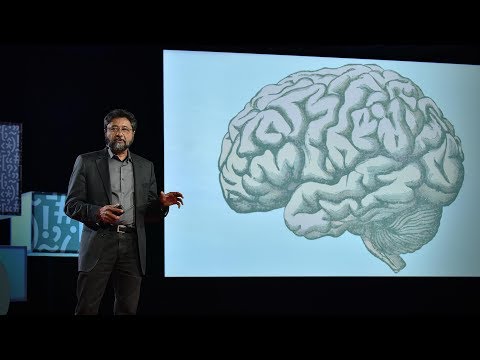
【TED】Anjan Chatterjee: How your brain decides what is beautiful (How your brain decides what is beautiful | Anjan Chatterjee)
0
kevin880524 posted on 2017/12/26Ever wondered what makes something beautiful? This fascinating TED talk dives into the science behind our perception of beauty, exploring how our brains decide what we find attractive! You'll pick up advanced vocabulary related to evolutionary psychology and beauty bias, making it a fantastic way to boost your English comprehension.
Learn this video on the APP!
The VoiceTube App has more in-depth practice for videos!