population
US /ˌpɑpjəˈleʃən/
・UK /ˌpɒpjuˈleɪʃn/
A2TOEIC
n. (c./u.)Noun (Countable/Uncountable)Number of people who live in a country, area etc.
The population of the village had decreased over the years as more people moved to the city
n. (c./u.)Noun (Countable/Uncountable)A group of individuals of one species living in a particular area.
The scientist studied the population of fish in the lake.
n. (c./u.)Noun (Countable/Uncountable)The entire pool from which a statistical sample is drawn.
The sample was representative of the entire population.
n. (c./u.)Noun (Countable/Uncountable)A set of solutions in a genetic algorithm.
The initial population for the genetic algorithm was randomly generated.
Video subtitles
Bereavement: How to Transform Grief & Depression Through Spiritual Healing

- You know, I tell a story in the book about a troop of, of chimpanzees in Africa and how some anthropologists found that there was a, a small por part of the population of chimpanzees in this chimp village called a troop that seemed to display depressed behavior.
You know, I tell a story in the book about a troop of, of chimpanzees in Africa and how some anthropologists found that there was a, a small por part of the population of chimpanzees in this chimp village called a troop that seemed to display depressed behavior.
- So these anthropologists thought that was very interesting because it seemed to mirror the human population.
So these anthropologists thought that was very interesting because it seemed to mirror the human population.
The First Presidential Debate: Hillary Clinton And Donald Trump (Full Debate) | NBC News

- Of course, we are 5 percent of the world's population.
Of course, we are 5 percent of the world's population.
- POPULATION.
POPULATION.
Learn Downtown Vocabulary in New York ?? With your favorite English teacher ❤️

- Can you believe it? It's population is huge.
Can you believe it? It's population is huge.
- Another important part of a city are the streets. This is a street and as I said before, New York City has a large population and a bunch of tourists.
Another important part of a city are the streets. This is a street and as I said before, New York City has a large population and a bunch of tourists.
Why Do the Chinese Use Chopsticks

- This actually matters quite a lot when you've got a population as big as China's, which - mind you - was about 1/4th of the entire world's population at the time.
This actually matters quite a lot when you've got a population as big as China's, which - mind you - was about 1/4th of the entire world's population at the time.
- This actually matters quite a lot when you've got a population as big as China's, which, mind you, was about one-fourth of the entire world's population at the time.
This actually matters quite a lot when you've got a population as big as China's, which, mind you, was about one-fourth of the entire world's population at the time.
12 Signs You’re Way More Intelligent Than You Realize

- of the population. But most intelligence tests don't account for all the different
of the population. But most intelligence tests don't account for all the different
- Intelligence tests are one common way for people to measure how they stack up against the rest of the population.
Intelligence tests are one common way for people to measure how they stack up against the rest of the population.
India’s Obesity Time Bomb
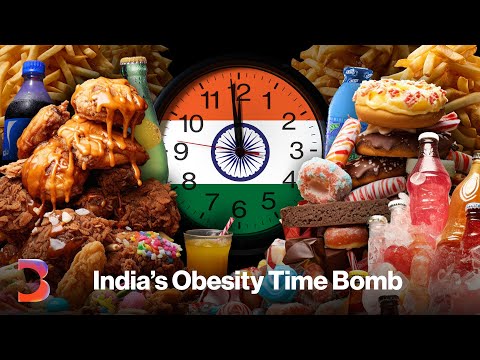
- productivity losses resulting from an overweight population are estimated to top $129 billion by 2035, almost 2% of its GDP.
productivity losses resulting from an overweight population are estimated to top $129 billion by 2035, almost 2% of its GDP.
- productivity losses resulting from an overweight population are estimated to top $129 billion by 2035, almost 2% of its GDP.
productivity losses resulting from an overweight population are estimated to top $129 billion by 2035, almost 2% of its GDP.
How Singapore Got So Crazy Rich

- The government is definitely cognizant that its population is changing.
The government is definitely cognizant that its population is changing.
- The government is definitely cognizant that its population is changing.
The government is definitely cognizant that its population is changing.
Winter Anime 2018 in a Nutshell

- Japan is back at it again trying to get their population to breed with a show about babies being absolutely adorable little bastards.
Japan is back at it again trying to get their population to breed with a show about babies being absolutely adorable little bastards.
- Japan is back at it again trying to get their population to breed
Japan is back at it again trying to get their population to breed
It’s Not Just the U.S. Why Are World Leaders So Old Now? | WSJ State of the Stat
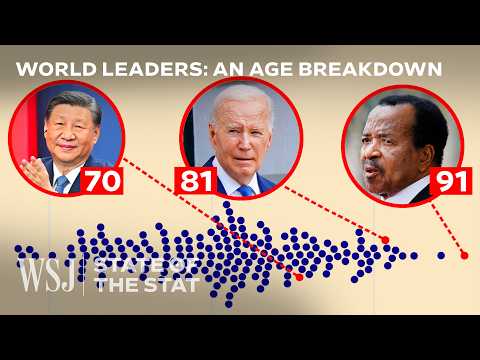
- And the gap in age between leaders and their constituents is more pronounced in certain regions, like Sub-Saharan Africa, where the population has been growing younger but leaders are some of the oldest globally.
And the gap in age between leaders and their constituents is more pronounced in certain regions, like Sub-Saharan Africa, where the population has been growing younger but leaders are some of the oldest globally.
- where the population has been growing younger,
where the population has been growing younger,
Capitalism and Socialism: Crash Course World History #33
- That kind of investment definitely increased wealth, but it only affected a sliver of the population,
That kind of investment definitely increased wealth, but it only affected a sliver of the population,
- Those higher prices for grain probably resulted from population growth, which in turn was encouraged by increased production of food crops.
Those higher prices for grain probably resulted from population growth, which in turn was encouraged by increased production of food crops.