
addictive
US /əˈdɪktɪv/
UK /əˈdɪktɪv/
- Adjective
- Being powerless to stop doing or using something
B1Morearise
US /əˈraɪz/
UK /əˈraɪz/
- Intransitive Verb
- To stand up
- To result or happen due to a particular event
A2Moreat school
US
UK
- Phrase
- Present and attending school.
A1Moreat some point
US /æt sʌm pɔɪnt/
UK /æt sʌm pɔint/
- Phrase
- At an unspecified time, usually in the future.
A1Moreattention
US /əˈtɛnʃən/
UK /əˈtenʃn/
- Noun (Countable/Uncountable)
- Taking notice of someone or something
- Noun
- (Soldiers) Standing with straight backs
A2TOEICMoreawait
US /əˈwet/
UK /əˈweɪt/
- Transitive Verb
- To keep ready for future needs
- To be ready to happen, or about to happen
B1Moreaware
US /əˈwɛr/
UK /əˈwɛə/
- Adjective
- Knowing or feeling that something exists
A2TOEICMoreback into
US /bæk ˈɪntu/
UK /bæk ˈɪntuː/
- Phrasal Verb
- To drive a vehicle backwards into a space or area.
- To accidentally collide with something while moving backwards.
A1Morecapacity
US /kəˈpæsɪti/
UK /kə'pæsətɪ/
- Noun (Countable/Uncountable)
- Ability to hold, involve or contain (e.g. liquids)
- Largest amount of something that can be produced
B1Morechoke
US /tʃoʊk/
UK /tʃəʊk/
- Transitive Verb
- To cause someone not to breathe
- To suppress or restrain.
- Intransitive Verb
- To be unable to breath due to a blockage
B2Morechoke on
US
UK
- Phrasal Verb
- To be unable to breathe properly because something is stuck in your throat or airway.
cognition
US /kɑ:gˈnɪʃn/
UK /kɒgˈnɪʃn/
- Uncountable Noun
- Recognition involved in thought processing
C1Moreconserve
US /kənˈsɜ:rv/
UK /kənˈsɜ:v/
- Transitive Verb
- To save or protect something
- To keep or put in reserve
- Uncountable Noun
- The act of conserving something, especially a natural resource.
B1Morecontext
US /ˈkɑnˌtɛkst/
UK /ˈkɒntekst/
- Noun (Countable/Uncountable)
- Set of facts surrounding a person or event
- The circumstances that form the setting for an event, statement, or idea, and in terms of which it can be fully understood and assessed.
A2Morecortex
US /ˈkɔrˌteks/
UK /'kɔ:teks/
- Noun (Countable/Uncountable)
- The outer part of an organ/structure, e.g. brain
- The outer layer of the cerebrum (the cerebral cortex), other organs, or a plant.
C1Morecrave
US /krev/
UK /kreɪv/
- Verb (Transitive/Intransitive)
- To have a very strong desire for something
B2Morecuriosity
US /ˌkjʊriˈɑsɪti/
UK /ˌkjʊərɪ'ɒsətɪ/
- Noun (Countable/Uncountable)
- Something unusual and perhaps worthy of collecting
- Eager desire to learn more about something
B1Morecurious
US /ˈkjʊriəs/
UK /ˈkjʊəriəs/
- Adjective
- Wanting to know more about something
- Attracting interest by being strange or unusual
A2Morecuriously
US /ˈkjʊrɪəslɪ/
UK /'kjʊərɪəslɪ/
- Adverb
- In a manner differing from the usual or expected
B1Moredaydream
US /ˈdeˌdrim/
UK /ˈdeɪdri:m/
- Intransitive Verb
- To wonder or imagine fantasies happening
- Noun
- Experience of imagining fantasies happening
B2Moredeaf
US /dɛf/
UK /def/
- Adjective
- Not able to hear; hard of hearing
B1Moredrift
US /drɪft/
UK /drɪft/
- Intransitive Verb
- (Of sand, etc.) to be blown into heaps by the wind
- (Of boats) to move without purpose on water
B1Moredrift off
US /drɪft ɔf/
UK /drift ɔf/
- Phrasal Verb
- To gradually fall asleep.
C2Morefall back into
US /fɔl bæk ˈɪntu/
UK /fɔ:l bæk ˈintu/
- other
- To revert to a previous behavior or condition.
B2Morefeel like
US
UK
- Intransitive Verb
- To have a desire or inclination for something.
- To have a particular quality or sensation; resemble.
A1Morego ahead
US /ɡo əˈhɛd/
UK /ɡəu əˈhed/
- Phrasal Verb
- To start an activity; start doing, working etc.
- To give permission to do something
- Intransitive Verb
- To start or proceed with something
- To proceed despite potential obstacles or doubts.
A1Morego away
US /ɡo əˈwe/
UK /ɡəu əˈwei/
- Phrasal Verb
- To go on vacation
- To leave; depart.
A1Moregoing on
US /ˈɡoɪŋ ɑn/
UK /ˈgəʊɪŋ ɔn/
- Phrasal Verb
- To continue doing something
- To happen (usually negative)
A1Morehabit
US /ˈhæbɪt/
UK /'hæbɪt/
- Noun
- Loose clothing like a cloak, worn by monks, nuns
- Usual way of behaving; something often repeated
A2TOEICMorehave to
US /hæv tu/
UK /ˈhæv tə/
- Auxiliary Verb
- Must do
A1Morehypothesis
US /haɪˈpɑθɪsɪs/
UK /haɪˈpɒθəsɪs/
- Noun
- A theory trying to explain something
- A supposition or proposed explanation made on the basis of limited evidence as a starting point for further investigation.
B1Morein fact
US /ɪn fækt/
UK /in fækt/
- Adverb
- Used to emphasize the truth of a statement, especially one that contrasts with or contradicts something else.
- Used to introduce a more detailed or surprising piece of information.
- Phrase
- Used to emphasize the truth of a statement, especially one that is surprising or contrary to what might be expected.
C1Morein other words
US
UK
- Phrase
- Stating something in a different way, often to make it clearer or more understandable.
in the first place
US
UK
- Phrase
- To begin with; as the first point or consideration.
- From the beginning; initially.
A1Morein the middle of
US
UK
- Phrase
- In the central part or point of something.
- Engaged or occupied with something.
A2Morein the world
US /ɪn ði wɜrld/
UK /in ðə wɜː(r)ld/
- Phrase
- Used to emphasize a question expressing surprise, confusion, disbelief
- Used to indicate the extent or degree of something, often in a superlative sense
A1Moreinstead of
US /ɪnˈstɛd ʌv/
UK /inˈsted ɔv/
- Preposition
- When one thing is replaced by another
- Adverb
- As a substitute or alternative.
A1Moreinstruction
US /ɪnˈstrʌkʃən/
UK /ɪn'strʌkʃn/
- Noun (Countable/Uncountable)
- A command for someone formally to do something
- Act of teaching or explaining to others
- Uncountable Noun
- Information about how to do or use something
A2TOEICMoremeditate
US /ˈmɛdɪˌtet/
UK /ˈmedɪteɪt/
- Intransitive Verb
- To think deeply and quietly to calm your spirit
- To think deeply or focus one's mind for a period of time.
B2Moremeditator
US /'medɪteɪtə/
UK /'medɪteɪtə/
- Noun
- Someone thinking in a deep quiet reflective manner
B2Moremortality
US /mɔrˈtælɪti/
UK /mɔ:ˈtæləti/
- Uncountable Noun
- Quality or state of being capable of dying
- The state of being subject to death; the proportion of deaths to population.
B2Moreno accident
US
UK
- Adjective
- Not happening by chance; deliberate or intentional.
- Something that was bound to happen, given the circumstances.
- Phrase
- Not a chance occurrence; the result of planning or effort.
A2Moreobesity
US /oˈbisɪti/
UK /əʊ'bi:sətɪ/
- Uncountable Noun
- State of being so fat it can harm your health
- The state of being far too heavy; corpulence.
B2Moreof old
US /ʌv oʊld/
UK /əv əuld/
- other
- From a long time ago; in the past.
B2Moreon average
US /ɑn ˈævərɪdʒ/
UK /ɔn ˈævəridʒ/
- Phrase
- Typically; usually; based on an average calculation.
B1Moreout of it
US /aʊt ʌv ɪt/
UK /aut ɔv it/
- Adjective
- Unconscious or not completely alert; dazed or confused.
- Not able to think clearly or react quickly; not with it.
A1Moreover time
US /ˈovɚ taɪm/
UK /ˈəuvə taim/
- Phrase
- Gradually; as time passes.
- During a long period.
- Adverb
- Gradually; as time passes.
B1Moreparadox
US /ˈpærəˌdɑks/
UK /'pærədɒks/
- Noun
- Surprising statement containing two opposing ideas
B2Moreperpetuate
US /pɚˈpɛtʃuˌet/
UK /pə'petʃʊeɪt/
- Transitive Verb
- To make something continue for a long time
B2TOEICMoreposterior
US /pɑ:ˈstɪriə/
UK /pɒˈstɪəriə(r)/
- Adjective
- Positioned at or towards the back; later in time
C1Moreprocess
US /ˈprɑsˌɛs, ˈproˌsɛs/
UK /prə'ses/
- Transitive Verb
- To organize and use data in a computer
- To deal with official forms in the way required
- Noun (Countable/Uncountable)
- Dealing with official forms in the way required
- Set of changes that occur slowly and naturally
A2TOEICMorequit
US /kwɪt/
UK /kwɪt/
- Verb (Transitive/Intransitive)
- To leave a job
- To leave a place
- Intransitive Verb
- To leave a school etc. without finishing
B1Morerather than
US
UK
- Adverb
- More exactly; more correctly
- Preferably; instead
- Preposition
- Instead of
A1Morereactive
US /riˈæktɪv/
UK /riˈæktɪv/
- Adjective
- Easily reacting to; responsive
B1Moreregion
US /ˈridʒən/
UK /'ri:dʒən/
- Noun (Countable/Uncountable)
- Part of a country, of the world, area, etc.
- A part of the body
A2TOEICMorereinforcement
US /ˌriɪnˈfɔrsmənt, -ˈfors-/
UK /ˌri:ɪn'fɔ:smənt/
- Noun
- Act of strengthening or supporting an army
- Act of strengthening or adding support to
B2TOEICMorereward
US /rɪˈwɔrd/
UK /rɪ'wɔ:d/
- Transitive Verb
- To give something because of someone's good work
- To give someone money for helping the police
- Noun
- Money given for information about criminals
- Something given in recognition of service, effort, or achievement.
A2TOEICMoresignal
US /ˈsɪɡnəl/
UK /'sɪɡnəl/
- Verb (Transitive/Intransitive)
- To be evidence/an indication something will happen
- To make a noise or motion to tell someone to start
- Noun (Countable/Uncountable)
- Evidence or an indication something will happen
- Movement of a hand or other means to send messages
A2Moresimplistic
US
UK
- Adjective
- Being too simply expressed or explained
C1Moresix times
US
UK
- Adverb
- Multiplied by six; a factor of six.
- On six occasions; six instances.
smoke
US /smoʊk/
UK /sməʊk/
- Intransitive Verb
- To give off a cloud of grey gas from burning
- Uncountable Noun
- Grey gas from fires and cigarettes
- Fog of air coming from e.g. a cigarette, fire
B1Morestep into
US /stɛp ˈɪntu/
UK /step ˈɪntuː/
- Phrasal Verb
- To enter a place or situation.
- To become involved in something, especially a job or role.
A1Morestep out
US
UK
- Phrasal Verb
- To go outside for a short time
- To begin a romantic relationship with someone.
A1Morestress
US / strɛs/
UK /stres/
- Transitive Verb
- To emphasize one or more parts of a word, sentence
- To put pressure on something or someone
- Noun (Countable/Uncountable)
- Emphasis on part of a word or sentence
- Pressure on something or someone
A2TOEICMoretap
US /tæp/
UK /tæp/
- Transitive Verb
- To access a liquid (e.g. in a tree) through a hole
- To spy one someone electronically
- Noun (Countable/Uncountable)
- Faucet; the place you can get water from a pipe
- Light hit, generally one that makes a sound
A2Moretap into
US /tæp ˈɪntu/
UK /tæp ˈɪntuː/
- Phrasal Verb
- To manage to use something in a way that brings you benefits
- To understand and express something that people are feeling
B1Moretext back
US
UK
- Phrasal Verb
- To reply to a text message.
A2Moreto distraction
US /tə dɪsˈtrækʃən/
UK /tə dɪsˈtrækʃən/
- other
- To an extreme or excessive degree.
B2Moretrigger
US /ˈtrɪɡɚ/
UK /'trɪɡə(r)/
- Noun
- Lever on a gun that you pull to fire
- Device that starts a process
- Transitive Verb
- To start a process off e.g. a memory
- To cause something to begin or happen.
B1Moreunpleasant
US /ʌnˈplɛzənt/
UK /ʌnˈpleznt/
- Adjective
- Causing a bad feeling in people
- Disagreeable or offensive in behavior or manner.
B1Moreurge
US /ɚdʒ/
UK /ɜ:dʒ/
- Noun (Countable/Uncountable)
- A strong desire for something
- Strong pressure on someone to do something
- Transitive Verb
- To drive something forward
- To ask or encourage someone to do something
A2Morevisceral
US /ˈvɪsərəl/
UK /ˈvɪsərəl/
- Adjective
- From deep within you; caused by strong instincts
C1TOEICMorewander
US /ˈwɑ:ndə(r)/
UK /ˈwɒndə(r)/
- Intransitive Verb
- To move through a place with no particular purpose
- To move through a place with no particular purpose
A2TOEICMoreyuck
US /jʌk/
UK /jʌk/
- Interjection
- Used to express rejection or strong disgust
C1More
Vocabulary
- step out: To go outside for a short time
- instead of: When one thing is replaced by another
- rather than: More exactly; more correctly
- tap into: To manage to use something in a way that brings you benefits
- in the middle of: In the central part or point of something.
- drift off: To gradually fall asleep.
- at some point: At an unspecified time, usually in the future.
- going on: To continue doing something
- at school: Present and attending school.
- no accident: Not happening by chance; deliberate or intentional.
- in the world: Used to emphasize a question expressing surprise, confusion, disbelief
- six times: Multiplied by six; a factor of six.
- on average: Typically; usually; based on an average calculation.
- in fact: Used to emphasize the truth of a statement, especially one that contrasts with or contradicts something else.
- go ahead: To start an activity; start doing, working etc.
- back into: To drive a vehicle backwards into a space or area.
- fall back into: To revert to a previous behavior or condition.
- have to: Must do
- in the first place: To begin with; as the first point or consideration.
- over time: Gradually; as time passes.
- of old: From a long time ago; in the past.
- go away: To go on vacation
- feel like: To have a desire or inclination for something.
- choke on: To be unable to breathe properly because something is stuck in your throat or airway.
- in other words: Stating something in a different way, often to make it clearer or more understandable.
- step into: To enter a place or situation.
- to distraction: To an extreme or excessive degree.
- out of it: Unconscious or not completely alert; dazed or confused.
- text back: To reply to a text message.
- process: To organize and use data in a computer
- context: Set of facts surrounding a person or event
- trigger: Lever on a gun that you pull to fire
- obesity: State of being so fat it can harm your health
- experience: Thing a person has done or that happened to them
- crave: To have a very strong desire for something
- urge: A strong desire for something
- aware: Knowing or feeling that something exists
- capacity: Ability to hold, involve or contain (e.g. liquids)
- force: Group of persons trained for military action; army
- cortex: The outer part of an organ/structure, e.g. brain
- meditate: To think deeply and quietly to calm your spirit
- curious: Wanting to know more about something
- mortality: Quality or state of being capable of dying
- reward: To give something because of someone's good work
- stress: To emphasize one or more parts of a word, sentence
- paradox: Surprising statement containing two opposing ideas
- bit: Device put in a horse's mouth to control it
- hypothesis: A theory trying to explain something
- prefrontal: Anterior to a frontal structure
- brain: To strike someone forcefully on the head
- region: Part of a country, of the world, area, etc.
- behavior: The way a person or thing acts; manner
- attention: Taking notice of someone or something
- curiosity: Something unusual and perhaps worthy of collecting
- tap: To access a liquid (e.g. in a tree) through a hole
- wander: To move through a place with no particular purpose
- drift: (Of sand, etc.) to be blown into heaps by the wind
- mindfulness: Paying attention to your responsibilities
- instruction: A command for someone formally to do something
- text: To send a message by phone or other device
- signal: To be evidence/an indication something will happen
- moment: Very short or brief period of time
- addictive: Being powerless to stop doing or using something
- visceral: From deep within you; caused by strong instincts
- notice: To become aware by sight, touch, or hearing
- habit: Loose clothing like a cloak, worn by monks, nuns
- arise: To stand up
- control: A device designed to operate a machine
- learn: To get knowledge or skills by study or experience
- simple: Not hard to understand or do; not complex
- catch: Amount of something that has been caught
- unpleasant: Causing a bad feeling in people
- choke: To cause someone not to breathe
- chance: The way something happens without planning
- reinforcement: Act of strengthening or supporting an army
- conserve: To save or protect something
- perpetuate: To make something continue for a long time
- cognition: Recognition involved in thought processing
- quit: To leave a job
- deaf: Not able to hear; hard of hearing
- simplistic: Being too simply expressed or explained
- posterior: Positioned at or towards the back; later in time
- reactive: Easily reacting to; responsive
- await: To keep ready for future needs
- daydream: To wonder or imagine fantasies happening
- smoke: To give off a cloud of grey gas from burning
- curiously: In a manner differing from the usual or expected
- yuck: Used to express rejection or strong disgust
- meditator: Someone thinking in a deep quiet reflective manner
Get the full experience in the app
Learn anywhere with detailed sentence and usage analysis
01:03
She took a brave step forward, leaving behind her comfort zone to chase her dreams.
Vocabulary
- brave
adj. Having courage
- comfort zone
phr. A familiar situation where one feels safe
Explanation
a brave step is a noun phrase, where brave is an adjective modifying the noun step, meaning "a courageous step".
forward is an adverb modifying step, meaning "ahead".
The whole phrase serves as the object, answering the "what" of took (verb) — she took a brave step forward.
Get the full experience in the app
Look up words anytime with pronunciation, part of speech, and usage
brave
US/brev/
UK/breɪv/
adj.Brave
v.t.To bravely face
A2 Elementary
Get the full experience in the app
Practice speaking anytime and get instant pronunciation feedback
Try this speaking exercise.
Try practicing with this sentence.
80
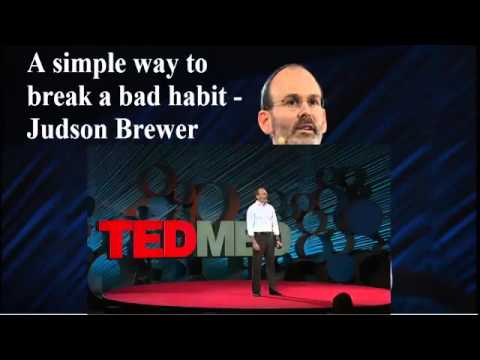
A simple way to break a bad habit Judson Brewer Ted Talks 2016
0
Keto648 posted on 2017/12/24Ever feel stuck in a rut with a bad habit? This TED Talk offers a super simple, science-backed way to break free, using curious awareness and positive reinforcement! You'll pick up practical strategies and some advanced vocabulary related to mindfulness and habit change that you can use every day.
Learn this video on the APP!
The VoiceTube App has more in-depth practice for videos!