
ability
US /əˈbɪlɪti/
UK /ə'bɪlətɪ/
- Noun (Countable/Uncountable)
- The power, resources or skill to do something
- A particular skill or talent.
A2TOEICMoreactivate
US /ˈæktəˌvet/
UK /ˈæktɪveɪt/
- Transitive Verb
- To cause to happen; cause a chemical reaction
- To make something start working
B1Moreaffect
US /əˈfɛkt/
UK /ə'fekt/
- Transitive Verb
- To cause a change in something else
- To pretend to have or feel (something).
- Noun
- (Psychology) Emotion or feeling.
A2TOEICMoreall at once
US
UK
- Adverb
- Suddenly; at the same time
- At the same time; simultaneously
- Phrase
- Suddenly; at the same time
A1Moreapplause
US /əˈplɔz/
UK /ə'plɔ:z/
- Noun (Countable/Uncountable)
- The sound made by clapping a performance or speech
B1Moreas well as
US /æz wɛl æz/
UK /æz wel æz/
- Adverb
- Also; in addition to
- Preposition
- In addition to; and also.
A1Moreat least
US /æt list/
UK /æt li:st/
- Adverb
- As a minimum
- Not less than
- Phrase
- No less than; at the minimum
- Used to indicate that something is positive in a bad situation.
C2Moreat once
US /æt wʌns/
UK /æt wʌns/
- Adverb
- Immediately; without delay
- At the same time; simultaneously
A2Moreat random
US /æt ˈrændəm/
UK /æt ˈrændəm/
- Phrase
B1Moreat that time
US /æt ðæt taɪm/
UK /æt ðæt taim/
- Phrase
- During a specific point in the past.
A1Moreback to normal
US
UK
- Adjective
- Returned to the usual or expected state or condition.
- Phrase
- In the usual or ordinary way; as things were before.
A2Morebind
US /baɪnd/
UK /baɪnd/
- Transitive Verb
- To cover a wound, as with a bandage
- To put pages and a cover together to create a book
A2Morecancer
US /ˈkænsɚ/
UK /'kænsə(r)/
- Noun
- Any growth caused by abnormal cell division
B1Morecapacity
US /kəˈpæsɪti/
UK /kə'pæsətɪ/
- Noun (Countable/Uncountable)
- Ability to hold, involve or contain (e.g. liquids)
- Largest amount of something that can be produced
B1Morecare of
US /kɛr ʌv/
UK /kɛə ɔv/
- Preposition
- Used in an address to indicate the person who will receive the mail for someone else.
A2Morecome up with
US /kʌm ʌp wɪð/
UK /kʌm ʌp wið/
- Phrasal Verb
- To think of an idea or solution; produce
A1Morecompartment
US /kəmˈpɑ:rtmənt/
UK /kəmˈpɑ:tmənt/
- Noun (Countable/Uncountable)
- Enclosed part used to hold particular thing
- A section of seats in a closed area in a train
B1Moredamage
US /ˈdæmɪdʒ/
UK /ˈdæmɪdʒ/
- Noun (Countable/Uncountable)
- Physical harm that is done to something
- Transitive Verb
- To harm physically; to hurt or break something
- To harm the reputation of someone.
A2TOEICMoredisease
US /dɪˈziz/
UK /dɪˈzi:z/
- Noun (Countable/Uncountable)
- Illness that affects a person, animal, or plant
- A disorder of structure or function in a plant, especially one caused by a pathogen.
- Transitive Verb
- To affect with disease; to corrupt or sicken.
A2TOEICMoredna
US
UK
- Noun (Countable/Uncountable)
- Chemical in living cells with genetic information
B2Moredrug
US /drʌɡ/
UK /drʌɡ/
- Noun (Countable/Uncountable)
- Illegal substance taken for effect on the mind
- Chemical used as a medicine
- Transitive Verb
- To give drugs to someone to make them sleep
A2Moreethically
US /'eθɪklɪ/
UK /'eθɪklɪ/
- Adverb
- As regards moral principles and rules of behavior
B1Moreextend
US /ɪkˈstɛnd/
UK /ɪkˈstend/
- Transitive Verb
- To offer something (help, friendship) to someone
- To reach from one point to another
A2TOEICMorefavorable
US /ˈfevərəbəl, ˈfevrə-/
UK /'feɪvərəbl/
- Adjective
- When a good result or positive outcome is likely
B2TOEICMorefor example
US
UK
- Phrase
- As an illustration or instance.
for long
US
UK
- Phrase
- For a considerable period of time.
- For a significant duration in the future.
A1Morefrom scratch
US /frʌm skrætʃ/
UK /frɔm skrætʃ/
- Phrase
- From the very beginning; from nothing.
- From the very beginning; using new materials rather than something that already exists.
A1Morefunction
US /ˈfʌŋkʃən/
UK /'fʌŋkʃn/
- Noun
- Social event, or party such as a wedding
- Mathematical operation used in calculations
- Intransitive Verb
- To serve a certain purpose or role
- To be operating, working or achieving its purpose
A2TOEICMoregene
US /dʒin/
UK /dʒi:n/
- Noun
- Part of cell controlling development of a thing
B1Morego back to
US /ɡo bæk tu/
UK /ɡəu bæk tu:/
- Phrasal Verb
- To return to a starting point
A1Morego out
US /ɡo aʊt/
UK /ɡəu aut/
- Phrase
- To leave a building (e.g. a house)
- Phrasal Verb
- (Of a fire) to burn out; be extinguished
- Go out of fashion to stop being fashionable
A1Morehave to
US /hæv tu/
UK /ˈhæv tə/
- Auxiliary Verb
- Must do
A1Morehormone
US /ˈhɔrˌmon/
UK /'hɔ:məʊn/
- Noun
- Chemical produced by the body to control functions
B2Morehurricane
US /ˈhɚrɪˌken, ˈhʌr-/
UK /'hʌrɪkən/
- Noun
- Very severe storm usually occurs near the ocean
B1Moreimmune
US /ɪˈmjoon/
UK /ɪˈmju:n/
- Adjective
- Having a special protection from, e.g. the law
- Protected against a particular disease or condition because of antibodies or vaccination.
B1Morein green
US /ɪn ɡrin/
UK /ɪn ɡri:n/
- other
- Located in or surrounded by green plants or fields.
B2Morein order to
US /ɪn ˈɔrdɚ tu/
UK /in ˈɔ:də tu:/
- Preposition
- For the purpose of; with the aim of.
- Phrase
- In a specific sequence or arrangement.
- With the aim of; for the purpose of.
C1Morein principle
US /ɪn ˈprɪnsəpəl/
UK /in ˈprinsəpl/
- Phrase
- In theory; as a general idea, though not yet in practice or detail.
C1Morein red
US /ɪn rɛd/
UK /in red/
- Phrase
- Marked or written using the colour red.
- Adjective
- Operating at a financial loss; in debt.
in the middle of
US
UK
- Phrase
- In the central part or point of something.
- Engaged or occupied with something.
A2Morein the picture
US
UK
- Phrase
- Aware of what is happening; informed.
- Involved in something; participating.
A1Moreinside of
US /ɪnˈsaɪd ʌv/
UK /inˈsaid ɔv/
- Preposition
- Within; in the inner part of.
- Within a certain period of time.
A1Moreinsulin
US /ˈɪnsəlɪn/
UK /ˈɪnsjəlɪn/
- Uncountable Noun
- Substance in the body processing sugar into energy
B2Moreknow about
US /noʊ əˈbaʊt/
UK /nəʊ əˈbaut/
- Phrasal Verb
- To have information or understanding of a subject or situation.
lab
US /læb/
UK /læb/
- Noun (Countable/Uncountable)
- Short for 'laboratory'
B1Morelifespan
US /ˈlaɪfspæn/
UK /ˈlaɪfspæn/
- Noun
- Length of time something is expected to last
B2Morelive for
US /liv fɔr/
UK /liv fɔ:/
- Phrasal Verb
- To consider something the most important thing in your life; to find purpose or great pleasure in something.
A1Morelook at
US /lʊk æt/
UK /luk æt/
- Phrasal Verb
- To use your eyes to focus on something
- To focus your eyes on something carefully
A1Morelook for
US /lʊk fɔr/
UK /luk fɔ:/
- Phrasal Verb
- To try to find a thing or person that is lost
- To expect or anticipate something.
A1Morelooking out
US
UK
- Phrasal Verb
- To take care and watch something carefully
- To be careful; to be vigilant
- Intransitive Verb
- To be careful or vigilant
A1Moremove to
US /muv tu/
UK /mu:v tu:/
- Phrasal Verb
- To change the place where you live or work.
- Verb (Transitive/Intransitive)
- To proceed to the next stage or action.
A2Moremutant
US /ˈmjutn:t/
UK /ˈmju:tənt/
- Noun (Countable/Uncountable)
- Organism derived from a change in genes
- A fictional being with altered or enhanced abilities due to mutation.
- Adjective
- Resulting from or showing the effect of mutation.
- Differing in some respect from the normal or typical form.
B2Moremutation
US /mjuˈteʃən/
UK /mju:'teɪʃn/
- Noun
- Change that changes genetic structure
B2Morenucleus
US /ˈnu:kliəs/
UK /ˈnju:kliəs/
- Noun
- Center of an atom
- Control center of a cell
B2Moreof course
US /ʌv kɔː(r)s/
UK /ɔv kɔː(r)s/
- Adverb
- Sure ; Certainly
- Phrase
- For sure; certainly
A2Moreof itself
US /ʌv ɪtˈself/
UK /əv ɪtˈself/
- other
- Happening automatically without external cause or help.
B1Moreof old
US /ʌv oʊld/
UK /əv əuld/
- other
- From a long time ago; in the past.
B2Moreon the inside
US /ɑn ði ɪnˈsaɪd/
UK /ɔn ðə inˈsaid/
- Phrase
- Having a position of authority or influence within an organization or system.
- In prison; incarcerated.
- Adjective
- Possessing secret or confidential information.
A1Moreon the telephone
US /ɑn ðə ˈtɛləˌfoʊn/
UK /ɒn ðə ˈtɛlɪfəʊn/
- other
- Engaged in a phone call.
A2Moreoptimistic
US /ˌɑːptɪˈmɪstɪk/
UK /ˌɒptɪˈmɪstɪk/
- Adjective
- Tending to believe the future will be good
- Confident and hopeful about future outcomes.
B2Moreout there
US /aʊt ðɛr/
UK /aut ðɛə/
- Adverb
- In or to a place that is far away
- Existing in the universe
- Adjective
- Unconventional; strange; avant-garde
- Existing or available.
A1Morepathway
US /ˈpæθˌwe, ˈpɑθ-/
UK /ˈpɑ:θweɪ/
- Noun (Countable/Uncountable)
- A path or way that you can walk
B1Morepopulation
US /ˌpɑpjəˈleʃən/
UK /ˌpɒpjuˈleɪʃn/
- Noun (Countable/Uncountable)
- Number of people who live in a country, area etc.
- A group of individuals of one species living in a particular area.
A2TOEICMoreprevent
US /prɪˈvɛnt/
UK /prɪ'vent/
- Transitive Verb
- To stop something from happening or existing
A2TOEICMoreprogeny
US /ˈprɑdʒəni/
UK /'prɒdʒənɪ/
- Noun
- Offspring of an animal or plant
C1Moreprotein
US /ˈprəʊˌtiːn/
UK /ˈprəʊti:n/
- Noun (Countable/Uncountable)
- Group of molecules made from amino acids
B1Moreput off
US /pʊt ɔf/
UK /put ɔf/
- Phrasal Verb
- To take off, e.g. clothing
- To delay until a later date
A1Morereceptor
US /rɪˈseptər /
UK /rɪˈseptə(r)/
- Noun
- A nerve ending that changes stimuli into impulses
B2Morerelate
US /rɪˈlet/
UK /rɪ'leɪt/
- Transitive Verb
- To demonstrate a logical relationship between
- To understand or sympathize with, e.g. a problem
A2TOEICMorescout
US /skaʊt/
UK /skaʊt/
- Verb (Transitive/Intransitive)
- To watch or search for something or someone
B2Moresee in
US /si ɪn/
UK /si: in/
- Phrasal Verb
- To accompany someone to the entrance of a building or room.
A1Moreset out
US /sɛt aʊt/
UK /set aut/
- Phrasal Verb
- To arrange something in an orderly fashion
- To give in detail in writing
A1Moreset to
US /sɛt tu/
UK /set tu:/
- Phrasal Verb
- To energetically begin to do, e.g. making a fire
A1Moresignal
US /ˈsɪɡnəl/
UK /'sɪɡnəl/
- Verb (Transitive/Intransitive)
- To be evidence/an indication something will happen
- To make a noise or motion to tell someone to start
- Noun (Countable/Uncountable)
- Evidence or an indication something will happen
- Movement of a hand or other means to send messages
A2Moreslow down
US /slo daʊn/
UK /sləu daun/
- Phrasal Verb
- To reduce the speed
- To become less active or busy.
A1Morespeed up
US /spid ʌp/
UK /spi:d ʌp/
- Phrasal Verb
- To move more quickly
A2Morestress
US / strɛs/
UK /stres/
- Transitive Verb
- To emphasize one or more parts of a word, sentence
- To put pressure on something or someone
- Noun (Countable/Uncountable)
- Emphasis on part of a word or sentence
- Pressure on something or someone
A2TOEICMoresuperintendent
US /ˌsupərɪnˈtɛndənt, ˌsuprɪn-/
UK /ˌsu:pərɪnˈtendənt/
- Countable Noun
- Person in charge of a department or organization
C2Moreswitch
US /swɪtʃ/
UK /swɪtʃ/
- Noun
- A change or shift from one method to another
- Thing you move to turn electrical items on or off
- Transitive Verb
- To exchange or replace something for another thing
A2TOEICMoretalking about
US
UK
- Phrasal Verb
- To discuss a particular topic.
- To be constantly mentioning or bringing up a subject.
A1Moretend
US /tɛnd/
UK /tend/
- Intransitive Verb
- To move or act in a certain manner
- Transitive Verb
- To take care of
A2Moretestosterone
US /tɛsˈtɑstəˌron/
UK /tesˈtɔstərəun/
- Uncountable Noun
- Natural chemical responsible for the male sex
- A steroid hormone that stimulates development of male secondary sexual characteristics, and is produced mainly in the testes, but also in the ovaries and adrenal cortex.
C1Morethink of
US /θɪŋk ʌv/
UK /θiŋk ɔv/
- Phrasal Verb
- To look on as (being something specific); consider
- To consider or remember something.
- Verb (Transitive/Intransitive)
- To imagine or call something to mind
A1Moretor
US /tɔ:r/
UK /tɔ:(r)/
- Noun
- In parts of Britain, a high rocky hill
C2Moreuptake
US /ˈʌpˌtek/
UK /ˈʌpteɪk/
- Noun
- Process of being taken in by a living organism
C1Morewear out
US /wɛr aʊt/
UK /wɛə aut/
- Phrase
- Phrasal Verb
- To use until it becomes unusable; become unusable
- To make very tired; tire out
A1Moreworm
US /wɚm/
UK /wɜ:m/
- Noun
- Small thin tube-shaped animal without legs
- Transitive Verb
- To remove worms from an animals stomach
- To get information, etc. out of, by tricking them
B2More
Vocabulary
- look at: To use your eyes to focus on something
- see in: To accompany someone to the entrance of a building or room.
- for example: As an illustration or instance.
- talking about: To discuss a particular topic.
- think of: To look on as (being something specific); consider
- inside of: Within; in the inner part of.
- at least: As a minimum
- put off: To take off, e.g. clothing
- wear out
- out there: In or to a place that is far away
- slow down: To reduce the speed
- set out: To arrange something in an orderly fashion
- look for: To try to find a thing or person that is lost
- for long: For a considerable period of time.
- at random
- at that time: During a specific point in the past.
- in red: Marked or written using the colour red.
- in the picture: Aware of what is happening; informed.
- in green: Located in or surrounded by green plants or fields.
- on the inside: Having a position of authority or influence within an organization or system.
- speed up: To move more quickly
- of itself: Happening automatically without external cause or help.
- know about: To have information or understanding of a subject or situation.
- as well as: Also; in addition to
- of course: Sure ; Certainly
- all at once: Suddenly; at the same time
- at once: Immediately; without delay
- in the middle of: In the central part or point of something.
- care of: Used in an address to indicate the person who will receive the mail for someone else.
- on the telephone: Engaged in a phone call.
- come up with: To think of an idea or solution; produce
- in order to: For the purpose of; with the aim of.
- go out: To leave a building (e.g. a house)
- of old: From a long time ago; in the past.
- live for: To consider something the most important thing in your life; to find purpose or great pleasure in something.
- from scratch: From the very beginning; from nothing.
- back to normal: Returned to the usual or expected state or condition.
- go back to: To return to a starting point
- in principle: In theory; as a general idea, though not yet in practice or detail.
- have to: Must do
- move to: To change the place where you live or work.
- set to: To energetically begin to do, e.g. making a fire
- looking out: To take care and watch something carefully
- immune: Having a special protection from, e.g. the law
- applause: The sound made by clapping a performance or speech
- capacity: Ability to hold, involve or contain (e.g. liquids)
- tend: To move or act in a certain manner
- stress: To emphasize one or more parts of a word, sentence
- disease: Illness that affects a person, animal, or plant
- protein: Group of molecules made from amino acids
- hormone: Chemical produced by the body to control functions
- ability: The power, resources or skill to do something
- function: Social event, or party such as a wedding
- mutation: Change that changes genetic structure
- prevent: To stop something from happening or existing
- affect: To cause a change in something else
- population: Number of people who live in a country, area etc.
- similar: Nearly the same; alike
- switch: A change or shift from one method to another
- optimistic: Tending to believe the future will be good
- pretty: Being attractive to the eye in a simple way
- receptor: A nerve ending that changes stimuli into impulses
- relate: To demonstrate a logical relationship between
- suggest: To mention something that could be done; propose
- signal: To be evidence/an indication something will happen
- hurricane: Very severe storm usually occurs near the ocean
- normal: Standard or regular way of doing something
- activity: An action or task, e.g. sports, washing clothes
- lifespan: Length of time something is expected to last
- insulin: Substance in the body processing sugar into energy
- extend: To offer something (help, friendship) to someone
- control: A device designed to operate a machine
- drug: Illegal substance taken for effect on the mind
- kind: In a caring and helpful manner
- bind: To cover a wound, as with a bandage
- testosterone: Natural chemical responsible for the male sex
- person: Man, woman or child
- build: Your physical shape; physique
- compartment: Enclosed part used to hold particular thing
- activate: To cause to happen; cause a chemical reaction
- damage: Physical harm that is done to something
- protect: To defend someone or something from harm or danger
- change: To exchange one set of clothes for another
- grow: To get bigger and more mature; make plants do this
- scout: To watch or search for something or someone
- part: Division of a book
- set: Prepared for something; ready
- active: Moving around a lot or doing many things
- gene: Part of cell controlling development of a thing
- pathway: A path or way that you can walk
- worm: Small thin tube-shaped animal without legs
- cancer: Any growth caused by abnormal cell division
- nucleus: Center of an atom
- lab: Short for 'laboratory'
- mutant: Organism derived from a change in genes
- favorable: When a good result or positive outcome is likely
- superintendent: Person in charge of a department or organization
- ethically: As regards moral principles and rules of behavior
- uptake: Process of being taken in by a living organism
- progeny: Offspring of an animal or plant
- dna: Chemical in living cells with genetic information
- tor: In parts of Britain, a high rocky hill
Get the full experience in the app
Learn anywhere with detailed sentence and usage analysis
01:03
She took a brave step forward, leaving behind her comfort zone to chase her dreams.
Vocabulary
- brave
adj. Having courage
- comfort zone
phr. A familiar situation where one feels safe
Explanation
a brave step is a noun phrase, where brave is an adjective modifying the noun step, meaning "a courageous step".
forward is an adverb modifying step, meaning "ahead".
The whole phrase serves as the object, answering the "what" of took (verb) — she took a brave step forward.
Get the full experience in the app
Look up words anytime with pronunciation, part of speech, and usage
brave
US/brev/
UK/breɪv/
adj.Brave
v.t.To bravely face
A2 Elementary
Get the full experience in the app
Practice speaking anytime and get instant pronunciation feedback
Try this speaking exercise.
Try practicing with this sentence.
80
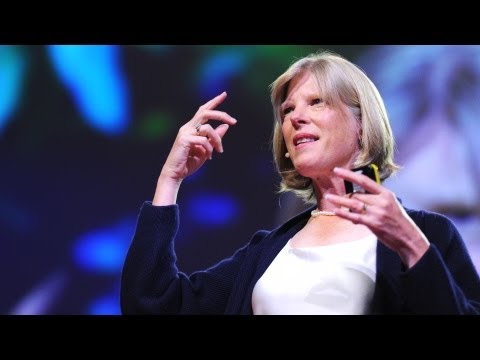
【TED】Cynthia Kenyon: Experiments that hint of longer lives (Cynthia Kenyon: Experiments that hint of longer lives)
0
胡以樵 posted on 2017/03/05Ever wondered if we could live longer and healthier lives? This fascinating TED Talk dives into the science behind aging, exploring experiments with genes and tiny worms that hint at extending our healthspan. You'll pick up some advanced vocabulary related to longevity research and discover how simple sentence structures can make complex ideas easy to grasp!
Learn this video on the APP!
The VoiceTube App has more in-depth practice for videos!