
alcohol
US /ˈælkəˌhɔl,-ˌhɑl/
UK /'ælkəhɒl/
- Uncountable Noun
- A colorless liquid that can catch fire (C2H5OH)
- Drinks such as wine, whiskey, beer
B1Moreannoying
US /əˈnɔɪɪŋ/
UK /əˈnɔɪɪŋ/
- Transitive Verb
- To make someone angry
- Adjective
- A little angry; upset
B1TOEICMoreanxiety
US /æŋˈzaɪɪti/
UK /æŋ'zaɪətɪ/
- Uncountable Noun
- A feeling of worry, nervousness, or unease about something that might happen, especially when the outcome is uncertain.
B1Moreat a time
US /æt e taɪm/
UK /æt ə taim/
- Phrase
- Separately; one by one
- Simultaneously; together
A1Moreaware
US /əˈwɛr/
UK /əˈwɛə/
- Adjective
- Knowing or feeling that something exists
A2TOEICMorebeat
US /bit/
UK /bi:t/
- Intransitive Verb
- To move in regular motions in order to push blood
- Transitive Verb
- To strike or hit repeatedly and with great force
- To mix ingredients together with a fork or machine
A2Morebreathe in
US /brið ɪn/
UK /bri:ð in/
- Phrasal Verb
- To inhale; to take air into the lungs.
B1Morebreathe out
US /brið aʊt/
UK /bri:ð aut/
- Phrasal Verb
- To exhale air from the lungs.
A1Morecalm
US /kɑm/
UK /kɑ:m/
- Adjective
- Without wind or storm; quiet; peaceful
- Relaxed and not worried or angry
- Verb (Transitive/Intransitive)
- To make or become relaxed and not worried or angry
A2Morecalm down
US /kɑm daʊn/
UK /kɑ:m daun/
- Phrasal Verb
- To make or become relaxed after being stressed
A2Morechest
US /tʃɛst/
UK /tʃest/
- Noun (Countable/Uncountable)
- Strong, lidded container for storing things
- Front of the body between neck and stomach
A2Moreconcerted effort
US /kənˈsɚtɪd ˈɛfət/
UK /kənˈsə:tid ˈefət/
- Noun
- An effort that is planned and organized; a joint effort.
B1Moreconsume
US /kənˈsum/
UK /kən'sju:m/
- Transitive Verb
- To eat, drink, buy or use up something
- To take all your energy; focus the attention
A2TOEICMoredelicious
US /dɪˈlɪʃəs/
UK /dɪˈlɪʃəs/
- Adjective
- Very pleasing to eat; especially pleasing
B1TOEICMoredespair
US /dɪˈspɛr/
UK /dɪ'speə(r)/
- Intransitive Verb
- To have lost all hope; lose heart
- Uncountable Noun
- Felling of having lost all hope
B1TOEICMorediagnose
US /ˌdaɪəgˈnoʊs/
UK /ˈdaɪəgnəʊz/
- Transitive Verb
- To determine the cause of an illness or problem
B1Moredisorder
US /dɪsˈɔrdɚ/
UK /dɪs'ɔ:də(r)/
- Uncountable Noun
- State of confusion or a lack of organization
- Illness when the body is not functioning well
- Transitive Verb
- To disrupt the order or arrangement of something.
B2Moreexercise
US /ˈɛksɚˌsaɪz/
UK /'eksəsaɪz/
- Verb (Transitive/Intransitive)
- To work out to become stronger and healthier
- To retain your ability or practice your skills
- Noun (Countable/Uncountable)
- Physical activity to increase health and strength
- Set of questions in a text book
A2Morefeel like
US
UK
- Intransitive Verb
- To have a desire or inclination for something.
- To have a particular quality or sensation; resemble.
A1Morefreak
US /friːk/
UK /friːk/
- Adjective
- (Of weather, etc.) unusual; unpredictable; amazing
- Noun
- A person, animal, or event that is physically abnormal, very unusual, or unlike others.
- A person with an unusual appearance or behaviour.
B2Morefreak out
US /frik aʊt/
UK /fri:k aut/
- Phrasal Verb
- To react or behave in a wild or irrational way
- To become very anxious, upset, or afraid; to panic.
- Intransitive Verb
- To experience or display extreme emotions, such as fear or panic.
- To have a very disturbing and frightening experience caused by taking drugs.
B2Moregeneralize
US /ˈdʒɛnərəˌlaɪz/
UK /'dʒenrəlaɪz/
- Verb (Transitive/Intransitive)
- To apply a particular idea to a large group
B2Morehalt
US /hɔlt/
UK /hɔ:lt/
- Verb (Transitive/Intransitive)
- To stop, or cause something, e.g. a car, to stop
- Noun
- A temporary or final stop.
B1TOEICMorehave to
US /hæv tu/
UK /ˈhæv tə/
- Auxiliary Verb
- Must do
A1Morehip
US /hɪp/
UK /hɪp/
- Noun
- The upper part of Leg
- Adjective
- Being stylish and popular
B1Morehormone
US /ˈhɔrˌmon/
UK /'hɔ:məʊn/
- Noun
- Chemical produced by the body to control functions
B2Morehungry
US /ˈhʌŋɡri/
UK /ˈhʌŋgri/
- Adjective
- Feeling a need or want to eat food
- Feeling a need or want to eat food
B2Moreillness
US /ˈɪlnɪs/
UK /ˈɪlnəs/
- Uncountable Noun
- Unhealthy condition of the mind or body
- A particular instance or type of disease.
A2Morein fact
US /ɪn fækt/
UK /in fækt/
- Adverb
- Used to emphasize the truth of a statement, especially one that contrasts with or contradicts something else.
- Used to introduce a more detailed or surprising piece of information.
- Phrase
- Used to emphasize the truth of a statement, especially one that is surprising or contrary to what might be expected.
C1Moreinsomnia
US /ɪnˈsɑ:mniə/
UK /ɪnˈsɒmniə/
- Uncountable Noun
- Inability to sleep for many nights
- A specific instance or occurrence of sleeplessness.
C1Moreinstinctively
US /ɪn'stɪŋktɪvlɪ/
UK /ɪn'stɪŋktɪvlɪ/
- Adverb
- Through intuition, not thought
B1TOEICMorejournal
US /ˈdʒɚnəl/
UK /ˈdʒə:nl/
- Noun (Countable/Uncountable)
- A diary; record of what you do every day
- Magazine of academic papers
B1TOEICMorelonely
US /ˈloʊnli/
UK /ˈləʊnli/
- Adjective
- Sad because apart from other people
- Being far away and rarely visited by people
B2Morelook after
US /lʊk ˈæftɚ/
UK /luk ˈɑ:ftə/
- Phrasal Verb
- To take care of someone or something
A1Moremeditation
US /ˌmɛdɪˈteʃən/
UK /ˌmedɪ'teɪʃn/
- Noun (Countable/Uncountable)
- Act of deep and quiet thinking
- The practice of focusing one's mind for a period of time.
B2Moremental
US /ˈmɛntl/
UK /ˈmentl/
- Adjective
- Concerning the mind
A2TOEICMoremindful
US /ˈmaɪndfəl/
UK /ˈmaɪndfl/
- Adjective
- Bearing in mind; attentive to
B1Moreobituary
US /oʊˈbɪtʃueri/
UK /əˈbɪtʃuəri/
- Noun
- Written notice or announcement of a person's death
B2Moreobject
US /ˈɑbdʒɪkt/
UK /'ɒbdʒɪkt/
- Noun (Countable/Uncountable)
- Something you can see or touch, but is not alive
- Goal or purpose of a particular plan or activity
- Verb (Transitive/Intransitive)
- To disagree; to protest against an idea or plan
- To state one's reason for disagreement
A2TOEICMoreon the telephone
US /ɑn ðə ˈtɛləˌfoʊn/
UK /ɒn ðə ˈtɛlɪfəʊn/
- other
- Engaged in a phone call.
A2Moreout there
US /aʊt ðɛr/
UK /aut ðɛə/
- Adverb
- In or to a place that is far away
- Existing in the universe
- Adjective
- Unconventional; strange; avant-garde
- Existing or available.
A1Moreover to
US
UK
- Preposition
- Used to hand over to someone else to speak
- The responsibility is now yours
overcome
US /ˌovɚˈkʌm/
UK /ˌəʊvə'kʌm/
- Transitive Verb
- To succeed in a struggle against; defeat
- Participle
- Past participle of overcome; to have successfully dealt with or controlled a problem or feeling.
A2TOEICMoreoverwhelmed
US /ˌoʊ.vɚˈwɛlmd/
UK /ˌəʊ.vəˈwɛlmd/
- Transitive Verb
- To defeat something or someone completely
- To affect someone emotionally in a strong way
- Adjective
- Feeling like you have so much to do that you can't even get started.
- Feeling like you are unable to cope with something
B2Morepanic
US /ˈpænɪk/
UK /'pænɪk/
- Uncountable Noun
- Overwhelming feeling of fear and anxiety
- Intransitive Verb
- To feel sudden anxiety and fear and cannot think
B1Morepit
US /pɪt/
UK /pɪt/
- Transitive Verb
- To use your strength, skill or wit to beat another
- To make holes or marks on a surface
- Noun
- Hole in the ground
- Garage area for racing cars on a circuit
B1Morepractice
US /ˈpræktɪs/
UK /'præktɪs/
- Noun
- The office and place for legal or medical work
- Doing something many times to become better at it
- Verb (Transitive/Intransitive)
- To work as a doctor or lawyer
- To live according to the teachings of a religion
A2TOEICMoreprovoke
US /prəˈvoʊk/
UK /prəˈvəʊk/
- Transitive Verb
- To deliberately annoy to make someone aggressive
B2TOEICMoreregularly
US /ˈregjələrli/
UK /ˈregjələli/
- Adverb
- At the usual time each day, week, or month
- In a normal or customary way.
B1TOEICMorerepetitive
US /rɪˈpɛtɪtɪv/
UK /rɪˈpetətɪv/
- Adjective
- Doing or saying the same things many times
B2Morestay away
US /ste əˈwe/
UK /stei əˈwei/
- Phrasal Verb
- To keep a distance from something or someone; to avoid approaching.
- To remain absent from a place or event.
C2Morestress
US / strɛs/
UK /stres/
- Transitive Verb
- To emphasize one or more parts of a word, sentence
- To put pressure on something or someone
- Noun (Countable/Uncountable)
- Emphasis on part of a word or sentence
- Pressure on something or someone
A2TOEICMoresuffer
US / ˈsʌfɚ/
UK /'sʌfə(r)/
- Verb (Transitive/Intransitive)
- To experience pain, illness, or injury
- To allow or permit something, especially something unpleasant.
A2Moresuffer from
US /ˈsʌfɚ frʌm/
UK /ˈsʌfə frɔm/
- Intransitive Verb
- To experience pain or distress; to be badly affected by.
A1Moretherapist
US /ˈθɛrəpɪst/
UK /ˈθerəpɪst/
- Noun (Countable/Uncountable)
- Person skilled in a particular type of therapy
B2Morethink about
US /θɪŋk əˈbaʊt/
UK /θiŋk əˈbaut/
- Phrasal Verb
- To consider something carefully.
- To remember or call to mind.
A1Moretoxic
US /ˈtɑksɪk/
UK /ˈtɒksɪk/
- Adjective
- Poisonous; harmful
- (Of relationships) harmful; causing conflict
B2Moreupset
US /ʌpˈsɛt/
UK /ʌpˈset/
- Adjective
- (Of stomach, etc.) not functioning well; sick
- Troubled, worried, or angry
- Transitive Verb
- To turn upside down or on its side
- To trouble, worry, or anger someone
A2Morevine
US /vaɪn/
UK /vaɪn/
- Noun
- Long thin plant that climbs over something
B2Morewade
US /wed/
UK /weɪd/
- Proper Noun
- Person's name
- Intransitive Verb
- To walk in shallow water
B2Morewade through
US
UK
- Phrasal Verb
- To walk through water or other liquid or soft substance that is not deep.
- To spend a lot of time and effort dealing with something difficult or boring.
A2Morewalk around
US
UK
- Phrasal Verb
- To stroll or wander in a leisurely way.
- To move about in order to inspect something.
A2Morewander
US /ˈwɑ:ndə(r)/
UK /ˈwɒndə(r)/
- Intransitive Verb
- To move through a place with no particular purpose
- To move through a place with no particular purpose
A2TOEICMoreweirdo
US /ˈwɪrdoʊ/
UK /ˈwɪədəʊ/
- Noun
- Someone unpleasantly strange or eccentric
B1Morewellness
US /ˈwelnəs/
UK /ˈwelnəs/
- Uncountable Noun
- State of being happy, healthy or prosperous
C2Morewiggle
US /ˈwɪɡəl/
UK /'wɪɡl/
- Intransitive Verb
- To move from side to side with short fast movement
C1Morewrite in
US
UK
- Phrasal Verb
- To add text to a document or form.
- To vote for a candidate whose name is not printed on the ballot by writing it in.
A1More
Vocabulary
- stay away: To keep a distance from something or someone; to avoid approaching.
- feel like: To have a desire or inclination for something.
- wade through: To walk through water or other liquid or soft substance that is not deep.
- out there: In or to a place that is far away
- freak out: To react or behave in a wild or irrational way
- breathe in: To inhale; to take air into the lungs.
- breathe out: To exhale air from the lungs.
- calm down: To make or become relaxed after being stressed
- walk around: To stroll or wander in a leisurely way.
- think about: To consider something carefully.
- on the telephone: Engaged in a phone call.
- at a time: Separately; one by one
- look after: To take care of someone or something
- concerted effort: An effort that is planned and organized; a joint effort.
- in fact: Used to emphasize the truth of a statement, especially one that contrasts with or contradicts something else.
- write in: To add text to a document or form.
- have to: Must do
- suffer from: To experience pain or distress; to be badly affected by.
- over to: Used to hand over to someone else to speak
- anxiety: A feeling of worry, nervousness, or unease about something that might happen, especially when the outcome is uncertain.
- overwhelmed: To defeat something or someone completely
- meditation: Act of deep and quiet thinking
- mental: Concerning the mind
- panic: Overwhelming feeling of fear and anxiety
- practice: The office and place for legal or medical work
- experience: Thing a person has done or that happened to them
- disorder: State of confusion or a lack of organization
- insomnia: Inability to sleep for many nights
- anxious: Afraid of what may happen; worried and nervous
- aware: Knowing or feeling that something exists
- consume: To eat, drink, buy or use up something
- stress: To emphasize one or more parts of a word, sentence
- failure: When things go wrong; lack of function
- hormone: Chemical produced by the body to control functions
- annoying: To make someone angry
- freak: (Of weather, etc.) unusual; unpredictable; amazing
- toxic: Poisonous; harmful
- calm: Without wind or storm; quiet; peaceful
- despair: To have lost all hope; lose heart
- overcome: To succeed in a struggle against; defeat
- exercise: To work out to become stronger and healthier
- suffer: To experience pain, illness, or injury
- upset: (Of stomach, etc.) not functioning well; sick
- journal: A diary; record of what you do every day
- therapist: Person skilled in a particular type of therapy
- cortisol: Adrenal-cortex hormone (trade names Hydrocortone or Cortef) that is active in carbohydrate and protein metabolism
- illness: Unhealthy condition of the mind or body
- repetitive: Doing or saying the same things many times
- wander: To move through a place with no particular purpose
- beat: To move in regular motions in order to push blood
- halt: To stop, or cause something, e.g. a car, to stop
- chest: Strong, lidded container for storing things
- alcohol: A colorless liquid that can catch fire (C2H5OH)
- instinctively: Through intuition, not thought
- mindfulness: Paying attention to your responsibilities
- object: Something you can see or touch, but is not alive
- regularly: At the usual time each day, week, or month
- diagnose: To determine the cause of an illness or problem
- mindful: Bearing in mind; attentive to
- important: Having power or authority
- simple: Not hard to understand or do; not complex
- information: Collection of facts and details about something
- hip: The upper part of Leg
- provoke: To deliberately annoy to make someone aggressive
- weirdo: Someone unpleasantly strange or eccentric
- great: Very good; better than before
- person: Man, woman or child
- pit: To use your strength, skill or wit to beat another
- hard: Difficult to do; difficult to understand
- include: To make someone, something part of a group
- wiggle: To move from side to side with short fast movement
- think: To have an idea about something without certainty
- restaurant: Place where you can order, buy and eat a meal
- feel: To be aware of or experience an emotion, sensation
- delicious: Very pleasing to eat; especially pleasing
- wellness: State of being happy, healthy or prosperous
- vine: Long thin plant that climbs over something
- lonely: Sad because apart from other people
- obituary: Written notice or announcement of a person's death
- generalize: To apply a particular idea to a large group
- wade: Person's name
- hungry: Feeling a need or want to eat food
Get the full experience in the app
Learn anywhere with detailed sentence and usage analysis
01:03
She took a brave step forward, leaving behind her comfort zone to chase her dreams.
Vocabulary
- brave
adj. Having courage
- comfort zone
phr. A familiar situation where one feels safe
Explanation
a brave step is a noun phrase, where brave is an adjective modifying the noun step, meaning "a courageous step".
forward is an adverb modifying step, meaning "ahead".
The whole phrase serves as the object, answering the "what" of took (verb) — she took a brave step forward.
Get the full experience in the app
Look up words anytime with pronunciation, part of speech, and usage
brave
US/brev/
UK/breɪv/
adj.Brave
v.t.To bravely face
A2 Elementary
Get the full experience in the app
Practice speaking anytime and get instant pronunciation feedback
Try this speaking exercise.
Try practicing with this sentence.
80
0
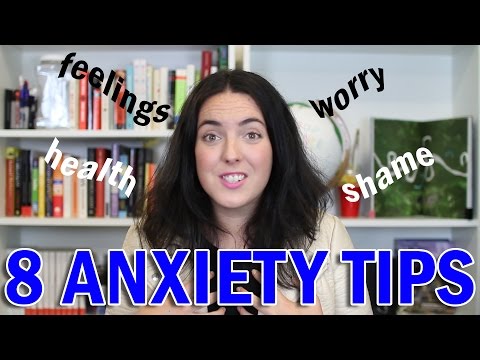
Loïc posted on 2020/10/19Feeling overwhelmed? This video shares 8 practical, science-backed tips to help you manage anxiety, including the super simple 4-7-8 breathing technique and the HALT method. You'll pick up useful phrases for self-care and learn how to handle panic attacks, making it perfect for daily practical learning!
Learn this video on the APP!
The VoiceTube App has more in-depth practice for videos!