
analysis
US /əˈnælɪsɪs/
UK /əˈnæləsɪs/
- Uncountable Noun
- Careful study to better understand something
B1TOEICMoreas long as
US /æz lɔŋ æz/
UK /æz lɔŋ æz/
- Conjunction
- For the period that; provided that.
- For the length of time that
- Preposition
- On the condition that; providing that.
- Having the same length as.
A1Moreas soon as
US /æz sun æz/
UK /æz su:n æz/
- Phrase
- In a short time after (something happens)
- Without any delay; immediately
- Conjunction
- At the moment that, or immediately after.
A1Moreat home
US /æt hom/
UK /æt həum/
- Phrase
- In one's own residence or country.
- Adjective
- Feeling comfortable and relaxed.
at school
US
UK
- Phrase
- Present and attending school.
A1Morebased on
US
UK
- Phrasal Verb
- To use something as the foundation or starting point for something else.
- Preposition
- Using something as the main idea or foundation.
- Relying on something as evidence or justification.
A1Morebottom
US /ˈbɑtəm/
UK /'bɒtəm/
- Noun
- The part of your body you sit on
- Lowest position, often in a company or contest
- Verb (Transitive/Intransitive)
- To hit the lowest part of something
- To provide with a bottom.
A2TOEICMorecausal
US /ˈkɔzəl/
UK /ˈkɔ:zl/
- Adjective
- Showing the direct reason for something
B1Morecausality
US /kɔˈzælɪti/
UK /kɔ:'zælətɪ/
- Uncountable Noun
- Being the direct reason for something
B2Morechronic
US /ˈkrɑnɪk/
UK /'krɒnɪk/
- Adjective
- Always or often doing something, e.g. lying
- (Of disease) over a long time; serious
B1Moreclassification
US /ˌklæsəfɪˈkeʃən/
UK /ˌklæsɪfɪˈkeɪʃn/
- Uncountable Noun
- Putting similar items into groups or sets
B1Moreclosely
US /ˈkloslɪ/
UK /'kləʊslɪ/
- Adverb
- In a careful manner
- Nearby; just next to
A2Moreconstrain
US /kənˈstren/
UK /kən'streɪn/
- Transitive Verb
- To make someone do something by strong persuasion
B1TOEICMorecorrelation
US /ˌkɔrəˈleʃən, ˌkɑr-/
UK /ˌkɒrəˈleɪʃn/
- Noun (Countable/Uncountable)
- The relationship between two variables
- A statistical measure that expresses the extent to which two variables are linearly related (meaning they change together at a constant rate).
B1Moredatum
US /ˈdetəm, ˈdætəm, ˈdɑtəm/
UK /ˈdeɪtəm/
- Noun
- Item of factual information
B1Moredeal with
US /dil wɪð/
UK /di:l wið/
- Verb (Transitive/Intransitive)
- To buy or sell goods or services.
- Phrasal Verb
- To take action to solve a problem or manage a situation.
- To be about; concern.
A1Morediagnostic
US /ˌdaɪəɡˈnɑstɪk/
UK /ˌdaɪəgˈnɒstɪk/
- Adjective
- Concerning finding out the cause of a problem
B1Moredivisive
US /dɪˈvaɪsɪv/
UK /dɪˈvaɪsɪv/
- Adjective
- Causing division or disagreement
C1Moredo in
US
UK
- Phrasal Verb
- To make completely tired out and exhausted
- To destroy or cause damage to someone
A1Moredropping out
US
UK
- Phrasal Verb
- To take no part in a society you disapprove of
- To quit school, a club or activity
A1Moreearning
US /'ɜ:nɪŋ/
UK /'ɜ:nɪŋ/
- Verb (Transitive/Intransitive)
- To deserve something because you worked for it
- To get money for work
- Noun (Countable/Uncountable)
- Money obtained in return for labor or services.
A2Moreequality
US /iˈkwɑ:ləti/
UK /iˈkwɒləti/
- Uncountable Noun
- Idea that all people have the same rights
A2TOEICMoreexpectancy
US /ɪkˈspɛktənsi/
UK /ɪkˈspektənsi/
- Uncountable Noun
- Excited feeling that something is will happen soon
B1TOEICMorefluke
US /fluk/
UK /flu:k/
- Noun
- Lucky shot or event that is purely accidental
C1TOEICMorefor instance
US /fɔr ˈɪnstəns/
UK /fɔ: ˈinstəns/
- Adverb
- As an example.
- Phrase
- As an example.
- As an illustration or case in point
B1Morego on
US /ɡo ɑn/
UK /ɡəu ɔn/
- Phrasal Verb
- To continue doing something
- To happen (usually negative)
- Interjection
- Used to encourage someone
A1Moregoing on
US /ˈɡoɪŋ ɑn/
UK /ˈgəʊɪŋ ɔn/
- Phrasal Verb
- To continue doing something
- To happen (usually negative)
A1Moregood bit
US
UK
- Phrase
- A significant amount or portion.
- To a substantial degree; considerably.
A1Moregot to
US /ɡɑt tu/
UK /gɔt tu:/
- Verb (Transitive/Intransitive)
- To arrive at some place
- To have the opportunity or permission to do something
- Phrasal Verb
- To appeal to the emotions of; move
- To finally begin to start something after a delay
A1Moregradient
US /ˈɡrediənt/
UK /ˈgreɪdiənt/
- Noun
- A measure of how steep something is
B2Moregraph
US /ɡræf/
UK /græf/
- Noun (Countable/Uncountable)
- Image expressing numerical data in lines or shapes
- Transitive Verb
- To show data using images
A2TOEICMoregross
US /ɡros/
UK /ɡrəʊs/
- Noun (Countable/Uncountable)
- 144 of something; twelve dozen of something
- Total sum of money earned before costs and taxes
- Transitive Verb
- To earn an amount of money before costs and taxes
B1TOEICMoreillness
US /ˈɪlnɪs/
UK /ˈɪlnəs/
- Uncountable Noun
- Unhealthy condition of the mind or body
- A particular instance or type of disease.
A2Morein itself
US /ɪn ɪtˈsɛlf/
UK /in itˈself/
- Phrase
- Considered alone or without reference to anything else; intrinsically.
- Essentially; by its very nature.
in prison
US /ɪn ˈprɪzən/
UK /in ˈprizən/
- Phrase
- Confined in a prison; incarcerated.
in relation to
US /ɪn rɪˈleʃən tu/
UK /in riˈleiʃən tu:/
- Phrase
- Concerning; with reference to; regarding.
- Compared with.
B1Morein some places
US
UK
- Phrase
- In certain locations or areas, but not all.
A1Morein terms of
US
UK
- Phrase
- With regard to; concerning a particular aspect.
A1Moreindex
US /ˈɪnˌdɛks/
UK /ˈɪndeks/
- Noun (Countable/Uncountable)
- Number showing how prices, wages changed over time
- Written or printed (usually alphabetical) list
- Transitive Verb
- To adjust a value/wages as other things change
- To make a list of things in alphabetical order
A2TOEICMoreinequality
US /ˌɪnɪˈkwɑ:ləti/
UK /ˌɪnɪˈkwɒləti/
- Uncountable Noun
- Situation where things are not equal, fair
B1Moreinfant
US /'ɪnfənt/
UK /'ɪnfənt/
- Countable Noun
- Child in the beginning stage of life; a baby
- The early stage of development of something.
B1TOEICMoreinternationally
US /ˌɪntɚˈnæʃənl:ɪ/
UK /ˌɪntə'næʃnəlɪ/
- Adverb
- Throughout the world or in many countries
A2Morelook at
US /lʊk æt/
UK /luk æt/
- Phrasal Verb
- To use your eyes to focus on something
- To focus your eyes on something carefully
A1Moremanual
US /ˈmænjuəl/
UK /ˈmænjuəl/
- Adjective
- Done by hand (not machine)
- (Of a car) using individual gears ( not automatic)
- Countable Noun
- Book explaining how to use a machine
A2TOEICMoremental
US /ˈmɛntl/
UK /ˈmentl/
- Adjective
- Concerning the mind
A2TOEICMoremobility
US /moˈbɪliti/
UK /məʊˈbɪləti/
- Uncountable Noun
- Ability to move
- The ability to move between different levels of society or employment.
C1Moremortality
US /mɔrˈtælɪti/
UK /mɔ:ˈtæləti/
- Uncountable Noun
- Quality or state of being capable of dying
- The state of being subject to death; the proportion of deaths to population.
B2Morenational
US /ˈnæʃənəl, ˈnæʃnəl/
UK /'næʃnəl/
- Adjective
- Concerning a nation as a whole
- Countable Noun
- A person of a particular country
A2Moreof course
US /ʌv kɔː(r)s/
UK /ɔv kɔː(r)s/
- Adverb
- Sure ; Certainly
- Phrase
- For sure; certainly
A2Moreon average
US /ɑn ˈævərɪdʒ/
UK /ɔn ˈævəridʒ/
- Phrase
- Typically; usually; based on an average calculation.
B1Moreparadox
US /ˈpærəˌdɑks/
UK /'pærədɒks/
- Noun
- Surprising statement containing two opposing ideas
B2Morepercent
US /pɚˈsɛnt/
UK /pə'sent/
- Adverb
- One one-hundredth of a whole; the symbol %
- Noun (Countable/Uncountable)
- A proportion multiplied by 100
- A specified amount in every hundred
A2TOEICMorepopulation
US /ˌpɑpjəˈleʃən/
UK /ˌpɒpjuˈleɪʃn/
- Noun (Countable/Uncountable)
- Number of people who live in a country, area etc.
- A group of individuals of one species living in a particular area.
A2TOEICMoreprecede
US /prɪˈsid/
UK /prɪ'si:d/
- Verb (Transitive/Intransitive)
- To happen or come before something
- To go somewhere before a person/thing
B1TOEICMoreproportion
US /prəˈpɔrʃən, -ˈpor-/
UK /prəˈpɔ:ʃn/
- Noun (Countable/Uncountable)
- A part of a whole thing
- State of balance between two or more things
- Transitive Verb
- To balance the size of something with another
- To adjust or adapt so that they have the correct relationship with each other.
A2Morepsychosocial
US /ˌsaɪkoʊ'soʊʃəl/
UK /saɪkəʊ'səʊʃəl/
- Adjective
- Psychological development in social environments
C1Moreput together
US /pʊt təˈɡɛðɚ/
UK /put təˈɡeðə/
- Phrasal Verb
- To build or assemble something small, e.g. a toy
- To organize or arrange something.
A1Moreredistribution
US /ˌri:dɪstrɪ'bju:ʃn/
UK /ˌri:dɪstrɪ'bju:ʃn/
- Uncountable Noun
- Giving out wealth, etc. to someone else
B2Morerelate
US /rɪˈlet/
UK /rɪ'leɪt/
- Transitive Verb
- To demonstrate a logical relationship between
- To understand or sympathize with, e.g. a problem
A2TOEICMorerelation
US /rɪˈleɪʃn/
UK /rɪˈleɪʃn/
- Noun (Countable/Uncountable)
- Connection between two or more things
- A member of your family
A2TOEICMorerelationship
US /rɪˈleʃənˌʃɪp/
UK /rɪˈleɪʃnʃɪp/
- Noun (Countable/Uncountable)
- Connection between two or more people or things
- Way people interact or live with each other
A2TOEICMorescale
US /skel/
UK /skeɪl/
- Noun (Countable/Uncountable)
- Size, level, or amount when compared
- Small hard plates that cover the body of fish
- Verb (Transitive/Intransitive)
- To change the size of but keep the proportions
- To climb something large (e.g. a mountain)
A2TOEICMorescale up
US //skeɪl ʌp//
UK
- Phrasal Verb
- To increase in size, number, or extent.
A1Moresee in
US /si ɪn/
UK /si: in/
- Phrasal Verb
- To accompany someone to the entrance of a building or room.
A1Moresentencing
US
UK
- Transitive Verb
- (Of a judge) to decide the punishment of
A2Moresociety
US /səˈsaɪɪti/
UK /sə'saɪətɪ/
- Noun (Countable/Uncountable)
- A group who meet to share values or interests
- Group of people living together
A2TOEICMoresource
US /sɔrs, sors/
UK /sɔ:s/
- Noun (Countable/Uncountable)
- Piece of information; a person giving information
- Place from which something necessary comes
- Adjective
- Produces or provides what is wanted or needed
A2TOEICMorestatus
US /ˈstetəs, ˈstætəs/
UK /'steɪtəs/
- Uncountable Noun
- Position or rank relative to others in a society
- Legal position of a person or thing
A2TOEICMorestress
US / strɛs/
UK /stres/
- Transitive Verb
- To emphasize one or more parts of a word, sentence
- To put pressure on something or someone
- Noun (Countable/Uncountable)
- Emphasis on part of a word or sentence
- Pressure on something or someone
A2TOEICMoresurvey
US /ˈsɜː(r)veɪ/
UK /'sɜ:veɪ/
- Noun (Countable/Uncountable)
- Broad view or general description of something
- Act of measuring land or property to make a map
- Transitive Verb
- To offer a broad view or general description
- To measure an area of land to make a map of it
A2TOEICMoretalking about
US
UK
- Phrasal Verb
- To discuss a particular topic.
- To be constantly mentioning or bringing up a subject.
A1Moretax
US /tæks/
UK /tæks/
- Transitive Verb
- To require a lot of physical or mental effort
- (Government) to take money from a country's people
- Noun (Countable/Uncountable)
- Money taken by a government from its people
- A heavy demand or burden.
A2TOEICMorethink of
US /θɪŋk ʌv/
UK /θiŋk ɔv/
- Phrasal Verb
- To look on as (being something specific); consider
- To consider or remember something.
- Verb (Transitive/Intransitive)
- To imagine or call something to mind
A1Moreto do with
US
UK
- Phrasal Verb
- To be about something; concern
A1Moretrust
US /trʌst/
UK /trʌst/
- Verb (Transitive/Intransitive)
- To expect confidently
- To have confidence or faith
- Uncountable Noun
- Wealth or property held by one person for another
- The belief that someone is honest
A2TOEICMoreunequal
US /ʌnˈikwəl/
UK /ʌnˈi:kwəl/
- Adjective
- Unfair; biased in someone's favor
- Varying in number, amount, quality, etc.
A2Moreviolence
US /ˈvaɪələns/
UK /ˈvaɪələns/
- Uncountable Noun
- Strong physical force of nature
- Use of physical force to harm someone
B1Morewelfare
US /ˈwelfer/
UK /ˈwelfeə(r)/
- Uncountable Noun
- Program to help poor/unemployed people with money
B1More
Vocabulary
- in relation to: Concerning; with reference to; regarding.
- look at: To use your eyes to focus on something
- talking about: To discuss a particular topic.
- in prison: Confined in a prison; incarcerated.
- going on: To continue doing something
- of course: Sure ; Certainly
- put together: To build or assemble something small, e.g. a toy
- for instance: As an example.
- got to: To arrive at some place
- on average: Typically; usually; based on an average calculation.
- as soon as: In a short time after (something happens)
- see in: To accompany someone to the entrance of a building or room.
- at school: Present and attending school.
- at home: In one's own residence or country.
- scale up: To increase in size, number, or extent.
- in some places: In certain locations or areas, but not all.
- dropping out: To take no part in a society you disapprove of
- based on: To use something as the foundation or starting point for something else.
- think of: To look on as (being something specific); consider
- in terms of
- as long as: For the period that; provided that.
- do in: To make completely tired out and exhausted
- go on: To continue doing something
- to do with: To be about something; concern
- in itself: Considered alone or without reference to anything else; intrinsically.
- good bit: A significant amount or portion.
- deal with
- mobility: Ability to move
- bottom: The part of your body you sit on
- people: Persons sharing culture, country, background, etc.
- graph: Image expressing numerical data in lines or shapes
- show: To be easily seen or displayed
- important: Having power or authority
- poor: Inferior; below the normal standard
- small: Little in size; not big
- talk: Style of speaking
- life: All the living things e.g. animals, plants, humans
- great: Very good; better than before
- world: All the humans, events, activities on the earth
- choosing: To select; decide between several possibilities
- kind: In a caring and helpful manner
- put: To move or place a thing in a particular position
- rich: Having a lot of money or valuable possessions
- worse: Comparative of 'bad'; more bad
- health: (Person, company) being in a good condition; well
- difference: A thing or issue that people do not agree about
- internationally: Throughout the world or in many countries
- top: To be higher or larger than a specific value
- national: Concerning a nation as a whole
- earning: To deserve something because you worked for it
- market: To publicize products to get you to buy; advertise
- social: Involving activity with people, e.g. in free time
- unequal: Unfair; biased in someone's favor
- relation: Connection between two or more things
- percent: One one-hundredth of a whole; the symbol %
- trust: To expect confidently
- population: Number of people who live in a country, area etc.
- illness: Unhealthy condition of the mind or body
- developed: To explain something in steps and in detail
- relationship: Connection between two or more people or things
- equal: Same in shape, size, or number
- tax: To require a lot of physical or mental effort
- society: A group who meet to share values or interests
- general: Widespread, normal or usual
- stress: To emphasize one or more parts of a word, sentence
- common: Area in a city or town that is open to everyone
- income: Earned money from work, investments or business
- datum: Item of factual information
- measure: Plan to achieve a desired result
- equality: Idea that all people have the same rights
- relate: To demonstrate a logical relationship between
- mental: Concerning the mind
- manual: Done by hand (not machine)
- closely: In a careful manner
- welfare: Program to help poor/unemployed people with money
- scale: Size, level, or amount when compared
- survey: Broad view or general description of something
- violence: Strong physical force of nature
- analysis: Careful study to better understand something
- evidence: Factual proof that helps to establish the truth
- source: Piece of information; a person giving information
- index: Number showing how prices, wages changed over time
- status: Position or rank relative to others in a society
- proportion: A part of a whole thing
- gross: 144 of something; twelve dozen of something
- inequality: Situation where things are not equal, fair
- classification: Putting similar items into groups or sets
- infant: Child in the beginning stage of life; a baby
- paradox: Surprising statement containing two opposing ideas
- mortality: Quality or state of being capable of dying
- chronic: Always or often doing something, e.g. lying
- constrain: To make someone do something by strong persuasion
- redistribution: Giving out wealth, etc. to someone else
- precede: To happen or come before something
- expectancy: Excited feeling that something is will happen soon
- correlation: The relationship between two variables
- psychosocial: Psychological development in social environments
- causality: Being the direct reason for something
- sentencing: (Of a judge) to decide the punishment of
- diagnostic: Concerning finding out the cause of a problem
- fluke: Lucky shot or event that is purely accidental
- divisive: Causing division or disagreement
- causal: Showing the direct reason for something
- gradient: A measure of how steep something is
Get the full experience in the app
Learn anywhere with detailed sentence and usage analysis
01:03
She took a brave step forward, leaving behind her comfort zone to chase her dreams.
Vocabulary
- brave
adj. Having courage
- comfort zone
phr. A familiar situation where one feels safe
Explanation
a brave step is a noun phrase, where brave is an adjective modifying the noun step, meaning "a courageous step".
forward is an adverb modifying step, meaning "ahead".
The whole phrase serves as the object, answering the "what" of took (verb) — she took a brave step forward.
Get the full experience in the app
Look up words anytime with pronunciation, part of speech, and usage
brave
US/brev/
UK/breɪv/
adj.Brave
v.t.To bravely face
A2 Elementary
Get the full experience in the app
Practice speaking anytime and get instant pronunciation feedback
Try this speaking exercise.
Try practicing with this sentence.
80
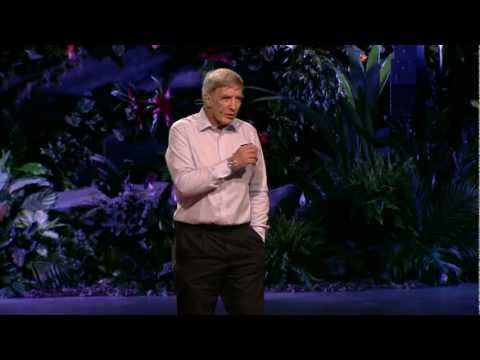
【TED】Richard Wilkinson: How economic inequality harms societies (How economic inequality harms societies | Richard Wilkinson)
0
Huang LuLu posted on 2015/09/13Ever wondered why some countries seem to have it all together while others struggle? This fascinating TED talk dives deep into how economic inequality actually harms societies, using data from the UN and BMJ studies to show its impact on social trust and mobility. You'll pick up advanced vocabulary and complex sentence structures while exploring a really important global issue!
Learn this video on the APP!
The VoiceTube App has more in-depth practice for videos!