causal
US /ˈkɔzəl/
・UK /ˈkɔ:zl/
B1
adj.AdjectiveShowing the direct reason for something
The doctor is trying to find a causal connection between my diet and my illness
Video subtitles
Bereavement: How to Transform Grief & Depression Through Spiritual Healing
- So I don't see the causal relationship.
So I don't see the causal relationship.
- I'm not saying there's a causal relationship between taking them and committing suicide,
I'm not saying there's a causal relationship between taking them and committing suicide,
What Is Time? (better audio) Determinism, Quantum Physics, Consciousness, Free Will, Causality...
- the outcome of what we perceive to be in our past line of causal events?
the outcome of what we perceive to be in our past line of causal events?
- the outcome of what we perceive to be in our past line of causal events?
the outcome of what we perceive to be in our past line of causal events?
Let's Read Nietzsche's Beyond Good and Evil CC ASMR First Article

- In "being-as-such" there are no "causal connections" or "necessities" or "psychological lack of freedom";
In "being-as-such" there are no "causal connections" or "necessities" or "psychological lack of freedom";
- In being as such, there are no causal connections or necessities or psychological lack of freedom.
In being as such, there are no causal connections or necessities or psychological lack of freedom.
Martin Luther King Jr I've Been to the Mountaintop

- Maybe they felt that it was better to deal with the problem from the causal root rather than to get bogged down with an individual effect.
Maybe they felt that it was better to deal with the problem from the causal root rather than to get bogged down with an individual effect.
- Maybe they felt it was better to deal with the problem from the causal root, rather than
Maybe they felt it was better to deal with the problem from the causal root, rather than
Determinism vs Free Will: Crash Course Philosophy #24
- By this logic, agents have the ability to affect the causal chain of the universe.
By this logic, agents have the ability to affect the causal chain of the universe.
- Where would these free decisions--the ones that launch entirely new causal chains--come from, they ask?
Where would these free decisions--the ones that launch entirely new causal chains--come from, they ask?
Why Does My Brain Sleep?
- But of course, what you tend to want in science is a causal demonstration.
But of course, what you tend to want in science is a causal demonstration.
- But of course, what you tend to want in science is a causal demonstration.
But of course, what you tend to want in science is a causal demonstration.
The Law of Productivity
- At the same time, wages don't go as far as they did in previous generations. Some people say that our generation is going to be brokered than the last. As a result of these changes, the world is more interested in productivity than ever before. People everywhere are trying to increase how fast, how much, and how well they can achieve things, just so that they can have a chance at surviving in this world. But most people pursue productivity in narrow-minded and shallow ways. They look for tools, apps, hacks, and tactics to speed up their workflow. Or they imitate what others are doing and simply produce derivative outcomes that don't add anything new to the world. But these shallow productivity tips won't produce the outcomes people are really looking for. To truly be productive, we must know how to discover new knowledge. And to discover new knowledge, we must learn about the law of productivity. The law of productivity can be formally stated as follows. The productiveness of an outcome is proportional to the goodness of the intention with which its causal action was performed. To put it more simply, we don't become productive by trying to be productive, but rather, productivity is largely a byproduct of our intentions. The reason our intentions matter so much is because they dictate how we see the world. And how we see the world dictates what we will learn. And what we learn dictates our productivity. Let's look at an example.
At the same time, wages don't go as far as they did in previous generations. Some people say that our generation is going to be brokered than the last. As a result of these changes, the world is more interested in productivity than ever before. People everywhere are trying to increase how fast, how much, and how well they can achieve things, just so that they can have a chance at surviving in this world. But most people pursue productivity in narrow-minded and shallow ways. They look for tools, apps, hacks, and tactics to speed up their workflow. Or they imitate what others are doing and simply produce derivative outcomes that don't add anything new to the world. But these shallow productivity tips won't produce the outcomes people are really looking for. To truly be productive, we must know how to discover new knowledge. And to discover new knowledge, we must learn about the law of productivity. The law of productivity can be formally stated as follows. The productiveness of an outcome is proportional to the goodness of the intention with which its causal action was performed. To put it more simply, we don't become productive by trying to be productive, but rather, productivity is largely a byproduct of our intentions. The reason our intentions matter so much is because they dictate how we see the world. And how we see the world dictates what we will learn. And what we learn dictates our productivity. Let's look at an example.
- The Law of Productivity can be formally stated as follows: "The productiveness of an outcome is proportional to the goodness of the intention with which its causal action was performed." To put it more simply, we don't become productive by trying to be productive,
The Law of Productivity can be formally stated as follows: "The productiveness of an outcome is proportional to the goodness of the intention with which its causal action was performed." To put it more simply, we don't become productive by trying to be productive,
L8P3
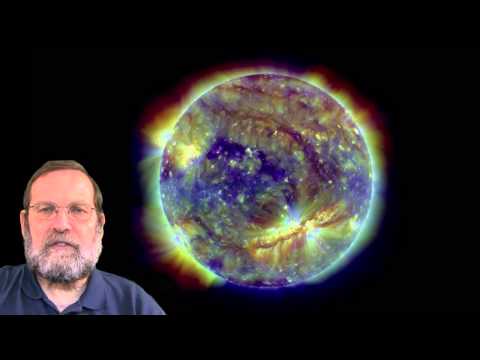
- At the beginning of the 20th century, estimates of these periods and those of Earth's glacial cycles became sufficiently accurate to suggest a causal relationship between Earth's radiation balance and climate.
At the beginning of the 20th century, estimates of these periods and those of Earth's glacial cycles became sufficiently accurate to suggest a causal relationship between Earth's radiation balance and climate.
- glacial cycles became sufficiently accurate to suggest a causal relationship between Earth's
glacial cycles became sufficiently accurate to suggest a causal relationship between Earth's
When Cartoon Characters Tried To tell Us Something...

- There will always be shadows to be found as well As long as there is a concept of victors the vanquished will also exist the selfish intent of wanting to preserve peace Initiates wars and hatred is born in order to protect love There are nexuses causal relationships that cannot be separated Rise young warrior.
There will always be shadows to be found as well As long as there is a concept of victors the vanquished will also exist the selfish intent of wanting to preserve peace Initiates wars and hatred is born in order to protect love There are nexuses causal relationships that cannot be separated Rise young warrior.
5 reasons why you should sleep more | BBC Ideas
- Every major disease that seems to be killing us in the developed world has significant—many of them—causal links to a lack of sleep.
Every major disease that seems to be killing us in the developed world has significant—many of them—causal links to a lack of sleep.
- killing us in the developed world has significant -and many of them causal-
killing us in the developed world has significant -and many of them causal-