
action
US /ˈækʃən/
UK /'ækʃn/
- Noun (Countable/Uncountable)
- Something that a person or thing does
- A lawsuit.
- Intransitive Verb
- To act to do something
A2Moreas well as
US /æz wɛl æz/
UK /æz wel æz/
- Adverb
- Also; in addition to
- Preposition
- In addition to; and also.
A1Moreat a time
US /æt e taɪm/
UK /æt ə taim/
- Phrase
- Separately; one by one
- Simultaneously; together
A1Moreat some point
US /æt sʌm pɔɪnt/
UK /æt sʌm pɔint/
- Phrase
- At an unspecified time, usually in the future.
A1Moreauxiliary
US /ɔɡˈzɪljəri, -ˈzɪləri/
UK /ɔ:gˈzɪliəri/
- Adjective
- Helping or supporting a function or group
- Noun
- Group of workers who provide help and assistance
B2TOEICMorebased on
US
UK
- Phrasal Verb
- To use something as the foundation or starting point for something else.
- Preposition
- Using something as the main idea or foundation.
- Relying on something as evidence or justification.
A1Morebefore now
US
UK
- Phrase
- Up until this moment; previously.
- Prior to the present time; in the past.
A1Morebonus
US /ˈboʊnəs/
UK /ˈbəʊnəs/
- Noun (Countable/Uncountable)
- Extra money for achieving, exceeding targets
- Something welcome and often unexpected that accompanies and enhances something else.
- Adjective
- Additional; extra.
A2TOEICMoreclear up
US /klɪr ʌp/
UK /kliə ʌp/
- Phrasal Verb
- To tidy things away, e.g. dirty dishes after meal
- To explain something in an understandable way
A1Morecoaster
US /ˈkoʊstə(r)/
UK /ˈkəʊstə(r)/
- Noun (Countable/Uncountable)
- Mat placed under a glass to protect furniture
- A sled or small vehicle without motor for coasting downhill.
C1Morecode
US /kod/
UK /kəʊd/
- Transitive Verb
- To express information in a series of numbers
- To write a secret message using secret symbols
- Noun
- A password made of a set of letters or numbers
- Set of rules for behavior
A2Moreconfusion
US /kənˈfjuʒən/
UK /kən'fju:ʒən/
- Uncountable Noun
- Not knowing what to do; state of disorder
B1Moredemonstration
US /ˌdɛmənˈstreʃən/
UK /ˌdemənˈstreɪʃn/
- Noun
- Open showing of emotion
- Public gathering showing disagreement or support
B1TOEICMoredescription
US /dɪˈskrɪpʃən/
UK /dɪˈskrɪpʃn/
- Noun
- Explanation of what something is like, looks like
- The type or nature of someone or something.
A2TOEICMoreexamine
US /ɪɡˈzæmɪn/
UK /ɪgˈzæmɪn/
- Transitive Verb
- (Medical) to test to find out what is wrong
- To test your knowledge or ability
A2Moreexpression
US /ɪkˈsprɛʃən/
UK /ɪk'spreʃn/
- Noun (Countable/Uncountable)
- Act of making your thoughts and feelings known
- Group of words that have a specific meaning
A2TOEICMorefinish with
US
UK
- Phrasal Verb
- To end a relationship
A1Morefor example
US
UK
- Phrase
- As an illustration or instance.
for free
US /fɔr fri/
UK /fɔ: fri:/
- Phrase
- Without charge; at no cost.
- Adjective
- Available without payment.
A2Morego on
US /ɡo ɑn/
UK /ɡəu ɔn/
- Phrasal Verb
- To continue doing something
- To happen (usually negative)
- Interjection
- Used to encourage someone
A1Moregrab
US /ɡræb/
UK /ɡræb/
- Transitive Verb
- To take and hold something quickly
A2Moregym
US /dʒɪm/
UK /dʒɪm/
- Noun (Countable/Uncountable)
- Physical education taught as a class in school
- Building used for physical activities or sports
C2Moreidiomatic
US /ˌɪdiəˈmætɪk/
UK /ˌɪdiəˈmætɪk/
- Adjective
- Concerning idioms
B2Morein the past
US
UK
- Phrase
- During a former period of time; previously.
A1Moreincorrect
US /ˌɪnkəˈrɛkt/
UK /ˌɪnkəˈrekt/
- Adjective
- Being wrong or inaccurate
B1TOEICMoreinteractive
US /ˌɪntɚˈæktɪv/
UK /ˌɪntərˈæktɪv/
- Adjective
- Acting or influencing others
- Involving communication between people; allowing a user to respond to a computer.
A2Morelily
US /'lɪlɪ/
UK /'lɪlɪ/
- Noun (Countable/Uncountable)
- Type of plant with big, leafy flowers
- Proper Noun
- A female given name.
B2Morelink
US /lɪŋk/
UK /lɪŋk/
- Noun (Countable/Uncountable)
- Any one of the rings that are part of a chain
- Connection between two or more things or people
- Transitive Verb
- To join or connect together
- To associate or connect in one's mind.
A2TOEICMorelook at
US /lʊk æt/
UK /luk æt/
- Phrasal Verb
- To use your eyes to focus on something
- To focus your eyes on something carefully
A1Moremove on
US /muv ɑn/
UK /mu:v ɔn/
- Phrasal Verb
- To decide to change or go to a different place
- To start talking about something different.
A1Moremove to
US /muv tu/
UK /mu:v tu:/
- Phrasal Verb
- To change the place where you live or work.
- Verb (Transitive/Intransitive)
- To proceed to the next stage or action.
A2Moreno matter
US
UK
- Conjunction
- Regardless of; it does not matter.
- Adverb
- Regardless of; it is not important
A1Morenumb
US /nʌm/
UK /nʌm/
- Adjective
- Unable to feel a body part due to cold or illness
- Transitive Verb
- To make a part of body unable to feel (pain, etc.)
B2Moreon to
US /ɑn tu/
UK /ɔn tu:/
- Preposition
- Toward something; forward
- Aware of someone's activities.
- Adjective
- Aware of someone's deception or illegal activities.
A1Moreparticiple
US /pɑ:rˈtɪsɪpl/
UK /pɑ:ˈtɪsɪpl/
- Participle
- Nonfinite form of the verb, e.g. -ing or -ed forms
C2Morepronounce
US /prəˈnaʊns/
UK /prə'naʊns/
- Transitive Verb
- To state something in a legal or official way
- To give your opinion or decision about something
B1Morequiz
US /kwɪz/
UK /kwɪz/
- Noun (Countable/Uncountable)
- A game in which players answer questions on topics
- Brief spoken or written test, given to students
- Transitive Verb
- To ask a person many questions about something
B1Morerhyme
US /raɪm/
UK /raɪm/
- Noun (Countable/Uncountable)
- One of a group of words ending in similar sounds
- Poem or song using similar-sounding words
B2Morerob
US /rɑb/
UK /rɒb/
- Proper Noun
- Person's name
- Transitive Verb
- To steal money or property from (bank or person)
- To prevent from getting something deserved
A2Morescan
US /skæn/
UK /skæn/
- Transitive Verb
- To look inside of the body with a special machine
- To look at something very quickly for information
- Noun
- A look inside the body with a special machine
B1TOEICMorespeech
US /spitʃ/
UK /spi:tʃ/
- Uncountable Noun
- A formal talk to an audience
- Expression of ideas or opinions by talking
A2TOEICMorestandard
US /ˈstændəd/
UK /'stændəd/
- Noun
- Official unit of measuring something
- Principle of behaving in a moral way
- Adjective
- Being the accepted normal level of quality
- (Of a language) being the most accepted in a place
A2TOEICMorestructure
US /ˈstrʌk.tʃɚ/
UK /ˈstrʌk.tʃə/
- Noun (Countable/Uncountable)
- The way in which the parts of a system or object are arranged or organized, or a system arranged in this way
- A building or other man-made object.
- Transitive Verb
- To plan, organize, or arrange the parts of something
A2TOEICMoresuch as
US /sʌtʃ æz/
UK /sʌtʃ æz/
- Preposition
- For example; like
A1Moretend
US /tɛnd/
UK /tend/
- Intransitive Verb
- To move or act in a certain manner
- Transitive Verb
- To take care of
A2Moretense
US /tɛns/
UK /tens/
- Noun
- The use of grammar to state the time things happen
- Adjective
- Unable to relax; feeling nervous or stressed
- Stretched tight and stiff
A2TOEICMoretouch on
US
UK
- Phrasal Verb
- To briefly discuss
A1Moreused to
US /juzd tu/
UK /ˈju:st tə/
- Adjective
- Did regularly before, but don't do now
- Auxiliary Verb
- Have done before, but do not do now
A1Morevowel
US /ˈvaʊəl/
UK /ˈvaʊəl/
- Countable Noun
- A speech sound; a, e , it, o, u and sometimes y
B1More
Vocabulary
- in the past: During a former period of time; previously.
- for example: As an illustration or instance.
- for free: Without charge; at no cost.
- move on: To decide to change or go to a different place
- clear up: To tidy things away, e.g. dirty dishes after meal
- as well as: Also; in addition to
- look at: To use your eyes to focus on something
- move to: To change the place where you live or work.
- before now: Up until this moment; previously.
- at a time: Separately; one by one
- such as: For example; like
- based on: To use something as the foundation or starting point for something else.
- no matter: Regardless of; it does not matter.
- touch on: To briefly discuss
- on to: Toward something; forward
- used to: Did regularly before, but don't do now
- go on: To continue doing something
- finish with: To end a relationship
- at some point: At an unspecified time, usually in the future.
- present: Being in attendance; being there; having turned up
- grab: To take and hold something quickly
- expression: Act of making your thoughts and feelings known
- description: Explanation of what something is like, looks like
- structure: The way in which the parts of a system or object are arranged or organized, or a system arranged in this way
- tend: To move or act in a certain manner
- common: Area in a city or town that is open to everyone
- describe: To tell the appearance, sound, smell of something
- pronounce: To state something in a legal or official way
- contract: To become ill as a result of getting a disease
- numb: Unable to feel a body part due to cold or illness
- mean: Average of a set of numbers
- tense: The use of grammar to state the time things happen
- form: Sports team or person's current winning record
- compare: To consider how similar and different things are
- complete: To finish or reach the end of doing something
- standard: Official unit of measuring something
- examine: (Medical) to test to find out what is wrong
- quiz: A game in which players answer questions on topics
- leave: To go away from; depart
- moment: Very short or brief period of time
- place: To put someone in a particular type of situation
- sound: Sensible, dependable and reliable
- british: Concerning the culture and people of British
- confusion: Not knowing what to do; state of disorder
- vowel: A speech sound; a, e , it, o, u and sometimes y
- simple: Not hard to understand or do; not complex
- demonstration: Open showing of emotion
- adjective: A word that describes a noun, e.g. happy
- rhyme: One of a group of words ending in similar sounds
- speech: A formal talk to an audience
- auxiliary: Helping or supporting a function or group
- interactive: Acting or influencing others
- scan: To look inside of the body with a special machine
- link: Any one of the rings that are part of a chain
- bonus: Extra money for achieving, exceeding targets
- action: Something that a person or thing does
- coaster: Mat placed under a glass to protect furniture
- code: To express information in a series of numbers
- rob: Person's name
- gym: Physical education taught as a class in school
- participle: Nonfinite form of the verb, e.g. -ing or -ed forms
- incorrect: Being wrong or inaccurate
- idiomatic: Concerning idioms
- lily: Type of plant with big, leafy flowers
Get the full experience in the app
Learn anywhere with detailed sentence and usage analysis
01:03
She took a brave step forward, leaving behind her comfort zone to chase her dreams.
Vocabulary
- brave
adj. Having courage
- comfort zone
phr. A familiar situation where one feels safe
Explanation
a brave step is a noun phrase, where brave is an adjective modifying the noun step, meaning "a courageous step".
forward is an adverb modifying step, meaning "ahead".
The whole phrase serves as the object, answering the "what" of took (verb) — she took a brave step forward.
Get the full experience in the app
Look up words anytime with pronunciation, part of speech, and usage
brave
US/brev/
UK/breɪv/
adj.Brave
v.t.To bravely face
A2 Elementary
Get the full experience in the app
Practice speaking anytime and get instant pronunciation feedback
Try this speaking exercise.
Try practicing with this sentence.
80
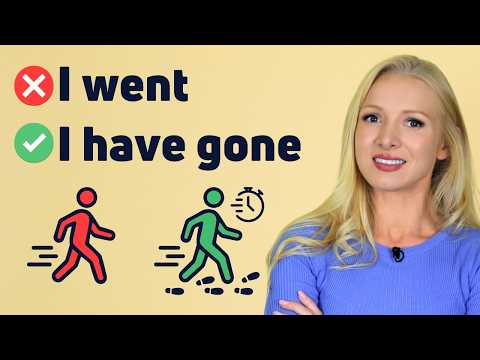
"I went" vs "have gone" - Know the difference!
0
Susan posted on 2026/06/23Ever get confused between "I went" and "I have gone"? This video breaks down the key differences and when to use each, even throwing in "have been" as a bonus! You'll clear up any doubts and pick up some great phrases to use in everyday conversation.
Learn this video on the APP!
The VoiceTube App has more in-depth practice for videos!