auxiliary
US /ɔɡˈzɪljəri, -ˈzɪləri/
・UK /ɔ:gˈzɪliəri/
B2TOEIC
adj.AdjectiveHelping or supporting a function or group
The truck has an auxiliary battery in case the first one loses power
n.NounGroup of workers who provide help and assistance
Our auxiliary provides food and blankets to poor people in the winter
Video subtitles
How to fight climate change with parking lots

- for jet engines and auxiliary power units.
for jet engines and auxiliary power units.
BOX SET: English In A Minute 6 – TEN English lessons in 10 minutes!
- This sentence follows normal word order. Subject + auxiliary verb + adverb + verb.
This sentence follows normal word order. Subject + auxiliary verb + adverb + verb.
- First, move the negative adverb to the beginning of the sentence. Then, invert or swap the order of the subject and auxiliary verb.
First, move the negative adverb to the beginning of the sentence. Then, invert or swap the order of the subject and auxiliary verb.
BOX SET: English In A Minute 9 – TEN English lessons in 10 minutes!
- Trick question - there was an auxiliary verb 'has' and a main verb 'hated' and 'always' went after the auxiliary verb. Rule number three.
Trick question - there was an auxiliary verb 'has' and a main verb 'hated' and 'always' went after the auxiliary verb. Rule number three.
Tomonoura - The Days of Old | Overnight Trip From Osaka

- The shrine grounds contain a main hall, some auxiliary shrine buildings and a noh stage.
The shrine grounds contain a main hall, some auxiliary shrine buildings and a noh stage.
- The shrine grounds contain a main hall, some auxiliary shrine buildings, and a no-stage.
The shrine grounds contain a main hall, some auxiliary shrine buildings, and a no-stage.
Uniti - Electric car | Equity crowdfunding 2017
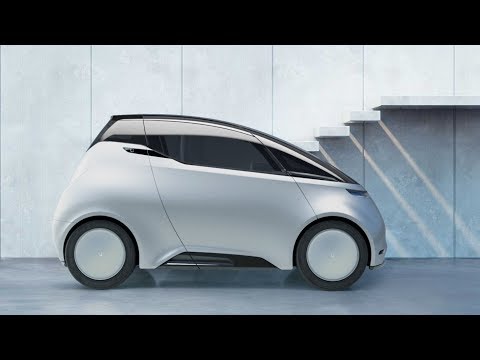
- removable auxiliary battery pack that contains about 30 kilometers of range.
removable auxiliary battery pack that contains about 30 kilometers of range.
- That's why our vehicle include a small, lightweight, portable and removable auxiliary
That's why our vehicle include a small, lightweight, portable and removable auxiliary
Yes/No questions in English: Learn English through music

- Subject-Auxiliary inversion. I know that might sound complex, but I'm going to explain it in simple terms
Subject-Auxiliary inversion. I know that might sound complex, but I'm going to explain it in simple terms
- Now, in order to form a yes/no question in English, you need to do what is called Subject Auxiliary Inversion.
Now, in order to form a yes/no question in English, you need to do what is called Subject Auxiliary Inversion.
Past Simple and Present Perfect - English grammar tutorial video lesson

- For the present perfect, we use the auxiliary verb to have and the past participle.
For the present perfect, we use the auxiliary verb to have and the past participle.
- For the present perfect we use the auxiliary verb 'to have' and the past participle.
For the present perfect we use the auxiliary verb 'to have' and the past participle.
LEARN ENGLISH: How to talk about people & events in the past

- This past tense of the verb will, would, the auxiliary verb, is indicating to me that it's something that we did in the past as kind of a hobby.
This past tense of the verb will, would, the auxiliary verb, is indicating to me that it's something that we did in the past as kind of a hobby.
- This sentence is in simple present because we have "always" and we have the verb "go." If I wanted to make that past, I would say, "We would always go to the park and make fun of rollerbladers." This past tense of the verb "will," "would," the auxiliary verb, is indicating to me that it's something that we did in the past as kind of a hobby.
This sentence is in simple present because we have "always" and we have the verb "go." If I wanted to make that past, I would say, "We would always go to the park and make fun of rollerbladers." This past tense of the verb "will," "would," the auxiliary verb, is indicating to me that it's something that we did in the past as kind of a hobby.
How to agree in English | Grammar lesson

- And we can also notice that in David's sentence, there is an auxiliary verb.
And we can also notice that in David's sentence, there is an auxiliary verb.
- This is the auxiliary verb, the verb "to be" and it goes... it is in front of the main verb.
This is the auxiliary verb, the verb "to be" and it goes... it is in front of the main verb.
Conversation Skills – Understand PHONE conversations in English

- So this is interesting. Look at the word order, here. "What did you say?" I put my auxiliary
So this is interesting. Look at the word order, here. "What did you say?" I put my auxiliary
- "What did you say?" I put my auxiliary verb "did" - what did you say - before the subject here.
"What did you say?" I put my auxiliary verb "did" - what did you say - before the subject here.