
answer for
US /ˈænsɚ fər/
UK /ˈɑ:nsə fə/
- other
- Be responsible for and explain one's actions.
C1Moreanswer to
US
UK
- Phrasal Verb
- To be responsible to someone and have to explain your actions to them.
- To correspond to or match a description or requirement.
A1Moreappreciation
US /əˌpriʃiˈeʃən/
UK /əˌpri:ʃiˈeɪʃn/
- Uncountable Noun
- Rise in value (of property or belongings)
- Understanding something's value or worth
- Noun
- Formal Korean expression of appreciation or gratitude
A2Moreask for it
US /æsk fər ɪt/
UK /ɑ:sk fə ɪt/
- other
- To behave in a way that will cause trouble or punishment.
B2Moreassume
US /əˈsum/
UK /ə'sju:m/
- Transitive Verb
- To act in a false manner to mislead others
- To believe, based on the evidence; suppose
A2TOEICMorebeing with
US
UK
- Phrasal Verb
- Accompanying someone; being in someone's presence.
- Supporting someone's opinion or cause.
- Verb (Transitive/Intransitive)
- Accompanying someone; spending time with someone.
- Supporting someone; agreeing with someone.
A1Morebreathe in
US /brið ɪn/
UK /bri:ð in/
- Phrasal Verb
- To inhale; to take air into the lungs.
B1Morebrilliant
US /ˈbrɪljənt/
UK /'brɪlɪənt/
- Adjective
- Having a great amount of intelligence or talent
- Being very bright, like a diamond; shining
- Noun
- A diamond or other gem cut in a particular form with many facets to have exceptional brilliance.
A2Morecalm
US /kɑm/
UK /kɑ:m/
- Adjective
- Without wind or storm; quiet; peaceful
- Relaxed and not worried or angry
- Verb (Transitive/Intransitive)
- To make or become relaxed and not worried or angry
A2Morecalm down
US /kɑm daʊn/
UK /kɑ:m daun/
- Phrasal Verb
- To make or become relaxed after being stressed
A2Morecapitalize
US /ˈkæpɪtl:ˌaɪz/
UK /ˈkæpɪtəlaɪz/
- Transitive Verb
- To write words, the first letter in BIG LETTERS
- To supply the money needed to build a business
B1Morecome back
US /kʌm bæk/
UK /kʌm bæk/
- Phrasal Verb
- To reply to someone, often forcefully
- To be remembered
A1Moreconfusion
US /kənˈfjuʒən/
UK /kən'fju:ʒən/
- Uncountable Noun
- Not knowing what to do; state of disorder
B1Morecortex
US /ˈkɔrˌteks/
UK /'kɔ:teks/
- Noun (Countable/Uncountable)
- The outer part of an organ/structure, e.g. brain
- The outer layer of the cerebrum (the cerebral cortex), other organs, or a plant.
C1Moredeserve
US /dɪˈzɚv/
UK /dɪ'zɜ:v/
- Transitive Verb
- To be worthy of, e.g. getting praise or attention
A2TOEICMoreexercise
US /ˈɛksɚˌsaɪz/
UK /'eksəsaɪz/
- Verb (Transitive/Intransitive)
- To work out to become stronger and healthier
- To retain your ability or practice your skills
- Noun (Countable/Uncountable)
- Physical activity to increase health and strength
- Set of questions in a text book
A2Morefor someone
US /fɚ ˈsʌmwʌn/
UK /fə ˈsʌmwʌn/
- other
- On behalf of or intended for a particular person.
A1Moreget back to
US /ɡɛt bæk tu/
UK /ɡet bæk tu:/
- Phrasal Verb
- To get in contact with someone again
- To return to someone or something; to respond at a later time.
A1Moreget through
US /ɡɛt θru/
UK /ɡet θru:/
- Phrasal Verb
- To arrive at the end of or finish something
- To succeed in contacting someone by phone
A1Morego out
US /ɡo aʊt/
UK /ɡəu aut/
- Phrase
- To leave a building (e.g. a house)
- Phrasal Verb
- (Of a fire) to burn out; be extinguished
- Go out of fashion to stop being fashionable
A1Moregrammar
US /ˈɡræmɚ/
UK /ˈgræmə(r)/
- Uncountable Noun
- Book describing the syntactic rules of a language
- Rules explaining how words are used in a language
B1Morehave to
US /hæv tu/
UK /ˈhæv tə/
- Auxiliary Verb
- Must do
A1Morein order to
US /ɪn ˈɔrdɚ tu/
UK /in ˈɔ:də tu:/
- Preposition
- For the purpose of; with the aim of.
- Phrase
- In a specific sequence or arrangement.
- With the aim of; for the purpose of.
C1Morein question
US /ɪn ˈkwɛstʃən/
UK /in ˈkwestʃən/
- Adjective
- Being doubted or disputed; under discussion.
- Referring to someone or something that has already been mentioned.
A1Morein the future
US /ɪn ði ˈfjutʃɚ/
UK /in ðə ˈfju:tʃə/
- Phrase
- At a later time; in times to come.
A1Moreinhale
US /ɪnˈhel/
UK /ɪnˈheɪl/
- Verb (Transitive/Intransitive)
- To breathe in something like air or smoke
- To eat or drink something extremely fast
B2Morejay
US /dʒe/
UK /dʒeɪ/
- Noun
- Bird with a blue and white pattern on the wing
B1Moreknow about
US /noʊ əˈbaʊt/
UK /nəʊ əˈbaut/
- Phrasal Verb
- To have information or understanding of a subject or situation.
look at
US /lʊk æt/
UK /luk æt/
- Phrasal Verb
- To use your eyes to focus on something
- To focus your eyes on something carefully
A1Morelook over
US
UK
- Phrasal Verb
- To check something to see it works well; inspect
- To examine or inspect something quickly.
A1Moremake someone's day
US /ˈmek ˈsʌmwʌnz deɪ/
UK /ˈmeik ˈsʌmwʌnz dei/
- other
- To cause someone to feel very happy or pleased.
B1Moremove to
US /muv tu/
UK /mu:v tu:/
- Phrasal Verb
- To change the place where you live or work.
- Verb (Transitive/Intransitive)
- To proceed to the next stage or action.
A2Moreobject
US /ˈɑbdʒɪkt/
UK /'ɒbdʒɪkt/
- Noun (Countable/Uncountable)
- Something you can see or touch, but is not alive
- Goal or purpose of a particular plan or activity
- Verb (Transitive/Intransitive)
- To disagree; to protest against an idea or plan
- To state one's reason for disagreement
A2TOEICMoreon paper
US /ɑn ˈpeɪpər/
UK /ɔn ˈpeipə/
- Phrase
- In theory or as a plan, but not necessarily in reality.
- Recorded in writing; documented.
A1Moreout of breath
US /aʊt ʌv brɛθ/
UK /aut ɔv breθ/
- Adjective
- Having difficulty breathing, often after physical exertion.
A1Morepassive
US /ˈpæsɪv/
UK /ˈpæsɪv/
- Adjective
- Allowing things to happen with quiet acceptance
- With sentence's subject being what verb acts on
- Noun
- A person who is passive; one who does not actively participate or resist.
B1Morepause
US /pɔz/
UK /pɔ:z/
- Verb (Transitive/Intransitive)
- To stop doing for a while before continuing
- To temporarily interrupt the execution of a program or process.
- Noun (Countable/Uncountable)
- A temporary break before continuing
- Function on a device to stop and restart it
A2Morephrase
US /frez/
UK /freɪz/
- Noun
- Common expression or saying
- Section of musical notes in a piece of music
- Verb (Transitive/Intransitive)
- To choose words to say what you mean clearly
A2Moreplural
US /ˈplʊrəl/
UK /ˈpluərəl/
- Adjective
- Being more than one person or thing
B1Morepractice
US /ˈpræktɪs/
UK /'præktɪs/
- Noun
- The office and place for legal or medical work
- Doing something many times to become better at it
- Verb (Transitive/Intransitive)
- To work as a doctor or lawyer
- To live according to the teachings of a religion
A2TOEICMorepress
US /prɛs/
UK /pres/
- Noun
- Machine using pressure to shape, flatten, squeeze
- General term for TV, radio, newspapers
- Transitive Verb
- To make clothes smooth using a heated iron; iron
- To repeatedly ask someone to do something
A2TOEICMorepressure
US /ˈprɛʃɚ/
UK /'preʃə(r)/
- Noun (Countable/Uncountable)
- Anxiety caused by difficult problems
- Force, weight when pressing against a thing
- Transitive Verb
- To apply force to something
- To persuade or force someone to do something
A2TOEICMorepunctuation
US /ˌpʌŋktʃuˈeʃən/
UK /ˌpʌŋktʃuˈeɪʃn/
- Noun
- Marks used in piece of writing, such as ? ; and !
B2Morerelease
US /rɪ'li:s/
UK /rɪ'li:s/
- Transitive Verb
- To free someone from a responsibility or burden
- To allow a film, music etc. to be sold/distributed
- Noun
- Act of freeing someone from a duty or burden
- Introduction of a new product, film, book, etc.
A2TOEICMorerewind
US /riˈwaɪnd/
UK /ˌri:ˈwaɪnd/
- Transitive Verb
- To make something go backwards
C1Morerun on
US /rʌn ɑn/
UK /rʌn ɔn/
- Phrasal Verb
- To continue longer than expected, e.g. a meeting
- To talk without stopping, often on the same topic
- Intransitive Verb
- To continue without a break or clear separation, especially in writing.
A1Moresection
US / ˈsɛkʃən/
UK /'sekʃn/
- Noun (Countable/Uncountable)
- A part of a whole
- Specific group of people from a larger group
- Transitive Verb
- To divide something into smaller parts
B1TOEICMoresend in
US /sɛnd ɪn/
UK /send in/
- Phrasal Verb
- To mail or email an application, etc. somewhere
- To deliver something to its destination
A1Moresession
US /ˈsɛʃən/
UK /ˈseʃn/
- Noun (Countable/Uncountable)
- Period of time used for a specific activity
- Series of meetings for e.g. a court, legislature
A2TOEICMoreshout out
US /ʃaʊt aʊt/
UK /ʃaut aut/
- Noun
- A public expression of greeting or praise.
- Verb (Transitive/Intransitive)
- To publicly mention or acknowledge someone or something.
- To publicly acknowledge or thank someone.
A2Moreshut down
US /ʃʌt daʊn/
UK /ʃʌt daun/
- Phrasal Verb
- To close an operating system, e.g. on a computer
- To stop a factory/machine from operating
- Transitive Verb
- To deactivate a nuclear reactor.
- To turn off a computer or other electronic device.
A2Moresimple present
US
UK
- Noun
- A verb tense used to describe habits, unchanging situations, general truths, and fixed arrangements.
A1Moresingular
US /ˈsɪŋɡjəlɚ/
UK /ˈsɪŋgjələ(r)/
- Noun
- Form of a word referring to only one person/thing
- Adjective
- Seeming odd or unusual
- One of
B2Moreslow down
US /slo daʊn/
UK /sləu daun/
- Phrasal Verb
- To reduce the speed
- To become less active or busy.
A1Morespeed up
US /spid ʌp/
UK /spi:d ʌp/
- Phrasal Verb
- To move more quickly
A2Morestart off
US /stɑrt ɔf/
UK /stɑ:t ɔf/
- Phrasal Verb
- To begin or commence something.
- To begin a journey.
B2Morestress
US / strɛs/
UK /stres/
- Transitive Verb
- To emphasize one or more parts of a word, sentence
- To put pressure on something or someone
- Noun (Countable/Uncountable)
- Emphasis on part of a word or sentence
- Pressure on something or someone
A2TOEICMoretalking about
US
UK
- Phrasal Verb
- To discuss a particular topic.
- To be constantly mentioning or bringing up a subject.
A1Morethink about
US /θɪŋk əˈbaʊt/
UK /θiŋk əˈbaut/
- Phrasal Verb
- To consider something carefully.
- To remember or call to mind.
A1Morethink of
US /θɪŋk ʌv/
UK /θiŋk ɔv/
- Phrasal Verb
- To look on as (being something specific); consider
- To consider or remember something.
- Verb (Transitive/Intransitive)
- To imagine or call something to mind
A1Morethou
US /ðaʊ/
UK /ðaʊ/
- Pronoun
- An old-fashioned word for you
C2Morewheelchair
US /ˈwi:ltʃer/
UK /ˈwi:ltʃeə(r)/
- Noun
- Movable chair mounted on large wheels
B2More
Vocabulary
- look at: To use your eyes to focus on something
- have to: Must do
- think about: To consider something carefully.
- run on: To continue longer than expected, e.g. a meeting
- talking about: To discuss a particular topic.
- in the future: At a later time; in times to come.
- start off: To begin or commence something.
- come back: To reply to someone, often forcefully
- ask for it: To behave in a way that will cause trouble or punishment.
- on paper: In theory or as a plan, but not necessarily in reality.
- calm down: To make or become relaxed after being stressed
- shout out: A public expression of greeting or praise.
- in question: Being doubted or disputed; under discussion.
- send in: To mail or email an application, etc. somewhere
- in order to: For the purpose of; with the aim of.
- out of breath: Having difficulty breathing, often after physical exertion.
- answer to: To be responsible to someone and have to explain your actions to them.
- know about: To have information or understanding of a subject or situation.
- for someone: On behalf of or intended for a particular person.
- move to: To change the place where you live or work.
- simple present: A verb tense used to describe habits, unchanging situations, general truths, and fixed arrangements.
- look over: To check something to see it works well; inspect
- think of: To look on as (being something specific); consider
- shut down: To close an operating system, e.g. on a computer
- go out: To leave a building (e.g. a house)
- breathe in: To inhale; to take air into the lungs.
- answer for: Be responsible for and explain one's actions.
- slow down: To reduce the speed
- speed up: To move more quickly
- being with: Accompanying someone; being in someone's presence.
- get through: To arrive at the end of or finish something
- make someone's day: To cause someone to feel very happy or pleased.
- get back to: To get in contact with someone again
- assume: To act in a false manner to mislead others
- phrase: Common expression or saying
- present: Being in attendance; being there; having turned up
- deserve: To be worthy of, e.g. getting praise or attention
- practice: The office and place for legal or medical work
- cortex: The outer part of an organ/structure, e.g. brain
- brilliant: Having a great amount of intelligence or talent
- stress: To emphasize one or more parts of a word, sentence
- sentence: (Of a judge) to decide the punishment of
- pressure: Anxiety caused by difficult problems
- calm: Without wind or storm; quiet; peaceful
- bit: Device put in a horse's mouth to control it
- exercise: To work out to become stronger and healthier
- passive: Allowing things to happen with quiet acceptance
- brain: To strike someone forcefully on the head
- prefrontal: Anterior to a frontal structure
- series: Set of stories or articles on a particular subject
- session: Period of time used for a specific activity
- grammar: Book describing the syntactic rules of a language
- section: A part of a whole
- release: To free someone from a responsibility or burden
- pause: To stop doing for a while before continuing
- nervous: Concerning the system of nerves in the body
- subject: The person, thing, or idea that is being discussed, described, or studied.
- rewind: To make something go backwards
- amygdala: Almond-shaped structure in the brain's anterior
- press: Machine using pressure to shape, flatten, squeeze
- inhale: To breathe in something like air or smoke
- object: Something you can see or touch, but is not alive
- punctuation: Marks used in piece of writing, such as ? ; and !
- plural: Being more than one person or thing
- notice: To become aware by sight, touch, or hearing
- appreciation: Rise in value (of property or belongings)
- lot: What happens to a person in life from chance; fate
- singular: Form of a word referring to only one person/thing
- confusion: Not knowing what to do; state of disorder
- simple: Not hard to understand or do; not complex
- information: Collection of facts and details about something
- active: Moving around a lot or doing many things
- basic: At the most important or easiest (beginner) level
- capitalize: To write words, the first letter in BIG LETTERS
- wheelchair: Movable chair mounted on large wheels
- thou: An old-fashioned word for you
- jay: Bird with a blue and white pattern on the wing
Get the full experience in the app
Learn anywhere with detailed sentence and usage analysis
01:03
She took a brave step forward, leaving behind her comfort zone to chase her dreams.
Vocabulary
- brave
adj. Having courage
- comfort zone
phr. A familiar situation where one feels safe
Explanation
a brave step is a noun phrase, where brave is an adjective modifying the noun step, meaning "a courageous step".
forward is an adverb modifying step, meaning "ahead".
The whole phrase serves as the object, answering the "what" of took (verb) — she took a brave step forward.
Get the full experience in the app
Look up words anytime with pronunciation, part of speech, and usage
brave
US/brev/
UK/breɪv/
adj.Brave
v.t.To bravely face
A2 Elementary
Get the full experience in the app
Practice speaking anytime and get instant pronunciation feedback
Try this speaking exercise.
Try practicing with this sentence.
80
Real English Problems from Real Students (Q&A with James)
0
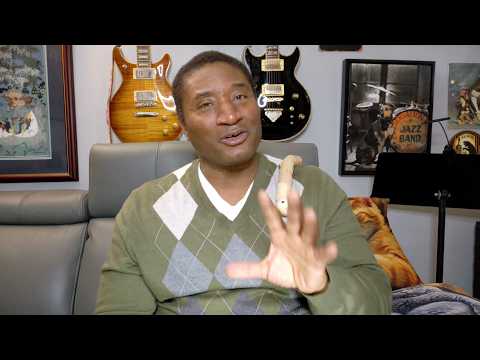
林宜悉 posted on 2026/05/21Ever wondered how to phrase your questions to get the best answers, or why your grammar might be confusing people? Join James in this Q&A session where he tackles real student questions, explaining tricky grammar points like SVO structure and the correct use of 'you were' versus 'you are'. You'll also discover how to improve sentence construction and punctuation to make your writing clearer and more effective!
Learn this video on the APP!
The VoiceTube App has more in-depth practice for videos!