
ally
US /'ælaɪ/
UK /'ælaɪ/
- Noun
- Someone who supports, helps, or defends you
- Verb (Transitive/Intransitive)
- To join a group to offer or receive support
B1Morearticle
US /ˈɑrtɪkəl/
UK /'ɑ:tɪkl/
- Noun (Countable/Uncountable)
- Word such as 'a', 'an', or 'the' used before nouns
- Piece of writing about a particular subject
A2TOEICMoreauxiliary
US /ɔɡˈzɪljəri, -ˈzɪləri/
UK /ɔ:gˈzɪliəri/
- Adjective
- Helping or supporting a function or group
- Noun
- Group of workers who provide help and assistance
B2TOEICMorecausative
US /ˈkɔzətɪv/
UK /ˈkɔ:zətɪv/
- Adjective
- Producing an effect
B1Moreclause
US /klɔz/
UK /klɔ:z/
- Noun
- Part of a sentence that has its own verb
- Specific term or demand in a legal agreement
B1Morecome before
US /kʌm bɪˈfɔr/
UK /kʌm biˈfɔ:/
- Phrasal Verb
- To happen or exist earlier in time than something else.
- To be considered more important than something else.
A1Morecorrect
US /kəˈrɛkt/
UK /kə'rekt/
- Adjective
- Being suitable and appropriate for an occasion
- True or accurate
- Transitive Verb
- To fix a problem
- To write marks on a piece of work to show mistakes
A2Moredecorate
US /ˈdɛkəˌret/
UK /ˈdekəreɪt/
- Transitive Verb
- To make more attractive by adding designs/paint
- To award a medal to someone
A2Moredefine
US /dɪˈfaɪn/
UK /dɪ'faɪn/
- Transitive Verb
- To explain the meaning of words
- To set or mark the limits of something
A2TOEICMoredescription
US /dɪˈskrɪpʃən/
UK /dɪˈskrɪpʃn/
- Noun
- Explanation of what something is like, looks like
- The type or nature of someone or something.
A2TOEICMoredialect
US /ˈdaɪəˌlɛkt/
UK /ˈdaɪəlekt/
- Noun
- Way of speaking used by a group or in a region
B2Moreebook
US
UK
- Countable Noun
- Book displayed on a digital device e.g. a phone
B1Moreembed
US /ɛmˈbɛd/
UK /ɪm'bed/
- Transitive Verb
- To place or set inside rock, etc.
- To integrate (something) into something else.
B2Moreexception
US /ɪkˈsɛpʃən/
UK /ɪkˈsepʃn/
- Noun (Countable/Uncountable)
- Something different or not included
- An objection or feeling of disapproval.
B1TOEICMorefix
US /fɪks/
UK /fɪks/
- Noun
- Answer to a problem
- Transitive Verb
- To arrange or prepare something
- To attach something so it will not move or change
A2TOEICMoreflat
US /flæt/
UK /flæt/
- Noun (Countable/Uncountable)
- Apartment; set of rooms for living in
- The smooth or level part of something
- Verb (Transitive/Intransitive)
- To share an apartment with someone
- To fail to produce the intended effect; to be unsuccessful or uninteresting.
A2Morefor example
US
UK
- Phrase
- As an illustration or instance.
for free
US /fɔr fri/
UK /fɔ: fri:/
- Phrase
- Without charge; at no cost.
- Adjective
- Available without payment.
A2Morefor now
US /fɔr naʊ/
UK /fɔ: nau/
- Phrase
- Temporarily; for the present time.
- In the short term; for the immediate future.
A1Morego out
US /ɡo aʊt/
UK /ɡəu aut/
- Phrase
- To leave a building (e.g. a house)
- Phrasal Verb
- (Of a fire) to burn out; be extinguished
- Go out of fashion to stop being fashionable
A1Moregrammatically
US /ɡrə'mætɪklɪ/
UK /ɡrə'mætɪklɪ/
- Adverb
- Correctly; as expected in correct grammar
B2Morehairdresser
US /ˈhɛrˌdrɛsɚ/
UK /ˈheədresə(r)/
- Countable Noun
- Someone who cuts or beautifies hair as a job
B2Morehave to
US /hæv tu/
UK /ˈhæv tə/
- Auxiliary Verb
- Must do
A1Morehear things
US /hɪr θɪŋz/
UK /hɪə θɪŋz/
- other
- To imagine hearing sounds or voices that are not real.
B1Morein the past
US
UK
- Phrase
- During a former period of time; previously.
A1Moreincorrect
US /ˌɪnkəˈrɛkt/
UK /ˌɪnkəˈrekt/
- Adjective
- Being wrong or inaccurate
B1TOEICMoreinstead of
US /ɪnˈstɛd ʌv/
UK /inˈsted ɔv/
- Preposition
- When one thing is replaced by another
- Adverb
- As a substitute or alternative.
A1Moreleave out
US /liv aʊt/
UK /li:v aut/
- Phrasal Verb
- To forget; omit
A1Morelike fun
US /laɪk fʌn/
UK /laɪk fʌn/
- other
- Very fast or with great effort or enthusiasm.
B2Morelink
US /lɪŋk/
UK /lɪŋk/
- Noun (Countable/Uncountable)
- Any one of the rings that are part of a chain
- Connection between two or more things or people
- Transitive Verb
- To join or connect together
- To associate or connect in one's mind.
A2TOEICMorelook at
US /lʊk æt/
UK /luk æt/
- Phrasal Verb
- To use your eyes to focus on something
- To focus your eyes on something carefully
A1Moremove on
US /muv ɑn/
UK /mu:v ɔn/
- Phrasal Verb
- To decide to change or go to a different place
- To start talking about something different.
A1Moreneighbourhood
US /ˈneɪbərhʊd/
UK /ˈneɪbəhʊd/
- Noun
- Area of a town or city that people live in
B1Moreobject
US /ˈɑbdʒɪkt/
UK /'ɒbdʒɪkt/
- Noun (Countable/Uncountable)
- Something you can see or touch, but is not alive
- Goal or purpose of a particular plan or activity
- Verb (Transitive/Intransitive)
- To disagree; to protest against an idea or plan
- To state one's reason for disagreement
A2TOEICMoreon to
US /ɑn tu/
UK /ɔn tu:/
- Preposition
- Toward something; forward
- Aware of someone's activities.
- Adjective
- Aware of someone's deception or illegal activities.
A1Moreparticiple
US /pɑ:rˈtɪsɪpl/
UK /pɑ:ˈtɪsɪpl/
- Participle
- Nonfinite form of the verb, e.g. -ing or -ed forms
C2Morepronounce
US /prəˈnaʊns/
UK /prə'naʊns/
- Transitive Verb
- To state something in a legal or official way
- To give your opinion or decision about something
B1Morepronunciation
US /prəˌnʌnsiˈeʃən/
UK /prəˌnʌnsiˈeɪʃn/
- Noun (Countable/Uncountable)
- How a word is said; how a word sounds
- The manner in which someone utters a word.
B1Morerelative
US /ˈrɛlətɪv/
UK /ˈrelətɪv/
- Adjective
- Measured or considered in comparison to another
- (Grammar) referring to words that appear earlier
- Countable Noun
- Members of the family
- Humans or animals sharing the same family history
A2Morescan
US /skæn/
UK /skæn/
- Transitive Verb
- To look inside of the body with a special machine
- To look at something very quickly for information
- Noun
- A look inside the body with a special machine
B1TOEICMorescissor
US /ˈsɪzɚ/
UK /'sɪzə/
- Transitive Verb
- To cut with or as if with scissors
B1Moresign up to
US
UK
- Phrasal Verb
- To register for something, like a service or a course.
A1Morespeak to
US /spik tu/
UK /spi:k tu:/
- Verb (Transitive/Intransitive)
- To address or communicate with someone.
- To indicate or suggest something; to be relevant to.
A1Morespeech
US /spitʃ/
UK /spi:tʃ/
- Uncountable Noun
- A formal talk to an audience
- Expression of ideas or opinions by talking
A2TOEICMorespot
US /spɑt/
UK /spɒt/
- Noun
- A certain place or area
- A difficult time; awkward situation
- Transitive Verb
- To see someone or something by chance
A2TOEICMorestick
US /stɪk/
UK /stɪk/
- Verb (Transitive/Intransitive)
- To push a sharp or pointed object into something
- To join together using glue or paste
- Countable Noun
- Long thin piece of wood from a tree
A2Morestructure
US /ˈstrʌk.tʃɚ/
UK /ˈstrʌk.tʃə/
- Noun (Countable/Uncountable)
- The way in which the parts of a system or object are arranged or organized, or a system arranged in this way
- A building or other man-made object.
- Transitive Verb
- To plan, organize, or arrange the parts of something
A2TOEICMoretough
US /tʌf/
UK /tʌf/
- Adjective
- (Of food) difficult to chew or bite through
- Very difficult to do or deal with
- Noun
- A rough and aggressive person.
A2Morevowel
US /ˈvaʊəl/
UK /ˈvaʊəl/
- Countable Noun
- A speech sound; a, e , it, o, u and sometimes y
B1Morewait for
US /wet fɔr/
UK /weit fɔ:/
- Phrasal Verb
- To wait until someone comes, or something happens
A1More
Vocabulary
- go out: To leave a building (e.g. a house)
- for example: As an illustration or instance.
- look at: To use your eyes to focus on something
- on to: Toward something; forward
- for now: Temporarily; for the present time.
- for free: Without charge; at no cost.
- sign up to: To register for something, like a service or a course.
- wait for: To wait until someone comes, or something happens
- speak to: To address or communicate with someone.
- move on: To decide to change or go to a different place
- hear things: To imagine hearing sounds or voices that are not real.
- have to: Must do
- come before: To happen or exist earlier in time than something else.
- in the past: During a former period of time; previously.
- leave out: To forget; omit
- instead of: When one thing is replaced by another
- like fun: Very fast or with great effort or enthusiasm.
- stick: To push a sharp or pointed object into something
- pronunciation: How a word is said; how a word sounds
- tough: (Of food) difficult to chew or bite through
- description: Explanation of what something is like, looks like
- structure: The way in which the parts of a system or object are arranged or organized, or a system arranged in this way
- common: Area in a city or town that is open to everyone
- spot: A certain place or area
- position: Person's opinion or attitude about something
- sentence: (Of a judge) to decide the punishment of
- pronounce: To state something in a legal or official way
- contract: To become ill as a result of getting a disease
- flat: Apartment; set of rooms for living in
- define: To explain the meaning of words
- ally: Someone who supports, helps, or defends you
- pretty: Being attractive to the eye in a simple way
- create: To make, cause, or bring into existence
- introduce: To open an essay to set the scene
- click: To work well with someone or something
- article: Word such as 'a', 'an', or 'the' used before nouns
- exception: Something different or not included
- correct: Being suitable and appropriate for an occasion
- object: Something you can see or touch, but is not alive
- dialect: Way of speaking used by a group or in a region
- notice: To become aware by sight, touch, or hearing
- sound: Sensible, dependable and reliable
- order: Religious or social group, as of nuns
- learn: To get knowledge or skills by study or experience
- vowel: A speech sound; a, e , it, o, u and sometimes y
- adjective: A word that describes a noun, e.g. happy
- relative: Measured or considered in comparison to another
- clause: Part of a sentence that has its own verb
- natural: Being as one would expect; being usual or normal
- speech: A formal talk to an audience
- afraid: Worried that something bad will happen; scared
- auxiliary: Helping or supporting a function or group
- embed: To place or set inside rock, etc.
- scan: To look inside of the body with a special machine
- fix: Answer to a problem
- decorate: To make more attractive by adding designs/paint
- link: Any one of the rings that are part of a chain
- participle: Nonfinite form of the verb, e.g. -ing or -ed forms
- grammatically: Correctly; as expected in correct grammar
- incorrect: Being wrong or inaccurate
- hairdresser: Someone who cuts or beautifies hair as a job
- neighbourhood: Area of a town or city that people live in
- scissor: To cut with or as if with scissors
- causative: Producing an effect
- ebook: Book displayed on a digital device e.g. a phone
Get the full experience in the app
Learn anywhere with detailed sentence and usage analysis
01:03
She took a brave step forward, leaving behind her comfort zone to chase her dreams.
Vocabulary
- brave
adj. Having courage
- comfort zone
phr. A familiar situation where one feels safe
Explanation
a brave step is a noun phrase, where brave is an adjective modifying the noun step, meaning "a courageous step".
forward is an adverb modifying step, meaning "ahead".
The whole phrase serves as the object, answering the "what" of took (verb) — she took a brave step forward.
Get the full experience in the app
Look up words anytime with pronunciation, part of speech, and usage
brave
US/brev/
UK/breɪv/
adj.Brave
v.t.To bravely face
A2 Elementary
Get the full experience in the app
Practice speaking anytime and get instant pronunciation feedback
Try this speaking exercise.
Try practicing with this sentence.
80
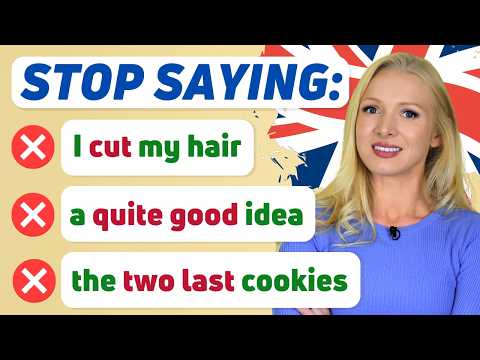
Are YOU Saying it WRONG? 5 Highly Common Mistakes in English
0
Susan posted on 2026/04/21Are you accidentally making these common English mistakes? This video dives into tricky word order and adverb position, giving you practical tips to sound more natural. You'll pick up essential grammar points that are perfect for intermediate learners!
Learn this video on the APP!
The VoiceTube App has more in-depth practice for videos!