correct
US /kəˈrɛkt/
・UK /kə'rekt/
A2
adj.AdjectiveBeing suitable and appropriate for an occasion
Her dress and manners are always correct wherever she goes
v.t.Transitive VerbTo fix a problem
I don't expect you to correct my mistakes, I just need support
v.t.Transitive VerbTo write marks on a piece of work to show mistakes
He asked to correct the spelling mistakes if there were any
v.t.Transitive VerbTo punish in order to improve
The methods might be a bit cruel, but I hope it will correct his attitude to life
adj.AdjectiveTrue or accurate
I have to check if the information is correct before publishing it
v.t.Transitive VerbTo reprimand or rebuke (someone), typically with the intention of improving their behavior.
The manager had to correct the employee for being late.
Video subtitles
The Greatest Innovations In Formula One

- One of the first people to realise and attempt to correct this problem was a young Swiss engineer and driver called Michael May.
One of the first people to realise and attempt to correct this problem was a young Swiss engineer and driver called Michael May.
- One of the first people to realize and attempt
to correct this problem was a young Swiss
One of the first people to realize and attempt to correct this problem was a young Swiss
Movie Titles That Lied Straight To Your Face
- You'd think that two seasons of the awesome Fargo TV series would correct the location a bit, right?
You'd think that two seasons of the awesome Fargo TV series would correct the location a bit, right?
- You'd think that two seasons of the awesome Fargo TV series would correct the location
You'd think that two seasons of the awesome Fargo TV series would correct the location
Be Professional! Never say this at work! ❌
- When someone asks you a question and you simply don't know the answer, well, never say, "I don't know." Even though this is the truth, even though those are the correct English words to say, you're not being helpful at all.
When someone asks you a question and you simply don't know the answer, well, never say, "I don't know." Even though this is the truth, even though those are the correct English words to say, you're not being helpful at all.
- When someone asks you a question and you simply don't know the answer, well, never say, "I don't know." Even though this is the truth, even though those are the correct English words to say, you're not being helpful at all.
When someone asks you a question and you simply don't know the answer, well, never say, "I don't know." Even though this is the truth, even though those are the correct English words to say, you're not being helpful at all.
How to Describe a Day Off in English!

- Both sentences are correct.
Both sentences are correct.
- Both sentences are correct.
Both sentences are correct.
Learn English While Watching an Eclipse - Monday April 8 @ 3:00pm EST
- I'll put the correct time on the screen here.
I'll put the correct time on the screen here.
- I'll put the correct time on the screen here.
I'll put the correct time on the screen here.
Democratic Presidential Debate - June 26 (Full) | NBC News

- TO CORRECT THAT, THEY ARE COMING
TO CORRECT THAT, THEY ARE COMING
- That's correct.
That's correct.
4 things to study EVERY DAY to become fluent in English

- Correct pronunciation helps with so much more than just sounding like you know how to speak English.
Correct pronunciation helps with so much more than just sounding like you know how to speak English.
- Knowing correct pronunciation will transform how you understand other people.
Knowing correct pronunciation will transform how you understand other people.
Woke Jesus

- You have heard that it was said, "Hate your enemies." But I say to you, this is correct,
You have heard that it was said, "Hate your enemies." But I say to you, this is correct,
- You have heard that it was said, "Hate your enemies." But I say to you, this is correct,
You have heard that it was said, "Hate your enemies." But I say to you, this is correct,
The Trump investigations you should actually care about
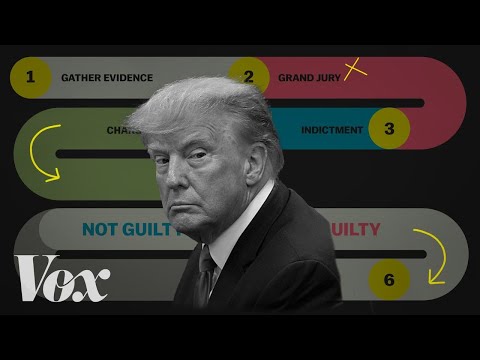
- I believe that the numbers that we have presented today are correct.
I believe that the numbers that we have presented today are correct.
- "I believe that the numbers that we have presented today are correct."
"I believe that the numbers that we have presented today are correct."
5 Defensive Driving Strategies To Be A Safer, Smarter Driver

- which is correct because it's faster to drive out of an emergency situation than it is to brake.
which is correct because it's faster to drive out of an emergency situation than it is to brake.
- if you get into an emergency situation, which is correct
if you get into an emergency situation, which is correct