
ability
US /əˈbɪlɪti/
UK /ə'bɪlətɪ/
- Noun (Countable/Uncountable)
- The power, resources or skill to do something
- A particular skill or talent.
A2TOEICMoreabsolutely
US /ˈæbsəˌlutli, ˌæbsəˈlutli/
UK /ˈæbsəlu:tli/
- Adverb
- Completely; totally; very
- Considered independently and without relation to other things; viewed abstractly; as, quantity absolutely considered.
A2Morealong with
US /əˈlɔŋ wɪð/
UK /əˈlɔŋ wið/
- Preposition
- In addition to; together with.
- Adverb
- In company or together with someone or something.
- Including; in addition to.
A2Moreanxiety
US /æŋˈzaɪɪti/
UK /æŋ'zaɪətɪ/
- Uncountable Noun
- A feeling of worry, nervousness, or unease about something that might happen, especially when the outcome is uncertain.
B1Morearound the world
US /əˈraʊnd ði wɜrld/
UK /əˈraund ðə wɜː(r)ld/
- Phrase
- In or to many countries.
- In various places throughout the world.
A2Moreas long as
US /æz lɔŋ æz/
UK /æz lɔŋ æz/
- Conjunction
- For the period that; provided that.
- For the length of time that
- Preposition
- On the condition that; providing that.
- Having the same length as.
A1Moreat home
US /æt hom/
UK /æt həum/
- Phrase
- In one's own residence or country.
- Adjective
- Feeling comfortable and relaxed.
at least
US /æt list/
UK /æt li:st/
- Adverb
- As a minimum
- Not less than
- Phrase
- No less than; at the minimum
- Used to indicate that something is positive in a bad situation.
C2Morebet
US /bet/
UK /bet/
- Verb (Transitive/Intransitive)
- To gamble money to win more money, e.g. on horses
- Used to express certainty or confidence
- Countable Noun
- Act of gambling money on the result of a race etc.
A2Morebulb
US /bʌlb/
UK /bʌlb/
- Noun
- A round electronic device that produces light
- Onion-shaped part from which a plant grows
B1Moreclinical
US /ˈklɪnɪkəl/
UK /ˈklɪnɪkl/
- Adjective
- Concerning the treatment or observing patients
- Using scientific techniques and precision
B1Morecognitive
US /ˈkɑɡnɪtɪv/
UK /ˈkɒgnətɪv/
- Adjective
- The process of knowing and remembering
- Relating to the ability to think and reason.
C1Morecollar
US /ˈkɑlɚ/
UK /'kɒlə(r)/
- Noun
- Band put around the neck of an animal
- Neck part of a shirt, coat etc.
- Transitive Verb
- To catch and hold someone so you can talk to them
- To seize or arrest (someone).
B1Morecome from
US /kʌm frʌm/
UK /kʌm frɔm/
- Phrasal Verb
- To have as your native country or city
A1Moreconduct
US / kənˈdʌkt/
UK /kənˈdʌkt/
- Uncountable Noun
- Your behavior
- Verb (Transitive/Intransitive)
- To behave in a certain way; e.g. at a party
- To let electricity or heat travel through
B1TOEICMoreconserve
US /kənˈsɜ:rv/
UK /kənˈsɜ:v/
- Transitive Verb
- To save or protect something
- To keep or put in reserve
- Uncountable Noun
- The act of conserving something, especially a natural resource.
B1Moredatum
US /ˈdetəm, ˈdætəm, ˈdɑtəm/
UK /ˈdeɪtəm/
- Noun
- Item of factual information
B1Moredecline
US /dɪˈklaɪn/
UK /dɪ'klaɪn/
- Intransitive Verb
- To bend towards the ground
- To slope downward.
- Verb (Transitive/Intransitive)
- To lessen in quality or value
A2TOEICMoredecrease
US /dɪˈkris/
UK /dɪˈkri:s/
- Verb (Transitive/Intransitive)
- To reduce the size, amount or number of something
- Uncountable Noun
- Amount by which something has been reduced
B1TOEICMoredementia
US /dɪˈmɛnʃə/
UK /dɪˈmenʃə/
- Uncountable Noun
- Illness characterized by loss of memory
B2Moredisease
US /dɪˈziz/
UK /dɪˈzi:z/
- Noun (Countable/Uncountable)
- Illness that affects a person, animal, or plant
- A disorder of structure or function in a plant, especially one caused by a pathogen.
- Transitive Verb
- To affect with disease; to corrupt or sicken.
A2TOEICMoredo in
US
UK
- Phrasal Verb
- To make completely tired out and exhausted
- To destroy or cause damage to someone
A1Moredonate
US /ˈdoˌnet, doˈnet/
UK /dəʊ'neɪt/
- Transitive Verb
- To give money, etc. to charity, party, etc.
B1TOEICMoredue to
US /du tu/
UK /dju: tu:/
- Preposition
- Because of; owing to
- Adjective
- Attributable to; caused by.
A1Moreenlarge
US /ɛnˈlɑrdʒ/
UK /ɪn'lɑ:dʒ/
- Transitive Verb
- To make something larger (e.g. a photo)
B2TOEICMoreexamine
US /ɪɡˈzæmɪn/
UK /ɪgˈzæmɪn/
- Transitive Verb
- (Medical) to test to find out what is wrong
- To test your knowledge or ability
A2Moreexercise
US /ˈɛksɚˌsaɪz/
UK /'eksəsaɪz/
- Verb (Transitive/Intransitive)
- To work out to become stronger and healthier
- To retain your ability or practice your skills
- Noun (Countable/Uncountable)
- Physical activity to increase health and strength
- Set of questions in a text book
A2Moreexpectancy
US /ɪkˈspɛktənsi/
UK /ɪkˈspektənsi/
- Uncountable Noun
- Excited feeling that something is will happen soon
B1TOEICMorefor now
US /fɔr naʊ/
UK /fɔ: nau/
- Phrase
- Temporarily; for the present time.
- In the short term; for the immediate future.
A1Morego ahead
US /ɡo əˈhɛd/
UK /ɡəu əˈhed/
- Phrasal Verb
- To start an activity; start doing, working etc.
- To give permission to do something
- Intransitive Verb
- To start or proceed with something
- To proceed despite potential obstacles or doubts.
A1Morego along with
US /ɡo əˈlɔŋ wɪð/
UK /ɡəu əˈlɔŋ wið/
- Phrasal Verb
- To agree to do something
A1Morego on
US /ɡo ɑn/
UK /ɡəu ɔn/
- Phrasal Verb
- To continue doing something
- To happen (usually negative)
- Interjection
- Used to encourage someone
A1Morehas over
US
UK
- Phrasal Verb
- To invite someone to your house.
- To have more than a certain number or amount.
A1Morehave to
US /hæv tu/
UK /ˈhæv tə/
- Auxiliary Verb
- Must do
A1Morein on
US
UK
- Phrase
- To be involved in a secret or plan.
- To be aware of something that is secret or not generally known.
A1Morein part
US /ɪn pɑrt/
UK /in pɑ:t/
- Adverb
- To some extent; partially.
A1Morein terms of
US
UK
- Phrase
- With regard to; concerning a particular aspect.
A1Moreinflammation
US /ˌɪnfləˈmeʃən/
UK /ˌɪnfləˈmeɪʃn/
- Noun (Countable/Uncountable)
- Painful swelling in the body due to illness
- A condition in which a part of the body becomes reddened, swollen, hot, and often painful, especially as a reaction to injury or infection.
B2Moreinto space
US
UK
- Phrase
- Toward or entering the region beyond Earth's atmosphere.
- Figuratively, entering a realm of imagination or abstraction.
A1Morejust kind of
US
UK
- Phrase
- Used to express a feeling or state in a vague or hesitant way.
- Used to indicate something is approximately or generally similar to something else.
A2Moreknow about
US /noʊ əˈbaʊt/
UK /nəʊ əˈbaut/
- Phrasal Verb
- To have information or understanding of a subject or situation.
laboratory
US /ˈlæbrəˌtɔri, -ˌtori/
UK /lə'bɒrətrɪ/
- Noun (Countable/Uncountable)
- A place to do scientific experiments
- A place where tests are done for medical diagnosis.
B1Morelobe
US /loʊb/
UK /ləʊb/
- Noun (Countable/Uncountable)
- Round part in body, e.g. some parts of brain
- part of an organ(e.g. the brain, lungs, or liver) that seems to be separate in some way from the rest
B2Morelongevity
US /lɑnˈdʒɛvɪti, lɔn-/
UK /lɒn'dʒevətɪ/
- Uncountable Noun
- Amount of time someone or something lives or lasts
B2Morelook over
US
UK
- Phrasal Verb
- To check something to see it works well; inspect
- To examine or inspect something quickly.
A1Moreman's best friend
US /mænz best frɛnd/
UK /mænz best frend/
- other
- A dog, considered faithful and loyal to humans.
A2Moreoccur
US /əˈkɚ/
UK /əˈkɜ:(r)/
- Intransitive Verb
- To come to pass or to happen
- To be found to exist; to be present.
A2TOEICMoreof course
US /ʌv kɔː(r)s/
UK /ɔv kɔː(r)s/
- Adverb
- Sure ; Certainly
- Phrase
- For sure; certainly
A2Moreon the market
US
UK
- Phrase
- Available for sale.
- Actively seeking employment.
A2Moreover time
US /ˈovɚ taɪm/
UK /ˈəuvə taim/
- Phrase
- Gradually; as time passes.
- During a long period.
- Adverb
- Gradually; as time passes.
B1Morepat
US /pæt/
UK /pæt/
- Proper Noun
- Person's name
- Transitive Verb
- To hit or touch lightly
B1Moreplacebo
US /pləˈsibo/
UK /plə'si:bəʊ/
- Noun
- Harmless pill for comparison in trial of new drug
B2Moreprogress
US /ˈprɑɡˌrɛs, -rəs, ˈproˌɡrɛs/
UK /'prəʊɡres/
- Verb (Transitive/Intransitive)
- To move forward or toward a place or goal
- To make progress; develop or improve.
- Uncountable Noun
- Act of moving forward
- The process of improving or developing something over a period of time.
A2TOEICMorepuppy
US /ˈpʌpi/
UK /ˈpʌpi/
- Countable Noun
- Very young dog (and some other animals)
B1Morerecognize
US /ˈrek.əɡ.naɪz/
UK /ˈrek.əɡ.naɪz/
- Transitive Verb
- To accept the truth or reality of something
- To consider something as important or special
A2TOEICMoreremarkable
US /rɪˈmɑrkəbəl/
UK /rɪˈmɑ:kəbl/
- Adjective
- Interesting and unexpected, worthy of notice
- Worthy of attention; striking.
A2TOEICMoresix times
US
UK
- Adverb
- Multiplied by six; a factor of six.
- On six occasions; six instances.
stare
US /stɛr/
UK /steə(r)/
- Verb (Transitive/Intransitive)
- To look at someone or something for a long time
- Noun
- A long look at something or someone for a reason
A2Moresuffer
US / ˈsʌfɚ/
UK /'sʌfə(r)/
- Verb (Transitive/Intransitive)
- To experience pain, illness, or injury
- To allow or permit something, especially something unpleasant.
A2Moresuffer from
US /ˈsʌfɚ frʌm/
UK /ˈsʌfə frɔm/
- Intransitive Verb
- To experience pain or distress; to be badly affected by.
A1Moreto let
US /tu lɛt/
UK /tu let/
- Preposition
- Indicates that a property is available for rent.
A2Moreto the point
US /tu ði pɔɪnt/
UK /tu: ðə pɔint/
- Adjective
- Expressing something directly and without unnecessary detail.
- Phrase
- Relevant and pertinent to the matter at hand.
A2Moretrack
US /træk/
UK /træk/
- Transitive Verb
- To use marks to follow a wild animal
- To move a certain way/follow a particular course
- Noun
- A circular course for running
- Course or way someone takes, e.g. in education
A2TOEICMoretrial
US /ˈtraɪəl, traɪl/
UK /ˈtraɪəl/
- Noun (Countable/Uncountable)
- Hearing and judgment of a case in court
- Act or process of testing or experimenting
- Transitive Verb
- To be made or done as a test or experiment
A2TOEICMoreveterinary
US /ˈvetərəneri/
UK /ˈvetnri/
- Adjective
- Concerning the care of an animal's health
B2Morewith it
US /wɪð ɪt/
UK /wið it/
- Adjective
- Intelligent, alert, and up-to-date.
- Understanding and knowledgeable about current trends or information.
A1Morework in
US /wɚk ɪn/
UK /wə:k in/
- Phrasal Verb
- To make an opening for something in your schedule
- To fit person/thing into a schedule or sequence
A1Morework on
US /wɚk ɑn/
UK /wə:k ɔn/
- Phrasal Verb
- To devote effort to improve or develop something
- To try to persuade or influence someone.
A1More
Vocabulary
- work in: To make an opening for something in your schedule
- do in: To make completely tired out and exhausted
- in terms of
- suffer from: To experience pain or distress; to be badly affected by.
- man's best friend: A dog, considered faithful and loyal to humans.
- come from: To have as your native country or city
- know about: To have information or understanding of a subject or situation.
- of course: Sure ; Certainly
- have to: Must do
- to the point: Expressing something directly and without unnecessary detail.
- along with: In addition to; together with.
- with it: Intelligent, alert, and up-to-date.
- go along with: To agree to do something
- go on: To continue doing something
- as long as: For the period that; provided that.
- go ahead: To start an activity; start doing, working etc.
- at home: In one's own residence or country.
- around the world: In or to many countries.
- six times: Multiplied by six; a factor of six.
- into space: Toward or entering the region beyond Earth's atmosphere.
- to let: Indicates that a property is available for rent.
- in on: To be involved in a secret or plan.
- just kind of: Used to express a feeling or state in a vague or hesitant way.
- look over: To check something to see it works well; inspect
- at least: As a minimum
- in part: To some extent; partially.
- on the market: Available for sale.
- over time: Gradually; as time passes.
- has over: To invite someone to your house.
- work on: To devote effort to improve or develop something
- due to: Because of; owing to
- for now: Temporarily; for the present time.
- anxiety: A feeling of worry, nervousness, or unease about something that might happen, especially when the outcome is uncertain.
- cognitive: The process of knowing and remembering
- sort: To organize things by putting them into groups
- absolutely: Completely; totally; very
- recognize: To accept the truth or reality of something
- progress: To move forward or toward a place or goal
- treat: To pay for the food or enjoyment of someone else
- doubt: Not being sure of something; lack of certainty
- disease: Illness that affects a person, animal, or plant
- decline: To bend towards the ground
- track: To use marks to follow a wild animal
- inflammation: Painful swelling in the body due to illness
- trial: Hearing and judgment of a case in court
- ability: The power, resources or skill to do something
- stare: To look at someone or something for a long time
- bet: To gamble money to win more money, e.g. on horses
- dementia: Illness characterized by loss of memory
- conduct: Your behavior
- exercise: To work out to become stronger and healthier
- brain: To strike someone forcefully on the head
- occur: To come to pass or to happen
- suffer: To experience pain, illness, or injury
- state: Region within a country, with its own government
- similar: Nearly the same; alike
- remarkable: Interesting and unexpected, worthy of notice
- raise: To increase a bet above another when playing cards
- examine: (Medical) to test to find out what is wrong
- clinical: Concerning the treatment or observing patients
- project: To predict what will happen in the future
- expectancy: Excited feeling that something is will happen soon
- receive: To get something someone has given or sent to you
- placebo: Harmless pill for comparison in trial of new drug
- company: Good feeling from being with someone else
- notice: To become aware by sight, touch, or hearing
- lot: What happens to a person in life from chance; fate
- decrease: To reduce the size, amount or number of something
- information: Collection of facts and details about something
- conserve: To save or protect something
- longevity: Amount of time someone or something lives or lasts
- laboratory: A place to do scientific experiments
- collar: Band put around the neck of an animal
- remember: To give someone a gift, e.g. birthday, wedding
- pat: Person's name
- person: Man, woman or child
- donate: To give money, etc. to charity, party, etc.
- bulb: A round electronic device that produces light
- lobe: Round part in body, e.g. some parts of brain
- datum: Item of factual information
- puppy: Very young dog (and some other animals)
- veterinary: Concerning the care of an animal's health
- enlarge: To make something larger (e.g. a photo)
Get the full experience in the app
Learn anywhere with detailed sentence and usage analysis
01:03
She took a brave step forward, leaving behind her comfort zone to chase her dreams.
Vocabulary
- brave
adj. Having courage
- comfort zone
phr. A familiar situation where one feels safe
Explanation
a brave step is a noun phrase, where brave is an adjective modifying the noun step, meaning "a courageous step".
forward is an adverb modifying step, meaning "ahead".
The whole phrase serves as the object, answering the "what" of took (verb) — she took a brave step forward.
Get the full experience in the app
Look up words anytime with pronunciation, part of speech, and usage
brave
US/brev/
UK/breɪv/
adj.Brave
v.t.To bravely face
A2 Elementary
Get the full experience in the app
Practice speaking anytime and get instant pronunciation feedback
Try this speaking exercise.
Try practicing with this sentence.
80
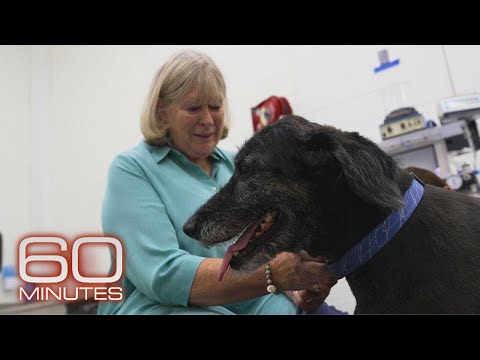
Studying dogs may reveal path to longer, healthier life for dogs, humans | 60 Minutes
0
Richard VT posted on 2026/03/23Ever wonder if your furry friend could hold the key to a longer, healthier life for both of you? This fascinating 60 Minutes segment dives into the Dog Aging Project, exploring cutting-edge research on canine dementia and the potential of drugs like rapamycin. You'll pick up advanced vocabulary related to aging and health, and hear touching owner stories that make the science come alive!
Learn this video on the APP!
The VoiceTube App has more in-depth practice for videos!