
administer
US /ædˈmɪnɪstɚ/
UK /əd'mɪnɪstə(r)/
- Transitive Verb
- To give e.g. medicine to a patient
- To manage or have responsibility for something
B2TOEICMoreas a result of
US
UK
- Phrase
- Because of something; owing to.
A1Moreas long as
US /æz lɔŋ æz/
UK /æz lɔŋ æz/
- Conjunction
- For the period that; provided that.
- For the length of time that
- Preposition
- On the condition that; providing that.
- Having the same length as.
A1Moreat least
US /æt list/
UK /æt li:st/
- Adverb
- As a minimum
- Not less than
- Phrase
- No less than; at the minimum
- Used to indicate that something is positive in a bad situation.
C2Moreback up
US /bæk ʌp/
UK /bæk ʌp/
- Phrasal Verb
- To save a copy of your computer data
- To confirm the truth of what someone says
A1Morecall for
US /kɔl fɔr/
UK /kɔ:l fɔ:/
- Phrasal Verb
- To demand, need or require (an action or thing)
- To come to someone's house to take them somewhere
A1Morechain
US /tʃen/
UK /tʃeɪn/
- Transitive Verb
- To feel to be bound or tied to
- To connect or tie with a rope made of metal links
- Noun (Countable/Uncountable)
- Series of events or things that are connected
- Series of (metal) connected links or rings
A2Moreclarify
US /ˈklærəˌfaɪ/
UK /'klærəfaɪ/
- Transitive Verb
- To make a liquid become clear or pure
- To state again so that a point is clearer
B1Morecommission
US /kəˈmɪʃən/
UK /kə'mɪʃn/
- Noun (Countable/Uncountable)
- Money paid for a service, e.g. money exchanging
- An official role or title in the military
- Transitive Verb
- To hire someone, order work to be done for payment
- To formally ask someone to create or produce something.
A2TOEICMorecommit
US /kəˈmɪt/
UK /kə'mɪt/
- Transitive Verb
- To do something bad, usually a crime
- To promise your permanent love or loyalty (to)
A2TOEICMorecommitment
US /kəˈmɪtmənt/
UK /kə'mɪtmənt/
- Noun
- Permanent love or concern for person, thing
- Promise or decision to do something for a purpose
A2Morecommunity
US /kəˈmjunɪti/
UK /kə'mju:nətɪ/
- Noun (Countable/Uncountable)
- Group of people who share a common idea or area
- A feeling of fellowship with others, as a result of sharing common attitudes, interests, and goals.
- Adjective
- Relating to or shared by the people in a particular area.
- Shared or participated in by all members of a group
A2Morecongress
US /ˈkɑŋɡrɪs/
UK /'kɒŋɡres/
- Noun (Countable/Uncountable)
- Meeting of elected or appointed representatives
- Proper Noun
- American governing body of elected representatives
B1Morecongressional
US /kənˈɡreʃənl/
UK /kənˈgreʃənl/
- Adjective
- Concerning the US congress
B2Moreconstitution
US /ˌkɑnstɪˈtuʃən, -ˈtju-/
UK /ˌkɔnstiˈtju:ʃən/
- Noun (Countable/Uncountable)
- Statement of fundamental principles of a country
- Condition of your health
B1Morecontest
US /ˈkɑnˌtɛst/
UK /'kɒntest/
- Noun
- Struggle or competition between rivals
- Verb (Transitive/Intransitive)
- To struggle or compete against other people
- To not accept an official or legal judgment
B1Morecount
US /kaʊnt/
UK /kaʊnt/
- Verb (Transitive/Intransitive)
- To add things together to find the total number
- To matter or be important
- Countable Noun
- Number of things added together, e.g. votes
- With the number of crimes, knockouts, as stated
A2Morecustody
US /ˈkʌstədi/
UK /ˈkʌstədi/
- Noun
- Legal right to be responsible and care for a child
B2Moredemocratic
US /ˌdɛməˈkrætɪk/
UK /ˌdeməˈkrætɪk/
- Adjective
- (Of government) giving the people power, a vote
- Based on the principle that all members have equal rights.
B2Moredistrust
US /dɪsˈtrʌst/
UK /dɪs'trʌst/
- Uncountable Noun
- Feeling of having no faith in a person/thing
- Transitive Verb
- To not trust someone or something
B2Moreelection
US /ɪˈlɛkʃən/
UK /ɪ'lekʃn/
- Noun
- Process of choosing someone by voting
B1TOEICMoreessentially
US /ɪˈsenʃəli/
UK /ɪˈsenʃəli/
- Adverb
- Basically; (said when stating the basic facts)
- Used to emphasize the basic truth or fact of a situation.
A2Moreexhibit
US /ɪɡˈzɪbɪt, ɛɡ-/
UK /ɪɡ'zɪbɪt/
- Noun (Countable/Uncountable)
- Object put on public display, e.g. in a gallery
- An object or collection of objects on public display in an art gallery or museum or at a trade fair.
- Transitive Verb
- To show something, such as an emotion
- To put object on public display, e.g. in a gallery
A2TOEICMorefavorably
US /'feɪvərəblɪ/
UK /'feɪvərəblɪ/
- Adverb
- So as to give or show approval
B2Morefederal
US /ˈfɛdərəl, ˈfɛdrəl/
UK /'fedərəl/
- Adjective
- Consisting of several united states
- Relating to a system of government in which power is divided between a central authority and constituent political units.
- Proper Noun
- The central banking system of the United States.
B1Morein fact
US /ɪn fækt/
UK /in fækt/
- Adverb
- Used to emphasize the truth of a statement, especially one that contrasts with or contradicts something else.
- Used to introduce a more detailed or surprising piece of information.
- Phrase
- Used to emphasize the truth of a statement, especially one that is surprising or contrary to what might be expected.
C1Morein no small part
US /ɪn no smɔl pɑrt/
UK /ɪn nəu smɔ:l pɑ:t/
- other
- To a large extent; playing an important role.
C1Morein person
US /ɪn ˈpɜːrsn/
UK /in ˈpɜːsn/
- Adverb
- Physically present; not by proxy or remotely.
- Face-to-face; not through electronic communication.
A1Morein practice
US /ɪn ˈpræktɪs/
UK /in ˈpræktis/
- Phrase
- In reality or actual use; as opposed to in theory.
A1Morein the past
US
UK
- Phrase
- During a former period of time; previously.
A1Moreinterview
US /ˈɪntɚˌvju/
UK /'ɪntəvju:/
- Transitive Verb
- To formally ask questions about a given topic
- Noun
- Meeting to ask questions to get information
A2TOEICMoreinvolve
US /ɪnˈvɑlv/
UK /ɪn'vɒlv/
- Transitive Verb
- To have or be included as a part of something
- To cause (a person or group) to take part in an event or activity.
A2TOEICMorelegislation
US /ˌlɛdʒɪˈsleʃən/
UK /ˌledʒɪsˈleɪʃn/
- Uncountable Noun
- Act or process of writing and passing laws
B1Morelocal communities
US
UK
- Noun (plural)
- Groups of people living in the same area or having particular characteristics in common.
- Neighborhoods or districts where people share social connections and common interests.
B2Morelook at
US /lʊk æt/
UK /luk æt/
- Phrasal Verb
- To use your eyes to focus on something
- To focus your eyes on something carefully
A1Moremajority
US /məˈdʒɔrɪti, -ˈdʒɑr-/
UK /mə'dʒɒrətɪ/
- Noun (Countable/Uncountable)
- Amount that is more than half of a group
- The age at which a person is legally considered an adult.
B1TOEICMoremanipulate
US /məˈnɪpjəˌlet/
UK /mə'nɪpjʊleɪt/
- Transitive Verb
- To try to control others to gain an advantage
- To handle or work in a skillful manner
B1Morenegatively
US /ˈnɛɡətɪvlɪ/
UK /'neɡətɪvlɪ/
- Adverb
- In a harmful, unwanted or unhelpful manner
B1Moreof course
US /ʌv kɔː(r)s/
UK /ɔv kɔː(r)s/
- Adverb
- Sure ; Certainly
- Phrase
- For sure; certainly
A2Moreon the floor
US
UK
- Phrase
- Located on the ground or bottom surface of a room.
- Actively participating in dancing or other floor-based activities.
A1Moreoval
US /ˈoʊvl/
UK /ˈəʊvl/
- Adjective
- Being egg-shaped
- Having a face shape that is elongated and rounded.
- Noun (Countable/Uncountable)
- Egg-shaped object or shape
- A sports ground e.g. for cricket
B1Moreperpetuate
US /pɚˈpɛtʃuˌet/
UK /pə'petʃʊeɪt/
- Transitive Verb
- To make something continue for a long time
B2TOEICMorepertain
US /pɚˈten/
UK /pə'teɪn/
- Intransitive Verb
- To apply to a certain time or place
C1TOEICMorepodcast
US /'pɑ:dkæst/
UK /'pɒdkɑ:st/
- Noun (Countable/Uncountable)
- A digital recording (e.g. radio show) for download
A2Morepoll
US /pol/
UK /pəʊl/
- Noun (Countable/Uncountable)
- Process of gathering opinions by asking questions
- Polls where you go to cast your vote in elections
- Transitive Verb
- To ask a group of people in a vote or election
B1TOEICMorepresident
US /ˈprɛzɪdənt,-ˌdɛnt/
UK /ˈprezɪdənt/
- Noun
- Person in charge of a country, or organization
- The highest-ranking executive in a corporation or organization.
A2TOEICMoreraid
US /red/
UK /reɪd/
- Noun
- Sudden entry by police; surprise attack by army
- A sudden aggressive incursion.
- Transitive Verb
- (Army) to suddenly enter or attack a place
- To suddenly enter or attack, e.g. to steal or harm
B1Morerefer
US /rɪˈfɚ/
UK /rɪ'fɜ:(r)/
- Verb (Transitive/Intransitive)
- To talk about or write about something
- To give information about something
A2TOEICMorerepublican
US /rɪˈpʌblɪkən/
UK /rɪˈpʌblɪkən/
- Countable Noun
- Supporter of the conservative US political party
- Adjective
- Of a republic; not favoring a monarchy
B1Morerun in
US /rʌn ɪn/
UK /rʌn in/
- Phrasal Verb
- To arrest person and take them to police station
- To drive engine slowly until ready for normal use
A1Moresow
US /so/
UK /saʊ/
- Transitive Verb
- To plant seeds in an area of ground
- Countable Noun
- An adult female pig.
B2Morespecifically
US /spəˈsɪfɪkli/
UK /spəˈsɪfɪkli/
- Adverb
- As regards a particular thing; closely related to
- In a definite and clear manner.
A2Morestrike
US /straɪk/
UK /straɪk/
- Transitive Verb
- To hit something
- To remove or erase.
- Noun (Countable/Uncountable)
- A punch or hit
- Fact of not hitting the ball when playing baseball
A2TOEICMoresubpoena
US /səˈpinə/
UK /səˈpi:nə/
- Noun
- Legal document forcing a witness to give evidence
- Transitive Verb
- To force a witness to give evidence in court
C2TOEICMoresuch as
US /sʌtʃ æz/
UK /sʌtʃ æz/
- Preposition
- For example; like
A1Moretake over
US /tek ˈovɚ/
UK /teik ˈəuvə/
- Phrasal Verb
- To gain control of (a company) from someone else
- To assume control or possession of something.
A1Moretalking about
US
UK
- Phrasal Verb
- To discuss a particular topic.
- To be constantly mentioning or bringing up a subject.
A1Morethrow out
US /θro aʊt/
UK /θrəu aut/
- Phrasal Verb
- To make someone leave, because of bad behavior
- To put in the garbage; discard
A1Moretremendous
US /trɪˈmɛndəs/
UK /trəˈmendəs/
- Adjective
- Very good or very impressive
- Extremely large or great.
B1TOEICMoreturned out
US
UK
- Phrasal Verb
- To arrive for a public event or entertainment
- To happen to be in the end
- Transitive Verb
- To extinguish or switch off lights.
A1More
Vocabulary
- look at: To use your eyes to focus on something
- talking about: To discuss a particular topic.
- of course: Sure ; Certainly
- take over: To gain control of (a company) from someone else
- at least: As a minimum
- local communities: Groups of people living in the same area or having particular characteristics in common.
- run in: To arrest person and take them to police station
- in fact: Used to emphasize the truth of a statement, especially one that contrasts with or contradicts something else.
- in person: Physically present; not by proxy or remotely.
- throw out: To make someone leave, because of bad behavior
- call for: To demand, need or require (an action or thing)
- turned out: To arrive for a public event or entertainment
- in the past: During a former period of time; previously.
- in no small part: To a large extent; playing an important role.
- in practice: In reality or actual use; as opposed to in theory.
- such as: For example; like
- on the floor: Located on the ground or bottom surface of a room.
- back up: To save a copy of your computer data
- as long as: For the period that; provided that.
- as a result of: Because of something; owing to.
- essentially: Basically; (said when stating the basic facts)
- commitment: Permanent love or concern for person, thing
- majority: Amount that is more than half of a group
- tremendous: Very good or very impressive
- evidence: Factual proof that helps to establish the truth
- common: Area in a city or town that is open to everyone
- specifically: As regards a particular thing; closely related to
- sense: Certain mental feeling or emotion
- manipulate: To try to control others to gain an advantage
- community: Group of people who share a common idea or area
- strike: To hit something
- commit: To do something bad, usually a crime
- state: Region within a country, with its own government
- federal: Consisting of several united states
- refer: To talk about or write about something
- congress: Meeting of elected or appointed representatives
- involve: To have or be included as a part of something
- democratic: (Of government) giving the people power, a vote
- fair: Neither very good nor very bad; average
- break: To create a new record e.g. running the 100m dash
- poll: Process of gathering opinions by asking questions
- commission: Money paid for a service, e.g. money exchanging
- exhibit: Object put on public display, e.g. in a gallery
- appear: To be seen, become visible; come into sight
- constitution: Statement of fundamental principles of a country
- count: To add things together to find the total number
- legislation: Act or process of writing and passing laws
- president: Person in charge of a country, or organization
- act: To behave in a certain way
- custody: Legal right to be responsible and care for a child
- chain: To feel to be bound or tied to
- election: Process of choosing someone by voting
- government: Group of people and system that rule a nation
- interview: To formally ask questions about a given topic
- raid: Sudden entry by police; surprise attack by army
- bring: To take or go with someone to a place
- clarify: To make a liquid become clear or pure
- contest: Struggle or competition between rivals
- head: To hit a ball with your head in a game
- pertain: To apply to a certain time or place
- podcast: A digital recording (e.g. radio show) for download
- perpetuate: To make something continue for a long time
- prepare: To make something ready for use
- real: Actually existing or happening, not imagined
- administer: To give e.g. medicine to a patient
- negatively: In a harmful, unwanted or unhelpful manner
- country: An area of land that is controlled by a government
- lose: To be unable to keep in check or control something
- oval: Being egg-shaped
- sow: To plant seeds in an area of ground
- republican: Supporter of the conservative US political party
- congressional: Concerning the US congress
- distrust: Feeling of having no faith in a person/thing
- favorably: So as to give or show approval
- subpoena: Legal document forcing a witness to give evidence
Get the full experience in the app
Learn anywhere with detailed sentence and usage analysis
01:03
She took a brave step forward, leaving behind her comfort zone to chase her dreams.
Vocabulary
- brave
adj. Having courage
- comfort zone
phr. A familiar situation where one feels safe
Explanation
a brave step is a noun phrase, where brave is an adjective modifying the noun step, meaning "a courageous step".
forward is an adverb modifying step, meaning "ahead".
The whole phrase serves as the object, answering the "what" of took (verb) — she took a brave step forward.
Get the full experience in the app
Look up words anytime with pronunciation, part of speech, and usage
brave
US/brev/
UK/breɪv/
adj.Brave
v.t.To bravely face
A2 Elementary
Get the full experience in the app
Practice speaking anytime and get instant pronunciation feedback
Try this speaking exercise.
Try practicing with this sentence.
80
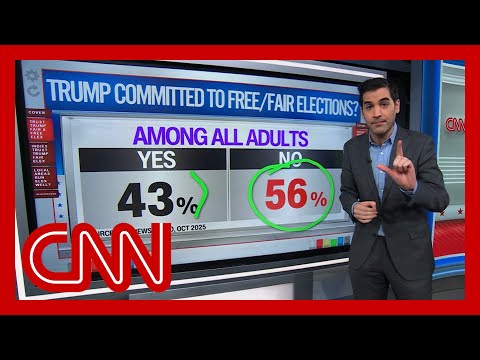
Enten: Americans don't trust Trump to run elections
0
林宜悉 posted on 2026/02/04Ever wonder why Americans don't trust Trump to run elections? Harry Enten breaks down the fascinating numbers behind election integrity and voter ID, giving you a deep dive into current US politics. You'll pick up advanced vocabulary and gain cultural insights into this crucial topic!
Learn this video on the APP!
The VoiceTube App has more in-depth practice for videos!