distrust
US /dɪsˈtrʌst/
・UK /dɪs'trʌst/
B2
n. (u.)Uncountable NounFeeling of having no faith in a person/thing
Lars had a distrust of people who became too friendly too fast
v.t.Transitive VerbTo not trust someone or something
I distrust your reasons for wanting to fire Edward, are you sure it isn't personal?
Video subtitles
The Ugly Truth About Gwyneth Paltrow and GOOP
- This is likely a survival mechanism to distrust strange enemies and instead, trust those in our tribes.
This is likely a survival mechanism to distrust strange enemies and instead, trust those in our tribes.
- to distrust strange enemies
to distrust strange enemies
How can you spot a TikTok wellness scam? - What in the World podcast, BBC World Service
- So it's kind of easy to say like, oh drink more water or eat a more balanced meal, but a lot of people have kind of tried this before or are already doing it in their life, so it doesn't kind of seem like something you can really easily latch on to. Whereas when you say cut out all carbs, that's like a new thing that you can bring into your life that feels like you're really changing something. So trends tend to be something that's new, kind of strange sounding, and something that you can easily latch on to that people think may improve their life. Now we should point out that in terms of the wellness industry, not everything is a scam. As you said up top, it's a massive industry and there are indeed products that are backed by scientific evidence. My question for you is this though, where is the line? When does it become problematic? It's really tough to draw that line sometimes because you've got most of the trends that I see tend to be kind of in this middle area where they don't work, but they don't cost you money, so it's not really an issue if people want to try them. It may lead to something, it may make you happier in some way, but it kind of is this middle ground where, oh it is a lie, but at least there's no direct harm being caused. And then you have the next step, which is selling a product that may not have any harms, costs a lot of money, but also doesn't work. So that's actually ripping people off. Then you've got the next step where someone tries a wellness trend or believes in these products so much that they don't then seek mainstream medical care. That's really problematic because it delays treatment, it can delay prevention, which is really the most important point in medical care, and it can cause people to have a bit of distrust in mainstream medicine and think that this maybe natural solution that an influence is selling is better than a pharmaceutical or doctor recommended treatment. And then there's the last step where influencers recommend products or regimes that are actively harmful. So this is when they recommend disordered eating habits or a product that has a high concentration of some chemical or some, I don't know, byproducts that can actually cause harm. Now I think it's easy for people to watch this and say, oh how could people fall for these scams? But the fact is there are a lot of vulnerable people. Perhaps they have consulted a doctor, they haven't found a solution, and they sincerely want that solution. Do you think that plays in to this becoming so popular, this trend taking off? It's so easy to be swept up when you're seeing video after video after video from these beautiful influencers who've changed their lives and look at that and be like, wow, I want to feel like, I want my gut to be healthy, I want my hormones to be balanced. These terms are meaningless and gut health, for example, is so complex. An influencer on TikTok is not going to know how to solve it. We talked about aspiration, we talked about people seeking a solution. Are there any other reasons that these online trends go viral, that they're so effective for the influencer in promoting themselves? I think one thing that these viral trends tend to do really well for influencers is to be a successful influencer, you need to have a story, you need to have a character arc. These wellness trends are a really easy way to create a character arc for yourself. You could say, come with me on my journey to heal my cortisol levels. It's one of those things where, okay, well now I'm going to tune in and see if this influencer does heal their cortisol. Even if they're doing completely separate things. One trend that people may have seen is cortisol face, which is when there's just like a bit of fat in your face.
So it's kind of easy to say like, oh drink more water or eat a more balanced meal, but a lot of people have kind of tried this before or are already doing it in their life, so it doesn't kind of seem like something you can really easily latch on to. Whereas when you say cut out all carbs, that's like a new thing that you can bring into your life that feels like you're really changing something. So trends tend to be something that's new, kind of strange sounding, and something that you can easily latch on to that people think may improve their life. Now we should point out that in terms of the wellness industry, not everything is a scam. As you said up top, it's a massive industry and there are indeed products that are backed by scientific evidence. My question for you is this though, where is the line? When does it become problematic? It's really tough to draw that line sometimes because you've got most of the trends that I see tend to be kind of in this middle area where they don't work, but they don't cost you money, so it's not really an issue if people want to try them. It may lead to something, it may make you happier in some way, but it kind of is this middle ground where, oh it is a lie, but at least there's no direct harm being caused. And then you have the next step, which is selling a product that may not have any harms, costs a lot of money, but also doesn't work. So that's actually ripping people off. Then you've got the next step where someone tries a wellness trend or believes in these products so much that they don't then seek mainstream medical care. That's really problematic because it delays treatment, it can delay prevention, which is really the most important point in medical care, and it can cause people to have a bit of distrust in mainstream medicine and think that this maybe natural solution that an influence is selling is better than a pharmaceutical or doctor recommended treatment. And then there's the last step where influencers recommend products or regimes that are actively harmful. So this is when they recommend disordered eating habits or a product that has a high concentration of some chemical or some, I don't know, byproducts that can actually cause harm. Now I think it's easy for people to watch this and say, oh how could people fall for these scams? But the fact is there are a lot of vulnerable people. Perhaps they have consulted a doctor, they haven't found a solution, and they sincerely want that solution. Do you think that plays in to this becoming so popular, this trend taking off? It's so easy to be swept up when you're seeing video after video after video from these beautiful influencers who've changed their lives and look at that and be like, wow, I want to feel like, I want my gut to be healthy, I want my hormones to be balanced. These terms are meaningless and gut health, for example, is so complex. An influencer on TikTok is not going to know how to solve it. We talked about aspiration, we talked about people seeking a solution. Are there any other reasons that these online trends go viral, that they're so effective for the influencer in promoting themselves? I think one thing that these viral trends tend to do really well for influencers is to be a successful influencer, you need to have a story, you need to have a character arc. These wellness trends are a really easy way to create a character arc for yourself. You could say, come with me on my journey to heal my cortisol levels. It's one of those things where, okay, well now I'm going to tune in and see if this influencer does heal their cortisol. Even if they're doing completely separate things. One trend that people may have seen is cortisol face, which is when there's just like a bit of fat in your face.
- and it can cause people to have a bit of distrust in mainstream medicine and think that this maybe natural solution that an influencer is selling is better than a pharmaceutical or doctor-recommended treatment.
and it can cause people to have a bit of distrust in mainstream medicine and think that this maybe natural solution that an influencer is selling is better than a pharmaceutical or doctor-recommended treatment.
White House pushes back after reports Donald Trump is named in Epstein files | BBC News

- He said that was something he also had as well, a huge distrust in institutions and what they know and what they're hiding.
He said that was something he also had as well, a huge distrust in institutions and what they know and what they're hiding.
- He said that was something he also had as well, a huge distrust in institutions and what they know and what they're hiding.
He said that was something he also had as well, a huge distrust in institutions and what they know and what they're hiding.
Why the South China Sea is a time bomb

- and there's a lot of distrust in China.
and there's a lot of distrust in China.
- The Philippine public, there's a large overwhelming support for the U.S. and there's a lot of distrust in China.
The Philippine public, there's a large overwhelming support for the U.S. and there's a lot of distrust in China.
Want female friends? Dress like a tomboy so they don't feel threatened, says study

- There's several studies that support her distrust.
There's several studies that support her distrust.
- There's several studies that support her distrust.
There's several studies that support her distrust.
10 Scariest Moments in Recent World History

- Beyond its tragic significance, which led to the abandonment of the town of Pripyat, the disaster led to widespread distrust of the Soviet government, amid backlash for its efforts to cover it up.
Beyond its tragic significance, which led to the abandonment of the town of Pripyat, the disaster led to widespread distrust of the Soviet government, amid backlash for its efforts to cover it up.
- Beyond its tragic significance, which led to the abandonment of the town of Pripyat, the disaster led to widespread distrust of the Soviet government, amid backlash for its efforts to cover it up.
Beyond its tragic significance, which led to the abandonment of the town of Pripyat, the disaster led to widespread distrust of the Soviet government, amid backlash for its efforts to cover it up.
Martin Luther King | "I Have A Dream" Speech

- The marvelous new militancy, which has engulfed the Negro community, must not lead us to a distrust of all White people.
The marvelous new militancy, which has engulfed the Negro community, must not lead us to a distrust of all White people.
- Must not lead us to a distrust of all white people for many of our white brothers, as evidenced by their presence here today,
Must not lead us to a distrust of all white people for many of our white brothers, as evidenced by their presence here today,
People not to fall in love with: a checklist
- It may sound ungenerous to throw the emphasis on the negative, but we can fairly say that people who are good at love know, first and foremost, who not to fall in love with. While they may have all sorts of friends and a wide sympathy for the vagaries of being human, when it comes to who they opt to tie themselves to, this is some of what they will avoid with determination. People who have no sense of how difficult they are to live with. People with a heightened belief in their infallibility. People who will, when something is pointed out to them, quickly choose the occasion to simultaneously inform you that it's not as though you're perfect either. People who will label any criticism of them, however sensitively delivered, as rude or offensive and contrary to the rules of true love as they define these. People who deliberately drive you to the edge of frustration, then turn and say, why are you getting cross so suddenly? People who smile and say, I get it completely now, I'm going to change, and then go and do whatever it was all over again a few days later. People who combine an exquisite talent for upset with an even greater talent for sentimental apology. People who will flirt with others, then call it only a bit of fun and label you a prude for minding. People who will mess up your house and call you anal. People who will prioritise time with their friends over time with you and then call you controlling. People who tell you you're imagining things a lot. People who harbour a background grudge against your gender. People who are furious with a parent and don't realise they are. People who can't forgive anyone who thinks better of them than they think of themselves. People who claim desperately to want a relationship but are inwardly so committed to distrust, isolation and self-hatred that they aren't in any position really to have one and yet don't know this of themselves. People who principally associate love with the pleasant feelings they register when you are nice to them. People who don't take your love as a substantial gift you choose to bestow every day and could take elsewhere.
It may sound ungenerous to throw the emphasis on the negative, but we can fairly say that people who are good at love know, first and foremost, who not to fall in love with. While they may have all sorts of friends and a wide sympathy for the vagaries of being human, when it comes to who they opt to tie themselves to, this is some of what they will avoid with determination. People who have no sense of how difficult they are to live with. People with a heightened belief in their infallibility. People who will, when something is pointed out to them, quickly choose the occasion to simultaneously inform you that it's not as though you're perfect either. People who will label any criticism of them, however sensitively delivered, as rude or offensive and contrary to the rules of true love as they define these. People who deliberately drive you to the edge of frustration, then turn and say, why are you getting cross so suddenly? People who smile and say, I get it completely now, I'm going to change, and then go and do whatever it was all over again a few days later. People who combine an exquisite talent for upset with an even greater talent for sentimental apology. People who will flirt with others, then call it only a bit of fun and label you a prude for minding. People who will mess up your house and call you anal. People who will prioritise time with their friends over time with you and then call you controlling. People who tell you you're imagining things a lot. People who harbour a background grudge against your gender. People who are furious with a parent and don't realise they are. People who can't forgive anyone who thinks better of them than they think of themselves. People who claim desperately to want a relationship but are inwardly so committed to distrust, isolation and self-hatred that they aren't in any position really to have one and yet don't know this of themselves. People who principally associate love with the pleasant feelings they register when you are nice to them. People who don't take your love as a substantial gift you choose to bestow every day and could take elsewhere.
- People who claim desperately to want a relationship but are inwardly so committed to distrust, isolation and self-hatred that they aren't in any position really to have one and yet don't know this of themselves.
People who claim desperately to want a relationship but are inwardly so committed to distrust, isolation and self-hatred that they aren't in any position really to have one and yet don't know this of themselves.
Fighting Druze in Syria could return, Bedouins tell BBC | BBC News

- With such a level of distrust then, this is a fragile truce.
With such a level of distrust then, this is a fragile truce.
- With such a level of distrust, then, this is a fragile truce.
With such a level of distrust, then, this is a fragile truce.
Geography of Papua New Guinea: The Most Interesting Country in the World?
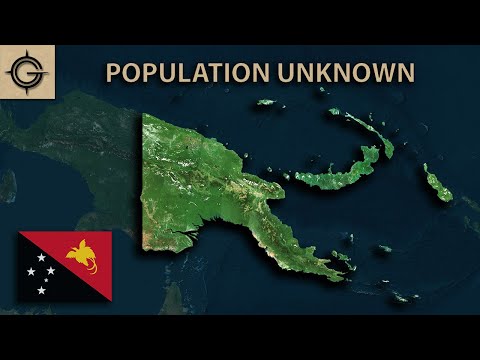
- And as is a common characteristic in many rural areas across the world, there is a stronger distrust of the government in some areas, which may lead to reluctance to participate in government-led initiatives like a census, potentially leading to underreporting or difficulties in data collection.
And as is a common characteristic in many rural areas across the world, there is a stronger distrust of the government in some areas, which may lead to reluctance to participate in government-led initiatives like a census, potentially leading to underreporting or difficulties in data collection.
- And as is a common characteristic in many rural areas across the world, there is a stronger distrust of the government in some areas, which may lead to reluctance to participate in government-led initiatives like a census, potentially leading to underreporting or difficulties in data collection.
And as is a common characteristic in many rural areas across the world, there is a stronger distrust of the government in some areas, which may lead to reluctance to participate in government-led initiatives like a census, potentially leading to underreporting or difficulties in data collection.