exhibit
US /ɪɡˈzɪbɪt, ɛɡ-/
・UK /ɪɡ'zɪbɪt/
Video subtitles
Real Exorcism Goes Wrong | Tales From the Bottle

- A week into his prison sentence for the crime, Taylor began to exhibit the same strange behavior he did before his wife's murder.
A week into his prison sentence for the crime, Taylor began to exhibit the same strange behavior he did before his wife's murder.
How Retailers Like T.J. Maxx And Home Depot Quietly Target 'Problem' Returners

- From there, The Retail Equation software tracks customer return behavior and assigns a score to returners who may exhibit potentially fraudulent behavior.
From there, The Retail Equation software tracks customer return behavior and assigns a score to returners who may exhibit potentially fraudulent behavior.
- assigns a score to returners who may exhibit potentially
assigns a score to returners who may exhibit potentially
Live / Play

- Anyone can exhibit handmade pieces at the Maker Faire.
Anyone can exhibit handmade pieces at the Maker Faire.
Reef Life of the Andaman (full marine biology documentary)
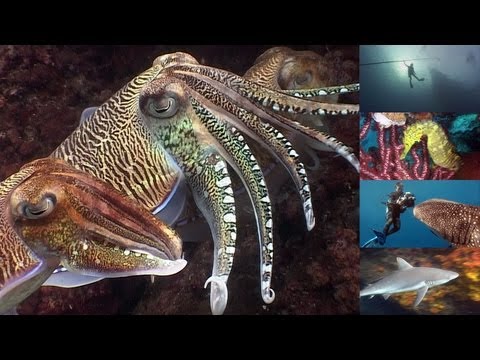
- Risbecia nudibranchs often exhibit "trailing" behavior,
Risbecia nudibranchs often exhibit "trailing" behavior,
New York Gov. Andrew Cuomo holds coronavirus briefing

- BUT THEY DIDN'T EXHIBIT THE
BUT THEY DIDN'T EXHIBIT THE
Episode 4: They Are Otterly Adorable

- Sea Otters don't do that very well and it took a lot of trial and error to kind of figure that out and for the most part if you don't have an ability to really provide that maternal care for the pups that are that are rescued it's very difficult to reintegrate them back successfully into the wild and the Monterey Bay team since the mid 80s has been trying this in various forms and they they've gone you know where they had animal care staff that were you know pretty much just totally invested in trying to do everything possible to play the part of a sea otter mom and and teach these pups everything they would need to know to be able to forage and how to find food and how to break it open and and and they you know tried a number of times to rehabilitate animals like that and release them back into the into the wild and had very little success doing that and so for a long time if there was a stranded sea otter pup it was pretty much deemed non-releasable by the US Fish and Wildlife Service pretty quickly and then if you know and then provided a home was available at a at an accredited institution of an aquarium or zoo that animal would be moved into that that sort of public display type realm but what the folks at Monterey Bay Aquarium started doing was taking some of their older females in their in their exhibit their exhibit population and essentially using them as surrogate moms for these stranded pups where they would provide one of their older females with a with a newly stranded pup to see if the female would take it under her wing for lack of better word and and start raising the pup and that became a very successful program to this day it's very successful and it's starting to branch out into into some other partner facilities that that we hope hopefully we'll be working with in the future on that as well and so but the limiting factor is the number of females that can serve as surrogates because it's a very there's only a handful of them it takes a long time and there have been years where there's more pups stranding or being either abandoned or in the case of some of the animals that we brought here to Georgia Aquarium their mothers were preyed upon by white sharks and and therefore abandoned and so if there's not enough surrogates in the in the program then those animals are deemed non-releasable and an effort is made to try and place them into into aquariums and zoos.
Sea Otters don't do that very well and it took a lot of trial and error to kind of figure that out and for the most part if you don't have an ability to really provide that maternal care for the pups that are that are rescued it's very difficult to reintegrate them back successfully into the wild and the Monterey Bay team since the mid 80s has been trying this in various forms and they they've gone you know where they had animal care staff that were you know pretty much just totally invested in trying to do everything possible to play the part of a sea otter mom and and teach these pups everything they would need to know to be able to forage and how to find food and how to break it open and and and they you know tried a number of times to rehabilitate animals like that and release them back into the into the wild and had very little success doing that and so for a long time if there was a stranded sea otter pup it was pretty much deemed non-releasable by the US Fish and Wildlife Service pretty quickly and then if you know and then provided a home was available at a at an accredited institution of an aquarium or zoo that animal would be moved into that that sort of public display type realm but what the folks at Monterey Bay Aquarium started doing was taking some of their older females in their in their exhibit their exhibit population and essentially using them as surrogate moms for these stranded pups where they would provide one of their older females with a with a newly stranded pup to see if the female would take it under her wing for lack of better word and and start raising the pup and that became a very successful program to this day it's very successful and it's starting to branch out into into some other partner facilities that that we hope hopefully we'll be working with in the future on that as well and so but the limiting factor is the number of females that can serve as surrogates because it's a very there's only a handful of them it takes a long time and there have been years where there's more pups stranding or being either abandoned or in the case of some of the animals that we brought here to Georgia Aquarium their mothers were preyed upon by white sharks and and therefore abandoned and so if there's not enough surrogates in the in the program then those animals are deemed non-releasable and an effort is made to try and place them into into aquariums and zoos.
- The issue that we had at that time was there was not really any more room at the inn for for a lack of a better way of expressing that the Monterey folks work with the the Association of Zoos and Aquariums they have a group that specializes on kind of knowing everything there is to know about sea otters and and which facilities might have space to accept not only space but also expertise to accept very young sea otter pups and when Cruz abandoned was and when Cruz was was recovered there were really no more opportunities to place and so he was when the when the stranding folks get to that situation their their only choice at that point is humane euthanasia if there's not a space in the surrogacy program there's not a space at an accredited facility then the most humane thing to do at that point is to is to put that that pup down unfortunately which makes you know it's it's hard to wrap your mind around that this is a threatened species why could you do that but it's it's it is the most responsible thing to do we had staff out there caring for Bixby at the time and I got a phone call late it's like they just came up there's another young pup it's a male male sea otters are a little bit more they take a little bit more ingenuity I guess and and they're a bit more of a challenge to manage sometimes and so there we have to be careful with the the dynamic that we have in terms of the number of males and females that we would manage here with our with our exhibit but we made the choice at that time that you know this animal was was destined to be put down to be euthanized and you know we had our hands full with with two sea otters that we had that we were taking on already but we made the choice to to extend and do we do we did there and and and save that little sea otter and brought him back with Bixby on a private plane and and it never looked back he's he's an amazing amazing animal that we've learned a lot from well Dennis I'm not gonna lie you know through throughout that story you just told I'm kind of hearing some some Sarah McLaughlin in the background this kind of has that is there that SPCA kind of commercial vibe to it I mean when you think about these animals there they are undeniably probably one of the most adorable species not just here at the aquarium but but on the planet but when you hear about how much that they're going through you know hear about habitat loss when you hear about that how difficult the you know rehab and rehabilitation you know process is for them it's a lot different than like a California sea lion that can go out into a group and basically learn from the group so it seems like these animals have a lot kind of going against them yes but it's really cool to know that there's actually a whole bunch of people ourselves included that care very much about these critters and especially in that story just there when when the alternative was you know the animal not being here anymore that the decision was made to to prolong that animals life and now he's you know a private plane to Atlanta and now live in the suite life here in the cold water quest gallery I mean that's that's very much a positive so so what can our listeners with all of that being said what is one positive impact that our our listeners and our visitors can can have on southern sea otters well what is a you know one or a couple things that can you know kind of help this species out that any any person can can do yeah that's a great question Josh and that's something that's really a powerful message for us when we have these sea otters here in Atlanta they they're viewable visible to millions of guests every year and there are they are as I've said a very powerful conservation kind of case and the message is very simple and it's something that you hear a lot you know everybody has a role to play our goal here is is to inspire people to care about these animals we obviously care about them we want to do everything possible to make sure that these are animals that that that live for generations you know with without impact based on our activities but the honest truth is our activities have an impact on these animals and with the case of the southern sea otter there's a there's a number of things unfortunately these are animals that are succumbing or being exposed more and more to runoff related to agricultural runoff but also curiously they're very susceptible to a parasite called toxoplasmosis if you you might know of it through it's it's one of the reasons that if you're an expect it's one of the reasons that if you're an expectant mother you're not supposed to change or tend to your cat's litter box it's a it's a parasite that is is transmissible through cat feces and so what we're seeing is sea otters are coming up with this toxoplasmosis they're exposed to this toxoplasma and that's that's having an issue on that creates a lot of neurological issues for them they just they're not equipped to handle it and so we're seeing issues with people poorly or improperly disposing of their their pet waste essentially it's creating an issue for them probably related somewhat to just the population of that exists along that same coastline the number of cats number of pets feral or otherwise and and so that's an issue but also marine debris these are animals that are very curious and they they're they're actually one of the few species actually that use tools to to to help their efforts in getting into the hard-shelled invertebrates that they eat they'll go down and bring up a clam but also bring up a rock and smash the clam against the rock but they use other things and they're very curious in their environment and so when they're people are using a lot of single-use plastic bags those tend to unfortunately end up in the ocean and these are animals that there's there's animals that are you know photographed with bags on their head you know essentially not surviving that sort of interaction with with marine debris and so just being careful of what we're utilizing in our day-to-day lives trying to take every effort to use things that are more and are less likely to end up in the ocean and end up being an issue for these animals and the other animals that live in the marine environment so basically if you live in California or are visiting the coast of California just pick up after yourself and pick up after your pet and that can actually make a world of difference to these animals to these animals but but also again everybody has a role to play you know every every stream leads to the ocean and so even though we're hundreds of miles away from the ocean guests or residents of Atlanta have have a role to play too because it's not just a sea otter it's a sea turtle it's it's you know whales that are that are washing up with stomachs full of plus of single-use plastics sea otters or sorry sea turtles that are watching up with straws up there up their nose and things like that so lots of lots of decisions that people have to make in their day-to-day lives but understanding that you know just cutting back helps it makes a big difference right all good very very very good points there so Dennis thank you very much I've learned a way more about these animals than I worked here for almost seven years now and I learned a lot today about these incredible critters so before you go you do as we mentioned in the very beginning you do care for all of the adorable critters here at the aquarium out of all of them all those species and it honestly it might be the sea otter but what is your what's your favorite put me on the spot what is your favorite it's like you don't have a favorite child you know you can't answer yeah but you kind of do you got to do the honest answer is it probably depends on the day I find I just like a child just like a child it depends on what's what's going on you know right right now to be honest with you as a sitting here we have five little pufflings that have been hatched over the last last couple weeks and I'd say I'm kind of infatuated with watching my phone or little nest cams watching these little puffballs grow so quickly so I'm definitely into that sea otters are always a favorite anybody that maybe watched this watch the show or knows me knows that I'm a fan of our harbor seals and Rose our little female specifically is one that always gets me I spend time every day saying hi to her for sure she is adorable she's adorable yeah so didn't really answer your question it's okay nobody really has because everyone everyone's trying to yeah we have a lot of incredible animals here it's really it's really hard to favorite animals I've ever worked with is helping the OV team with with the manta rays behind us here just I mean they're all they're all very very they get to me yeah I mean this is a you know it's this is a very special place and obviously over 17 years you've been a huge part of this aquariums history and you've you know dedicated your life in the past 17 years of your life to to these to these incredible animals while you know having a family of you have your own kids and things like that that you're caring for so you're taking care of actually I just learned that puffling is a word unless you made that up nope that is the actual scientific term baby puff baby puffin a puffin chick is a puffling that's the cutest thing on the planet pretty sure you got that from Harry Potter but that's fine nope so with all of that with 17 years of history at this facility I'm gonna put you on the spot again what's your favorite memory of this place my favorite memory yeah favorite experience favorites just what flooding yeah there was a flood no no just the memories are oh okay good I was gonna say well that would be memorable honestly actually you know some of these transports you know being able to to go out in the field and be able to you know work with these animals and bring them back here and the the planning and all the expertise and just you know just takes a lot to pull that off and being in the role that I am or that that's my responsibility it's it's to see that kind of happen and the animals come here and they make it into the into the into the habitats and seeing them you know thrive is all the memories kind of flood back to those moments so with respect to you know maybe the last sea otter transport was probably one of them and it was you know nice you know to get sea otters to Atlanta from California you have to you know there's a lot that goes into moving them they have to stay cold we've learned that the best way is just to charter a private plane so it's a sounds a little bougie I guess but it is for their own best interest we can get get a sea otter pup here in a couple of hours from the coast of California which is which is what what they need and so the last time when we were moving Gibson and Mara it was a beautiful plane I was I felt kind of bad because we were like moving all these like wet things and chests of ice on this plane that I once we were in the air I learned the charter before us I don't know if I'm allowed to say this or not but it was Bruno Mars was taken to to Hawaii in that same plane so just a little bit uh so it was it was Bruno Mars's plane and it wasn't it wasn't Taylor Swift's no nice because in a previous episode we talked to Andy from the the sea lion team but I remember from all the old footage you were a part of yeah those those guys coming here so as the listeners know I started my career at Georgia Aquarium here in Atlanta with our sea lion team so all the little guys that I cared for when I first started back in 2016 here were all animals that literally you had just brought from California months before yeah yeah we could sit here for a couple hours just talking about animal transports and things like that yeah for sure but yeah Neptune and Jupiter were animals that I brought back I remember seeing Andy at the facility where those animals were being housed at the time he was here so he's in the same footage in a different role but yeah very cool well I mean I think now I think we have a reason for you to come back I think that we could have a part two to talk all about good transports you've done great today so Dennis thank you so much for joining us today and yeah thank you all for listening in we'll see you next time
The issue that we had at that time was there was not really any more room at the inn for for a lack of a better way of expressing that the Monterey folks work with the the Association of Zoos and Aquariums they have a group that specializes on kind of knowing everything there is to know about sea otters and and which facilities might have space to accept not only space but also expertise to accept very young sea otter pups and when Cruz abandoned was and when Cruz was was recovered there were really no more opportunities to place and so he was when the when the stranding folks get to that situation their their only choice at that point is humane euthanasia if there's not a space in the surrogacy program there's not a space at an accredited facility then the most humane thing to do at that point is to is to put that that pup down unfortunately which makes you know it's it's hard to wrap your mind around that this is a threatened species why could you do that but it's it's it is the most responsible thing to do we had staff out there caring for Bixby at the time and I got a phone call late it's like they just came up there's another young pup it's a male male sea otters are a little bit more they take a little bit more ingenuity I guess and and they're a bit more of a challenge to manage sometimes and so there we have to be careful with the the dynamic that we have in terms of the number of males and females that we would manage here with our with our exhibit but we made the choice at that time that you know this animal was was destined to be put down to be euthanized and you know we had our hands full with with two sea otters that we had that we were taking on already but we made the choice to to extend and do we do we did there and and and save that little sea otter and brought him back with Bixby on a private plane and and it never looked back he's he's an amazing amazing animal that we've learned a lot from well Dennis I'm not gonna lie you know through throughout that story you just told I'm kind of hearing some some Sarah McLaughlin in the background this kind of has that is there that SPCA kind of commercial vibe to it I mean when you think about these animals there they are undeniably probably one of the most adorable species not just here at the aquarium but but on the planet but when you hear about how much that they're going through you know hear about habitat loss when you hear about that how difficult the you know rehab and rehabilitation you know process is for them it's a lot different than like a California sea lion that can go out into a group and basically learn from the group so it seems like these animals have a lot kind of going against them yes but it's really cool to know that there's actually a whole bunch of people ourselves included that care very much about these critters and especially in that story just there when when the alternative was you know the animal not being here anymore that the decision was made to to prolong that animals life and now he's you know a private plane to Atlanta and now live in the suite life here in the cold water quest gallery I mean that's that's very much a positive so so what can our listeners with all of that being said what is one positive impact that our our listeners and our visitors can can have on southern sea otters well what is a you know one or a couple things that can you know kind of help this species out that any any person can can do yeah that's a great question Josh and that's something that's really a powerful message for us when we have these sea otters here in Atlanta they they're viewable visible to millions of guests every year and there are they are as I've said a very powerful conservation kind of case and the message is very simple and it's something that you hear a lot you know everybody has a role to play our goal here is is to inspire people to care about these animals we obviously care about them we want to do everything possible to make sure that these are animals that that that live for generations you know with without impact based on our activities but the honest truth is our activities have an impact on these animals and with the case of the southern sea otter there's a there's a number of things unfortunately these are animals that are succumbing or being exposed more and more to runoff related to agricultural runoff but also curiously they're very susceptible to a parasite called toxoplasmosis if you you might know of it through it's it's one of the reasons that if you're an expect it's one of the reasons that if you're an expectant mother you're not supposed to change or tend to your cat's litter box it's a it's a parasite that is is transmissible through cat feces and so what we're seeing is sea otters are coming up with this toxoplasmosis they're exposed to this toxoplasma and that's that's having an issue on that creates a lot of neurological issues for them they just they're not equipped to handle it and so we're seeing issues with people poorly or improperly disposing of their their pet waste essentially it's creating an issue for them probably related somewhat to just the population of that exists along that same coastline the number of cats number of pets feral or otherwise and and so that's an issue but also marine debris these are animals that are very curious and they they're they're actually one of the few species actually that use tools to to to help their efforts in getting into the hard-shelled invertebrates that they eat they'll go down and bring up a clam but also bring up a rock and smash the clam against the rock but they use other things and they're very curious in their environment and so when they're people are using a lot of single-use plastic bags those tend to unfortunately end up in the ocean and these are animals that there's there's animals that are you know photographed with bags on their head you know essentially not surviving that sort of interaction with with marine debris and so just being careful of what we're utilizing in our day-to-day lives trying to take every effort to use things that are more and are less likely to end up in the ocean and end up being an issue for these animals and the other animals that live in the marine environment so basically if you live in California or are visiting the coast of California just pick up after yourself and pick up after your pet and that can actually make a world of difference to these animals to these animals but but also again everybody has a role to play you know every every stream leads to the ocean and so even though we're hundreds of miles away from the ocean guests or residents of Atlanta have have a role to play too because it's not just a sea otter it's a sea turtle it's it's you know whales that are that are washing up with stomachs full of plus of single-use plastics sea otters or sorry sea turtles that are watching up with straws up there up their nose and things like that so lots of lots of decisions that people have to make in their day-to-day lives but understanding that you know just cutting back helps it makes a big difference right all good very very very good points there so Dennis thank you very much I've learned a way more about these animals than I worked here for almost seven years now and I learned a lot today about these incredible critters so before you go you do as we mentioned in the very beginning you do care for all of the adorable critters here at the aquarium out of all of them all those species and it honestly it might be the sea otter but what is your what's your favorite put me on the spot what is your favorite it's like you don't have a favorite child you know you can't answer yeah but you kind of do you got to do the honest answer is it probably depends on the day I find I just like a child just like a child it depends on what's what's going on you know right right now to be honest with you as a sitting here we have five little pufflings that have been hatched over the last last couple weeks and I'd say I'm kind of infatuated with watching my phone or little nest cams watching these little puffballs grow so quickly so I'm definitely into that sea otters are always a favorite anybody that maybe watched this watch the show or knows me knows that I'm a fan of our harbor seals and Rose our little female specifically is one that always gets me I spend time every day saying hi to her for sure she is adorable she's adorable yeah so didn't really answer your question it's okay nobody really has because everyone everyone's trying to yeah we have a lot of incredible animals here it's really it's really hard to favorite animals I've ever worked with is helping the OV team with with the manta rays behind us here just I mean they're all they're all very very they get to me yeah I mean this is a you know it's this is a very special place and obviously over 17 years you've been a huge part of this aquariums history and you've you know dedicated your life in the past 17 years of your life to to these to these incredible animals while you know having a family of you have your own kids and things like that that you're caring for so you're taking care of actually I just learned that puffling is a word unless you made that up nope that is the actual scientific term baby puff baby puffin a puffin chick is a puffling that's the cutest thing on the planet pretty sure you got that from Harry Potter but that's fine nope so with all of that with 17 years of history at this facility I'm gonna put you on the spot again what's your favorite memory of this place my favorite memory yeah favorite experience favorites just what flooding yeah there was a flood no no just the memories are oh okay good I was gonna say well that would be memorable honestly actually you know some of these transports you know being able to to go out in the field and be able to you know work with these animals and bring them back here and the the planning and all the expertise and just you know just takes a lot to pull that off and being in the role that I am or that that's my responsibility it's it's to see that kind of happen and the animals come here and they make it into the into the into the habitats and seeing them you know thrive is all the memories kind of flood back to those moments so with respect to you know maybe the last sea otter transport was probably one of them and it was you know nice you know to get sea otters to Atlanta from California you have to you know there's a lot that goes into moving them they have to stay cold we've learned that the best way is just to charter a private plane so it's a sounds a little bougie I guess but it is for their own best interest we can get get a sea otter pup here in a couple of hours from the coast of California which is which is what what they need and so the last time when we were moving Gibson and Mara it was a beautiful plane I was I felt kind of bad because we were like moving all these like wet things and chests of ice on this plane that I once we were in the air I learned the charter before us I don't know if I'm allowed to say this or not but it was Bruno Mars was taken to to Hawaii in that same plane so just a little bit uh so it was it was Bruno Mars's plane and it wasn't it wasn't Taylor Swift's no nice because in a previous episode we talked to Andy from the the sea lion team but I remember from all the old footage you were a part of yeah those those guys coming here so as the listeners know I started my career at Georgia Aquarium here in Atlanta with our sea lion team so all the little guys that I cared for when I first started back in 2016 here were all animals that literally you had just brought from California months before yeah yeah we could sit here for a couple hours just talking about animal transports and things like that yeah for sure but yeah Neptune and Jupiter were animals that I brought back I remember seeing Andy at the facility where those animals were being housed at the time he was here so he's in the same footage in a different role but yeah very cool well I mean I think now I think we have a reason for you to come back I think that we could have a part two to talk all about good transports you've done great today so Dennis thank you so much for joining us today and yeah thank you all for listening in we'll see you next time
Military Aviation History in 12 min | Military aircraft evolution explained

- machine started to exhibit a potential for practical tasks, and also getting attention
machine started to exhibit a potential for practical tasks, and also getting attention
聖光律師直球對決安柏赫德,整場衝突與謊言不斷,強尼戴普官司精華剪輯第二天攻防戰,第一部分(day2)

- Let's please take a look at Defendant's Exhibit 1830.
Let's please take a look at Defendant's Exhibit 1830.
The Impacts of Weight Bias in Healthcare

- Those reporting more frequent fat prejudice exhibit higher levels
Those reporting more frequent fat prejudice exhibit higher levels