
acquire
US /əˈkwaɪr/
UK /ə'kwaɪə(r)/
- Transitive Verb
- To get or earn something by thinking or working
- To develop or learn a skill, habit, or quality.
A2TOEICMoreadulthood
US /'ædʌlthʊd/
UK /'ædʌlthʊd/
- Uncountable Noun
- Time of life when a person is fully grown
- The time when someone has the rights and responsibilities of an adult.
B1Morearound the world
US /əˈraʊnd ði wɜrld/
UK /əˈraund ðə wɜː(r)ld/
- Phrase
- In or to many countries.
- In various places throughout the world.
A2Moreat a time
US /æt e taɪm/
UK /æt ə taim/
- Phrase
- Separately; one by one
- Simultaneously; together
A1Morebasically
US /ˈbesɪkəli,-kli/
UK /ˈbeɪsɪkli/
- Adverb
- Used before you explain something simply, clearly
- In essence; when you consider the most important aspects of something.
A2Morebelly
US /ˈbɛli/
UK /'belɪ/
- Noun (Countable/Uncountable)
- Middle part of the body; the stomach
- A bulging or rounded part of something.
- Verb (Transitive/Intransitive)
- To expand outward; swell
- To swell like a balloon
B2Morebittersweet
US /'bɪtəˌswi:t/
UK /'bɪtəswi:t/
- Adjective
- Being both bitter and sweet; sad in a touching way
C2Moreby hand
US /baɪ hænd/
UK /bai hænd/
- Phrase
- Done manually; not by machine.
- Delivered personally; not by mail or electronically.
A1Morecatch on
US /kætʃ ɑn/
UK /kætʃ ɔn/
- Phrasal Verb
- To become popular; start to be used
- To get the idea of; suddenly understand
A1Morecaviar
US /ˈkæviˌɑː(r)/
UK /ˈkæviɑ:(r)/
- Uncountable Noun
- Delicacy food that consists of fish eggs
- Something highly prized or valued, especially by a select few.
C1Morechampagne
US /ʃæmˈpen/
UK /ʃæmˈpeɪn/
- Uncountable Noun
- French sparkling drink used for celebrations
B1Morecome from
US /kʌm frʌm/
UK /kʌm frɔm/
- Phrasal Verb
- To have as your native country or city
A1Morecommodity
US /kəˈmɑdɪti/
UK /kə'mɒdətɪ/
- Noun (Countable/Uncountable)
- Something useful or valuable, usually for sale
- A valuable quality or thing.
- Adjective
- Something that is treated as a simple object of trade or commerce, rather than valued for its intrinsic qualities.
B1Moreconservation
US /ˌkɑ:nsərˈveɪʃn/
UK /ˌkɒnsəˈveɪʃn/
- Uncountable Noun
- Protecting the environment or a species
- Act of keeping in reserve
B1Morecovet
US /ˈkʌvɪt/
UK /'kʌvət/
- Transitive Verb
- To strongly desire something another person has
C1Moredecline
US /dɪˈklaɪn/
UK /dɪ'klaɪn/
- Intransitive Verb
- To bend towards the ground
- To slope downward.
- Verb (Transitive/Intransitive)
- To lessen in quality or value
A2TOEICMoredemand
US /dɪˈmænd/
UK /dɪ'mɑ:nd/
- Noun (Countable/Uncountable)
- Desire customers have to buy product, service
- A strong request for someone to do something
- Transitive Verb
- To strongly request someone to do something
- To need something.
A2TOEICMoredepend
US /dɪˈpend/
UK /dɪˈpend/
- Verb (Transitive/Intransitive)
- Be controlled or determined by (someone/something)
- To rely on someone or something for support, help, or existence.
B1TOEICMoredepending on
US
UK
- Phrasal Verb
- To rely on for support (financial or emotional)
- Influenced or determined by.
- Preposition
- Subject to; contingent on
- Relying on someone or something for support or assistance.
A2Moredie out
US /daɪ aʊt/
UK /dai aut/
- Phrasal Verb
- To disappear completely; to become extinct
A1Moreedible
US /ˈɛdəbəl/
UK /ˈedəbl/
- Adjective
- Being safe to eat
- Noun (Countable/Uncountable)
- An edible item; food
- A food item infused with cannabis.
B2TOEICMoreexplore
US /ɪkˈsplɔr/
UK /ɪk'splɔ:(r)/
- Transitive Verb
- To examine something in detail to learn about it
- To travel to a place to discover more about it
A2TOEICMoreextract
US /ɪkˈstrækt/
UK /'ekstrækt/
- Noun (Countable/Uncountable)
- Essential ingredient of a natural thing
- Part taken from a longer written work
- Transitive Verb
- To get a substance out of a plant, etc.
- To get a person to share secret information
B1TOEICMorefacility
US /fəˈsɪlɪti/
UK /fəˈsɪləti/
- Noun (Countable/Uncountable)
- Piece of equipment or buildings with a special use
- Skill to do something with ease
A2TOEICMoreflow out of
US
UK
- Phrasal Verb
- To move or pour steadily and continuously from somewhere.
- To originate or emanate from something.
A1Morefor example
US
UK
- Phrase
- As an illustration or instance.
for free
US /fɔr fri/
UK /fɔ: fri:/
- Phrase
- Without charge; at no cost.
- Adjective
- Available without payment.
A2Morefor instance
US /fɔr ˈɪnstəns/
UK /fɔ: ˈinstəns/
- Adverb
- As an example.
- Phrase
- As an example.
- As an illustration or case in point
B1Morefor long
US
UK
- Phrase
- For a considerable period of time.
- For a significant duration in the future.
A1Morefreshwater
US /ˈfrɛʃˌwɔtɚ, -ˌwɑtɚ/
UK /'freʃwɔ:tə(r)/
- Uncountable Noun
- Water that is not salty
B2Moreglobe
US /gloʊb/
UK /gləʊb/
- Noun (Countable/Uncountable)
- A round object, e.g. like the earth; sphere
B1TOEICMoreharvest
US /ˈhɑ:rvɪst/
UK /ˈhɑ:vɪst/
- Noun (Countable/Uncountable)
- Gathering crops from the fields; the crops
- The time of year to bring crops in from the fields
- Transitive Verb
- To gather ripe crops in from the fields
- To obtain or collect something.
B1TOEICMorehormone
US /ˈhɔrˌmon/
UK /'hɔ:məʊn/
- Noun
- Chemical produced by the body to control functions
B2Morein particular
US /ɪn pɚˈtɪkjəlɚ/
UK /in pəˈtikjulə/
- Phrase
- Specifically; especially.
- Detailed or precise.
A1Morein the end
US /ɪn ði ɛnd/
UK /in ðə end/
- Phrase
- Finally; after a period of time or series of events.
- Ultimately; as the final result or consequence.
A1Morein the world
US /ɪn ði wɜrld/
UK /in ðə wɜː(r)ld/
- Phrase
- Used to emphasize a question expressing surprise, confusion, disbelief
- Used to indicate the extent or degree of something, often in a superlative sense
A1Moreinject
US /ɪnˈdʒɛkt/
UK /ɪn'dʒekt/
- Transitive Verb
- To add or put in more (money, energy etc.)
- To motivate or put energy into something
B1Moreinstance
US /ˈɪnstəns/
UK /'ɪnstəns/
- Noun (Countable/Uncountable)
- An example of something; case
- An occurrence of something.
- Transitive Verb
- To give as an example of something else
A2TOEICMoremassage
US /məˈsɑ:ʒ/
UK /ˈmæsɑ:ʒ/
- Noun
- Rubbing neck, back etc., to relieve pain/to relax
- Transitive Verb
- To rub back, neck etc. to relieve pain or relax
- To make facts, etc. look better for your benefit
B2Moremature
US /məˈtʃʊr/
UK /məˈtʃʊə(r)/
- Adjective
- Behaving like an adult
- Being fully developed physically
- Intransitive Verb
- (Wine, cheese) To age to improve its taste
A2Moreodd
US /ɑd/
UK /ɒd/
- Adjective
- Being unmatched with someone or something
- Being a number not able to be divided by two
A2Moreon earth
US /ɑn ɚθ/
UK /ɔn ə:θ/
- Phrase
- Used to emphasize a question expressing surprise or anger.
- Used to emphasize that something is not possible or will not happen.
A1Moreon the beach
US
UK
- Phrase
- Located on the sandy or pebbly area bordering a body of water.
A1Moreon the other hand
US
UK
- Phrase
- Considering a different aspect of the matter; alternatively.
A1Moreon top of that
US
UK
- Phrase
- In addition to something already mentioned; furthermore.
A1Morepollution
US /pəˈluʃən/
UK /pəˈlu:ʃn/
- Uncountable Noun
- Dangerous substances released into an environment
- The action of polluting; the state of being polluted.
B1TOEICMorepopulation
US /ˌpɑpjəˈleʃən/
UK /ˌpɒpjuˈleɪʃn/
- Noun (Countable/Uncountable)
- Number of people who live in a country, area etc.
- A group of individuals of one species living in a particular area.
A2TOEICMorepress on
US /prɛs ɑn/
UK /pres ɔn/
- Phrasal Verb
- To continue doing something in a determined way; to persevere.
B1Morerare
US /rɛr/
UK /reə(r)/
- Adjective
- (Of meat) cooked, but still red and juicy
- Unusual or out of the ordinary; not common
A2Moreraw
US /rɔ/
UK /rɔ:/
- Adjective
- Being uncontrolled or strong, as your emotions
- Being inexperienced
B1Moreregulate
US /ˈrɛɡjəˌlet/
UK /ˈregjuleɪt/
- Transitive Verb
- To control something with rules or laws
- To set/adjust (a clock, etc.); restrict motion in
A2TOEICMorereproduce
US /ˌriprəˈdus, -ˈdjus/
UK /ˌri:prə'dju:s/
- Verb (Transitive/Intransitive)
- To make a copy of something
- To have children/young; grow roots/new plants
B1Morerevere
US /rɪˈvɪr/
UK /riˈviə/
- Transitive Verb
- To give someone great respect and loyalty
B2TOEICMoreroe
US /roʊ/
UK /rəʊ/
- Noun (Countable/Uncountable)
- Eggs of a fish
B2Moreseafood
US /ˈsiˌfud/
UK /'si:fu:d/
- Noun (Countable/Uncountable)
- Fish, shellfish, etc. that can be eaten
B2Morespawn
US /spɔn/
UK /spɔ:n/
- Noun
- Product or result of something
- The young of some fish and animals
- Transitive Verb
- To produce something or make something happen
B2Morespoil
US /spɔɪl/
UK /spɔɪl/
- Transitive Verb
- To damage something, usually by treating it poorly
- To overindulge and harm the character of a child
- Intransitive Verb
- (Of food) to go bad
A2Morestrip
US /strɪp/
UK /strɪp/
- Transitive Verb
- To remove your clothes (often sexily for someone)
- To remove something, e.g. paint from a wall
- Countable Noun
- Long narrow piece, such as ribbon or land
B1Moresturgeon
US /ˈstɚdʒən/
UK /'stɜ:dʒən/
- Noun
- Large primitive fish valued for its flesh
C2Moretechnique
US /tɛkˈnik/
UK /tekˈni:k/
- Noun (Countable/Uncountable)
- Way of doing by using special knowledge or skill
- The skill or ability to do something well.
A2TOEICMorethesis
US /ˈθisɪs/
UK /ˈθi:sɪs/
- Noun (Countable/Uncountable)
- Long paper presenting original research and ideas
- A statement or theory that is put forward as a premise to be maintained or proved.
B1Moreupstream
US /ˈʌpˈstrim/
UK /ˌʌpˈstri:m/
- Adverb
- In the direction opposite the flow of river/stream
B2Moreurge
US /ɚdʒ/
UK /ɜ:dʒ/
- Noun (Countable/Uncountable)
- A strong desire for something
- Strong pressure on someone to do something
- Transitive Verb
- To drive something forward
- To ask or encourage someone to do something
A2Morevaluable
US /ˈvæljuəbəl, ˈvæljə-/
UK /ˈvæljuəbl/
- Adjective
- Being useful or important
- Being worth a lot of money
B1TOEICMoreweigh up
US
UK
- Phrasal Verb
- To assess in order to make a decision about it
A2More
Vocabulary
- in the world: Used to emphasize a question expressing surprise, confusion, disbelief
- around the world: In or to many countries.
- at a time: Separately; one by one
- for free: Without charge; at no cost.
- on the beach: Located on the sandy or pebbly area bordering a body of water.
- come from: To have as your native country or city
- for example: As an illustration or instance.
- for long: For a considerable period of time.
- die out: To disappear completely; to become extinct
- on earth: Used to emphasize a question expressing surprise or anger.
- for instance: As an example.
- on the other hand : Considering a different aspect of the matter; alternatively.
- weigh up: To assess in order to make a decision about it
- on top of that: In addition to something already mentioned; furthermore.
- depending on: To rely on for support (financial or emotional)
- in the end: Finally; after a period of time or series of events.
- by hand: Done manually; not by machine.
- in particular: Specifically; especially.
- press on: To continue doing something in a determined way; to persevere.
- flow out of: To move or pour steadily and continuously from somewhere.
- catch on: To become popular; start to be used
- technique: Way of doing by using special knowledge or skill
- basically: Used before you explain something simply, clearly
- urge: A strong desire for something
- instance: An example of something; case
- acquire: To get or earn something by thinking or working
- describe: To tell the appearance, sound, smell of something
- decline: To bend towards the ground
- demand: Desire customers have to buy product, service
- hormone: Chemical produced by the body to control functions
- explore: To examine something in detail to learn about it
- commodity: Something useful or valuable, usually for sale
- odd: Being unmatched with someone or something
- rare: (Of meat) cooked, but still red and juicy
- deal: To cope with something - usually troubles
- similar: Nearly the same; alike
- belly: Middle part of the body; the stomach
- mature: Behaving like an adult
- explain: To make clear or easy to understand by describing
- valuable: Being useful or important
- facility: Piece of equipment or buildings with a special use
- population: Number of people who live in a country, area etc.
- extract: Essential ingredient of a natural thing
- regulate: To control something with rules or laws
- raise: To increase a bet above another when playing cards
- spoil: To damage something, usually by treating it poorly
- edible: Being safe to eat
- strip: To remove your clothes (often sexily for someone)
- produce: Fresh foods such as fruits and vegetables
- raw: Being uncontrolled or strong, as your emotions
- leave: To go away from; depart
- depend: Be controlled or determined by (someone/something)
- century: Period of 100 years
- offer: Price you say you are willing to pay for something
- harvest: Gathering crops from the fields; the crops
- continue: To do something without stopping, or after pausing
- catch: Amount of something that has been caught
- chance: The way something happens without planning
- protect: To defend someone or something from harm or danger
- conservation: Protecting the environment or a species
- change: To exchange one set of clothes for another
- adulthood: Time of life when a person is fully grown
- reproduce: To make a copy of something
- pollution: Dangerous substances released into an environment
- spawn: Product or result of something
- start: First time or place that a thing exists; beginning
- caviar: Delicacy food that consists of fish eggs
- globe: A round object, e.g. like the earth; sphere
- thesis: Long paper presenting original research and ideas
- champagne: French sparkling drink used for celebrations
- revere: To give someone great respect and loyalty
- covet: To strongly desire something another person has
- inject: To add or put in more (money, energy etc.)
- bittersweet: Being both bitter and sweet; sad in a touching way
- massage: Rubbing neck, back etc., to relieve pain/to relax
- upstream: In the direction opposite the flow of river/stream
- roe: Eggs of a fish
- sturgeon: Large primitive fish valued for its flesh
- freshwater: Water that is not salty
- seafood: Fish, shellfish, etc. that can be eaten
Get the full experience in the app
Learn anywhere with detailed sentence and usage analysis
01:03
She took a brave step forward, leaving behind her comfort zone to chase her dreams.
Vocabulary
- brave
adj. Having courage
- comfort zone
phr. A familiar situation where one feels safe
Explanation
a brave step is a noun phrase, where brave is an adjective modifying the noun step, meaning "a courageous step".
forward is an adverb modifying step, meaning "ahead".
The whole phrase serves as the object, answering the "what" of took (verb) — she took a brave step forward.
Get the full experience in the app
Look up words anytime with pronunciation, part of speech, and usage
brave
US/brev/
UK/breɪv/
adj.Brave
v.t.To bravely face
A2 Elementary
Get the full experience in the app
Practice speaking anytime and get instant pronunciation feedback
Try this speaking exercise.
Try practicing with this sentence.
80
0
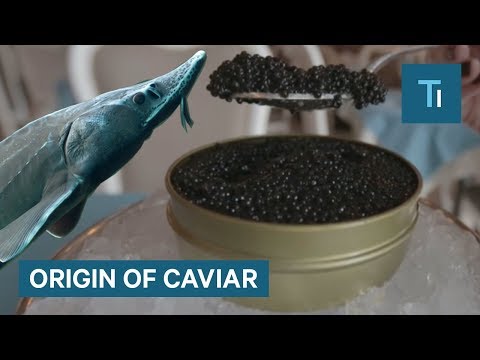
toku posted on 2025/12/28Ever wondered why caviar costs a fortune? This video dives into the fascinating world of luxury food, exploring everything from sturgeon conservation and caviar history to the innovative no-kill farming methods used today. You'll pick up advanced vocabulary related to luxury goods and cultural depth, making it a delicious learning experience!
Learn this video on the APP!
The VoiceTube App has more in-depth practice for videos!