pollution
US /pəˈluʃən/
・UK /pəˈlu:ʃn/
B1TOEIC
n. (u.)Uncountable NounDangerous substances released into an environment
The government is trying to cut down on industrial pollution
n. (u.)Uncountable NounThe action of polluting; the state of being polluted.
The pollution of the river was caused by the factory's waste.
n. (u.)Uncountable NounThe state of being defiled or impure, especially in a religious context.
In some religions, contact with the dead is considered a form of pollution.
Video subtitles
Mirror Mirror - Trailer

- The fable is about a story that does not hide the message of environment or pollution.
The fable is about a story that does not hide the message of environment or pollution.
- The fable is about a story that does not hide the message of environment or pollution.
The fable is about a story that does not hide the message of environment or pollution.
How South Koreans got so much taller
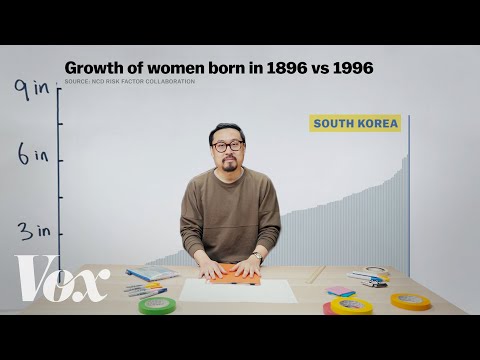
- And if they grew up in an industrial area, exposed to pollution and disease, they were nearly an inch shorter.
And if they grew up in an industrial area, exposed to pollution and disease, they were nearly an inch shorter.
- exposed to pollution and disease
exposed to pollution and disease
Is Having No Friends REALLY That Bad?

- because they experience pollution and violence, are unable to afford healthy foods and college, and have less of an opportunity for exercise.
because they experience pollution and violence, are unable to afford healthy foods and college, and have less of an opportunity for exercise.
- and lack access to quality higher education or healthcare services have poorer health because they experience pollution and violence, are unable to afford healthy foods and college,
and lack access to quality higher education or healthcare services have poorer health because they experience pollution and violence, are unable to afford healthy foods and college,
Brazil floods: BBC News Review
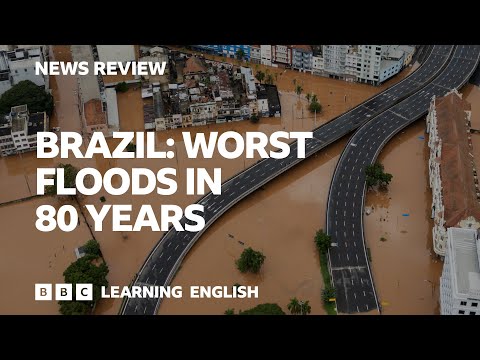
- We could say 'pollution causes climate change' and
We could say 'pollution causes climate change' and
- we definitely wouldn't say 'pollution
we definitely wouldn't say 'pollution
Why More Young People Are Getting Cancer | Business Insider Explains | Insider News

- So obviously there are microplastics, toxins, pollution.
So obviously there are microplastics, toxins, pollution.
Could earthworms help transform the future of organic farming? - BBC World Service, CrowdScience

- Artificial fertilisers are great for boosting plant growth quickly, but they can also cause nitrogen pollution when they leach into water systems, disrupting natural ecosystems.
Artificial fertilisers are great for boosting plant growth quickly, but they can also cause nitrogen pollution when they leach into water systems, disrupting natural ecosystems.
- nitrogen pollution when they leach into water systems, disrupting natural ecosystems and
nitrogen pollution when they leach into water systems, disrupting natural ecosystems and
Elon Musk tweets that his Twitter deal is on hold
- He's on the site, he sees the problem, he sees the pollution when he uses the site.
He's on the site, he sees the problem, he sees the pollution when he uses the site.
- He sees the pollution when he uses the site.
He sees the pollution when he uses the site.
Paris mayor swims in Seine to prove water clean enough for Olympics | BBC News

- But heavy rainfall has resulted in higher levels of pollution in the water.
But heavy rainfall has resulted in higher levels of pollution in the water.
- but heavy rainfall has resulted in higher levels of pollution in the water.
but heavy rainfall has resulted in higher levels of pollution in the water.
Why China is winning the EV war
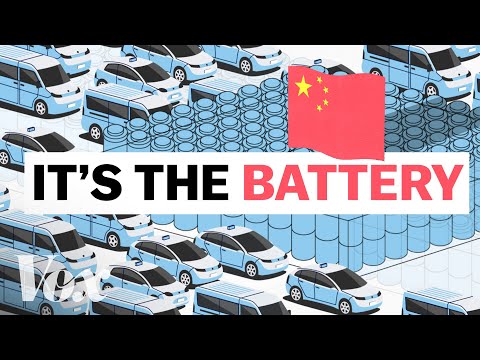
- Not to mention a growing air pollution problem in China's cities, in part due to car emissions.
Not to mention a growing air pollution problem in China's cities, in part due to car emissions.
- Not to mention a growing air pollution problem in China's cities, in part due to car emissions.
Not to mention a growing air pollution problem in China's cities, in part due to car emissions.
How American Cars Got So Bad
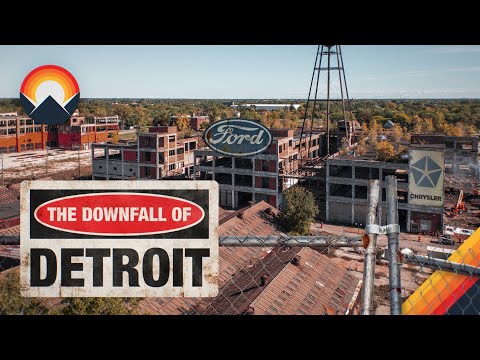
- In the mid-century, the auto industry was relatively unregulated and vehicles were big, loud, and dirty, but legislation in the early 60s started to target air pollution and automobile safety through efforts like emission standards, which required automakers to cut hydrocarbon and oxides of nitrogen emissions by more than 50% by 1975, and essentially made the popular muscle cars of the 50s and 60s extinct.
In the mid-century, the auto industry was relatively unregulated and vehicles were big, loud, and dirty, but legislation in the early 60s started to target air pollution and automobile safety through efforts like emission standards, which required automakers to cut hydrocarbon and oxides of nitrogen emissions by more than 50% by 1975, and essentially made the popular muscle cars of the 50s and 60s extinct.
- But legislation in the early '60s started to target air pollution and automobile safety through efforts like emission standards, which required automakers to cut hydrocarbon and oxides of nitrogen emissions by more than 50% by 1975 and essentially made the popular muscle cars of the '50s and '60s extinct.
But legislation in the early '60s started to target air pollution and automobile safety through efforts like emission standards, which required automakers to cut hydrocarbon and oxides of nitrogen emissions by more than 50% by 1975 and essentially made the popular muscle cars of the '50s and '60s extinct.