
act out
US /ækt aʊt/
UK /ækt aut/
- Phrasal Verb
- To perform a role before going on stage; practice
- To perform or represent something through actions.
A1Moreaggressive
US /əˈɡrɛsɪv/
UK /əˈgresɪv/
- Adjective
- Using energy and determination to achieve a goal
- Behaving in a hostile and threatening way
B1Moreanswer to
US
UK
- Phrasal Verb
- To be responsible to someone and have to explain your actions to them.
- To correspond to or match a description or requirement.
A1Morearousal
US /ə'raʊzl/
UK /ə'raʊzl/
- Noun
- Being woken up from sleep; sexual excitement
B2Moreat work
US /æt wɚk/
UK /æt wə:k/
- Phrase
- Located at one's place of employment
A1Moreattribution
US /ˌætrəˈbjuʃən/
UK /ˌætrɪ'bju:ʃn/
- Noun
- Something that a specific person thinks was the cause
B1Moreback up
US /bæk ʌp/
UK /bæk ʌp/
- Phrasal Verb
- To save a copy of your computer data
- To confirm the truth of what someone says
A1Morebias
US /ˈbaɪəs/
UK /'baɪəs/
- Noun (Countable/Uncountable)
- Preference to believe things even if incorrect
- A systematic error in a statistical result
- Transitive Verb
- To unfairly favor one view over another
- To cause someone to have prejudice
B1TOEICMorebuild up
US /bɪld ʌp/
UK /bild ʌp/
- Phrasal Verb
- To increase the amount; collect something
- To develop or increase something in stages
- Verb (Transitive/Intransitive)
- To increase or develop something gradually.
- To praise or encourage someone.
A1Morecausal
US /ˈkɔzəl/
UK /ˈkɔ:zl/
- Adjective
- Showing the direct reason for something
B1Morecognitive
US /ˈkɑɡnɪtɪv/
UK /ˈkɒgnətɪv/
- Adjective
- The process of knowing and remembering
- Relating to the ability to think and reason.
C1Moreconflict
US /ˈkɑnˌflɪkt/
UK /'kɒnflɪkt/
- Noun (Countable/Uncountable)
- Argument or struggle between two or more parties
- A serious disagreement or argument.
- Verb (Transitive/Intransitive)
- To have opposite ideas; to disagree; To not match
A2Morecut off
US /kʌt ɔf/
UK /kʌt ɔf/
- Phrasal Verb
- To end a process, e.g. a phone call
- To cut the end of something
- Transitive Verb
- To isolate or prevent access to a place or person.
- To interrupt someone while they are speaking.
A1Moredeal with
US /dil wɪð/
UK /di:l wið/
- Verb (Transitive/Intransitive)
- To buy or sell goods or services.
- Phrasal Verb
- To take action to solve a problem or manage a situation.
- To be about; concern.
A1Moredecrease
US /dɪˈkris/
UK /dɪˈkri:s/
- Verb (Transitive/Intransitive)
- To reduce the size, amount or number of something
- Uncountable Noun
- Amount by which something has been reduced
B1TOEICMoreemotional
US /ɪˈmoʃənəl/
UK /ɪˈməʊʃənl/
- Adjective
- Causing, feeling, or appealing to the emotions
- Relating to or characterized by emotion
A2Moreengage in
US /ɪn'gedʒ ɪn/
UK /ɪnˈɡeɪdʒ in/
- Phrasal Verb
- To participate or become involved in something.
B1Moreexternal
US /ɪkˈstɚnəl/
UK /eksˈtə:nl/
- Adjective
- Concerning foreign countries
- Concerning the outside of something; outer
A2Morefor a minute
US
UK
- Phrase
- For a short period of time; briefly.
- Used to indicate a sudden realization or thought.
A1Morefor someone
US /fɚ ˈsʌmwʌn/
UK /fə ˈsʌmwʌn/
- other
- On behalf of or intended for a particular person.
A1Moreforcefully
US /ˈfɔrsfəlɪ/
UK /'fɔ:sfəlɪ/
- Adverb
- Strongly; in a way intended to be effective
B1Morefound out
US
UK
- Phrasal Verb
- To learn or discover something, often after some effort.
- To become known; be revealed.
B2Moreget out of
US /ɡɛt aʊt ʌv/
UK /ɡet aut ɔv/
- Phrasal Verb
- To leave or escape responsibilities, troubles
- To leave a small, enclosed vehicle
A1Morehave to
US /hæv tu/
UK /ˈhæv tə/
- Auxiliary Verb
- Must do
A1Morehold on
US /hold ɑn/
UK /həuld ɔn/
- Phrasal Verb
- To wait for someone (e.g. on a phone call)
- To wait for a short time.
A1Morehydraulic
US /haɪˋdrɔlɪk/
UK /haɪˋdrɔlɪk/
- Adjective
- Of a system operated by water or other liquids
B2Moreimpact
US /ˈɪmˌpækt/
UK /'ɪmpækt/
- Noun
- A striking effect or result to hit with force
- Act or force of one thing hitting something else
- Verb (Transitive/Intransitive)
- To hit or strike someone or something with force
- To have a strong effect on someone or something.
A2TOEICMorein a vacuum
US /ɪn e ˈvækjuəm/
UK /in ə ˈvækjuəm/
- Phrase
- Existing or considered without relation to other things; isolated from outside influences.
- Without any context or background information.
A1Morein charge
US /ɪn tʃɑrdʒ/
UK /in tʃɑ:dʒ/
- Adverb
- To be responsible for
A1Morein control
US /ɪn kənˈtrol/
UK /in kənˈtrəul/
- Adjective
- Having the power to direct or regulate something; able to manage or direct a situation or person.
- Possessing self-restraint and the ability to manage one's own behavior and emotions.
- Phrase
- Having command or authority; managing effectively.
C1Morein the first place
US
UK
- Phrase
- To begin with; as the first point or consideration.
- From the beginning; initially.
A1Moreincompetent
US /ɪnˈkɑ:mpɪtənt/
UK /ɪnˈkɒmpɪtənt/
- Adjective
- Not having the skill or ability to do a thing well
- Noun
- Person who is completely unable to do something
B2Moreinternal
US /ɪnˈtɚnəl/
UK /inˈtə:nəl/
- Adjective
- Being or happening in the body
- Being, happening in a country, state, organization
B1TOEICMoreinterpretation
US /ɪnˌtɜː(r)prɪˈteɪʃ(ə)n/
UK
- Noun (Countable/Uncountable)
- Explanation of the meaning of something
- Act of translating between languages
A2Moreinvolve
US /ɪnˈvɑlv/
UK /ɪn'vɒlv/
- Transitive Verb
- To have or be included as a part of something
- To cause (a person or group) to take part in an event or activity.
A2TOEICMoreknow about
US /noʊ əˈbaʊt/
UK /nəʊ əˈbaut/
- Phrasal Verb
- To have information or understanding of a subject or situation.
lawyer
US /ˈlɔjɚ/
UK /ˈlɔ:jə(r)/
- Noun (Countable/Uncountable)
- Professional who helps people with the law
- A person who advises on legal matters and can act on their behalf.
B1TOEICMorelook at
US /lʊk æt/
UK /luk æt/
- Phrasal Verb
- To use your eyes to focus on something
- To focus your eyes on something carefully
A1Morelook into
US /lʊk ˈɪntu/
UK /luk ˈɪntuː/
- Phrasal Verb
- To investigate or try to discover the reasons for
A1Moremeditation
US /ˌmɛdɪˈteʃən/
UK /ˌmedɪ'teɪʃn/
- Noun (Countable/Uncountable)
- Act of deep and quiet thinking
- The practice of focusing one's mind for a period of time.
B2Moremotivate
US /ˈmotəˌvet/
UK /'məʊtɪveɪt/
- Transitive Verb
- To give someone a reason, the will to do something
A2TOEICMorenegative
US /ˈnɛɡətɪv/
UK /'neɡətɪv/
- Noun
- The opposite to a positive electrical charge
- In grammar, containing words such as 'no' or 'not'
- Adjective
- Being harmful, unwanted or unhelpful
- In mathematics, being less than zero
A2Moreno matter
US
UK
- Conjunction
- Regardless of; it does not matter.
- Adverb
- Regardless of; it is not important
A1Moreoffender
US /əˈfɛndɚ/
UK /ə'fendə(r)/
- Noun
- Person who breaks a law or other rule
B1TOEICMoreon the internet
US
UK
- Phrase
- Located or available on the internet.
- Using the internet as a medium or platform.
A1Moreon the table
US /ɑn ði ˈtebəl/
UK /ɔn ðə ˈteibl/
- Phrase
- Located on the surface of a table.
- Available for consideration or discussion.
A1Moreon to
US /ɑn tu/
UK /ɔn tu:/
- Preposition
- Toward something; forward
- Aware of someone's activities.
- Adjective
- Aware of someone's deception or illegal activities.
A1Morephd
US
UK
- Noun
- Advanced university degree; Doctor of Philosophy
C2Morephysiological
US /ˌfɪziəˈlɑdʒɪkəl/
UK /ˌfɪzɪə'lɒdʒɪkl/
- Adjective
- Of or relating to functions of the body
- Consistent with the normal functioning of an organism.
B1Morepolitic
US /ˈpɑlɪtɪk/
UK /ˈpɒlətɪk/
- Adjective
- Careful what you say; diplomatic
B2Moreprocess
US /ˈprɑsˌɛs, ˈproˌsɛs/
UK /prə'ses/
- Transitive Verb
- To organize and use data in a computer
- To deal with official forms in the way required
- Noun (Countable/Uncountable)
- Dealing with official forms in the way required
- Set of changes that occur slowly and naturally
A2TOEICMoreprovoke
US /prəˈvoʊk/
UK /prəˈvəʊk/
- Transitive Verb
- To deliberately annoy to make someone aggressive
B2TOEICMorerather than
US
UK
- Adverb
- More exactly; more correctly
- Preferably; instead
- Preposition
- Instead of
A1Morereduce
US /rɪˈdus, -ˈdjus/
UK /rɪ'dju:s/
- Verb (Transitive/Intransitive)
- To try to decrease, e.g. your weight if overweight
- To boil a liquid until it has decreased in amount
A2TOEICMoreregulate
US /ˈrɛɡjəˌlet/
UK /ˈregjuleɪt/
- Transitive Verb
- To control something with rules or laws
- To set/adjust (a clock, etc.); restrict motion in
A2TOEICMorereinforce
US /ˌri:ɪnˈfɔ:rs/
UK /ˌri:ɪnˈfɔ:s/
- Transitive Verb
- To send more troops/resources to support an army
- To encourage or strengthen an idea or feeling
B2TOEICMorerelease
US /rɪ'li:s/
UK /rɪ'li:s/
- Transitive Verb
- To free someone from a responsibility or burden
- To allow a film, music etc. to be sold/distributed
- Noun
- Act of freeing someone from a duty or burden
- Introduction of a new product, film, book, etc.
A2TOEICMoreresearch
US /rɪˈsɚtʃ, ˈriˌsɚtʃ/
UK /rɪ'sɜ:tʃ/
- Verb (Transitive/Intransitive)
- To study in order to discover new ideas and facts
- To study the market relating to marketing products and services.
- Noun (Countable/Uncountable)
- Study done to discover new ideas and facts
- A particular area or topic of study.
A2TOEICMoreresolution
US /ˌrɛzəˈluʃən/
UK /ˌrezə'lu:ʃn/
- Noun (Countable/Uncountable)
- End part of a story resolving the conflict
- Ability of a screen or camera to display pixels
C2Moreresponse
US /rɪˈspɑns/
UK /riˈspɔns/
- Noun
- Something said/written as an answer to something
- Reaction to something that has occurred
A2TOEICMoreresponsible
US / rɪˈspɑnsəbəl/
UK /rɪ'spɒnsəbl/
- Adjective
- Being the cause of something that has occurred
- Having the duty of dealing with something
A2TOEICMoreshow of hands
US
UK
- Noun
- A way of voting in which people raise their hands to show that they support something.
A1Moresituational
US
UK
- Adjective
- In a particular place or location
B1Moresnowstorm
US /ˈsnoʊstɔ:rm/
UK /ˈsnəʊstɔ:m/
- Noun
- Storm with widespread snowfall and strong winds
C2Morestride
US /straɪd/
UK /straɪd/
- Intransitive Verb
- To make progress on something such as a project
- To walk with long confident steps
- Noun
- Length of a long confident step when walking
B1TOEICMorestroller
US /ˈstrolɚ/
UK /ˈstrəʊlə(r)/
- Countable Noun
- Upright baby carriage in which the child sits up
- Someone who walks at a leisurely pace
B2Morethe whole story
US
UK
- Phrase
- The complete and unabridged account of something.
- The complete truth about a situation, including all the details.
A2Morethink about
US /θɪŋk əˈbaʊt/
UK /θiŋk əˈbaut/
- Phrasal Verb
- To consider something carefully.
- To remember or call to mind.
A1Moretoxic
US /ˈtɑksɪk/
UK /ˈtɒksɪk/
- Adjective
- Poisonous; harmful
- (Of relationships) harmful; causing conflict
B2Moreunload
US /ʌnˈlod/
UK /ˌʌn'ləʊd/
- Transitive Verb
- To express strong or troubling feelings
- To take out items for use (e.g. bullets from guns)
B1Morevacuum
US /ˈvækjuəm, -jum, -jəm/
UK /'vækjʊəm/
- Noun (Countable/Uncountable)
- Space with absolutely no air in it
- Cleaning machine with engine that sucks up dirt
- Transitive Verb
- To clean (a floor) using a sucking machine
- To seal something in a vacuum.
B1Morevent
US /vɛnt/
UK /vent/
- Verb (Transitive/Intransitive)
- To express anger or grievance loudly/with feeling
- Noun (Countable/Uncountable)
- Opening allowing exit/entry of gas, steam etc.
- Expression of feelings often of anger
B2Moreverbal
US /ˈvɚbəl/
UK /ˈvə:bəl/
- Adjective
- Concerning verbs
- Using speech, rather than being written
- Noun
- Word that is made from a verb
B1Moreverbally
US /ˈvɜ:rbəli/
UK /ˈvɜ:bəli/
- Adverb
- Through speech; using words
B2Morework out
US /wɚk aʊt/
UK /wə:k aut/
- Phrasal Verb
- To find a way to do something, by thinking
A1Morewrap up
US /ræp ʌp/
UK /ræp ʌp/
- Phrasal Verb
- To complete something, such as a film or project
- To finish; bring something to a conclusion
- Transitive Verb
- To enclose (something) in paper or soft material.
B1Moreyoga
US /ˈjoʊgə/
UK /ˈjəʊgə/
- Noun (Countable/Uncountable)
- Exercise system to gain suppleness and tranquility
B2More
Vocabulary
- think about: To consider something carefully.
- answer to: To be responsible to someone and have to explain your actions to them.
- for someone: On behalf of or intended for a particular person.
- have to: Must do
- build up: To increase the amount; collect something
- know about: To have information or understanding of a subject or situation.
- rather than: More exactly; more correctly
- look into: To investigate or try to discover the reasons for
- found out: To learn or discover something, often after some effort.
- on the internet: Located or available on the internet.
- on to: Toward something; forward
- hold on: To wait for someone (e.g. on a phone call)
- for a minute: For a short period of time; briefly.
- back up: To save a copy of your computer data
- at work: Located at one's place of employment
- cut off: To end a process, e.g. a phone call
- in control: Having the power to direct or regulate something; able to manage or direct a situation or person.
- show of hands: A way of voting in which people raise their hands to show that they support something.
- deal with
- act out: To perform a role before going on stage; practice
- in the first place: To begin with; as the first point or consideration.
- in a vacuum: Existing or considered without relation to other things; isolated from outside influences.
- look at: To use your eyes to focus on something
- no matter: Regardless of; it does not matter.
- the whole story: The complete and unabridged account of something.
- work out
- engage in: To participate or become involved in something.
- in charge: To be responsible for
- wrap up: To complete something, such as a film or project
- on the table: Located on the surface of a table.
- get out of: To leave or escape responsibilities, troubles
- cognitive: The process of knowing and remembering
- meditation: Act of deep and quiet thinking
- process: To organize and use data in a computer
- realize: To become aware of or understand mentally
- impact: A striking effect or result to hit with force
- negative: The opposite to a positive electrical charge
- conflict: Argument or struggle between two or more parties
- aggressive: Using energy and determination to achieve a goal
- bias: Preference to believe things even if incorrect
- reinforce: To send more troops/resources to support an army
- express: To send something by fast mail
- emotional: Causing, feeling, or appealing to the emotions
- research: To study in order to discover new ideas and facts
- toxic: Poisonous; harmful
- bit: Device put in a horse's mouth to control it
- arousal: Being woken up from sleep; sexual excitement
- response: Something said/written as an answer to something
- behavior: The way a person or thing acts; manner
- external: Concerning foreign countries
- resolution: End part of a story resolving the conflict
- release: To free someone from a responsibility or burden
- interpretation: Explanation of the meaning of something
- regulate: To control something with rules or laws
- involve: To have or be included as a part of something
- responsible: Being the cause of something that has occurred
- motivate: To give someone a reason, the will to do something
- incompetent: Not having the skill or ability to do a thing well
- lead: Wire for electricity, computer, etc.; cable
- vacuum: Space with absolutely no air in it
- reduce: To try to decrease, e.g. your weight if overweight
- internal: Being or happening in the body
- social: Involving activity with people, e.g. in free time
- verbal: Concerning verbs
- moment: Very short or brief period of time
- important: Having power or authority
- physiological: Of or relating to functions of the body
- kind: In a caring and helpful manner
- decrease: To reduce the size, amount or number of something
- manage: To survive hardships and difficulties; to cope
- control: A device designed to operate a machine
- build: Your physical shape; physique
- act: To behave in a certain way
- event: Any social gathering; occasion; planned activity
- provoke: To deliberately annoy to make someone aggressive
- question: To ask for or try to get information
- vent: To express anger or grievance loudly/with feeling
- verbally: Through speech; using words
- stride: To make progress on something such as a project
- offender: Person who breaks a law or other rule
- politic: Careful what you say; diplomatic
- hydraulic: Of a system operated by water or other liquids
- stroller: Upright baby carriage in which the child sits up
- lawyer: Professional who helps people with the law
- yoga: Exercise system to gain suppleness and tranquility
- unload: To express strong or troubling feelings
- causal: Showing the direct reason for something
- forcefully: Strongly; in a way intended to be effective
- phd: Advanced university degree; Doctor of Philosophy
- attribution: Something that a specific person thinks was the cause
- situational: In a particular place or location
- snowstorm: Storm with widespread snowfall and strong winds
Get the full experience in the app
Learn anywhere with detailed sentence and usage analysis
01:03
She took a brave step forward, leaving behind her comfort zone to chase her dreams.
Vocabulary
- brave
adj. Having courage
- comfort zone
phr. A familiar situation where one feels safe
Explanation
a brave step is a noun phrase, where brave is an adjective modifying the noun step, meaning "a courageous step".
forward is an adverb modifying step, meaning "ahead".
The whole phrase serves as the object, answering the "what" of took (verb) — she took a brave step forward.
Get the full experience in the app
Look up words anytime with pronunciation, part of speech, and usage
brave
US/brev/
UK/breɪv/
adj.Brave
v.t.To bravely face
A2 Elementary
Get the full experience in the app
Practice speaking anytime and get instant pronunciation feedback
Try this speaking exercise.
Try practicing with this sentence.
80
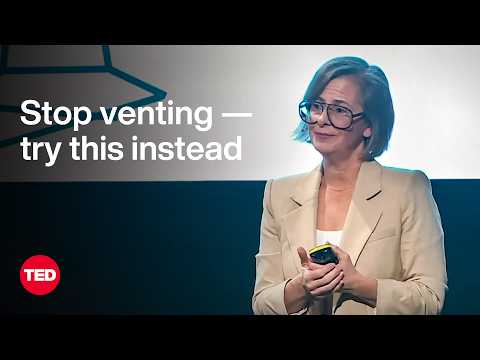
Why Venting Doesn’t Help You Deal with Anger | Jennifer Parlamis | TED
0
Youssef Gen posted on 2025/11/26Ever wonder why venting your anger doesn't actually make you feel better? This fascinating TED talk dives into the psychology behind anger, explaining why common coping mechanisms like venting can actually make things worse. You'll learn about 'causal attributions' and the 'fundamental attribution error' to better understand your own emotions and reactions!
Learn this video on the APP!
The VoiceTube App has more in-depth practice for videos!