
activate
US /ˈæktəˌvet/
UK /ˈæktɪveɪt/
- Transitive Verb
- To cause to happen; cause a chemical reaction
- To make something start working
B1Moreadmit
US /ædˈmɪt/
UK /əd'mɪt/
- Transitive Verb
- To acknowledge that something is true or right
- To allow someone to enter
A2TOEICMorealso known as
US
UK
- Phrase
- Also called; alternatively named.
- Identified by another term; synonymous with.
A1Moreanxiety
US /æŋˈzaɪɪti/
UK /æŋ'zaɪətɪ/
- Uncountable Noun
- A feeling of worry, nervousness, or unease about something that might happen, especially when the outcome is uncertain.
B1Moreas well as
US /æz wɛl æz/
UK /æz wel æz/
- Adverb
- Also; in addition to
- Preposition
- In addition to; and also.
A1Moreask for help
US
UK
- Verb (Transitive/Intransitive)
- To request assistance or support.
aspect
US /ˈæspɛkt/
UK /'æspekt/
- Noun (Countable/Uncountable)
- Way something looks or seems to be
- An element, feature, or quality of something
A2TOEICMoreat a time
US /æt e taɪm/
UK /æt ə taim/
- Phrase
- Separately; one by one
- Simultaneously; together
A1Moreat home
US /æt hom/
UK /æt həum/
- Phrase
- In one's own residence or country.
- Adjective
- Feeling comfortable and relaxed.
at some point
US /æt sʌm pɔɪnt/
UK /æt sʌm pɔint/
- Phrase
- At an unspecified time, usually in the future.
A1Morebased on
US
UK
- Phrasal Verb
- To use something as the foundation or starting point for something else.
- Preposition
- Using something as the main idea or foundation.
- Relying on something as evidence or justification.
A1Moreblow up
US /blo ʌp/
UK /bləu ʌp/
- Phrasal Verb
- To suddenly become angry
- To put air in something, e.g. a tire or balloon
- Verb (Transitive/Intransitive)
- To explode; to be destroyed by an explosion.
A2Morecapable
US /ˈkepəbəl/
UK /'keɪpəbl/
- Adjective
- Being able to do something very well; proficient
- Having the ability, fitness, or quality necessary to do or achieve a specified thing.
A2Morecheck out
US /tʃɛk aʊt/
UK /tʃek aut/
- Phrase
- Phrasal Verb
- To find out information about something
- To take books out of a library
A1Moreconfidence
US /ˈkɑnfɪdəns/
UK /'kɒnfɪdəns/
- Uncountable Noun
- Feeling that you can do well at something
- Feeling you can trust someone
A2Morediscomfort
US /dɪsˈkʌmfərt/
UK /dɪsˈkʌmfət/
- Transitive Verb
- To cause to feel uncomfortable or not at ease
- Uncountable Noun
- Feelings of being uncomfortable or uneasy
B2Moredispel
US /dɪˈspɛl/
UK /dɪ'spel/
- Transitive Verb
- To make fear, an idea etc. go away
- To remove fears, doubts, and false ideas, usually by proving them wrong or unnecessary.
B2Moreendurance
US /ɛnˈdʊrəns, -ˈdjʊr-/
UK /ɪn'djʊərəns/
- Uncountable Noun
- Quality of lasting or of being permanent
- Ability to continue through difficulty
B2Moreexercise
US /ˈɛksɚˌsaɪz/
UK /'eksəsaɪz/
- Verb (Transitive/Intransitive)
- To work out to become stronger and healthier
- To retain your ability or practice your skills
- Noun (Countable/Uncountable)
- Physical activity to increase health and strength
- Set of questions in a text book
A2Moreexhale
US /ɛksˈhel,ɛkˈhel/
UK /eksˈheɪl/
- Intransitive Verb
- To breathe out the air or smoke in your lungs
C1Morefeel like
US
UK
- Intransitive Verb
- To have a desire or inclination for something.
- To have a particular quality or sensation; resemble.
A1Morefirst off
US /fɚst ɔf/
UK /fə:st ɔf/
- Phrase
- To begin with; firstly.
- Most importantly; above all else.
A1Morefit in
US /fɪt ɪn/
UK /fit in/
- Phrasal Verb
- To mix with others so you get on well with them
A2Morefollow through
US /ˈfɑlo θru/
UK /ˈfɔləu θru:/
- Phrasal Verb
- To fulfill a promise
- Intransitive Verb
- To continue the motion of a stroke after hitting the ball, especially in golf or tennis.
A1Morefor example
US
UK
- Phrase
- As an illustration or instance.
get lost
US /ɡɛt lɔst/
UK /ɡet lɔ:st/
- Intransitive Verb
- An impolite way of telling someone to go away.
- To become unable to find your way; to lose your sense of direction.
- Interjection
- An impolite way of telling someone to go away.
A1Morego on
US /ɡo ɑn/
UK /ɡəu ɔn/
- Phrasal Verb
- To continue doing something
- To happen (usually negative)
- Interjection
- Used to encourage someone
A1Morehave to
US /hæv tu/
UK /ˈhæv tə/
- Auxiliary Verb
- Must do
A1Morehit on
US /hɪt ɑn/
UK /hit ɔn/
- Phrasal Verb
- To discover an idea, etc. by chance
- To flirt with someone; to make a pass at someone.
A1Morehold over
US /hold ˈovɚ/
UK /həuld ˈəuvə/
- Phrasal Verb
- To postpone; delay.
- To retain in a position beyond the usual term.
impact
US /ˈɪmˌpækt/
UK /'ɪmpækt/
- Noun
- A striking effect or result to hit with force
- Act or force of one thing hitting something else
- Verb (Transitive/Intransitive)
- To hit or strike someone or something with force
- To have a strong effect on someone or something.
A2TOEICMorein fact
US /ɪn fækt/
UK /in fækt/
- Adverb
- Used to emphasize the truth of a statement, especially one that contrasts with or contradicts something else.
- Used to introduce a more detailed or surprising piece of information.
- Phrase
- Used to emphasize the truth of a statement, especially one that is surprising or contrary to what might be expected.
C1Morein school
US /ɪn skul/
UK /ɪn sku:l/
- other
- Attending an educational institution.
A1Morein the middle of
US
UK
- Phrase
- In the central part or point of something.
- Engaged or occupied with something.
A2Moreinhale
US /ɪnˈhel/
UK /ɪnˈheɪl/
- Verb (Transitive/Intransitive)
- To breathe in something like air or smoke
- To eat or drink something extremely fast
B2Moreinstead of
US /ɪnˈstɛd ʌv/
UK /inˈsted ɔv/
- Preposition
- When one thing is replaced by another
- Adverb
- As a substitute or alternative.
A1Moreintentional
US /ɪnˈtɛnʃənəl/
UK /ɪnˈtenʃənl/
- Adjective
- Done with a deliberate plan to do or achieve
B1Moreintentionally
US /ɪnˈtɛnʃənl:ɪ/
UK /ɪn'tenʃənəlɪ/
- Adverb
- With a plan to do or achieve something
- In a deliberate and purposeful manner.
B1Moreinto perspective
US
UK
- Phrase
- To clarify or provide a broader understanding of a situation or issue.
- To show something is not as important as it seemed, compared to something else.
C1Morelack
US /læk/
UK /læk/
- Verb (Transitive/Intransitive)
- To not have, or not have enough, of something
- Uncountable Noun
- The state of not having or not having enough of
A2TOEICMorelook at
US /lʊk æt/
UK /luk æt/
- Phrasal Verb
- To use your eyes to focus on something
- To focus your eyes on something carefully
A1Moremake time for
US
UK
- Verb (Transitive/Intransitive)
- To schedule time for a specific activity or person.
A1Moremental
US /ˈmɛntl/
UK /ˈmentl/
- Adjective
- Concerning the mind
A2TOEICMoremiss out
US /mɪs aʊt/
UK /mis aut/
- Phrasal Verb
- To exclude; not include in something
- To fail to take advantage of something; to lose an opportunity.
A1Morenegative
US /ˈnɛɡətɪv/
UK /'neɡətɪv/
- Noun
- The opposite to a positive electrical charge
- In grammar, containing words such as 'no' or 'not'
- Adjective
- Being harmful, unwanted or unhelpful
- In mathematics, being less than zero
A2Moreno matter
US
UK
- Conjunction
- Regardless of; it does not matter.
- Adverb
- Regardless of; it is not important
A1Moreoff of
US /ɔf ʌv/
UK /ɔf ɔv/
- Preposition
- From a position on something; down from.
A1Moreon the way
US /ɑn ði we/
UK /ɔn ðə wei/
- Phrase
- During the journey to a particular place.
A1Moreopen up to
US
UK
- Phrasal Verb
- To start talking more freely about your feelings and private thoughts.
- To become available or possible.
A1Moreorientation events
US
UK
- Noun
- Planned activities to introduce new members to an organization or environment.
- Structured sessions designed to familiarize individuals with specific procedures or protocols.
C2Moreout there
US /aʊt ðɛr/
UK /aut ðɛə/
- Adverb
- In or to a place that is far away
- Existing in the universe
- Adjective
- Unconventional; strange; avant-garde
- Existing or available.
A1Moreoutside of
US /aʊtˈsaɪd ʌv/
UK /ˌautˈsaid ɔv/
- Preposition
- Located or situated beyond the boundaries or confines of something.
- Beyond the scope, range, or limits of something.
A1Moreovercome
US /ˌovɚˈkʌm/
UK /ˌəʊvə'kʌm/
- Transitive Verb
- To succeed in a struggle against; defeat
- Participle
- Past participle of overcome; to have successfully dealt with or controlled a problem or feeling.
A2TOEICMoreoxygen
US /ˈɑksɪdʒən/
UK /'ɒksɪdʒən/
- Uncountable Noun
- A gas in the air that we need to breathe
- Oxygen administered as a medical treatment.
B1Moreperspective
US /pɚˈspɛktɪv/
UK /pə'spektɪv/
- Noun (Countable/Uncountable)
- Artistic method of creating a sense of distance
- Ability to understand what is important in life
B1TOEICMorepick me up
US
UK
- Phrasal Verb
- To collect someone or something from a place.
- To improve someone's mood or energy.
A2Morepractice
US /ˈpræktɪs/
UK /'præktɪs/
- Noun
- The office and place for legal or medical work
- Doing something many times to become better at it
- Verb (Transitive/Intransitive)
- To work as a doctor or lawyer
- To live according to the teachings of a religion
A2TOEICMoreprevent
US /prɪˈvɛnt/
UK /prɪ'vent/
- Transitive Verb
- To stop something from happening or existing
A2TOEICMoreprocess
US /ˈprɑsˌɛs, ˈproˌsɛs/
UK /prə'ses/
- Transitive Verb
- To organize and use data in a computer
- To deal with official forms in the way required
- Noun (Countable/Uncountable)
- Dealing with official forms in the way required
- Set of changes that occur slowly and naturally
A2TOEICMorerather than
US
UK
- Adverb
- More exactly; more correctly
- Preferably; instead
- Preposition
- Instead of
A1Moreresilience
US /rɪˈzɪljəns/
UK /rɪˈzɪliəns/
- Uncountable Noun
- Ability to recover quickly from something bad
- The capacity to withstand or recover quickly from difficulties; toughness.
B2TOEICMoreresilient
US /rɪˈzɪljənt/
UK /rɪ'zɪlɪənt/
- Adjective
- Recovering quickly from something bad
- Able to withstand or recover quickly from difficult conditions.
B2Morerestore
US /rɪˈstɔr, -ˈstor/
UK /rɪˈstɔ:(r)/
- Transitive Verb
- To return a thing to its original condition
B1Moreresult in
US /rɪˈzʌlt ɪn/
UK /riˈzʌlt in/
- Phrasal Verb
- To cause or produce as a consequence.
roll off
US /rol ɔf/
UK /rəul ɔf/
- Phrasal Verb
- To fall off something by rolling.
- To complete or proceed easily and without problems.
B1Morestep to
US
UK
- Phrasal Verb
- To approach someone or something, often with a specific purpose.
- To challenge or confront someone, often aggressively.
A1Morestigma
US /ˈstɪɡmə/
UK /'stɪɡmə/
- Noun
- Mark of shame or disgrace
B2TOEICMorestress
US / strɛs/
UK /stres/
- Transitive Verb
- To emphasize one or more parts of a word, sentence
- To put pressure on something or someone
- Noun (Countable/Uncountable)
- Emphasis on part of a word or sentence
- Pressure on something or someone
A2TOEICMoretalking about
US
UK
- Phrasal Verb
- To discuss a particular topic.
- To be constantly mentioning or bringing up a subject.
A1Morethrough with
US
UK
- Phrase
- Having had enough (of trouble); wanting to stop
A1Moreto let
US /tu lɛt/
UK /tu let/
- Preposition
- Indicates that a property is available for rent.
A2Moretough
US /tʌf/
UK /tʌf/
- Adjective
- (Of food) difficult to chew or bite through
- Very difficult to do or deal with
- Noun
- A rough and aggressive person.
A2Moreturn to
US /tɚn tu/
UK /tə:n tu:/
- Phrasal Verb
- To go to someone for help, advice, or information.
- To start doing or using something, often something bad or undesirable.
A1Moreuncomfortable
US /ʌnˈkʌmfətəbəl, -ˈkʌmftə-/
UK /ʌnˈkʌmftəbl/
- Adjective
- Not being relaxed; worried about something
- Causing or feeling slight pain or physical unease.
B1Moreupcoming
US /ˈʌpˌkʌmɪŋ/
UK /ˈʌpkʌmɪŋ/
- Adjective
- Occurring soon; approaching
C1TOEICMorewhole point
US
UK
- Phrase
- The main purpose or most important aspect of something.
- The primary reason or objective.
A2Morewhoosh
US /hwuʃ, wuʃ, hwʊʃ, wʊʃ/
UK /wʊʃ/
- Interjection
- Sound made when something moves quickly past you
- Intransitive Verb
- Gush or squirt out
B2Morewrite down
US /raɪt daʊn/
UK /rait daun/
- Phrasal Verb
- To record in writing
A1Morezone
US /zoʊn/
UK /zəʊn/
- Noun
- Area of space designated for a particular use
- Transitive Verb
- To divide an area for a particular reason
B1More
Vocabulary
- to let: Indicates that a property is available for rent.
- look at: To use your eyes to focus on something
- have to: Must do
- through with: Having had enough (of trouble); wanting to stop
- out there: In or to a place that is far away
- as well as: Also; in addition to
- for example: As an illustration or instance.
- get lost: An impolite way of telling someone to go away.
- outside of: Located or situated beyond the boundaries or confines of something.
- check out
- instead of: When one thing is replaced by another
- first off: To begin with; firstly.
- at some point: At an unspecified time, usually in the future.
- result in: To cause or produce as a consequence.
- blow up: To suddenly become angry
- step to: To approach someone or something, often with a specific purpose.
- turn to: To go to someone for help, advice, or information.
- into perspective: To clarify or provide a broader understanding of a situation or issue.
- in fact: Used to emphasize the truth of a statement, especially one that contrasts with or contradicts something else.
- off of: From a position on something; down from.
- roll off: To fall off something by rolling.
- hit on: To discover an idea, etc. by chance
- on the way: During the journey to a particular place.
- talking about: To discuss a particular topic.
- rather than: More exactly; more correctly
- open up to: To start talking more freely about your feelings and private thoughts.
- in the middle of: In the central part or point of something.
- make time for: To schedule time for a specific activity or person.
- based on: To use something as the foundation or starting point for something else.
- also known as: Also called; alternatively named.
- follow through: To fulfill a promise
- write down: To record in writing
- miss out: To exclude; not include in something
- at home: In one's own residence or country.
- orientation events: Planned activities to introduce new members to an organization or environment.
- go on: To continue doing something
- ask for help: To request assistance or support.
- in school: Attending an educational institution.
- pick me up: To collect someone or something from a place.
- fit in: To mix with others so you get on well with them
- no matter: Regardless of; it does not matter.
- feel like: To have a desire or inclination for something.
- hold over: To postpone; delay.
- whole point: The main purpose or most important aspect of something.
- at a time: Separately; one by one
- perspective: Artistic method of creating a sense of distance
- anxiety: A feeling of worry, nervousness, or unease about something that might happen, especially when the outcome is uncertain.
- process: To organize and use data in a computer
- mental: Concerning the mind
- tough: (Of food) difficult to chew or bite through
- resilience: Ability to recover quickly from something bad
- aspect: Way something looks or seems to be
- practice: The office and place for legal or medical work
- impact: A striking effect or result to hit with force
- negative: The opposite to a positive electrical charge
- effective: Working efficiently to produce a desired result
- stigma: Mark of shame or disgrace
- resilient: Recovering quickly from something bad
- confidence: Feeling that you can do well at something
- fear: Unpleasant feeling caused by being aware of danger
- stress: To emphasize one or more parts of a word, sentence
- capable: Being able to do something very well; proficient
- admit: To acknowledge that something is true or right
- prevent: To stop something from happening or existing
- lack: To not have, or not have enough, of something
- overcome: To succeed in a struggle against; defeat
- exercise: To work out to become stronger and healthier
- state: Region within a country, with its own government
- intentionally: With a plan to do or achieve something
- raise: To increase a bet above another when playing cards
- apply: To spread a substance or liquid over a surface
- nervous: Concerning the system of nerves in the body
- endurance: Quality of lasting or of being permanent
- oxygen: A gas in the air that we need to breathe
- inhale: To breathe in something like air or smoke
- mind: To be bothered or upset by something
- exhale: To breathe out the air or smoke in your lungs
- activate: To cause to happen; cause a chemical reaction
- important: Having power or authority
- sound: Sensible, dependable and reliable
- restore: To return a thing to its original condition
- intentional: Done with a deliberate plan to do or achieve
- learn: To get knowledge or skills by study or experience
- control: A device designed to operate a machine
- system: Set of organized, planned ideas that work together
- build: Your physical shape; physique
- act: To behave in a certain way
- zone: Area of space designated for a particular use
- afraid: Worried that something bad will happen; scared
- discomfort: To cause to feel uncomfortable or not at ease
- dispel: To make fear, an idea etc. go away
- upcoming: Occurring soon; approaching
- uncomfortable: Not being relaxed; worried about something
- whoosh: Sound made when something moves quickly past you
Get the full experience in the app
Learn anywhere with detailed sentence and usage analysis
01:03
She took a brave step forward, leaving behind her comfort zone to chase her dreams.
Vocabulary
- brave
adj. Having courage
- comfort zone
phr. A familiar situation where one feels safe
Explanation
a brave step is a noun phrase, where brave is an adjective modifying the noun step, meaning "a courageous step".
forward is an adverb modifying step, meaning "ahead".
The whole phrase serves as the object, answering the "what" of took (verb) — she took a brave step forward.
Get the full experience in the app
Look up words anytime with pronunciation, part of speech, and usage
brave
US/brev/
UK/breɪv/
adj.Brave
v.t.To bravely face
A2 Elementary
Get the full experience in the app
Practice speaking anytime and get instant pronunciation feedback
Try this speaking exercise.
Try practicing with this sentence.
80
How to Overcome Fear as a Student😧 | 6 Actionable Strategies
0
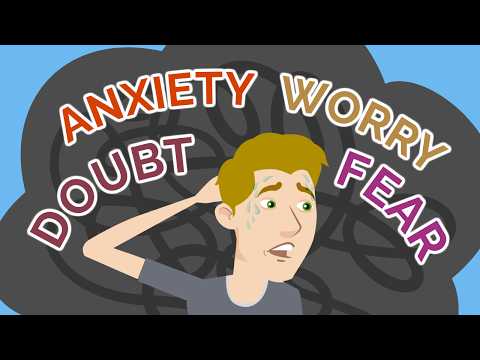
林宜悉 posted on 2025/11/05Feeling overwhelmed or anxious about your studies? This video shares 6 super practical strategies, like breathing techniques and fear-setting exercises, to help you conquer those worries! You'll pick up advanced vocabulary related to anxiety management and learn actionable tips perfect for daily life and even your future workplace.
Learn this video on the APP!
The VoiceTube App has more in-depth practice for videos!