
activate
US /ˈæktəˌvet/
UK /ˈæktɪveɪt/
- Transitive Verb
- To cause to happen; cause a chemical reaction
- To make something start working
B1Morealleviate
US /əˈliviˌet/
UK /əˈli:vieɪt/
- Transitive Verb
- To lessen the severity of something
B2TOEICMorealong with
US /əˈlɔŋ wɪð/
UK /əˈlɔŋ wið/
- Preposition
- In addition to; together with.
- Adverb
- In company or together with someone or something.
- Including; in addition to.
A2Moreannoying
US /əˈnɔɪɪŋ/
UK /əˈnɔɪɪŋ/
- Transitive Verb
- To make someone angry
- Adjective
- A little angry; upset
B1TOEICMoreanxiety
US /æŋˈzaɪɪti/
UK /æŋ'zaɪətɪ/
- Uncountable Noun
- A feeling of worry, nervousness, or unease about something that might happen, especially when the outcome is uncertain.
B1Moreask in
US /æsk ɪn/
UK /ɑ:sk ɪn/
- other
- To invite someone to enter one's home or place.
B1Moreat least
US /æt list/
UK /æt li:st/
- Adverb
- As a minimum
- Not less than
- Phrase
- No less than; at the minimum
- Used to indicate that something is positive in a bad situation.
C2Moreback into
US /bæk ˈɪntu/
UK /bæk ˈɪntuː/
- Phrasal Verb
- To drive a vehicle backwards into a space or area.
- To accidentally collide with something while moving backwards.
A1Morebased on
US
UK
- Phrasal Verb
- To use something as the foundation or starting point for something else.
- Preposition
- Using something as the main idea or foundation.
- Relying on something as evidence or justification.
A1Morebeneficial
US /ˌbɛnəˈfɪʃəl/
UK /ˌbenɪˈfɪʃl/
- Adjective
- Giving an advantage, having a helpful effect
- Promoting or contributing to physical or mental well-being.
B1TOEICMorebias
US /ˈbaɪəs/
UK /'baɪəs/
- Noun (Countable/Uncountable)
- Preference to believe things even if incorrect
- A systematic error in a statistical result
- Transitive Verb
- To unfairly favor one view over another
- To cause someone to have prejudice
B1TOEICMoreblock
US /blɑk/
UK /blɒk/
- Noun (Countable/Uncountable)
- Solid piece of material used for building
- A piece of wood, chocolate etc.
- Transitive Verb
- To stop from going forward or making progress
- To obstruct or prevent the movement or passage of.
A2Morecello
US /ˈtʃɛlo/
UK /'tʃeləʊ/
- Noun
- Second largest member of the violin family
B1Moreclinical
US /ˈklɪnɪkəl/
UK /ˈklɪnɪkl/
- Adjective
- Concerning the treatment or observing patients
- Using scientific techniques and precision
B1Morecome back
US /kʌm bæk/
UK /kʌm bæk/
- Phrasal Verb
- To reply to someone, often forcefully
- To be remembered
A1Morecome from
US /kʌm frʌm/
UK /kʌm frɔm/
- Phrasal Verb
- To have as your native country or city
A1Morecome up
US /kʌm ʌp/
UK /kʌm ʌp/
- Phrasal Verb
- To come closer to someone; approach
- (Of sun) to rise into the sky in the morning
A1Moreconcept
US /ˈkɑnˌsɛpt/
UK /'kɒnsept/
- Noun (Countable/Uncountable)
- Abstract idea of something or how it works
- A plan or intention; a conception.
A2TOEICMorecortex
US /ˈkɔrˌteks/
UK /'kɔ:teks/
- Noun (Countable/Uncountable)
- The outer part of an organ/structure, e.g. brain
- The outer layer of the cerebrum (the cerebral cortex), other organs, or a plant.
C1Moredeal with
US /dil wɪð/
UK /di:l wið/
- Verb (Transitive/Intransitive)
- To buy or sell goods or services.
- Phrasal Verb
- To take action to solve a problem or manage a situation.
- To be about; concern.
A1Moreemotion
US /ɪˈmoʃən/
UK /iˈməuʃən/
- Noun (Countable/Uncountable)
- A feeling such as sadness, anger or love
- A mental state that arises spontaneously rather than through conscious effort
A2Moreevolve
US /ɪˈvɑlv/
UK /ɪ'vɒlv/
- Verb (Transitive/Intransitive)
- To develop certain features
- To develop or change slowly over time
B1Moreexercise
US /ˈɛksɚˌsaɪz/
UK /'eksəsaɪz/
- Verb (Transitive/Intransitive)
- To work out to become stronger and healthier
- To retain your ability or practice your skills
- Noun (Countable/Uncountable)
- Physical activity to increase health and strength
- Set of questions in a text book
A2Moreexperience in
US
UK
- Phrase
- Knowledge or skill gained from doing something for a period of time.
- Exposure to or involvement in a particular activity or situation.
B1Morefeel like
US
UK
- Intransitive Verb
- To have a desire or inclination for something.
- To have a particular quality or sensation; resemble.
A1Moreflip
US /flɪp/
UK /flɪp/
- Verb (Transitive/Intransitive)
- To turn your body in the air, as in gymnastics
- To move into a different position quickly
- Noun
- Act of turning your body in the air; somersault
- Movement of something from one position to another
B2Moreflow
US /flo/
UK /fləʊ/
- Intransitive Verb
- To move steadily and easily in a certain direction
- Uncountable Noun
- Amount of something that moves through an area
A2Moreget up in
US /ɡɛt ʌp ɪn/
UK /ɡet ʌp ɪn/
- other
- To wake and leave bed at a particular time.
B2Moregrief
US /ɡrif/
UK /ɡri:f/
- Uncountable Noun
- Feeling of great sadness because someone has died
- Things that are troublesome or annoying
B1Morehand up
US
UK
- Phrasal Verb
- To raise one's hand in order to get attention, especially in a classroom.
have to
US /hæv tu/
UK /ˈhæv tə/
- Auxiliary Verb
- Must do
A1Morein general
US /ɪn ˈdʒɛnərəl/
UK /in ˈdʒenərəl/
- Phrase
- Typically; usually; on the whole.
- Not specific or detailed; broadly.
- Adjective
- Not detailed or specific; overall.
C2Morein my book
US /ɪn maɪ bʊk/
UK /ɪn maɪ bʊk/
- other
- According to my personal opinion or belief.
B2Morein the middle of
US
UK
- Phrase
- In the central part or point of something.
- Engaged or occupied with something.
A2Morein the world
US /ɪn ði wɜrld/
UK /in ðə wɜː(r)ld/
- Phrase
- Used to emphasize a question expressing surprise, confusion, disbelief
- Used to indicate the extent or degree of something, often in a superlative sense
A1Morelook at
US /lʊk æt/
UK /luk æt/
- Phrasal Verb
- To use your eyes to focus on something
- To focus your eyes on something carefully
A1Moremechanism
US /ˈmɛkəˌnɪzəm/
UK /'mekənɪzəm/
- Noun (Countable/Uncountable)
- Part of a machine that performs a certain function
- System or process for achieving a certain result
B1Moremedical
US /ˈmɛdɪkəl/
UK /ˈmedɪkl/
- Adjective
- Of or relating to physical health or medicine
- Noun
- A health check or test
A2Morememory
US /ˈmɛməri/
UK /'memərɪ/
- Noun (Countable/Uncountable)
- Ability of the mind to call back past things
- Space for the storage of information on a computer
A2Moremicro
US /ˈmaɪkro/
UK /'maɪkrəʊ/
- Noun
- A prefix meaning 'very small'
B2Morenegative
US /ˈnɛɡətɪv/
UK /'neɡətɪv/
- Noun
- The opposite to a positive electrical charge
- In grammar, containing words such as 'no' or 'not'
- Adjective
- Being harmful, unwanted or unhelpful
- In mathematics, being less than zero
A2Morenegativity
US /ˌneɡəˈtɪvəti/
UK /ˌnegəˈtɪvəti/
- Uncountable Noun
- Tendency to deny or resist suggestions or commands
B1Moreof course
US /ʌv kɔː(r)s/
UK /ɔv kɔː(r)s/
- Adverb
- Sure ; Certainly
- Phrase
- For sure; certainly
A2Moreon the brain
US
UK
- Idiom
- To be constantly thinking about someone or something; to be obsessed with someone or something.
on the ground
US
UK
- Phrase
- Located on the surface of the earth.
- Present and available in a particular place, especially to deal with a situation.
out there
US /aʊt ðɛr/
UK /aut ðɛə/
- Adverb
- In or to a place that is far away
- Existing in the universe
- Adjective
- Unconventional; strange; avant-garde
- Existing or available.
A1Morepandemic
US /pænˈdɛmɪk/
UK /pæn'demɪk/
- Adjective
- (of a disease) existing in almost all of an area or in almost all of a group of people, animals, or plants
- Noun
- a pandemic disease
C2Morepass away
US /pæs əˈwe/
UK /pɑ:s əˈwei/
- Phrasal Verb
- A polite way of saying 'to die'
A1Moreplasticity
US /plæˈstɪsətɪ/
UK /plæˈstɪsəti/
- Uncountable Noun
- Property of being able to physically bend
- Ability of the brain to adapt and change
B1Morepositive
US /ˈpɑzɪtɪv/
UK /ˈpɒzətɪv/
- Adjective
- Showing agreement or support for something
- Being sure about something; knowing the truth
- Noun
- A photograph in which light areas are light and dark areas are dark
A2Morepositive side
US
UK
- Noun
- The good or beneficial aspect of something, especially something that is generally considered negative.
- An optimistic or hopeful perspective.
B1Moreproductivity
US /ˌprɑ:dʌkˈtɪvəti/
UK /ˌprɒdʌkˈtɪvəti/
- Uncountable Noun
- Rate at which people or machines produce
- A measure of the efficiency of a person, machine, factory, system, etc., in converting inputs into useful output.
B1TOEICMoreprofessional
US /prəˈfɛʃənəl/
UK /prə'feʃənl/
- Adjective
- Of jobs such as doctor, lawyer, accountant, etc.
- Acting/done properly as a qualified person would
- Noun
- Highly qualified person, e.g. lawyer or doctor
- One who plays a sport or similar activity as a job
A2TOEICMorepsychology
US /saɪˈkɑlədʒi/
UK /saɪ'kɒlədʒɪ/
- Uncountable Noun
- The study of the mind and how it affects behavior
- Way in which a person or group thinks and behaves
C2Morerather than
US
UK
- Adverb
- More exactly; more correctly
- Preferably; instead
- Preposition
- Instead of
A1Moreresponse
US /rɪˈspɑns/
UK /riˈspɔns/
- Noun
- Something said/written as an answer to something
- Reaction to something that has occurred
A2TOEICMorerun away from
US /rʌn əˈwe frʌm/
UK /rʌn əˈwei frɔm/
- Phrasal Verb
- To run somewhere, e.g. to escape from something
A1Moreshift
US /ʃɪft/
UK /ʃɪft/
- Verb (Transitive/Intransitive)
- To change in position or direction
- To move something from one place to another
- Noun (Countable/Uncountable)
- A change in a persons plans, opinions or beliefs
- Period of work starting at a certain time
A2Moreshut down
US /ʃʌt daʊn/
UK /ʃʌt daun/
- Phrasal Verb
- To close an operating system, e.g. on a computer
- To stop a factory/machine from operating
- Transitive Verb
- To deactivate a nuclear reactor.
- To turn off a computer or other electronic device.
A2Morestructure
US /ˈstrʌk.tʃɚ/
UK /ˈstrʌk.tʃə/
- Noun (Countable/Uncountable)
- The way in which the parts of a system or object are arranged or organized, or a system arranged in this way
- A building or other man-made object.
- Transitive Verb
- To plan, organize, or arrange the parts of something
A2TOEICMoresuffer
US / ˈsʌfɚ/
UK /'sʌfə(r)/
- Verb (Transitive/Intransitive)
- To experience pain, illness, or injury
- To allow or permit something, especially something unpleasant.
A2Moresuffer from
US /ˈsʌfɚ frʌm/
UK /ˈsʌfə frɔm/
- Intransitive Verb
- To experience pain or distress; to be badly affected by.
A1Moresuperpower
US /ˈsu:pərpaʊə(r)/
UK /ˈsu:pəpaʊə(r)/
- Noun
- State powerful enough to influence world events
C2Moretalking about
US
UK
- Phrasal Verb
- To discuss a particular topic.
- To be constantly mentioning or bringing up a subject.
A1Morethink about
US /θɪŋk əˈbaʊt/
UK /θiŋk əˈbaut/
- Phrasal Verb
- To consider something carefully.
- To remember or call to mind.
A1Morethink of
US /θɪŋk ʌv/
UK /θiŋk ɔv/
- Phrasal Verb
- To look on as (being something specific); consider
- To consider or remember something.
- Verb (Transitive/Intransitive)
- To imagine or call something to mind
A1Moretypically
US /ˈtɪpɪklɪ/
UK /ˈtɪpɪkli/
- Adverb
- In a normal or usual way
B1Moreuncertainty
US /ʌnˈsə:tn:ti/
UK /ʌn'sɜ:tntɪ/
- Uncountable Noun
- Feeling of not really knowing what will happen
- Lack of confidence; doubt.
B2TOEICMorewanna
US /ˈwɑnə/
UK /'wɒnə/
- Verb (Transitive/Intransitive)
- Shortened form of 'want to'. Used only in speaking
B2Morewhole class
US
UK
- Noun (Countable/Uncountable)
- The entirety of a class of students.
- Adjective
- Involving or pertaining to the entire class.
A1Morewisdom
US /ˈwɪzdəm/
UK /'wɪzdəm/
- Uncountable Noun
- Knowledge gained from experience in life
A2Morework on
US /wɚk ɑn/
UK /wə:k ɔn/
- Phrasal Verb
- To devote effort to improve or develop something
- To try to persuade or influence someone.
A1Moreyoga
US /ˈjoʊgə/
UK /ˈjəʊgə/
- Noun (Countable/Uncountable)
- Exercise system to gain suppleness and tranquility
B2More
Vocabulary
- deal with
- in the middle of: In the central part or point of something.
- have to: Must do
- suffer from: To experience pain or distress; to be badly affected by.
- think about: To consider something carefully.
- think of: To look on as (being something specific); consider
- look at: To use your eyes to focus on something
- come from: To have as your native country or city
- back into: To drive a vehicle backwards into a space or area.
- in my book: According to my personal opinion or belief.
- talking about: To discuss a particular topic.
- positive side: The good or beneficial aspect of something, especially something that is generally considered negative.
- rather than: More exactly; more correctly
- come up: To come closer to someone; approach
- along with: In addition to; together with.
- shut down: To close an operating system, e.g. on a computer
- on the brain: To be constantly thinking about someone or something; to be obsessed with someone or something.
- come back: To reply to someone, often forcefully
- pass away: A polite way of saying 'to die'
- experience in: Knowledge or skill gained from doing something for a period of time.
- in general: Typically; usually; on the whole.
- get up in: To wake and leave bed at a particular time.
- run away from: To run somewhere, e.g. to escape from something
- work on: To devote effort to improve or develop something
- out there: In or to a place that is far away
- of course: Sure ; Certainly
- on the ground: Located on the surface of the earth.
- at least: As a minimum
- feel like: To have a desire or inclination for something.
- whole class: The entirety of a class of students.
- ask in: To invite someone to enter one's home or place.
- hand up: To raise one's hand in order to get attention, especially in a classroom.
- based on: To use something as the foundation or starting point for something else.
- in the world: Used to emphasize a question expressing surprise, confusion, disbelief
- anxiety: A feeling of worry, nervousness, or unease about something that might happen, especially when the outcome is uncertain.
- pandemic: (of a disease) existing in almost all of an area or in almost all of a group of people, animals, or plants
- situation: Place, position or area that something is in
- concept: Abstract idea of something or how it works
- realize: To become aware of or understand mentally
- positive: Showing agreement or support for something
- flip: To turn your body in the air, as in gymnastics
- structure: The way in which the parts of a system or object are arranged or organized, or a system arranged in this way
- negative: The opposite to a positive electrical charge
- typically: In a normal or usual way
- evolve: To develop certain features
- common: Area in a city or town that is open to everyone
- cortex: The outer part of an organ/structure, e.g. brain
- bias: Preference to believe things even if incorrect
- fear: Unpleasant feeling caused by being aware of danger
- psychology: The study of the mind and how it affects behavior
- grief: Feeling of great sadness because someone has died
- annoying: To make someone angry
- shift: To change in position or direction
- exercise: To work out to become stronger and healthier
- alleviate: To lessen the severity of something
- mechanism: Part of a machine that performs a certain function
- brain: To strike someone forcefully on the head
- suffer: To experience pain, illness, or injury
- deal: To cope with something - usually troubles
- prefrontal: Anterior to a frontal structure
- response: Something said/written as an answer to something
- address: Exact street location of a place
- form: Sports team or person's current winning record
- productivity: Rate at which people or machines produce
- wisdom: Knowledge gained from experience in life
- professional: Of jobs such as doctor, lawyer, accountant, etc.
- ground: To break (coffee, etc.) into tiny bits with machine
- clinical: Concerning the treatment or observing patients
- wanna: Shortened form of 'want to'. Used only in speaking
- amygdala: Almond-shaped structure in the brain's anterior
- activate: To cause to happen; cause a chemical reaction
- favorite: A thing that someone likes best or enjoys most
- normal: Standard or regular way of doing something
- emotion: A feeling such as sadness, anger or love
- important: Having power or authority
- flow: To move steadily and easily in a certain direction
- beneficial: Giving an advantage, having a helpful effect
- kind: In a caring and helpful manner
- uncertainty: Feeling of not really knowing what will happen
- block: Solid piece of material used for building
- memory: Ability of the mind to call back past things
- medical: Of or relating to physical health or medicine
- negativity: Tendency to deny or resist suggestions or commands
- plasticity: Property of being able to physically bend
- micro: A prefix meaning 'very small'
- yoga: Exercise system to gain suppleness and tranquility
- cello: Second largest member of the violin family
- superpower: State powerful enough to influence world events
Get the full experience in the app
Learn anywhere with detailed sentence and usage analysis
01:03
She took a brave step forward, leaving behind her comfort zone to chase her dreams.
Vocabulary
- brave
adj. Having courage
- comfort zone
phr. A familiar situation where one feels safe
Explanation
a brave step is a noun phrase, where brave is an adjective modifying the noun step, meaning "a courageous step".
forward is an adverb modifying step, meaning "ahead".
The whole phrase serves as the object, answering the "what" of took (verb) — she took a brave step forward.
Get the full experience in the app
Look up words anytime with pronunciation, part of speech, and usage
brave
US/brev/
UK/breɪv/
adj.Brave
v.t.To bravely face
A2 Elementary
Get the full experience in the app
Practice speaking anytime and get instant pronunciation feedback
Try this speaking exercise.
Try practicing with this sentence.
80
Anxiety gives you an advantage. Unlock it with neuroplasticity | Wendy Suzuki
0
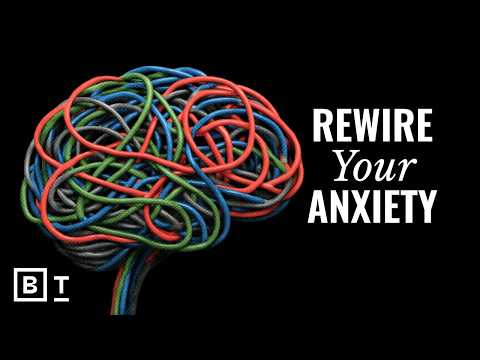
林宜悉 posted on 2025/07/31Feeling anxious? This talk flips the script, showing you how to harness that energy as a superpower using neuroscience and brain plasticity! You'll pick up advanced vocabulary related to anxiety and productivity, plus practical tips to turn your worries into your advantage.
Learn this video on the APP!
The VoiceTube App has more in-depth practice for videos!