plasticity
US /plæˈstɪsətɪ/
・UK /plæˈstɪsəti/
B1
n. (u.)Uncountable NounProperty of being able to physically bend
Clay loses its plasticity when dried and baked
n. (u.)Uncountable NounAbility of the brain to adapt and change
The plasticity of the brain allowed Ben to learn to walk again after his accident
Video subtitles
Neuroplasticity Explained: How to Rewire Your Brain for Mental Strength

- Structural plasticity, and this involves changes to the brain's physical structure, such as the growth of new neurons or the formation of new synapses.
Structural plasticity, and this involves changes to the brain's physical structure, such as the growth of new neurons or the formation of new synapses.
- There are two types of neuroplasticity: structural plasticity,
There are two types of neuroplasticity: structural plasticity,
What ketamine is doing to Elon Musk’s brain

- This is because it changes NMDA receptors in your brain, changes glutamate in your brain, and because of your brain's plasticity, your brain will actually morph.
This is because it changes NMDA receptors in your brain, changes glutamate in your brain, and because of your brain's plasticity, your brain will actually morph.
- because of your brain's plasticity, your brain will actually morph.
because of your brain's plasticity, your brain will actually morph.
Upgrade Your Hand With This Extra Thumb

- My name is Tamar Makin and I'm a professor of Cognitive Neuroscience and my role is to run the lab that we call the Plasticity Lab in Cambridge University.
My name is Tamar Makin and I'm a professor of Cognitive Neuroscience and my role is to run the lab that we call the Plasticity Lab in Cambridge University.
- And my role is to run the lab that we call the Plasticity Lab in Cambridge University.
And my role is to run the lab that we call the Plasticity Lab in Cambridge University.
What’s The Best Age To Learn A Second Language?

- Kids brains are way better than adults when it comes to learning because of their plasticity--their brains are just better at creating new neural pathways.
Kids brains are way better than adults when it comes to learning because of their plasticity--their brains are just better at creating new neural pathways.
- The number of synapses you have peaks between the ages of 4 to 8, but your brain still has a lot of plasticity until puberty.
The number of synapses you have peaks between the ages of 4 to 8, but your brain still has a lot of plasticity until puberty.
Why Does My Brain Sleep?

- For these much more complex processes of brain plasticity and emotional regulation, there, caffeine doesn't seem to be a sufficient substitute.
For these much more complex processes of brain plasticity and emotional regulation, there, caffeine doesn't seem to be a sufficient substitute.
- For these much more complex processes of brain plasticity and emotional regulation, there, caffeine doesn't seem to be a sufficient substitute.
For these much more complex processes of brain plasticity and emotional regulation, there, caffeine doesn't seem to be a sufficient substitute.
How does therapy work? | BBC Ideas
- This is known as neural plasticity.
This is known as neural plasticity.
How Video Games Change Your Brain
- That being said, however, the hippocampus and gray matter in all video game players had added "brain plasticity" overall.
That being said, however, the hippocampus and gray matter in all video game players had added "brain plasticity" overall.
- Plasticity is the ability for the brain to adapt and change their neural pathways.
Plasticity is the ability for the brain to adapt and change their neural pathways.
Learning a Foreign Language | STUFF YOU SHOULD KNOW

- And this is the idea that there is a critical period in a young person, a young human's life, where your brain has the plasticity that's just off the charts,
And this is the idea that there is a critical period in a young person, a young human's life, where your brain has the plasticity that's just off the charts,
- I think Critical Period Hypothesis made it seem like it was really, really, really hard after this, because they didn't really believe in— they thought plasticity stopped at a certain point.
I think Critical Period Hypothesis made it seem like it was really, really, really hard after this, because they didn't really believe in— they thought plasticity stopped at a certain point.
Cognitive Neuroscience of Mindfulness Meditation
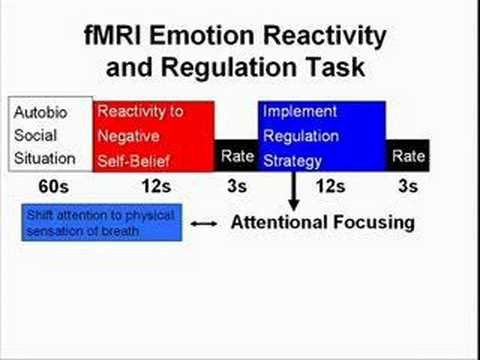
- So as a general principle, the more that we're alive, the longer we're alive, in general, there's less plasticity, so much so you can take a three-year-old and take out the entire left hemisphere and all the functions that were supposedly instantiated in the left hemisphere, transfer.
So as a general principle, the more that we're alive, the longer we're alive, in general, there's less plasticity, so much so you can take a three-year-old and take out the entire left hemisphere and all the functions that were supposedly instantiated in the left hemisphere, transfer.
- So it's beautiful plasticity.
So it's beautiful plasticity.
Matthieu Ricard - The habits of Happiness

- I suppose, the subject of -- we have to deal in such a short time with brain plasticity.
I suppose, the subject of -- we have to deal in such a short time with brain plasticity.
- So the interface with cognitive science, since we need to come to that and it was the subject of we have to deal in such a short time, with brain plasticity.
So the interface with cognitive science, since we need to come to that and it was the subject of we have to deal in such a short time, with brain plasticity.