
ability
US /əˈbɪlɪti/
UK /ə'bɪlətɪ/
- Noun (Countable/Uncountable)
- The power, resources or skill to do something
- A particular skill or talent.
A2TOEICMorealong with
US /əˈlɔŋ wɪð/
UK /əˈlɔŋ wið/
- Preposition
- In addition to; together with.
- Adverb
- In company or together with someone or something.
- Including; in addition to.
A2Moreanalytic
US /ˌænəˈlɪtɪk/
UK /ˌænəˈlɪtɪk/
- Adjective
- Of the process of detailed reasoning
B2Moreanxiety
US /æŋˈzaɪɪti/
UK /æŋ'zaɪətɪ/
- Uncountable Noun
- A feeling of worry, nervousness, or unease about something that might happen, especially when the outcome is uncertain.
B1Moreas one
US
UK
- Adverb
- Acting or moving together at the same time.
- In complete agreement or unity.
- Phrase
- With a single voice or opinion; unanimously.
- In perfect harmony or unison.
A1Moreas opposed to
US
UK
- Preposition
- In contrast to; rather than.
- Instead of; in place of.
A1Moreas well as
US /æz wɛl æz/
UK /æz wel æz/
- Adverb
- Also; in addition to
- Preposition
- In addition to; and also.
A1Moreat a time
US /æt e taɪm/
UK /æt ə taim/
- Phrase
- Separately; one by one
- Simultaneously; together
A1Moreat least
US /æt list/
UK /æt li:st/
- Adverb
- As a minimum
- Not less than
- Phrase
- No less than; at the minimum
- Used to indicate that something is positive in a bad situation.
C2Moreattention
US /əˈtɛnʃən/
UK /əˈtenʃn/
- Noun (Countable/Uncountable)
- Taking notice of someone or something
- Noun
- (Soldiers) Standing with straight backs
A2TOEICMoreawareness
US /əˈwɛrnɪs/
UK /əˈweənəs/
- Uncountable Noun
- Having knowledge of something
A2TOEICMoreback into
US /bæk ˈɪntu/
UK /bæk ˈɪntuː/
- Phrasal Verb
- To drive a vehicle backwards into a space or area.
- To accidentally collide with something while moving backwards.
A1Morebase
US /bes/
UK /beɪs/
- Noun (Countable/Uncountable)
- Place military personnel live, train, and operate
- Bottom part of an object that touches a surface
- Transitive Verb
- To use as the starting point or origin for
- To have as the main location for (company, etc.)
A2TOEICMorebaseline
US /ˈbeɪslaɪn/
UK /ˈbeɪslaɪn/
- Noun
- Imaginary standard by which things are compared
C1Morebreath
US /brɛθ/
UK /breθ/
- Uncountable Noun
- Air you take in and out of your body
- The smell of someone's breath.
A2Morebuild up
US /bɪld ʌp/
UK /bild ʌp/
- Phrasal Verb
- To increase the amount; collect something
- To develop or increase something in stages
- Verb (Transitive/Intransitive)
- To increase or develop something gradually.
- To praise or encourage someone.
A1Moreburst in
US /bɚst ɪn/
UK /bə:st in/
- Phrasal Verb
- To enter a room or building suddenly and forcefully.
- To interrupt a conversation or activity suddenly.
clinical
US /ˈklɪnɪkəl/
UK /ˈklɪnɪkl/
- Adjective
- Concerning the treatment or observing patients
- Using scientific techniques and precision
B1Morecognitive
US /ˈkɑɡnɪtɪv/
UK /ˈkɒgnətɪv/
- Adjective
- The process of knowing and remembering
- Relating to the ability to think and reason.
C1Morecome up
US /kʌm ʌp/
UK /kʌm ʌp/
- Phrasal Verb
- To come closer to someone; approach
- (Of sun) to rise into the sky in the morning
A1Moreconcept
US /ˈkɑnˌsɛpt/
UK /'kɒnsept/
- Noun (Countable/Uncountable)
- Abstract idea of something or how it works
- A plan or intention; a conception.
A2TOEICMoreconceptual
US /kənˈsɛptʃuəl/
UK /kənˈseptʃuəl/
- Adjective
- Including concepts or the forming of concepts
B1Moreconsists of
US
UK
- Phrasal Verb
- Is made up or composed of.
A1Morecortex
US /ˈkɔrˌteks/
UK /'kɔ:teks/
- Noun (Countable/Uncountable)
- The outer part of an organ/structure, e.g. brain
- The outer layer of the cerebrum (the cerebral cortex), other organs, or a plant.
C1Morecross
US /krɔs, krɑs/
UK /krɒs/
- Adjective
- Angry and upset
- From one side of something to the other
- Transitive Verb
- To put one thing over another e.g. arms
- To breed one type of animal or plant with another
A2Moredeal with
US /dil wɪð/
UK /di:l wið/
- Verb (Transitive/Intransitive)
- To buy or sell goods or services.
- Phrasal Verb
- To take action to solve a problem or manage a situation.
- To be about; concern.
A1Moredepression
US /dɪˈprɛʃən/
UK /dɪ'preʃn/
- Noun (Countable/Uncountable)
- Medical condition of a lack of vitality
- Period of unemployment and low economic activity
B2Moredepressive
US /dɪˈprɛsɪv/
UK /dɪˈpresɪv/
- Adjective
- Suffering a psychological lack of happiness
B2Moredisorder
US /dɪsˈɔrdɚ/
UK /dɪs'ɔ:də(r)/
- Uncountable Noun
- State of confusion or a lack of organization
- Illness when the body is not functioning well
- Transitive Verb
- To disrupt the order or arrangement of something.
B2Moredistraction
US /dɪˈstrækʃən/
UK /dɪˈstrækʃn/
- Noun (Countable/Uncountable)
- Something drawing your attention away from
- Enjoyable thing to help you forget your problems
B2Moredrop out
US /drɑp aʊt/
UK /drɔp aut/
- Phrasal Verb
- To take no part in a society you disapprove of
- To quit school, a club or activity
- Intransitive Verb
- To quit a course of study or training.
A1Moreemotion
US /ɪˈmoʃən/
UK /iˈməuʃən/
- Noun (Countable/Uncountable)
- A feeling such as sadness, anger or love
- A mental state that arises spontaneously rather than through conscious effort
A2Moreemotional
US /ɪˈmoʃənəl/
UK /ɪˈməʊʃənl/
- Adjective
- Causing, feeling, or appealing to the emotions
- Relating to or characterized by emotion
A2Moreengage in
US /ɪn'gedʒ ɪn/
UK /ɪnˈɡeɪdʒ in/
- Phrasal Verb
- To participate or become involved in something.
B1Moreetcetera
US
UK
- Adverb
- More of the same; and so on
- Noun
- A list of things of the same kind.
B1Moreevidence of
US
UK
- Phrase
- Facts, objects, or signs that make you believe that something is true.
- Something that shows that something else exists or is true.
A1Moreexecutive
US /ɪɡˈzɛkjətɪv/
UK /ɪɡ'zekjətɪv/
- Noun (Countable/Uncountable)
- A senior manager in a business or organization
- The branch of government responsible for enforcing laws.
- Adjective
- Of a high ranking job in a company
- Relating to the management of a business or organization.
A2TOEICMoreexperiential
US /ɪkˌspɪriˈenʃl/
UK /ɪkˌspɪəriˈenʃl/
- Adjective
- Concerned with or resulting from experience
- Involving or based on experience
B1Moreextent to which
US
UK
- Phrase
- The degree to which something is true or likely to happen.
- The degree of influence or effect that something has.
A1Morefix
US /fɪks/
UK /fɪks/
- Noun
- Answer to a problem
- Transitive Verb
- To arrange or prepare something
- To attach something so it will not move or change
A2TOEICMorefocus
US /ˈfokəs/
UK /'fəʊkəs/
- Verb (Transitive/Intransitive)
- To see clearly by adjusting your eyes or a camera
- To keep your attention, concentration on one thing
- Noun (Countable/Uncountable)
- Main purpose or center of interest or activity
- The clarity of an image produced by a lens.
A2TOEICMorefor example
US
UK
- Phrase
- As an illustration or instance.
for some reason
US /fɔr sʌm ˈrizən/
UK /fɔ: sʌm ˈri:zən/
- Phrase
- For a reason that is not known or not easily explained.
A1Morefrom the first
US /frəm ðə ˈfɝst/
UK /frəm ðə ˈfɜ:st/
- other
- From the very beginning.
B2Moregeneralize
US /ˈdʒɛnərəˌlaɪz/
UK /'dʒenrəlaɪz/
- Verb (Transitive/Intransitive)
- To apply a particular idea to a large group
B2Moreget up to
US /ɡɛt ʌp tu/
UK /ɡet ʌp tu:/
- Phrasal Verb
- To do something slightly naughty
A1Morego ahead
US /ɡo əˈhɛd/
UK /ɡəu əˈhed/
- Phrasal Verb
- To start an activity; start doing, working etc.
- To give permission to do something
- Intransitive Verb
- To start or proceed with something
- To proceed despite potential obstacles or doubts.
A1Moregoing on
US /ˈɡoɪŋ ɑn/
UK /ˈgəʊɪŋ ɔn/
- Phrasal Verb
- To continue doing something
- To happen (usually negative)
A1Morehave to
US /hæv tu/
UK /ˈhæv tə/
- Auxiliary Verb
- Must do
A1Morehemisphere
US /ˈhɛmɪˌsfɪr/
UK /ˈhemɪsfɪə(r)/
- Noun (Countable/Uncountable)
- One half of a rounded, ball-like object
- One of the two masses forming the brain
B2Morein fact
US /ɪn fækt/
UK /in fækt/
- Adverb
- Used to emphasize the truth of a statement, especially one that contrasts with or contradicts something else.
- Used to introduce a more detailed or surprising piece of information.
- Phrase
- Used to emphasize the truth of a statement, especially one that is surprising or contrary to what might be expected.
C1Morein general
US /ɪn ˈdʒɛnərəl/
UK /in ˈdʒenərəl/
- Phrase
- Typically; usually; on the whole.
- Not specific or detailed; broadly.
- Adjective
- Not detailed or specific; overall.
C2Morein particular
US /ɪn pɚˈtɪkjəlɚ/
UK /in pəˈtikjulə/
- Phrase
- Specifically; especially.
- Detailed or precise.
A1Morein public
US /ɪn ˈpʌblɪk/
UK /in ˈpʌblik/
- Phrase
- In a place where anyone can see or hear you.
- Adjective
- Relating to the government or the people as a whole.
B1Morein summary
US /ɪn ˈsʌməri/
UK /in ˈsʌməri/
- Phrase
- Briefly stating or reviewing main points.
B2Morein terms of
US
UK
- Phrase
- With regard to; concerning a particular aspect.
A1Morein the field
US
UK
- Phrase
- Working or doing research in a real-world environment, not in a classroom or laboratory.
- Located on the playing area of a sports ground.
A1Morein the moment
US
UK
- Phrase
- At the present time; now.
- Spontaneously; without prior planning or consideration.
A1Morein the world
US /ɪn ði wɜrld/
UK /in ðə wɜː(r)ld/
- Phrase
- Used to emphasize a question expressing surprise, confusion, disbelief
- Used to indicate the extent or degree of something, often in a superlative sense
A1Moreinevitably
US /ɪnˈevɪtəbli/
UK /ɪnˈevɪtəbli/
- Adverb
- (Happening) with complete certainty
B1Moreinstead of
US /ɪnˈstɛd ʌv/
UK /inˈsted ɔv/
- Preposition
- When one thing is replaced by another
- Adverb
- As a substitute or alternative.
A1Morelinguistic
US /lɪŋˈɡwɪstɪk/
UK /lɪŋˈgwɪstɪk/
- Adjective
- Of or relating to language
- Relating to the scientific study of language.
B1Morelook at
US /lʊk æt/
UK /luk æt/
- Phrasal Verb
- To use your eyes to focus on something
- To focus your eyes on something carefully
A1Moremake up
US /mek ʌp/
UK /meik ʌp/
- Phrasal Verb
- To invent or create a story
- To add up to
- Verb (Transitive/Intransitive)
- To invent a story, excuse, etc.
- To compensate for something lost, missed, or deficient.
A1Moremeditation
US /ˌmɛdɪˈteʃən/
UK /ˌmedɪ'teɪʃn/
- Noun (Countable/Uncountable)
- Act of deep and quiet thinking
- The practice of focusing one's mind for a period of time.
B2Morememory
US /ˈmɛməri/
UK /'memərɪ/
- Noun (Countable/Uncountable)
- Ability of the mind to call back past things
- Space for the storage of information on a computer
A2Morenegative
US /ˈnɛɡətɪv/
UK /'neɡətɪv/
- Noun
- The opposite to a positive electrical charge
- In grammar, containing words such as 'no' or 'not'
- Adjective
- Being harmful, unwanted or unhelpful
- In mathematics, being less than zero
A2Moreneural
US /ˈnʊrəl, ˈnjʊr-/
UK /ˈnjuərəl/
- Adjective
- About the nerves or nervous system
B2Moreno go
US
UK
- Noun
- A failure; something that does not proceed as planned.
A1Moreobject
US /ˈɑbdʒɪkt/
UK /'ɒbdʒɪkt/
- Noun (Countable/Uncountable)
- Something you can see or touch, but is not alive
- Goal or purpose of a particular plan or activity
- Verb (Transitive/Intransitive)
- To disagree; to protest against an idea or plan
- To state one's reason for disagreement
A2TOEICMoreof course
US /ʌv kɔː(r)s/
UK /ɔv kɔː(r)s/
- Adverb
- Sure ; Certainly
- Phrase
- For sure; certainly
A2Moreof interest
US /əv ˈɪntrɪst/
UK /əv ˈɪntrəst/
- other
- Relevant or important to someone or something.
B2Moreoff balance
US /ɔf ˈbæləns/
UK /ɔf ˈbæləns/
- Adjective
- In a state of being unsteady or unstable; lacking equilibrium.
- In a state of being disturbed or unsettled; lacking composure or emotional stability.
B2Moreon purpose
US /ɑn ˈpɚpəs/
UK /ɔn ˈpə:pəs/
- Idiom
- Intentionally; deliberately.
- Phrase
- Intentionally; deliberately.
A1Moreon target
US /ɑn ˈtɑrɡɪt/
UK /ɔn ˈtɑ:ɡit/
- Adjective
- Achieving the desired results or goals; accurate.
- Following the correct trajectory to hit the intended target.
- Adverb
- Exactly right; hitting the mark.
A1Moreonset
US /ˈɑnˌsɛt, ˈɔn-/
UK /ˈɒnset/
- Noun
- When something, e.g. an illness, starts; beginning
B2TOEICMoreover time
US /ˈovɚ taɪm/
UK /ˈəuvə taim/
- Phrase
- Gradually; as time passes.
- During a long period.
- Adverb
- Gradually; as time passes.
B1Morepass out
US /pæs aʊt/
UK /pɑ:s aut/
- Phrasal Verb
- To distribute or hand out papers to people
- To faint; lose consciousness
A1Morephobia
US /ˈfoʊbiə/
UK /ˈfəʊbiə/
- Noun
- Extreme fear
C1Morepoint out
US /pɔɪnt aʊt/
UK /pɔint aut/
- Phrasal Verb
- To make others aware of an idea
- To draw attention to something or someone
A1Morepractice
US /ˈpræktɪs/
UK /'præktɪs/
- Noun
- The office and place for legal or medical work
- Doing something many times to become better at it
- Verb (Transitive/Intransitive)
- To work as a doctor or lawyer
- To live according to the teachings of a religion
A2TOEICMorepre
US
UK
- Prefix
- A prefix meaning 'before'
B2Morereactivity
US
UK
- Uncountable Noun
- Ready susceptibility to chemical change
B1Morereduction
US /rɪˈdʌkʃən/
UK /rɪ'dʌkʃn/
- Noun
- Act of making something smaller
B1Moreregulate
US /ˈrɛɡjəˌlet/
UK /ˈregjuleɪt/
- Transitive Verb
- To control something with rules or laws
- To set/adjust (a clock, etc.); restrict motion in
A2TOEICMoreregulation
US /ˌrɛɡjəˈleʃən/
UK /ˌregjuˈleɪʃn/
- Noun (Countable/Uncountable)
- Act of controlling something with rules or orders
- A rule or directive made and maintained by an authority.
- Noun
A2Morerelapse
US /rɪˈlæps/
UK /rɪ'læps/
- Noun
- Recurrence of bad symptoms after improvement
- Intransitive Verb
- To fall ill again after recovering; get bad again
B2TOEICMoresay it all
US
UK
- Transitive Verb
- To express everything that needs to be said without using many words.
A1Morescrew up
US /skru ʌp/
UK /skru: ʌp/
- Phrasal Verb
- Spoken to make a big mistake
- To make a mistake; make a mess of
- Adjective
- Emotionally or mentally damaged; disturbed.
B1Moresectional
US /ˈsɛkʃənəl/
UK /ˈsekʃənl/
- Adjective
- Being made up of separate parts
- Concerning a group of people within a larger group
B1Moreshift
US /ʃɪft/
UK /ʃɪft/
- Verb (Transitive/Intransitive)
- To change in position or direction
- To move something from one place to another
- Noun (Countable/Uncountable)
- A change in a persons plans, opinions or beliefs
- Period of work starting at a certain time
A2Moreshow up
US /ʃo ʌp/
UK /ʃəu ʌp/
- Phrasal Verb
- To arrive or be seen at a place, e.g. a party
- To be noticeably better than (someone else)
A1Moresit with
US /sit wɪð/
UK /sit wið/
- Phrasal Verb
- To stay with someone and provide support or comfort.
- To take time to consider or accept something.
A1Moreslow down
US /slo daʊn/
UK /sləu daun/
- Phrasal Verb
- To reduce the speed
- To become less active or busy.
A1Morespeak to
US /spik tu/
UK /spi:k tu:/
- Verb (Transitive/Intransitive)
- To address or communicate with someone.
- To indicate or suggest something; to be relevant to.
A1Morespin
US /spɪn/
UK /spɪn/
- Verb (Transitive/Intransitive)
- To make a ball rotate when throwing it
- To move something in a rapid turning motion
- Intransitive Verb
- To feel dizzy/confused, as in my head is spinning
B1Morestand here
US
UK
- Intransitive Verb
- To remain in or move to this specific location.
stress
US / strɛs/
UK /stres/
- Transitive Verb
- To emphasize one or more parts of a word, sentence
- To put pressure on something or someone
- Noun (Countable/Uncountable)
- Emphasis on part of a word or sentence
- Pressure on something or someone
A2TOEICMoresubsequent
US /ˈsʌbsɪˌkwɛnt, -kwənt/
UK /ˈsʌbsɪkwənt/
- Adjective
- Happening after; later
B1Moresubtle
US /ˈsʌtl/
UK /'sʌtl/
- Adjective
- Delicate or slight so it is difficult to perceive
- Clever or indirect but hides the true purpose
B1Moretake out
US /tek aʊt/
UK /teik aut/
- Phrasal Verb
- To apply for and get a license
- To take someone on a date
- Uncountable Noun
- Food purchased at a restaurant to eat elsewhere.
A1Moretalking about
US
UK
- Phrasal Verb
- To discuss a particular topic.
- To be constantly mentioning or bringing up a subject.
A1Morethe following
US
UK
- Adjective
- Next in order or sequence.
- Uncountable Noun
- What is about to be said or written.
B1Moretherapy
US /ˈθɛrəpi/
UK /'θerəpɪ/
- Noun (Countable/Uncountable)
- Treatment to help cure an illness
- Psychological counseling to help resolve personal or emotional problems.
B2Morethink about
US /θɪŋk əˈbaʊt/
UK /θiŋk əˈbaut/
- Phrasal Verb
- To consider something carefully.
- To remember or call to mind.
A1Morethink back
US /θɪŋk bæk/
UK /θiŋk bæk/
- Phrasal Verb
- To recapture the past
A1Morethink of
US /θɪŋk ʌv/
UK /θiŋk ɔv/
- Phrasal Verb
- To look on as (being something specific); consider
- To consider or remember something.
- Verb (Transitive/Intransitive)
- To imagine or call something to mind
A1Moreto do with
US
UK
- Phrasal Verb
- To be about something; concern
A1Moreto the left
US
UK
- Phrase
- In or toward the left direction.
- Situated on the left side of.
up there
US /ʌp ðɛr/
UK /ʌp ðɛə/
- Adverb
- In or to a higher place or position; far away.
- In heaven.
A1Morewith respect to
US /wɪð rɪˈspɛkt tu/
UK /wið risˈpekt tu:/
- Preposition
- In relation to; regarding.
- Phrase
- In relation to; concerning.
A1Morewithout further ado
US /wɪðˈaʊt ˈfɚðɚ əˈdu/
UK /wiˈðaut ˈfə:ðə əˈdu:/
- Phrase
- Without unnecessary delay or introduction; immediately.
A2Morework on
US /wɚk ɑn/
UK /wə:k ɔn/
- Phrasal Verb
- To devote effort to improve or develop something
- To try to persuade or influence someone.
A1More
Vocabulary
- for example: As an illustration or instance.
- have to: Must do
- in fact: Used to emphasize the truth of a statement, especially one that contrasts with or contradicts something else.
- to do with: To be about something; concern
- look at: To use your eyes to focus on something
- as one: Acting or moving together at the same time.
- think about: To consider something carefully.
- at least: As a minimum
- without further ado: Without unnecessary delay or introduction; immediately.
- of interest: Relevant or important to someone or something.
- sit with: To stay with someone and provide support or comfort.
- in the field: Working or doing research in a real-world environment, not in a classroom or laboratory.
- consists of: Is made up or composed of.
- at a time: Separately; one by one
- the following: Next in order or sequence.
- of course: Sure ; Certainly
- in terms of
- extent to which: The degree to which something is true or likely to happen.
- as opposed to: In contrast to; rather than.
- say it all: To express everything that needs to be said without using many words.
- think of: To look on as (being something specific); consider
- stand here: To remain in or move to this specific location.
- build up: To increase the amount; collect something
- deal with
- talking about: To discuss a particular topic.
- on target: Achieving the desired results or goals; accurate.
- on purpose: Intentionally; deliberately.
- instead of: When one thing is replaced by another
- going on: To continue doing something
- off balance: In a state of being unsteady or unstable; lacking equilibrium.
- for some reason: For a reason that is not known or not easily explained.
- drop out: To take no part in a society you disapprove of
- in the world: Used to emphasize a question expressing surprise, confusion, disbelief
- in the moment: At the present time; now.
- from the first: From the very beginning.
- get up to: To do something slightly naughty
- back into: To drive a vehicle backwards into a space or area.
- with respect to: In relation to; regarding.
- speak to: To address or communicate with someone.
- up there: In or to a higher place or position; far away.
- pass out: To distribute or hand out papers to people
- screw up: Spoken to make a big mistake
- engage in: To participate or become involved in something.
- work on: To devote effort to improve or develop something
- make up: To invent or create a story
- as well as: Also; in addition to
- along with: In addition to; together with.
- evidence of: Facts, objects, or signs that make you believe that something is true.
- point out: To make others aware of an idea
- burst in: To enter a room or building suddenly and forcefully.
- slow down: To reduce the speed
- to the left: In or toward the left direction.
- no go: A failure; something that does not proceed as planned.
- go ahead: To start an activity; start doing, working etc.
- come up: To come closer to someone; approach
- show up: To arrive or be seen at a place, e.g. a party
- in summary: Briefly stating or reviewing main points.
- think back: To recapture the past
- in particular: Specifically; especially.
- in public: In a place where anyone can see or hear you.
- over time: Gradually; as time passes.
- in general: Typically; usually; on the whole.
- take out: To apply for and get a license
- people: Persons sharing culture, country, background, etc.
- practice: The office and place for legal or medical work
- language: Words or signs used to communicate messages
- word: Unit of language that has a meaning
- person: Man, woman or child
- present: Being in attendance; being there; having turned up
- study: To focus on learning something usually at school
- place: To put someone in a particular type of situation
- show: To be easily seen or displayed
- beautiful: Having dome something well
- lot: What happens to a person in life from chance; fate
- cross: Angry and upset
- brain: To strike someone forcefully on the head
- negative: The opposite to a positive electrical charge
- mind: To be bothered or upset by something
- post: To send a letter or package using stamps
- view: Opinion, belief, or idea about something
- memory: Ability of the mind to call back past things
- moment: Very short or brief period of time
- activity: An action or task, e.g. sports, washing clothes
- etcetera: More of the same; and so on
- healthy: In good condition physically, or financially; well
- completing: To finish or reach the end of doing something
- form: Sports team or person's current winning record
- attention: Taking notice of someone or something
- social: Involving activity with people, e.g. in free time
- training: To teach a pet a behavior or a trick
- breath: Air you take in and out of your body
- base: Place military personnel live, train, and operate
- stress: To emphasize one or more parts of a word, sentence
- experiential: Concerned with or resulting from experience
- situation: Place, position or area that something is in
- sectional: Being made up of separate parts
- meaning: To express a particular idea or thought
- control: A device designed to operate a machine
- object: Something you can see or touch, but is not alive
- ability: The power, resources or skill to do something
- depressive: Suffering a psychological lack of happiness
- fix: Answer to a problem
- anxiety: A feeling of worry, nervousness, or unease about something that might happen, especially when the outcome is uncertain.
- emotion: A feeling such as sadness, anger or love
- reduction: Act of making something smaller
- regulation: Act of controlling something with rules or orders
- reactivity: Ready susceptibility to chemical change
- emotional: Causing, feeling, or appealing to the emotions
- depression: Medical condition of a lack of vitality
- therapy: Treatment to help cure an illness
- shift: To change in position or direction
- conceptual: Including concepts or the forming of concepts
- focus: To see clearly by adjusting your eyes or a camera
- belief: Being sure that something exists or is true
- concept: Abstract idea of something or how it works
- awareness: Having knowledge of something
- distraction: Something drawing your attention away from
- clinical: Concerning the treatment or observing patients
- spin: To make a ball rotate when throwing it
- analytic: Of the process of detailed reasoning
- executive: A senior manager in a business or organization
- linguistic: Of or relating to language
- generalize: To apply a particular idea to a large group
- regulate: To control something with rules or laws
- disorder: State of confusion or a lack of organization
- inevitably: (Happening) with complete certainty
- subsequent: Happening after; later
- subtle: Delicate or slight so it is difficult to perceive
- mindfulness: Paying attention to your responsibilities
- meditation: Act of deep and quiet thinking
- cognitive: The process of knowing and remembering
- neural: About the nerves or nervous system
- limbic: Concerning or forming a limbus
- pre: A prefix meaning 'before'
- amygdala: Almond-shaped structure in the brain's anterior
- neuroscience: Scientific study of the nervous system
- prefrontal: Anterior to a frontal structure
- hemisphere: One half of a rounded, ball-like object
- baseline: Imaginary standard by which things are compared
- cortex: The outer part of an organ/structure, e.g. brain
- onset: When something, e.g. an illness, starts; beginning
- phobia: Extreme fear
- relapse: Recurrence of bad symptoms after improvement
Get the full experience in the app
Learn anywhere with detailed sentence and usage analysis
01:03
She took a brave step forward, leaving behind her comfort zone to chase her dreams.
Vocabulary
- brave
adj. Having courage
- comfort zone
phr. A familiar situation where one feels safe
Explanation
a brave step is a noun phrase, where brave is an adjective modifying the noun step, meaning "a courageous step".
forward is an adverb modifying step, meaning "ahead".
The whole phrase serves as the object, answering the "what" of took (verb) — she took a brave step forward.
Get the full experience in the app
Look up words anytime with pronunciation, part of speech, and usage
brave
US/brev/
UK/breɪv/
adj.Brave
v.t.To bravely face
A2 Elementary
Get the full experience in the app
Practice speaking anytime and get instant pronunciation feedback
Try this speaking exercise.
Try practicing with this sentence.
80
Cognitive Neuroscience of Mindfulness Meditation
0
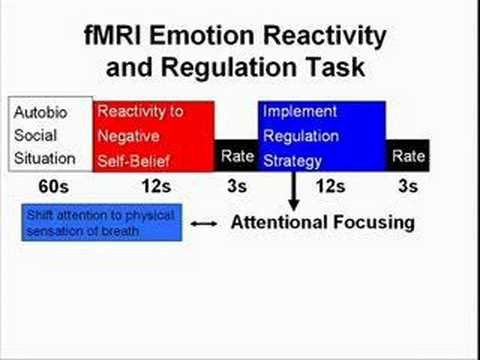
Kevin Lu posted on 2013/12/31Ever wondered how mindfulness meditation actually changes your brain? This fascinating talk from Stanford dives into the cognitive neuroscience behind it, explaining how practices like MBSR can help with social anxiety and attention regulation. You'll pick up some advanced vocabulary related to clinical intervention and neuroscience, making it a great way to boost your knowledge and language skills!
Learn this video on the APP!
The VoiceTube App has more in-depth practice for videos!