
actual
US /ˈæktʃuəl/
UK /ˈæktʃuəl/
- Adjective
- Real or existing in fact, not imagined; real
- Current; existing at the present time.
A2TOEICMoreas soon as
US /æz sun æz/
UK /æz su:n æz/
- Phrase
- In a short time after (something happens)
- Without any delay; immediately
- Conjunction
- At the moment that, or immediately after.
A1Moreat school
US
UK
- Phrase
- Present and attending school.
A1Moreat work
US /æt wɚk/
UK /æt wə:k/
- Phrase
- Located at one's place of employment
A1Moreattention
US /əˈtɛnʃən/
UK /əˈtenʃn/
- Noun (Countable/Uncountable)
- Taking notice of someone or something
- Noun
- (Soldiers) Standing with straight backs
A2TOEICMorebased on
US
UK
- Phrasal Verb
- To use something as the foundation or starting point for something else.
- Preposition
- Using something as the main idea or foundation.
- Relying on something as evidence or justification.
A1Morebear with me
US
UK
- Phrasal Verb
- Be patient with me.
A2Morebracket
US /ˈbrækɪt/
UK /ˈbrækɪt/
- Noun (Countable/Uncountable)
- Placement of a word or words within ( ) [ or ]
- Category including a range of people/things
- Transitive Verb
- To place a word or words within ( ) [ or ]
- To put into the same category or range together
B2Moreby itself
US /baɪ ɪtˈsɛlf/
UK /bai itˈself/
- Adverb
- Alone; without help or assistance.
- Without any external influence or aid.
A2Moreclause
US /klɔz/
UK /klɔ:z/
- Noun
- Part of a sentence that has its own verb
- Specific term or demand in a legal agreement
B1Morecome back
US /kʌm bæk/
UK /kʌm bæk/
- Phrasal Verb
- To reply to someone, often forcefully
- To be remembered
A1Morecomma
US /ˈkɑ:mə/
UK /ˈkɒmə/
- Noun
- Mark showing a pause or list in a sentence
B2Moreconclusion
US /kənˈkluʒən/
UK /kənˈklu:ʒn/
- Noun
- End of something; finish
- Judgment or opinion after thinking for a while
A2Morecontrast
US /ˈkɑ:ntræst/
UK /'kɒntrɑ:st/
- Verb (Transitive/Intransitive)
- To compare; to show clear, obvious differences
- Noun (Countable/Uncountable)
- Comparison that shows obvious differences
- Difference in light and dark in photos, etc.
A2Morecorrect
US /kəˈrɛkt/
UK /kə'rekt/
- Adjective
- Being suitable and appropriate for an occasion
- True or accurate
- Transitive Verb
- To fix a problem
- To write marks on a piece of work to show mistakes
A2Moredirect
US /dɪˈrɛkt, daɪ-/
UK /də'rekt/
- Transitive Verb
- To tell someone in a very clear way to do something
- To show the way by conducting or leading
- Adverb
- Coming straight from something
A2TOEICMoredorm
US /dɔrm/
UK /dɔ:m/
- Countable Noun
- College building with rooms that students live in
B2Morefor example
US
UK
- Phrase
- As an illustration or instance.
formal
US / ˈfɔrməl/
UK /'fɔ:ml/
- Adjective
- Observing rules and procedures strictly
- Behaving well, politely; wearing your best clothes
A2TOEICMorefunction
US /ˈfʌŋkʃən/
UK /'fʌŋkʃn/
- Noun
- Social event, or party such as a wedding
- Mathematical operation used in calculations
- Intransitive Verb
- To serve a certain purpose or role
- To be operating, working or achieving its purpose
A2TOEICMorego out
US /ɡo aʊt/
UK /ɡəu aut/
- Phrase
- To leave a building (e.g. a house)
- Phrasal Verb
- (Of a fire) to burn out; be extinguished
- Go out of fashion to stop being fashionable
A1Morego straight
US /ɡo stret/
UK /ɡəu streit/
- Intransitive Verb
- To continue in the same direction without turning.
- To start living an honest and law-abiding life.
A1Morego together
US
UK
- Phrasal Verb
- To match well; to be harmonious or aesthetically pleasing.
- To date; to be in a romantic relationship.
A1Moregrammar
US /ˈɡræmɚ/
UK /ˈgræmə(r)/
- Uncountable Noun
- Book describing the syntactic rules of a language
- Rules explaining how words are used in a language
B1Moregrammatical
US /ɡrəˈmætɪkəl/
UK /grəˈmætɪkl/
- Adjective
- Conforming to the rules of syntax
B1Morehave to
US /hæv tu/
UK /ˈhæv tə/
- Auxiliary Verb
- Must do
A1Morehypothetical
US /ˌhaɪpəˈθɛtɪkəl/
UK /ˌhaɪpəˈθetɪkl/
- Adjective
- Thought up, as an example; not being a real case
- Of the nature of a hypothesis; conjectural; provisional.
- Noun
- A hypothetical example or case.
- A hypothetical situation or scenario.
B2Morein mind
US /ɪn maɪnd/
UK /in maind/
- Phrase
- Being aware of or considering something.
- To remember or consider something.
A2Morein order to
US /ɪn ˈɔrdɚ tu/
UK /in ˈɔ:də tu:/
- Preposition
- For the purpose of; with the aim of.
- Phrase
- In a specific sequence or arrangement.
- With the aim of; for the purpose of.
C1Morein terms of
US
UK
- Phrase
- With regard to; concerning a particular aspect.
A1Morein the past
US
UK
- Phrase
- During a former period of time; previously.
A1Morein writing
US
UK
- Phrase
- Expressed or presented in written form, rather than spoken.
- Officially recorded in a written document, especially for legal purposes.
A1Moreindirect
US /ˌɪndɪˈrɛkt, -daɪ-/
UK /ˌɪndəˈrekt/
- Adjective
- Being not directly connected to or caused by
- Having a path that is not straight or direct
B1Moreinformal
US /ɪnˈfɔrməl/
UK /inˈfɔ:məl/
- Adjective
- Casual; relaxed
- Not official; not done by the rules
B1TOEICMorelook at
US /lʊk æt/
UK /luk æt/
- Phrasal Verb
- To use your eyes to focus on something
- To focus your eyes on something carefully
A1Moremix up
US /mɪks ʌp/
UK /miks ʌp/
- Phrasal Verb
- To put various things together so they become one
- To cause things to become confused
- Verb (Transitive/Intransitive)
- To confuse (two or more things or people).
- To stir or agitate something.
A1Morenative
US /ˈnetɪv/
UK /ˈneɪtɪv/
- Noun (Countable/Uncountable)
- Someone from or born in a specific country
- Original inhabitant, e.g. before others
- Adjective
- Caused by natural ability; innate
A2Moreof course
US /ʌv kɔː(r)s/
UK /ɔv kɔː(r)s/
- Adverb
- Sure ; Certainly
- Phrase
- For sure; certainly
A2Moreon the other hand
US
UK
- Phrase
- Considering a different aspect of the matter; alternatively.
A1Moreparaphrase
US /ˈpærəˌfrez/
UK /ˈpærəfreɪz/
- Noun
- Summary of another person's words
B2Morepick it up
US
UK
- Phrasal Verb
- To lift something from a surface.
- To collect something or someone.
A2Morepromotion
US /prəˈmoʃən/
UK /prə'məʊʃn/
- Noun (Countable/Uncountable)
- Act of advertising a product to people
- Movement to a higher position or rank in a company
A2Morequiz
US /kwɪz/
UK /kwɪz/
- Noun (Countable/Uncountable)
- A game in which players answer questions on topics
- Brief spoken or written test, given to students
- Transitive Verb
- To ask a person many questions about something
B1Morequotation
US /kwoˈteʃən/
UK /kwəʊ'teɪʃn/
- Noun (Countable/Uncountable)
- Written statement of the cost of something
- Words that a person has said or written
B1TOEICMorerule
US /ruːl/
UK /ruːl/
- Noun (Countable/Uncountable)
- Something that is normal and usually happens
- Governmental control or power over a region
- Verb (Transitive/Intransitive)
- To decide legally, especially in court
- To have control or influence
A2TOEICMoreslight
US /slaɪt/
UK /slaɪt/
- Adjective
- Small (amount, quality)
- Appearing thin, delicate and physically weak
- Transitive Verb
- To ignore or treat rudely and with no respect
B1Morespeech
US /spitʃ/
UK /spi:tʃ/
- Uncountable Noun
- A formal talk to an audience
- Expression of ideas or opinions by talking
A2TOEICMorestructure
US /ˈstrʌk.tʃɚ/
UK /ˈstrʌk.tʃə/
- Noun (Countable/Uncountable)
- The way in which the parts of a system or object are arranged or organized, or a system arranged in this way
- A building or other man-made object.
- Transitive Verb
- To plan, organize, or arrange the parts of something
A2TOEICMoretalking about
US
UK
- Phrasal Verb
- To discuss a particular topic.
- To be constantly mentioning or bringing up a subject.
A1Moretechnically
US /ˈtɛknɪkl:ɪ/
UK /ˈteknɪkli/
- Adverb
- In an exact and particular manner
- With technical skill or expertise.
A2Moretense
US /tɛns/
UK /tens/
- Noun
- The use of grammar to state the time things happen
- Adjective
- Unable to relax; feeling nervous or stressed
- Stretched tight and stiff
A2TOEICMorethink of
US /θɪŋk ʌv/
UK /θiŋk ɔv/
- Phrasal Verb
- To look on as (being something specific); consider
- To consider or remember something.
- Verb (Transitive/Intransitive)
- To imagine or call something to mind
A1Moretoefl
US /ˈtofəl/
UK /ˈtəʊfəl/
- Proper Noun
- Test Of English as a Foreign Language
B1Moreup top
US
UK
- Adverb
- In or at the highest position or location.
- Interjection
- A gesture involving raising a hand for a high-five, often used as a greeting or congratulatory signal.
B2Moreusage
US /ˈjusɪdʒ, -zɪdʒ/
UK /ˈju:sɪdʒ/
- Noun (Countable/Uncountable)
- Amount something is used
- Way something is actually used
B2Morewith a will
US /wɪð ə wɪl/
UK /wɪð ə wɪl/
- other
- With energetic and enthusiastic effort.
B2Moreword up
US /wɚd ʌp/
UK /wə:d ʌp/
- Interjection
- An expression of agreement or acknowledgement.
- A greeting, often used informally.
A1More
Vocabulary
- talking about: To discuss a particular topic.
- at school: Present and attending school.
- in the past: During a former period of time; previously.
- in order to: For the purpose of; with the aim of.
- look at: To use your eyes to focus on something
- have to: Must do
- go out: To leave a building (e.g. a house)
- in writing: Expressed or presented in written form, rather than spoken.
- on the other hand : Considering a different aspect of the matter; alternatively.
- for example: As an illustration or instance.
- mix up: To put various things together so they become one
- in mind: Being aware of or considering something.
- think of: To look on as (being something specific); consider
- based on: To use something as the foundation or starting point for something else.
- as soon as: In a short time after (something happens)
- go straight: To continue in the same direction without turning.
- bear with me: Be patient with me.
- with a will: With energetic and enthusiastic effort.
- at work: Located at one's place of employment
- go together: To match well; to be harmonious or aesthetically pleasing.
- pick it up: To lift something from a surface.
- word up: An expression of agreement or acknowledgement.
- by itself: Alone; without help or assistance.
- in terms of
- of course: Sure ; Certainly
- up top: In or at the highest position or location.
- come back: To reply to someone, often forcefully
- situation: Place, position or area that something is in
- native: Someone from or born in a specific country
- structure: The way in which the parts of a system or object are arranged or organized, or a system arranged in this way
- express: To send something by fast mail
- hypothetical: Thought up, as an example; not being a real case
- sentence: (Of a judge) to decide the punishment of
- bit: Device put in a horse's mouth to control it
- function: Social event, or party such as a wedding
- mean: Average of a set of numbers
- tense: The use of grammar to state the time things happen
- direct: To tell someone in a very clear way to do something
- contrast: To compare; to show clear, obvious differences
- grammar: Book describing the syntactic rules of a language
- attention: Taking notice of someone or something
- conclusion: End of something; finish
- complete: To finish or reach the end of doing something
- introduce: To open an essay to set the scene
- technically: In an exact and particular manner
- reason: To think and make conclusions in a logical manner
- actual: Real or existing in fact, not imagined; real
- quiz: A game in which players answer questions on topics
- formal: Observing rules and procedures strictly
- correct: Being suitable and appropriate for an occasion
- slight: Small (amount, quality)
- informal: Casual; relaxed
- important: Having power or authority
- promotion: Act of advertising a product to people
- order: Religious or social group, as of nuns
- paraphrase: Summary of another person's words
- fact: Something that is known or proved to be true
- usage: Amount something is used
- clause: Part of a sentence that has its own verb
- chance: The way something happens without planning
- speech: A formal talk to an audience
- pick: Sharp tool used for breaking the ground
- verb: Word that expresses an action or state
- perfect: So good it cannot be improved
- rule: Something that is normal and usually happens
- dorm: College building with rooms that students live in
- grammatical: Conforming to the rules of syntax
- bracket: Placement of a word or words within ( ) [ or ]
- indirect: Being not directly connected to or caused by
- comma: Mark showing a pause or list in a sentence
- quotation: Written statement of the cost of something
- toefl: Test Of English as a Foreign Language
Get the full experience in the app
Learn anywhere with detailed sentence and usage analysis
01:03
She took a brave step forward, leaving behind her comfort zone to chase her dreams.
Vocabulary
- brave
adj. Having courage
- comfort zone
phr. A familiar situation where one feels safe
Explanation
a brave step is a noun phrase, where brave is an adjective modifying the noun step, meaning "a courageous step".
forward is an adverb modifying step, meaning "ahead".
The whole phrase serves as the object, answering the "what" of took (verb) — she took a brave step forward.
Get the full experience in the app
Look up words anytime with pronunciation, part of speech, and usage
brave
US/brev/
UK/breɪv/
adj.Brave
v.t.To bravely face
A2 Elementary
Get the full experience in the app
Practice speaking anytime and get instant pronunciation feedback
Try this speaking exercise.
Try practicing with this sentence.
80
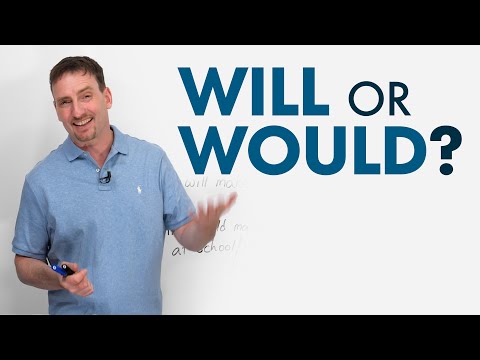
Essential English Grammar: WILL or WOULD?
0
林宜悉 posted on 2025/07/24Ever get confused between 'will' and 'would'? This video breaks down these tricky grammar points, showing you how to use them correctly in everyday conversations and even in workplace scenarios! You'll pick up essential grammar skills and avoid common mistakes, making your spoken English sound much more natural.
Learn this video on the APP!
The VoiceTube App has more in-depth practice for videos!