paraphrase
US /ˈpærəˌfrez/
・UK /ˈpærəfreɪz/
B2
n.NounSummary of another person's words
These notes are a paraphrase of the speech
Video subtitles
How to Get Good at Small Talk, and Even Enjoy It

- Paraphrase isn't what a five-year-old does who parrots back what you've said.
Paraphrase isn't what a five-year-old does who parrots back what you've said.
- And when you paraphrase it, you do several things.
And when you paraphrase it, you do several things.
How To Check For Students Understanding In English Asking Questions To Check Understanding New Video
- I will paraphrase that for you.
I will paraphrase that for you.
- I will paraphrase that for you.
I will paraphrase that for you.
NEVER TOO SMALL: Japanese Inspired Sydney Terrace House, 47sqm/506sqft

- There's a saying we like to paraphrase at Trias, which is that the greenest building is the one that already exists.
There's a saying we like to paraphrase at Trias, which is that the greenest building is the one that already exists.
- There's a saying we like to paraphrase at Trias, which is that the greenest building is the one that already exists.
There's a saying we like to paraphrase at Trias, which is that the greenest building is the one that already exists.
25 Life-Changing Phrases: Say THIS When You DON’T Understand!

- You can also ask someone to paraphrase something.
You can also ask someone to paraphrase something.
- Can you paraphrase it for us?
Can you paraphrase it for us?
IELTS Speaking Band 9 Full Mark Answers - Complete Interview Kolkata India

- Jaleel cleverly paraphrases many of the key words in the examiner's questions. When the examiner asks about what she does in her free time she responds by saying that in my spare time. This is showing the examiner that band nine level lexical resource. To get those high band scores during your speaking interview you have to paraphrase often. This not only shows lexical resource but also improves the coherence of your answers making your answers more understandable for the listener. In fact coherence is also improved by Jaleel's ability to connect among her responses. When the examiner asks her about where her parents live she makes the connection by saying as I had mentioned earlier I live in the same house as my parents. It's this type of connective information that really leads to that expert level of communication. Now many of you probably realized that Jaleel uses frequent natural fillers during her speech. Natural fillers are sound expressions like um and um and she even breaks her eye contact kind of looking away or looking down. This is called mental referencing meaning that she's looking inside of her mind to think about good ideas and information to say to the examiner. She is not stuck for vocabulary or for grammar. This is clear. So in this case the ahs and ums in Jaleel's speech do not take away from her overall performance. In fact they improve it because the quality of her answers are that much better. Another very important skill that Jaleel adapts for part one is her visual speech.
Jaleel cleverly paraphrases many of the key words in the examiner's questions. When the examiner asks about what she does in her free time she responds by saying that in my spare time. This is showing the examiner that band nine level lexical resource. To get those high band scores during your speaking interview you have to paraphrase often. This not only shows lexical resource but also improves the coherence of your answers making your answers more understandable for the listener. In fact coherence is also improved by Jaleel's ability to connect among her responses. When the examiner asks her about where her parents live she makes the connection by saying as I had mentioned earlier I live in the same house as my parents. It's this type of connective information that really leads to that expert level of communication. Now many of you probably realized that Jaleel uses frequent natural fillers during her speech. Natural fillers are sound expressions like um and um and she even breaks her eye contact kind of looking away or looking down. This is called mental referencing meaning that she's looking inside of her mind to think about good ideas and information to say to the examiner. She is not stuck for vocabulary or for grammar. This is clear. So in this case the ahs and ums in Jaleel's speech do not take away from her overall performance. In fact they improve it because the quality of her answers are that much better. Another very important skill that Jaleel adapts for part one is her visual speech.
- When the examiner asks her whether or not it's possible to truly evaluate a person based on first impressions, Jaleel responds by saying that she doesn't believe it's accurate to gauge a person upon first interactions. It's this high level of methodical paraphrase speech that gets those perfect scores. Jaleel is incredibly clever in the sense that she keeps her thoughts simple yet original. When the examiner asks her about how first interactions have changed from the past, immediately Jaleel remembers that technology has a significant impact on people when compared to the past. She paraphrases and emphasizes that technology has had a bigger impact on first hookups than before. And then she even gives the examples of Tinder and Instagram. It's this type of clear communication that gets those high band scores. You have to be careful not to use very unique and outlandish ideas which are difficult to express. In fact, Jaleel does a fantastic job of connecting her part three answers not only to part two but even to part one. When the examiner asks about why it's important to network with people in the community, she remembers talking about her parents in part one and she gives the example of her family having a good relationship with the people in their neighborhood and this leading to some help for her father when he had car troubles. This type of connected coherent communication is sure to get you that perfect score. To get new IELTS materials every week and for strategies, videos, visit and join our premium
When the examiner asks her whether or not it's possible to truly evaluate a person based on first impressions, Jaleel responds by saying that she doesn't believe it's accurate to gauge a person upon first interactions. It's this high level of methodical paraphrase speech that gets those perfect scores. Jaleel is incredibly clever in the sense that she keeps her thoughts simple yet original. When the examiner asks her about how first interactions have changed from the past, immediately Jaleel remembers that technology has a significant impact on people when compared to the past. She paraphrases and emphasizes that technology has had a bigger impact on first hookups than before. And then she even gives the examples of Tinder and Instagram. It's this type of clear communication that gets those high band scores. You have to be careful not to use very unique and outlandish ideas which are difficult to express. In fact, Jaleel does a fantastic job of connecting her part three answers not only to part two but even to part one. When the examiner asks about why it's important to network with people in the community, she remembers talking about her parents in part one and she gives the example of her family having a good relationship with the people in their neighborhood and this leading to some help for her father when he had car troubles. This type of connected coherent communication is sure to get you that perfect score. To get new IELTS materials every week and for strategies, videos, visit and join our premium
IELTS Speaking test band score 9 with feedback 2022
- I could see you could just easily paraphrase any word and have the same meaning and use different words just to connect all those, uh, different vocabulary together.
I could see you could just easily paraphrase any word and have the same meaning and use different words just to connect all those, uh, different vocabulary together.
- I could see you could just easily paraphrase any word and have the same meaning and use different words just to connect all those, uh, different vocabulary together.
I could see you could just easily paraphrase any word and have the same meaning and use different words just to connect all those, uh, different vocabulary together.
IELTS Writing Task 1: How to describe a process

- It's very important that you paraphrase, that you use your own words in your first sentence.
It's very important that you paraphrase, that you use your own words in your first sentence.
- Okay? It's very important that you paraphrase, that you use your own words in your first sentence.
Okay? It's very important that you paraphrase, that you use your own words in your first sentence.
Japan vs America: Safety

- and I'm going to paraphrase what he said because his English wasn't very good so I can't repeat it exactly,
and I'm going to paraphrase what he said because his English wasn't very good so I can't repeat it exactly,
- a Japanese guy shouted out from behind me (and I'm gonna paraphrase what he said because
a Japanese guy shouted out from behind me (and I'm gonna paraphrase what he said because
Susan McConnell (Stanford): Designing effective scientific presentations
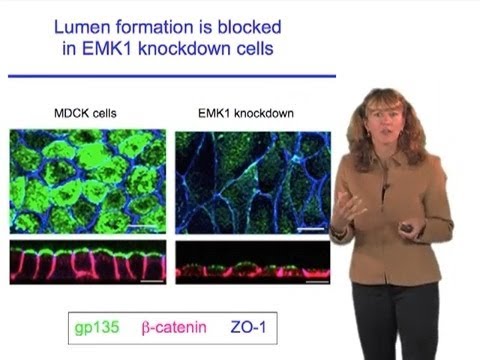
- What I recommend you do if you do include a quotation is, rather than read it word by word, instead sort of paraphrase it as you're going along.
What I recommend you do if you do include a quotation is, rather than read it word by word, instead sort of paraphrase it as you're going along.
- and that will preclude them from paying attention to what you're saying." So you can paraphrase a quote,
and that will preclude them from paying attention to what you're saying." So you can paraphrase a quote,
IELTS A.Writing task 1: TIPS for the PLAN- english video
- Please remember that because lots of my students have the tendency to make this task a little bit more difficult than it actually is, so in your first paragraph, which is your introduction, all you need to do is to just paraphrase the topic, that is, use your own words in order to say the same thing, uh, by stating the main points.
Please remember that because lots of my students have the tendency to make this task a little bit more difficult than it actually is, so in your first paragraph, which is your introduction, all you need to do is to just paraphrase the topic, that is, use your own words in order to say the same thing, uh, by stating the main points.
- all you need to do is to just paraphrase the topic, that is, use your own words in order
all you need to do is to just paraphrase the topic, that is, use your own words in order