comma
US /ˈkɑ:mə/
・UK /ˈkɒmə/
B2
n.NounMark showing a pause or list in a sentence
You should put a comma after each word in a list
Video subtitles
BOX SET: English In A Minute 6 – TEN English lessons in 10 minutes!
- We can swap the two clauses around, but notice the comma goes away.
We can swap the two clauses around, but notice the comma goes away.
- We can swap the two clauses around, but notice the comma goes away.
We can swap the two clauses around, but notice the comma goes away.
BOX SET: English In A Minute 5 – TEN English lessons in 10 minutes!
- Don't forget to put the comma in after the 'if' clause. Bye for now.
Don't forget to put the comma in after the 'if' clause. Bye for now.
Essential English Grammar: WILL or WOULD?
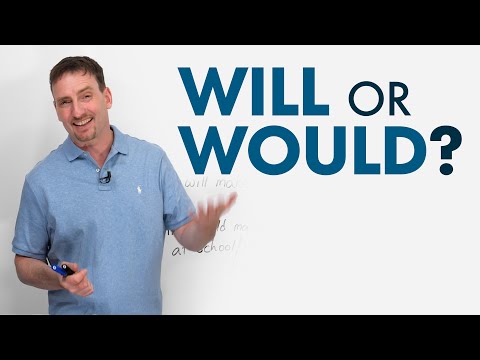
- "If he went out, he would make new friends." Or: "He would make new friends at school, comma,
"If he went out, he would make new friends." Or: "He would make new friends at school, comma,
- Or, he would make new friends at school, comma, but he doesn't go out much.
Or, he would make new friends at school, comma, but he doesn't go out much.
Good Drawing - 10 Minutes To Better Painting - Episode 10
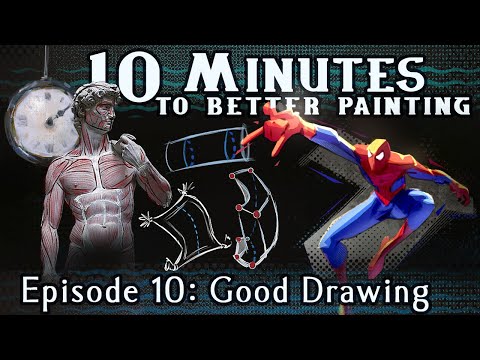
- There's this kind of comma shape happening.
There's this kind of comma shape happening.
- There's this kind of comma shape happening.
There's this kind of comma shape happening.
How to Use Subordinating Conjunctions for Better English
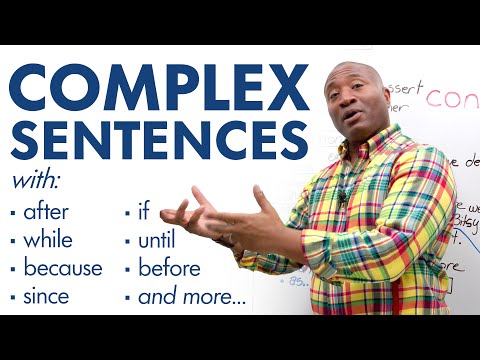
- If you have a subordinating conjunction at the beginning of a sentence, you have to use a comma to let people know that this is not the important information, this is the additional or extra information, and the special information is at the end of the sentence.
If you have a subordinating conjunction at the beginning of a sentence, you have to use a comma to let people know that this is not the important information, this is the additional or extra information, and the special information is at the end of the sentence.
- So, whenever you see a comma and one of these coordinate, sorry, subordinating conjunctions at the front, you'll know that this is the extra information, and the real information is here.
So, whenever you see a comma and one of these coordinate, sorry, subordinating conjunctions at the front, you'll know that this is the extra information, and the real information is here.
Learn English Grammar: The Adjective Clause (Relative Clause)

- Now, one of the biggest questions about adjective clauses is: do I use a comma, or do I not use a comma?
Now, one of the biggest questions about adjective clauses is: do I use a comma, or do I not use a comma?
- For defining adjective clauses, no comma.
For defining adjective clauses, no comma.
IELTS VOCABULARY – Task 1

- Jake, and Katy. They are 5, 10, and 7 years old, respectively." Put a comma before the
Jake, and Katy. They are 5, 10, and 7 years old, respectively." Put a comma before the
- Put a comma before the word "respectively".
Put a comma before the word "respectively".
Improve Your Writing - 6 ways to compare
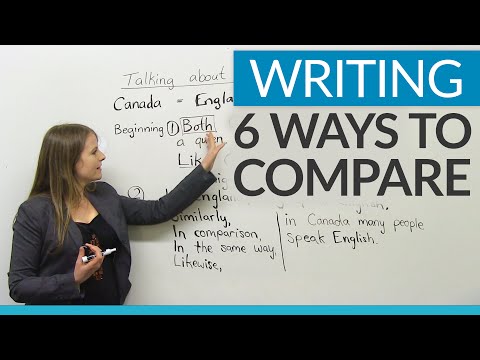
- But you'll notice one of the differences here is these are followed by a comma. "Likewise,
But you'll notice one of the differences here is these are followed by a comma. "Likewise,
- comma." And then, we have the rest of the sentence. These go at the beginning of the
comma." And then, we have the rest of the sentence. These go at the beginning of the
Learn English Grammar: Reported Speech / Indirect Speech
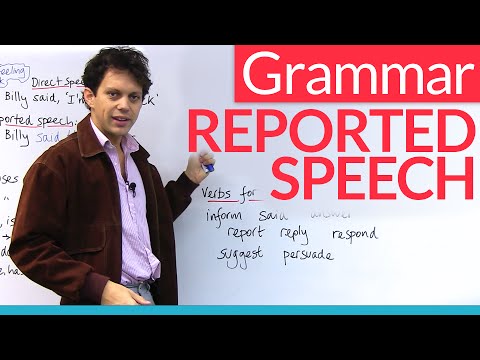
- I would write it like this: Billy said -- with a little comma -- "I'm feeling sick." -- end
I would write it like this: Billy said -- with a little comma -- "I'm feeling sick." -- end
- I would write it like this: "Billy said", with a little comma, "I'm feeling sick." End of quotation marks.
I would write it like this: "Billy said", with a little comma, "I'm feeling sick." End of quotation marks.
Wait, I'm the Bride?! | Gumball - The Shippening | Cartoon Network

- Wait, shouldn't there be a comma before Bobbert?
Wait, shouldn't there be a comma before Bobbert?
- Wait, shouldn't there be a comma before Bobbert?
Wait, shouldn't there be a comma before Bobbert?