
accumulate
US /əˈkjumjəˌlet/
UK /əˈkju:mjəleɪt/
- Verb (Transitive/Intransitive)
- To gather or acquire so that you have more of it
C2Moreacne
US /ˈækni/
UK /ˈækni/
- Uncountable Noun
- Red spots or pimples on your face
B2Moreadmit
US /ædˈmɪt/
UK /əd'mɪt/
- Transitive Verb
- To acknowledge that something is true or right
- To allow someone to enter
A2TOEICMoreaffect
US /əˈfɛkt/
UK /ə'fekt/
- Transitive Verb
- To cause a change in something else
- To pretend to have or feel (something).
- Noun
- (Psychology) Emotion or feeling.
A2TOEICMoreback to normal
US
UK
- Adjective
- Returned to the usual or expected state or condition.
- Phrase
- In the usual or ordinary way; as things were before.
A2Moreban
US /bæn/
UK /bæn/
- Transitive Verb
- To make something illegal or not allowed
- To prohibit someone from participating in a particular online community or game.
- Noun (Countable/Uncountable)
- Official action preventing something happening
- A prohibition from participating in a particular online community or game.
B1Morechemical
US /ˈkɛmɪkəl/
UK /ˈkemɪkl/
- Noun (Countable/Uncountable)
- Basic substance produced by mixing elements
- The branch of science concerned with the substances of which matter is composed, the investigation of their properties and reactions, and the use of such reactions to form new substances.
- Adjective
- Made of various elements
A2Morechemically
US /'kemɪklɪ/
UK /'kemɪklɪ/
- Adverb
- By means of a chemical process
B1Moreconsume
US /kənˈsum/
UK /kən'sju:m/
- Transitive Verb
- To eat, drink, buy or use up something
- To take all your energy; focus the attention
A2TOEICMoredeal with
US /dil wɪð/
UK /di:l wið/
- Verb (Transitive/Intransitive)
- To buy or sell goods or services.
- Phrasal Verb
- To take action to solve a problem or manage a situation.
- To be about; concern.
A1Moredysfunction
US /dɪsˈfʌŋkʃən/
UK /dɪs'fʌŋkʃn/
- Noun (Countable/Uncountable)
- Failure to act as expected, as in a social context
- Impairment of normal physiological function.
B2Moreenergy
US /ˈɛnədʒi/
UK /'enədʒɪ/
- Noun (Countable/Uncountable)
- Physical or mental strength
- Enthusiasm and determination.
A2Moreenhance
US /ɛnˈhæns/
UK /ɪn'hɑ:ns/
- Transitive Verb
- To improve; make bigger or better
B1TOEICMoreexistential
US /ˌɛɡzɪˈstɛnʃəl, ˌɛksɪ-/
UK /ˌegzɪˈstenʃəl/
- Adjective
- Philosophy concerning existence
B2Moreextremely
US /ɪk'strimlɪ/
UK /ɪkˈstri:mli/
- Adverb
- In a way that is much more than usual or expected
- Remarkably; unusually.
B1Morefatigue
US /fəˈtiɡ/
UK /fəˈti:g/
- Uncountable Noun
- Breaking due to being moved or bent many times
- Being very tired
- Transitive Verb
- To cause someone or something to become very tired
B2Morefollicle
US /ˈfɑlɪkəl/
UK /ˈfɒlɪkl/
- Noun
- Small spherical group of cells containing a cavity
C1Moreget back to
US /ɡɛt bæk tu/
UK /ɡet bæk tu:/
- Phrasal Verb
- To get in contact with someone again
- To return to someone or something; to respond at a later time.
A1Morego away
US /ɡo əˈwe/
UK /ɡəu əˈwei/
- Phrasal Verb
- To go on vacation
- To leave; depart.
A1Moregym
US /dʒɪm/
UK /dʒɪm/
- Noun (Countable/Uncountable)
- Physical education taught as a class in school
- Building used for physical activities or sports
C2Morehave to
US /hæv tu/
UK /ˈhæv tə/
- Auxiliary Verb
- Must do
A1Morehormone
US /ˈhɔrˌmon/
UK /'hɔ:məʊn/
- Noun
- Chemical produced by the body to control functions
B2Morehypothalamus
US /ˌhaɪpoˈθæləməs/
UK /ˌhaɪpəˈθæləməs/
- Noun
- Basal part of the diencephalon governing autonomic nervous system
C1Moreimmune
US /ɪˈmjoon/
UK /ɪˈmju:n/
- Adjective
- Having a special protection from, e.g. the law
- Protected against a particular disease or condition because of antibodies or vaccination.
B1Morein order to
US /ɪn ˈɔrdɚ tu/
UK /in ˈɔ:də tu:/
- Preposition
- For the purpose of; with the aim of.
- Phrase
- In a specific sequence or arrangement.
- With the aim of; for the purpose of.
C1Morein the first place
US
UK
- Phrase
- To begin with; as the first point or consideration.
- From the beginning; initially.
A1Moreinflammation
US /ˌɪnfləˈmeʃən/
UK /ˌɪnfləˈmeɪʃn/
- Noun (Countable/Uncountable)
- Painful swelling in the body due to illness
- A condition in which a part of the body becomes reddened, swollen, hot, and often painful, especially as a reaction to injury or infection.
B2Morekidney
US /ˈkɪdni/
UK /'kɪdnɪ/
- Noun (Countable/Uncountable)
- Body organ that cleans blood, producing urine
- An animal kidney used as food.
- Adjective
- Relating to the kidneys.
- Having the shape of a kidney; bean-shaped.
B2Morelack
US /læk/
UK /læk/
- Verb (Transitive/Intransitive)
- To not have, or not have enough, of something
- Uncountable Noun
- The state of not having or not having enough of
A2TOEICMoremaintain
US /menˈten/
UK /meɪn'teɪn/
- Transitive Verb
- To keep saying something a certain way
- To keep (machine) working by checking, repairing
A2TOEICMoremimic
US /ˈmɪmɪk/
UK /'mɪmɪk/
- Countable Noun
- Someone who tries to act like another person
- Transitive Verb
- To copy a person's words/actions to amuse people
B2Moremuscle aches
US
UK
- Noun
- Pain in the muscles.
B2Morenegative
US /ˈnɛɡətɪv/
UK /'neɡətɪv/
- Noun
- The opposite to a positive electrical charge
- In grammar, containing words such as 'no' or 'not'
- Adjective
- Being harmful, unwanted or unhelpful
- In mathematics, being less than zero
A2Morenoticeably
US /ˈnotɪsəblɪ/
UK /'nəʊtɪsəblɪ/
- Adverb
- Being easy or likely to be sensed or noticed
B1Moreoxygen
US /ˈɑksɪdʒən/
UK /'ɒksɪdʒən/
- Uncountable Noun
- A gas in the air that we need to breathe
- Oxygen administered as a medical treatment.
B1Morepromote
US /prəˈmoʊt/
UK /prəˈməʊt/
- Transitive Verb
- To try to encourage popularity/sales of a product
- To move someone to a higher position or rank
A2TOEICMoreproxy
US /ˈprɑksi/
UK /'prɒksɪ/
- Noun
- Person authorized to act for another
B2TOEICMorequality
US /ˈkwɑlɪti/
UK /'kwɒlətɪ/
- Noun (Countable/Uncountable)
- Feature associated with someone or something
- High level of worth or excellence
- Adjective
- Of a high standard
A2TOEICMorequit
US /kwɪt/
UK /kwɪt/
- Verb (Transitive/Intransitive)
- To leave a job
- To leave a place
- Intransitive Verb
- To leave a school etc. without finishing
B1Morereduce
US /rɪˈdus, -ˈdjus/
UK /rɪ'dju:s/
- Verb (Transitive/Intransitive)
- To try to decrease, e.g. your weight if overweight
- To boil a liquid until it has decreased in amount
A2TOEICMorerelease
US /rɪ'li:s/
UK /rɪ'li:s/
- Transitive Verb
- To free someone from a responsibility or burden
- To allow a film, music etc. to be sold/distributed
- Noun
- Act of freeing someone from a duty or burden
- Introduction of a new product, film, book, etc.
A2TOEICMorerely
US /rɪˈlaɪ/
UK /rɪ'laɪ/
- Intransitive Verb
- Depend on with full trust or confidence
- To trust or have confidence in someone.
B2TOEICMorescientific
US /ˌsaɪənˈtɪfɪk/
UK /ˌsaɪənˈtɪfɪk/
- Adjective
- Concerning academic study of the physical world
- Systematic and precise, following a methodology.
- Noun
- Relating to or used in science.
A2Moreshrink
US /ʃrɪŋk/
UK /ʃrɪŋk/
- Intransitive Verb
- To become smaller
- Noun
- A rude name for a psychiatrist
B1Moresperm
US /spə:m/
UK /spɜ:m/
- Noun (Countable/Uncountable)
- Cell produced by men and needed for reproduction
C2Moresteroid
US /ˈstɪrˌɔɪd, ˈstɛr-/
UK /ˈsterɔɪd/
- Noun
- Drug making muscles bigger and giving more energy
B2Morestimulate
US /ˈstɪmjəˌlet/
UK /'stɪmjʊleɪt/
- Transitive Verb
- To arouse or excite emotionally
B1Morestrain
US /stren/
UK /streɪn/
- Transitive Verb
- To remove the water from (food) using a colander
- To injure a muscle, leg etc. by using it too much
- Noun (Countable/Uncountable)
- Injury to a muscle, leg etc. through overuse
- Type or variation of a disease or bacillus
B2Moresubscribe
US /səbˈskraɪb/
UK /səb'skraɪb/
- Verb (Transitive/Intransitive)
- To regularly pay to receive a service
B1TOEICMoresuicidal
US /ˌsuɪˈsaɪdl/
UK /ˌsu:ɪˈsaɪdl/
- Adjective
- Feeling you may kill yourself; depressed
- Dangerous to yourself or your interests
B2Moresuicide
US /ˈsuɪˌsaɪd/
UK /'su:ɪsaɪd/
- Noun
- Act of purposely killing yourself
- Act that ruins a person's career, status etc.
B2Moresurvey
US /ˈsɜː(r)veɪ/
UK /'sɜ:veɪ/
- Noun (Countable/Uncountable)
- Broad view or general description of something
- Act of measuring land or property to make a map
- Transitive Verb
- To offer a broad view or general description
- To measure an area of land to make a map of it
A2TOEICMoretestosterone
US /tɛsˈtɑstəˌron/
UK /tesˈtɔstərəun/
- Uncountable Noun
- Natural chemical responsible for the male sex
- A steroid hormone that stimulates development of male secondary sexual characteristics, and is produced mainly in the testes, but also in the ovaries and adrenal cortex.
C1Moreto the point
US /tu ði pɔɪnt/
UK /tu: ðə pɔint/
- Adjective
- Expressing something directly and without unnecessary detail.
- Phrase
- Relevant and pertinent to the matter at hand.
A2Moretrend
US /trɛnd/
UK /trend/
- Noun (Countable/Uncountable)
- Current style or fashion
- General direction that is taken
- Intransitive Verb
- To be current and popular
- To move up or down
A2Moreversa
US /'vɜ:sə/
UK /'vɜ:sə/
- Adverb
- used to say that what you have just said is also true in the opposite order
C1Morevice
US /ˌvaɪ.sə/
UK /ˌvaɪs/
- Noun
- used as part of the title of particular positions. The person who holds one of these positions is next below in authority to the person who holds the full position and can act for them
- Noun (Countable/Uncountable)
- a moral fault or weakness in someone's character
- illegal and immoral activities, especially involving illegal sex, drugs, etc.
B2Morewithdrawal
US /wɪðˈdrɔəl, wɪθ-/
UK /wɪðˈdrɔ:əl/
- Noun (Countable/Uncountable)
- Action of pulling back or move away or backward
- Pain of coming off drugs
- Adjective
- Feeling pain and suffering when coming off drugs
B1More
Vocabulary
- muscle aches: Pain in the muscles.
- go away: To go on vacation
- to the point: Expressing something directly and without unnecessary detail.
- deal with
- back to normal: Returned to the usual or expected state or condition.
- get back to: To get in contact with someone again
- in order to: For the purpose of; with the aim of.
- in the first place: To begin with; as the first point or consideration.
- have to: Must do
- subscribe: To regularly pay to receive a service
- fatigue: Breaking due to being moved or bent many times
- immune: Having a special protection from, e.g. the law
- extremely: In a way that is much more than usual or expected
- improve: To make, or become, something better
- negative: The opposite to a positive electrical charge
- strain: To remove the water from (food) using a colander
- consume: To eat, drink, buy or use up something
- inflammation: Painful swelling in the body due to illness
- hormone: Chemical produced by the body to control functions
- admit: To acknowledge that something is true or right
- mimic: Someone who tries to act like another person
- quality: Feature associated with someone or something
- lack: To not have, or not have enough, of something
- stimulate: To arouse or excite emotionally
- shrink: To become smaller
- affect: To cause a change in something else
- maintain: To keep saying something a certain way
- vice: used as part of the title of particular positions. The person who holds one of these positions is next below in authority to the person who holds the full position and can act for them
- accumulate: To gather or acquire so that you have more of it
- release: To free someone from a responsibility or burden
- scientific: Concerning academic study of the physical world
- create: To make, cause, or bring into existence
- survey: Broad view or general description of something
- kidney: Body organ that cleans blood, producing urine
- oxygen: A gas in the air that we need to breathe
- reduce: To try to decrease, e.g. your weight if overweight
- enhance: To improve; make bigger or better
- rely: Depend on with full trust or confidence
- produce: Fresh foods such as fruits and vegetables
- energy: Physical or mental strength
- leave: To go away from; depart
- trend: Current style or fashion
- testosterone: Natural chemical responsible for the male sex
- acne: Red spots or pimples on your face
- promote: To try to encourage popularity/sales of a product
- suicide: Act of purposely killing yourself
- notice: To become aware by sight, touch, or hearing
- chemical: Basic substance produced by mixing elements
- withdrawal: Action of pulling back or move away or backward
- sperm: Cell produced by men and needed for reproduction
- existential: Philosophy concerning existence
- ban: To make something illegal or not allowed
- worse: Comparative of 'bad'; more bad
- versa: used to say that what you have just said is also true in the opposite order
- hypothalamus: Basal part of the diencephalon governing autonomic nervous system
- quit: To leave a job
- grow: To get bigger and more mature; make plants do this
- proxy: Person authorized to act for another
- start: First time or place that a thing exists; beginning
- finally: used especially at the beginning of a sentence to introduce the last point or idea
- disappear: To no longer see because it's not there any more
- dysfunction: Failure to act as expected, as in a social context
- people: Persons sharing culture, country, background, etc.
- gym: Physical education taught as a class in school
- follicle: Small spherical group of cells containing a cavity
- suicidal: Feeling you may kill yourself; depressed
- show: To be easily seen or displayed
- study: To focus on learning something usually at school
- move: To cause someone to have certain emotions
- steroid: Drug making muscles bigger and giving more energy
- apnea: Temporary stoppage of breathing
- chemically: By means of a chemical process
- noticeably: Being easy or likely to be sensed or noticed
Get the full experience in the app
Learn anywhere with detailed sentence and usage analysis
01:03
She took a brave step forward, leaving behind her comfort zone to chase her dreams.
Vocabulary
- brave
adj. Having courage
- comfort zone
phr. A familiar situation where one feels safe
Explanation
a brave step is a noun phrase, where brave is an adjective modifying the noun step, meaning "a courageous step".
forward is an adverb modifying step, meaning "ahead".
The whole phrase serves as the object, answering the "what" of took (verb) — she took a brave step forward.
Get the full experience in the app
Look up words anytime with pronunciation, part of speech, and usage
brave
US/brev/
UK/breɪv/
adj.Brave
v.t.To bravely face
A2 Elementary
Get the full experience in the app
Practice speaking anytime and get instant pronunciation feedback
Try this speaking exercise.
Try practicing with this sentence.
80
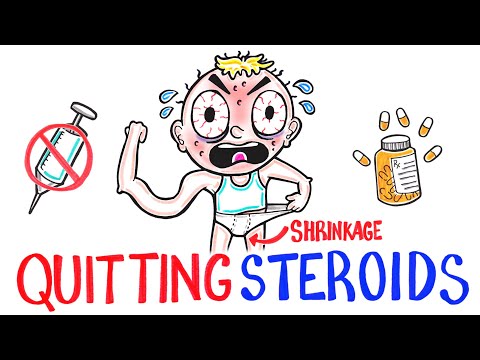
What Happens When You Quit Steroids?
0
林宜悉 posted on 2025/07/19Ever wondered what *really* happens to the body after quitting steroids? This video dives deep into the surprising effects, from hormone recovery to potential mood swings, and you'll pick up some seriously useful advanced vocabulary along the way!
Learn this video on the APP!
The VoiceTube App has more in-depth practice for videos!