follicle
US /ˈfɑlɪkəl/
・UK /ˈfɒlɪkl/
C1
n.NounSmall spherical group of cells containing a cavity
If you pull a hair and damage the follicle it grew from, it won't grow back
Video subtitles
Your Menstrual Cycle Is More Than Just Your Period

- We've also got the follicle-stimulating hormone, or FSH, and luteinizing hormone, or LH, both of which are made by the pituitary gland.
We've also got the follicle-stimulating hormone, or FSH, and luteinizing hormone, or LH, both of which are made by the pituitary gland.
- We've also got follicle-stimulating hormone, or FSH, and
We've also got follicle-stimulating hormone, or FSH, and
皮膚科医だけど質問ある?【PART2】 | Tech Support | WIRED Japan
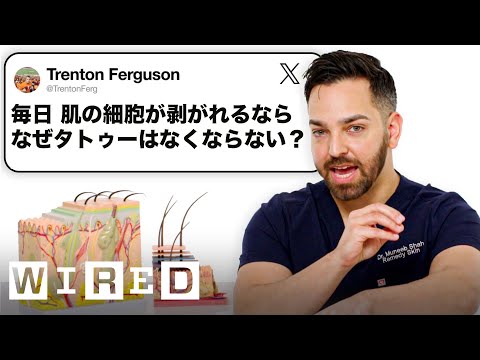
- So what you see here is actually a hair follicle and outside of that hair follicle, you're growing that hair.
So what you see here is actually a hair follicle and outside of that hair follicle, you're growing that hair.
- @Jmict asks, "How does one get rid of an ingrown hair?" So what you see here is actually a hair follicle,
@Jmict asks, "How does one get rid of an ingrown hair?" So what you see here is actually a hair follicle,
CHINCHILLA | CREATURE FEATURE | OLAF THE CHINCHILLA
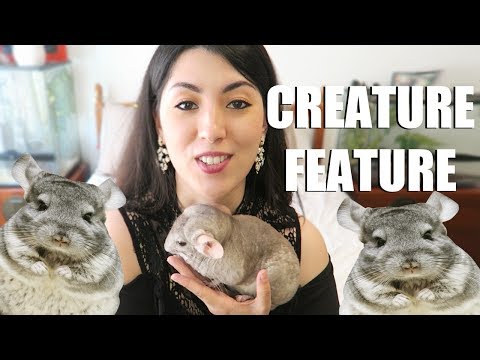
- From each hair follicle they can have up to I think it's about sixty hairs, so that's like you
From each hair follicle they can have up to I think it's about sixty hairs, so that's like you
- pulling out one hair and sixty kind of coming from the same one little dot on your head, the same hair follicle
pulling out one hair and sixty kind of coming from the same one little dot on your head, the same hair follicle
BBC 6 Minute English - Learn to talk about hair in 6 minutes
- What's a hair follicle?
What's a hair follicle?
- A hair follicle is the organ that produces a hair underneath the skin.
A hair follicle is the organ that produces a hair underneath the skin.
What Happens When You Quit Steroids?
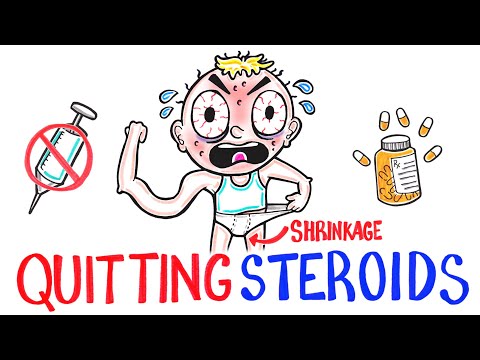
- Again since the steroids decrease natural GNRH production this by proxy decreases the follicle stimulating hormone and luteinizing hormone which help chemically message the testes to produce testosterone.
Again since the steroids decrease natural GNRH production this by proxy decreases the follicle stimulating hormone and luteinizing hormone which help chemically message the testes to produce testosterone.
- Again, since the steroids decrease natural GnRH production, this by proxy decreases the follicle-stimulating hormone and luteinizing hormone, which help chemically message the testes to produce testosterone.
Again, since the steroids decrease natural GnRH production, this by proxy decreases the follicle-stimulating hormone and luteinizing hormone, which help chemically message the testes to produce testosterone.
Animation E1, 4.1 Interaction of hormones in the menstrual cycle
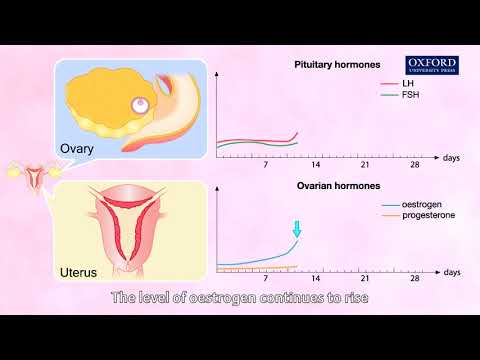
- Meanwhile, the pituitary gland starts to secrete more follicle stimulating hormone, FSH.
Meanwhile, the pituitary gland starts to secrete more follicle stimulating hormone, FSH.
- Meanwhile, the pituitary gland starts to secrete more follicle-stimulating hormone (FSH).
Meanwhile, the pituitary gland starts to secrete more follicle-stimulating hormone (FSH).
17 Crazy Hair Myths (incl. Can a MARCHING BAND cause HAIR LOSS?!) - mental_floss - List Show (244)
- According to dermatologists, what happens to one hair follicle really doesn’t affect
According to dermatologists, what happens to one hair follicle really doesn’t affect
- picking at one follicle too much, you can damage it to the point that it will no longer
picking at one follicle too much, you can damage it to the point that it will no longer
Why Do We Get Pimples? The Dr. Binocs Show | Best Learning Videos For Kids | Peekaboo Kidz
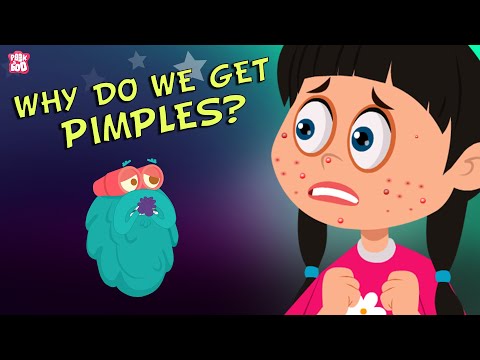
- Well, pimples occur due to the hair follicle in your skin that contains sebaceous glands, also known as oil glands.
Well, pimples occur due to the hair follicle in your skin that contains sebaceous glands, also known as oil glands.
- Well, pimples occur due to the hair follicle in your skin.. ..that contains sebaceous glands, also known as oil glands.
Well, pimples occur due to the hair follicle in your skin.. ..that contains sebaceous glands, also known as oil glands.
Problems Only Guys Who Can't Grow Beards Will Understand

- We don’t need to hide behind follicle lice!
We don’t need to hide behind follicle lice!
How Much Testosterone Do You Have?

- The pituitary gland at the base of the brain begins releasing luteinizing hormone, or LH, and follicle-stimulating hormone, FSH.
The pituitary gland at the base of the brain begins releasing luteinizing hormone, or LH, and follicle-stimulating hormone, FSH.
- follicle-stimulating hormone, FSH.
follicle-stimulating hormone, FSH.