
absolutely
US /ˈæbsəˌlutli, ˌæbsəˈlutli/
UK /ˈæbsəlu:tli/
- Adverb
- Completely; totally; very
- Considered independently and without relation to other things; viewed abstractly; as, quantity absolutely considered.
A2Moreadolescence
US /ˌædlˈɛsəns/
UK /ˌædəˈlesns/
- Noun
- Developmental period typically in the teen years
- The period of life from puberty to maturity.
B2Moreadopt
US /əˈdɑ:pt/
UK /əˈdɒpt/
- Transitive Verb
- To legally take a child into your family
- To take on responsibility for something
A2TOEICMoreadore
US /əˈdɔr, əˈdor/
UK /ə'dɔ:(r)/
- Transitive Verb
- To love very much; to give honor to
B2Moreaggressive
US /əˈɡrɛsɪv/
UK /əˈgresɪv/
- Adjective
- Using energy and determination to achieve a goal
- Behaving in a hostile and threatening way
B1Moreall along
US /ɔl əˈlɔŋ/
UK /ɔ:l əˈlɔŋ/
- Adverb
- From the beginning; all the time.
- Phrase
- In a line parallel to something long.
A2Morealternative
US /ɔlˈtɚnətɪv, æl-/
UK /ɔ:lˈtɜ:nətɪv/
- Countable Noun
- Something different you can choose
- Adjective
- A different choice
A2TOEICMoreappalling
US
UK
- Adjective
- Causing shock or distress because it is terrible
- Verb (Transitive/Intransitive)
- To feel shock or distress at something terrible
B2Moreawareness
US /əˈwɛrnɪs/
UK /əˈweənəs/
- Uncountable Noun
- Having knowledge of something
A2TOEICMoreblame
US /blem/
UK /bleɪm/
- Transitive Verb
- To say someone is responsible for something bad
- Noun (Countable/Uncountable)
- Act of saying someone did something bad
A2TOEICMoreboundary
US /ˈbaʊndəri, -dri/
UK /'baʊndrɪ/
- Noun
- A division or border to separate two areas
- In sports, a line or marker indicating the edge of the playing area.
B1Morebully
US /ˈbʊli/
UK /'bʊlɪ/
- Noun (Countable/Uncountable)
- a person who habitually seeks to harm or intimidate those whom they perceive as vulnerable
- A person who uses superior strength or influence to intimidate others.
- Verb (Transitive/Intransitive)
- seek to harm, intimidate, or coerce (someone perceived as vulnerable)
B2Morechew up
US
UK
- Phrasal Verb
- To damage or destroy something by chewing it repeatedly.
- To defeat someone easily and completely.
A1Moreclue
US /klu/
UK /klu:/
- Noun
- Information that helps explain something; hint
B1Morecompassion
US /kəmˈpæʃən/
UK /kəmˈpæʃn/
- Uncountable Noun
- Feeling of wanting to help suffering people
- Actions that demonstrate care and concern for others.
B2Morecrush
US /krʌʃ/
UK /krʌʃ/
- Noun
- Strong attraction to someone
- Transitive Verb
- To break something into small pieces by pressing
- To defeat someone or something (in a game)
B1TOEICMoredeal with
US /dil wɪð/
UK /di:l wið/
- Verb (Transitive/Intransitive)
- To buy or sell goods or services.
- Phrasal Verb
- To take action to solve a problem or manage a situation.
- To be about; concern.
A1Moredeliver
US /dɪˈlɪvɚ/
UK /dɪ'lɪvə(r)/
- Transitive Verb
- To give birth to a child; help a woman give birth
- To save someone from a problem or crisis
A2TOEICMoredeserve
US /dɪˈzɚv/
UK /dɪ'zɜ:v/
- Transitive Verb
- To be worthy of, e.g. getting praise or attention
A2TOEICMoredespair
US /dɪˈspɛr/
UK /dɪ'speə(r)/
- Intransitive Verb
- To have lost all hope; lose heart
- Uncountable Noun
- Felling of having lost all hope
B1TOEICMoredynamic
US /daiˈnæmik/
UK /daɪˈnæmɪk/
- Adjective
- Always active or energetic; getting things done
B1TOEICMoreenormous
US /ɪˈnɔrməs/
UK /iˈnɔ:məs/
- Adjective
- Huge; very big; very important
- Very great in size, amount, or degree.
A2Moreessential
US /ɪˈsɛnʃəl/
UK /ɪ'senʃl/
- Adjective
- Extremely or most important and necessary
- Fundamental; basic.
- Noun
- A concentrated hydrophobic liquid containing volatile aroma compounds from plants.
B1TOEICMorefaith
US /feθ/
UK /feɪθ/
- Uncountable Noun
- Belief in a god or gods; religion
- Belief that that something is true without proof
- Proper Noun
- Person's name
A2TOEICMoreflirt
US /flɚt/
UK /flɜ:t/
- Intransitive Verb
- To behave playfully to arouse romantic interest
- Noun
- A person who habitually trifles with the affections of others; a coquette.
B2Morego out
US /ɡo aʊt/
UK /ɡəu aut/
- Phrase
- To leave a building (e.g. a house)
- Phrasal Verb
- (Of a fire) to burn out; be extinguished
- Go out of fashion to stop being fashionable
A1Morehumiliating
US /hju:'mɪlɪeɪtɪŋ/
UK /hju:'mɪlɪeɪtɪŋ/
- Adjective
- Causing you to feel a loss of self-respect
- Transitive Verb
- To cause to lose pride, self-respect, or dignity
B2Morein fact
US /ɪn fækt/
UK /in fækt/
- Adverb
- Used to emphasize the truth of a statement, especially one that contrasts with or contradicts something else.
- Used to introduce a more detailed or surprising piece of information.
- Phrase
- Used to emphasize the truth of a statement, especially one that is surprising or contrary to what might be expected.
C1Morein Heaven's name
US /ɪn ˈhɛvənz neɪm/
UK /ɪn ˈhevənz neɪm/
- other
- Used to express surprise or anger.
B2Moreinsight
US /ˈɪnˌsaɪt/
UK /'ɪnsaɪt/
- Noun (Countable/Uncountable)
- Power to understand people and things very well
- Very good understanding of something
B1Moreintense
US /ɪnˈtɛns/
UK /ɪn'tens/
- Adjective
- Very strong, great or extreme in degree
- Experiencing or showing great force or strength; extreme.
A2TOEICMoreloathe
US /loð/
UK /ləʊð/
- Transitive Verb
- To dislike someone or something greatly; detest
B2Moreloyalty
US /ˈlɔɪəlti/
UK /ˈlɔɪəlti/
- Uncountable Noun
- Complete and sustained support for person, thing
- Allegiance or devotion to a person, cause, or country.
B2TOEICMoreneglect
US /nɪˈɡlɛkt/
UK /nɪ'ɡlekt/
- Uncountable Noun
- Act of failing to do something important, required
- State or condition of not receiving proper care
- Transitive Verb
- To not do something that is important or required
- To fail to take care of something; ignore
B1TOEICMoreodd
US /ɑd/
UK /ɒd/
- Adjective
- Being unmatched with someone or something
- Being a number not able to be divided by two
A2Moreon earth
US /ɑn ɚθ/
UK /ɔn ə:θ/
- Phrase
- Used to emphasize a question expressing surprise or anger.
- Used to emphasize that something is not possible or will not happen.
A1Morepattern
US /ˈpætən/
UK /'pætn/
- Noun (Countable/Uncountable)
- Model to follow in making or doing something
- Colors or shapes which are repeated on objects
- Transitive Verb
- To copy the way something else is made
- To decorate with a pattern.
A2TOEICMorepeculiar
US /pɪˈkjuljɚ/
UK /pɪ'kju:lɪə(r)/
- Adjective
- Not usual or normal; strange
B1TOEICMoreprecisely
US /prɪˈsaɪsli/
UK /prɪˈsaɪsli/
- Adverb
- In an exact and accurate manner
- (Emphasizes that a statement is totally correct)
B1TOEICMoreprevious
US /ˈpriviəs/
UK /ˈpri:viəs/
- Adjective
- Existing or happening before the present time
- Existing or occurring immediately before in time or order.
- Noun
- A button or link that allows navigation to a preceding item or page.
A2TOEICMoreproblematic
US /ˌprɑbləˈmætɪk/
UK /ˌprɒbləˈmætɪk/
- Adjective
- Being difficult to deal with or fix
- Of a doubtful or uncertain nature.
B2Morerage
US /reɪdʒ/
UK /reɪdʒ/
- Uncountable Noun
- Strong or violent anger
- Intransitive Verb
- To act or speak with strong or violent anger
- To move violently, like a storm
B1Morerecipient
US /rɪˈsɪpiənt/
UK /rɪ'sɪpɪənt/
- Noun
- Someone who gets or receives something
- Adjective
- Receiving or capable of receiving.
B2TOEICMorerepeatedly
US /rɪ'pi:tɪdlɪ/
UK /rɪ'pi:tɪdlɪ/
- Adverb
- (Said, done) many times; over and over
B2Moreresearch
US /rɪˈsɚtʃ, ˈriˌsɚtʃ/
UK /rɪ'sɜ:tʃ/
- Verb (Transitive/Intransitive)
- To study in order to discover new ideas and facts
- To study the market relating to marketing products and services.
- Noun (Countable/Uncountable)
- Study done to discover new ideas and facts
- A particular area or topic of study.
A2TOEICMoreresentment
US /rɪˈzɛntmənt/
UK /rɪˈzentmənt/
- Uncountable Noun
- Feeling of anger because of unfair treatment
B1Moreruin
US /ˈruɪn/
UK /'ru:ɪn/
- Transitive Verb
- To damage or completely destroy something
- To cause someone to lose their money or status
- Noun (Countable/Uncountable)
- Remains of a building that has been destroyed
- The state of being destroyed or severely damaged.
B1Morescroll
US /skroʊl/
UK /skrəʊl/
- Intransitive Verb
- To move up and down a computer screen
- Verb (Transitive/Intransitive)
- To move up, down, or across a computer screen
B2Moretenderness
US /ˈtɛndɚnɪs/
UK /'tendənɪs/
- Uncountable Noun
- Pain that is felt (as when the area is touched)
B2Moreto do with
US
UK
- Phrasal Verb
- To be about something; concern
A1Moretorment
US /ˈtɔ:rment/
UK /ˈtɔ:ment/
- Noun
- Great mental or physical pain
- Transitive Verb
- To cause great physical or mental pain to
B2TOEICMoretrigger
US /ˈtrɪɡɚ/
UK /'trɪɡə(r)/
- Noun
- Lever on a gun that you pull to fire
- Device that starts a process
- Transitive Verb
- To start a process off e.g. a memory
- To cause something to begin or happen.
B1Moreunique
US /juˈnik/
UK /jʊ'ni:k/
- Adjective
- Unlike other things; being the only one like it
- Remarkably special or unusual.
A2TOEICMore
Vocabulary
- go out: To leave a building (e.g. a house)
- in fact: Used to emphasize the truth of a statement, especially one that contrasts with or contradicts something else.
- on earth: Used to emphasize a question expressing surprise or anger.
- in Heaven's name: Used to express surprise or anger.
- chew up: To damage or destroy something by chewing it repeatedly.
- all along: From the beginning; all the time.
- deal with
- to do with: To be about something; concern
- intense: Very strong, great or extreme in degree
- absolutely: Completely; totally; very
- essential: Extremely or most important and necessary
- enormous: Huge; very big; very important
- trigger: Lever on a gun that you pull to fire
- alternative: Something different you can choose
- deserve: To be worthy of, e.g. getting praise or attention
- pattern: Model to follow in making or doing something
- aggressive: Using energy and determination to achieve a goal
- ruin: To damage or completely destroy something
- compassion: Feeling of wanting to help suffering people
- treat: To pay for the food or enjoyment of someone else
- dynamic: Always active or energetic; getting things done
- unique: Unlike other things; being the only one like it
- previous: Existing or happening before the present time
- research: To study in order to discover new ideas and facts
- crush: Strong attraction to someone
- blame: To say someone is responsible for something bad
- resentment: Feeling of anger because of unfair treatment
- awareness: Having knowledge of something
- despair: To have lost all hope; lose heart
- odd: Being unmatched with someone or something
- precisely: In an exact and accurate manner
- clue: Information that helps explain something; hint
- insight: Power to understand people and things very well
- rage: Strong or violent anger
- deal: To cope with something - usually troubles
- faith: Belief in a god or gods; religion
- peculiar: Not usual or normal; strange
- behavior: The way a person or thing acts; manner
- neglect: Act of failing to do something important, required
- adopt: To legally take a child into your family
- deliver: To give birth to a child; help a woman give birth
- create: To make, cause, or bring into existence
- boundary: A division or border to separate two areas
- loyalty: Complete and sustained support for person, thing
- recipient: Someone who gets or receives something
- accept: To agree to receive or take something offered
- adolescence: Developmental period typically in the teen years
- appalling: Causing shock or distress because it is terrible
- flirt: To behave playfully to arouse romantic interest
- scroll: To move up and down a computer screen
- bully: a person who habitually seeks to harm or intimidate those whom they perceive as vulnerable
- humiliating: Causing you to feel a loss of self-respect
- pain: Strong feeling of hurt or discomfort
- promise: To say you will certainly do something
- problematic: Being difficult to deal with or fix
- tenderness: Pain that is felt (as when the area is touched)
- act: To behave in a certain way
- steal: A bargain; something bought very cheaply
- wrong: Action that is harmful, unjust or illegal
- person: Man, woman or child
- possibly: May be true or likely, but is uncertain
- loathe: To dislike someone or something greatly; detest
- adore: To love very much; to give honor to
- torment: Great mental or physical pain
- repeatedly: (Said, done) many times; over and over
- hurt: To cause pain, damage or injury
- earth: Wire connecting an electrical device to the ground
- care: To feel interest, concern, or worry
Get the full experience in the app
Learn anywhere with detailed sentence and usage analysis
01:03
She took a brave step forward, leaving behind her comfort zone to chase her dreams.
Vocabulary
- brave
adj. Having courage
- comfort zone
phr. A familiar situation where one feels safe
Explanation
a brave step is a noun phrase, where brave is an adjective modifying the noun step, meaning "a courageous step".
forward is an adverb modifying step, meaning "ahead".
The whole phrase serves as the object, answering the "what" of took (verb) — she took a brave step forward.
Get the full experience in the app
Look up words anytime with pronunciation, part of speech, and usage
brave
US/brev/
UK/breɪv/
adj.Brave
v.t.To bravely face
A2 Elementary
Get the full experience in the app
Practice speaking anytime and get instant pronunciation feedback
Try this speaking exercise.
Try practicing with this sentence.
80
0
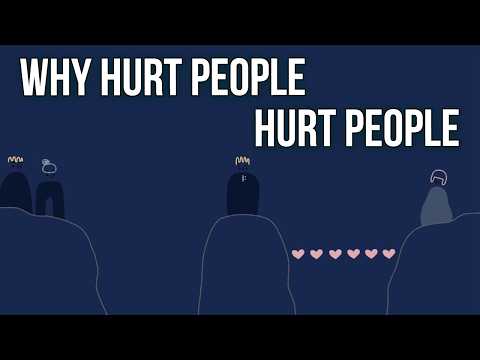
VoiceTube posted on 2025/06/28Ever wonder why sometimes the kindest people get hurt the most in relationships? This video dives deep into attachment trauma and how past hurts can sadly lead people to push away love, using complex sentences and advanced vocabulary that will really boost your understanding. You'll gain fascinating insights into relationship dynamics and pick up some powerful new words along the way!
Learn this video on the APP!
The VoiceTube App has more in-depth practice for videos!