boundary
US /ˈbaʊndəri, -dri/
・UK /'baʊndrɪ/
B1
n.NounA division or border to separate two areas
The train route follows the boundary of the city
n.NounIn sports, a line or marker indicating the edge of the playing area.
The ball went over the boundary for a six.
n.NounThe limit of what is known or thought possible.
The research pushes the boundaries of scientific knowledge.
Video subtitles
The Invisible Barrier Keeping Two Worlds Apart
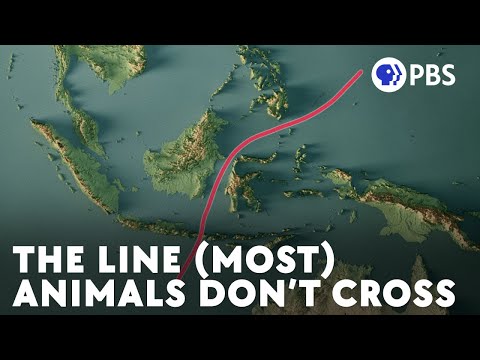
- This is what scientists call a biogeographic boundary, the meeting point of two regions of biodiversity that are highly distinct.
This is what scientists call a biogeographic boundary, the meeting point of two regions of biodiversity that are highly distinct.
- This is what scientists call a biogeographic boundary, the meeting point of two regions of biodiversity that are highly distinct.
This is what scientists call a biogeographic boundary, the meeting point of two regions of biodiversity that are highly distinct.
My Arctic Voyage From GREENLAND To ALASKA | The Northwest Passage

- ("Ready To Fall" by Boundary Run)
("Ready To Fall" by Boundary Run)
- ("Ready To Fall" by Boundary Run continues)
("Ready To Fall" by Boundary Run continues)
Bill Gates meets Aamir Khan

- number of meetings and people are finding their way. That boundary of how you connect
number of meetings and people are finding their way. That boundary of how you connect
The Cascadia Fault Is Ready To Rupture: A MEGA Earthquake Is Coming!
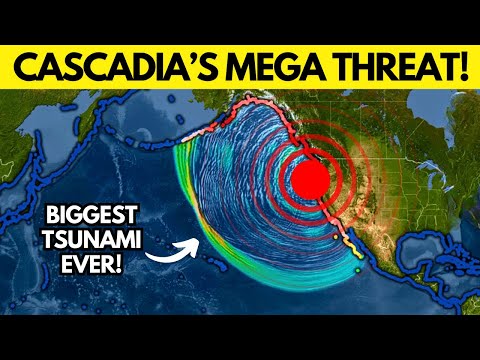
- This subduction zone marks the boundary where the Juan de Fuca Plate is being subducted beneath the North American Plate.
This subduction zone marks the boundary where the Juan de Fuca Plate is being subducted beneath the North American Plate.
- This subduction zone marks the boundary where the Juan de Fuca Plate is being subducted beneath the North American Plate.
This subduction zone marks the boundary where the Juan de Fuca Plate is being subducted beneath the North American Plate.
Why Taiwan's East Coast Is Basically Empty
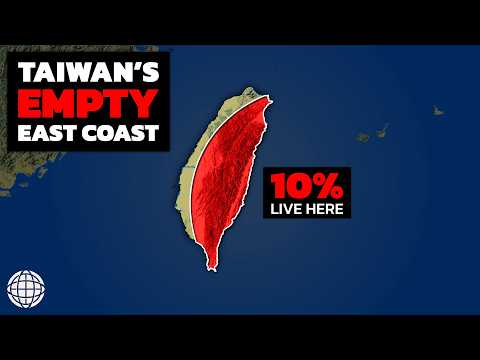
- Flatland is scarce roads and railways must navigate rugged terrain and much of the area remains covered in dense Vegetation or protected national parks such as Kenting and Taroko But while Taiwan is very mountainous overall the western part consists of broad plains and rolling hills that provide ample space for cities infrastructure and perhaps most importantly Agriculture and more to that point the relatively flat land in the West allows for efficient transportation networks the construction of industrial hubs and the expansion of urban centers such as Taipei Taichung and Kaohsiung for example in 1999 Taiwan began construction of its first and only High-speed rail line linking the country's capital at Taipei with its large southern city, Kaohsiung Taiwan's high-speed rail which can travel up to 300 kilometers per hour can only really be built in flatter areas as Such nearly all of Taiwan's west coast is connected to its high-speed rail network Its east coast though It would be very challenging to make it work there due to the mountainous topography This kind of infrastructure keeps the country's population and industry focused on Taiwan's west coast, but it's not all about Infrastructure Taiwan is very prone to natural disasters But while it's a small island not all of Taiwan suffers these disasters in the same way frequent earthquakes and typhoons disproportionately impact the central and eastern regions You see the island sits at the boundary between the Philippine sea plate and the Eurasian plate making it highly seismically active In fact most of Taiwan's east coast between the cities of Taitung and Hualien Sits on the Chishang Fault a very active fault line that creates a large earthquake every few years in 2024 a magnitude 7.4 earthquake ripped through Hualien causing extensive damage and loss of life for the city and region While Taiwan's western cities can feel these same earthquakes They're rarely subjected to the full force in the same way as the country's east coast But also Taiwan's east coast routinely suffers from another devastating natural disaster large and powerful typhoons that form over the Pacific Ocean in 2024 alone Taiwan was hit by three powerful typhoons Typhoon Kong Ray the largest typhoon to hit Taiwan since 1996 sustained winds of up to 185 kilometers per hour this storm slammed into the country's east coast causing Extensive damage during a period of time when Taiwan was still trying to rebuild after its recent earthquake And while the whole country was under a typhoon warning It's the country's east coast that took the brunt of it suffice it to say natural disasters Don't make living in eastern Taiwan easy, but there are other economic factors at play as well One of the biggest factors is Taiwan's economic relationship with mainland China the west coast facing the Taiwan Strait is Strategically positioned to facilitate trade and transportation links with China Which remains Taiwan's largest trading partner with more than 40% of Taiwan's goods exported to its cousin country Major ports such as Kaohsiung Taichung and Keelung handle the vast majority of Taiwan's international trade Serving as gateways for goods moving between Taiwan and the global market this proximity has influenced Taiwan's economic development With industries clustering in areas that provide easy access to shipping routes and international markets the eastern coast in Contrast faces the wide open Pacific Ocean making trade and transportation routes less convenient This proximity to the mainland is reflected throughout history early Chinese settlers who arrived in increasing numbers during the Ming and Qing Dynasties primarily landed on the western side of the island the West's flatter terrain and fertile plains allowed for agriculture While the indigenous populations in the central and eastern mountains resisted large-scale settlement Even during the Japanese colonial era when major infrastructure projects such as railways and roads were developed the emphasis remained on the west coast due to its economic potential and Accessibility while the Taiwanese government has made efforts to develop the east including improved transportation networks such as the Sihua highway And the Eastern Line Railway the region remains far less populated than the West Hualien and Taitung the largest cities in eastern Taiwan are small compared to their western counterparts and function more as regional centers than major urban hubs Today Taiwan's west coast is home to about 90% of all of Taiwan's population Or a little more than 21 million people this would be led by New Taipei with 4 million people Kaohsiung with 2.8 million Taichung and Taipei with 2.7 million Taiwan with 2.1 million and Tainan with 1.8 million people by contrast Central and eastern Taiwan is home to just 2.5 million people smaller than most of Taiwan's west coast cities This region would be led by Hualien and Taitung with just 106,000 people each Guys, I'm literally walking through Hualien as I record this and let me tell you The eastern side of Taiwan is Incredibly beautiful, which is to say if you ever do visit Taiwan Don't skip out on coming to the east coast because the geography here is stunning But if you don't plan on visiting Taiwan anytime soon, and you do want to experience it Be sure to check out the two videos I have on Taiwan over on my travel channel Alex and I first go down the west coast and then back up the east coast and it's a lot of fun I hope you enjoyed learning all about Taiwan If you did, please like the video and subscribe to the channel if you want to watch more videos consider this one on Columbia's empty West Coast and Be sure to check out my adventures in Taiwan right here.
Flatland is scarce roads and railways must navigate rugged terrain and much of the area remains covered in dense Vegetation or protected national parks such as Kenting and Taroko But while Taiwan is very mountainous overall the western part consists of broad plains and rolling hills that provide ample space for cities infrastructure and perhaps most importantly Agriculture and more to that point the relatively flat land in the West allows for efficient transportation networks the construction of industrial hubs and the expansion of urban centers such as Taipei Taichung and Kaohsiung for example in 1999 Taiwan began construction of its first and only High-speed rail line linking the country's capital at Taipei with its large southern city, Kaohsiung Taiwan's high-speed rail which can travel up to 300 kilometers per hour can only really be built in flatter areas as Such nearly all of Taiwan's west coast is connected to its high-speed rail network Its east coast though It would be very challenging to make it work there due to the mountainous topography This kind of infrastructure keeps the country's population and industry focused on Taiwan's west coast, but it's not all about Infrastructure Taiwan is very prone to natural disasters But while it's a small island not all of Taiwan suffers these disasters in the same way frequent earthquakes and typhoons disproportionately impact the central and eastern regions You see the island sits at the boundary between the Philippine sea plate and the Eurasian plate making it highly seismically active In fact most of Taiwan's east coast between the cities of Taitung and Hualien Sits on the Chishang Fault a very active fault line that creates a large earthquake every few years in 2024 a magnitude 7.4 earthquake ripped through Hualien causing extensive damage and loss of life for the city and region While Taiwan's western cities can feel these same earthquakes They're rarely subjected to the full force in the same way as the country's east coast But also Taiwan's east coast routinely suffers from another devastating natural disaster large and powerful typhoons that form over the Pacific Ocean in 2024 alone Taiwan was hit by three powerful typhoons Typhoon Kong Ray the largest typhoon to hit Taiwan since 1996 sustained winds of up to 185 kilometers per hour this storm slammed into the country's east coast causing Extensive damage during a period of time when Taiwan was still trying to rebuild after its recent earthquake And while the whole country was under a typhoon warning It's the country's east coast that took the brunt of it suffice it to say natural disasters Don't make living in eastern Taiwan easy, but there are other economic factors at play as well One of the biggest factors is Taiwan's economic relationship with mainland China the west coast facing the Taiwan Strait is Strategically positioned to facilitate trade and transportation links with China Which remains Taiwan's largest trading partner with more than 40% of Taiwan's goods exported to its cousin country Major ports such as Kaohsiung Taichung and Keelung handle the vast majority of Taiwan's international trade Serving as gateways for goods moving between Taiwan and the global market this proximity has influenced Taiwan's economic development With industries clustering in areas that provide easy access to shipping routes and international markets the eastern coast in Contrast faces the wide open Pacific Ocean making trade and transportation routes less convenient This proximity to the mainland is reflected throughout history early Chinese settlers who arrived in increasing numbers during the Ming and Qing Dynasties primarily landed on the western side of the island the West's flatter terrain and fertile plains allowed for agriculture While the indigenous populations in the central and eastern mountains resisted large-scale settlement Even during the Japanese colonial era when major infrastructure projects such as railways and roads were developed the emphasis remained on the west coast due to its economic potential and Accessibility while the Taiwanese government has made efforts to develop the east including improved transportation networks such as the Sihua highway And the Eastern Line Railway the region remains far less populated than the West Hualien and Taitung the largest cities in eastern Taiwan are small compared to their western counterparts and function more as regional centers than major urban hubs Today Taiwan's west coast is home to about 90% of all of Taiwan's population Or a little more than 21 million people this would be led by New Taipei with 4 million people Kaohsiung with 2.8 million Taichung and Taipei with 2.7 million Taiwan with 2.1 million and Tainan with 1.8 million people by contrast Central and eastern Taiwan is home to just 2.5 million people smaller than most of Taiwan's west coast cities This region would be led by Hualien and Taitung with just 106,000 people each Guys, I'm literally walking through Hualien as I record this and let me tell you The eastern side of Taiwan is Incredibly beautiful, which is to say if you ever do visit Taiwan Don't skip out on coming to the east coast because the geography here is stunning But if you don't plan on visiting Taiwan anytime soon, and you do want to experience it Be sure to check out the two videos I have on Taiwan over on my travel channel Alex and I first go down the west coast and then back up the east coast and it's a lot of fun I hope you enjoyed learning all about Taiwan If you did, please like the video and subscribe to the channel if you want to watch more videos consider this one on Columbia's empty West Coast and Be sure to check out my adventures in Taiwan right here.
- You see, the island sits at the boundary between the Philippine Sea Plate and the Eurasian Plate, making it highly seismically active.
You see, the island sits at the boundary between the Philippine Sea Plate and the Eurasian Plate, making it highly seismically active.
A Spring Heat Wave | March 27, 2025

- The picturesque island sits near the boundary of the African and Eurasian tectonic plates.
The picturesque island sits near the boundary of the African and Eurasian tectonic plates.
- The picturesque island sits near the boundary of the African and Eurasian tectonic plates.
The picturesque island sits near the boundary of the African and Eurasian tectonic plates.
NEVER TOO SMALL: Japanese Inspired Sydney Terrace House, 47sqm/506sqft

- The stair was moved to the edge of the house, and so it sleeves in along one boundary, and beneath it we managed to tuck in the laundry and some bulk storage.
The stair was moved to the edge of the house, and so it sleeves in along one boundary, and beneath it we managed to tuck in the laundry and some bulk storage.
- and so it sleeves in a long run boundary.
and so it sleeves in a long run boundary.
Quiz: What is your Love Style? (Self test)

- When someone sets a boundary with you, how do you react?
When someone sets a boundary with you, how do you react?
- When someone sets a boundary with you, how do you react?
When someone sets a boundary with you, how do you react?
Top 10 Most Disturbing Cult Classics You've Never Seen

- 1989 proved that this maestro had lost none of his boundary-pushing power, however, as evidenced by the film's visual aesthetic.
1989 proved that this maestro had lost none of his boundary-pushing power, however, as evidenced by the film's visual aesthetic.
- "Santa Sangre" was released years after Jodorowsky first made headlines with his midnight movie cult hits, "El Topo" and "The Holy Mountain." 1989 proved that this maestro had lost none of his boundary-pushing power, however, as evidenced by the film's visual aesthetic.
"Santa Sangre" was released years after Jodorowsky first made headlines with his midnight movie cult hits, "El Topo" and "The Holy Mountain." 1989 proved that this maestro had lost none of his boundary-pushing power, however, as evidenced by the film's visual aesthetic.
Top 10 Theories About The Fantastic Four: First Steps

- An incursion occurs when the boundary between two universes erodes and they collide, destroying one or both entirely.
An incursion occurs when the boundary between two universes erodes and they collide, destroying one or both entirely.
- An incursion occurs when the boundary between two universes erodes and they collide, destroying one or both entirely.
An incursion occurs when the boundary between two universes erodes and they collide, destroying one or both entirely.