compassion
US /kəmˈpæʃən/
・UK /kəmˈpæʃn/
B2
n. (u.)Uncountable NounFeeling of wanting to help suffering people
Mother Teresa has become a role model for compassion and caring in a sorrowing world
n. (u.)Uncountable NounActions that demonstrate care and concern for others.
Showing compassion can make a big difference in someone's life.
Video subtitles
Bereavement: How to Transform Grief & Depression Through Spiritual Healing
- If I'm withholding love, if I'm not with rising to the occasion, if I'm not practicing mercy, compassion, and
If I'm withholding love, if I'm not with rising to the occasion, if I'm not practicing mercy, compassion, and
- compassion, and forgiveness, I can't be
happy.
compassion, and forgiveness, I can't be happy.
When You Catch Your Boyfriend (ft. Nick Jonas)

- In some crazy turn of events we're gonna go all you know what I actually feel bad for her I feel compassion now
In some crazy turn of events we're gonna go all you know what I actually feel bad for her I feel compassion now
- I feel compassion.
I feel compassion.
The King's Christmas Broadcast 2022 ??? - BBC

- It is a belief in the extraordinary ability of each person to touch with goodness and compassion the lives of others and to shine a light in the world around them.
It is a belief in the extraordinary ability of each person to touch with goodness and compassion the lives of others and to shine a light in the world around them.
- It is a belief in the extraordinary ability of each person to touch with goodness and compassion the lives of others and to shine a light in the world around them.
It is a belief in the extraordinary ability of each person to touch with goodness and compassion the lives of others and to shine a light in the world around them.
Buy Now, Pay Later Apps vs. Credit Cards: The Pros and Cons | WSJ

- We do have to say no and tell our consumers with love and compassion, "You're overextending yourself. Please don't buy this."
We do have to say no and tell our consumers with love and compassion, "You're overextending yourself. Please don't buy this."
- and tell our consumers with love and compassion
and tell our consumers with love and compassion
Why going to the cinema is good for you | BBC Ideas

- When we cry during films, our brains release oxytocin, a hormone associated with feelings of empathy and compassion.
When we cry during films, our brains release oxytocin, a hormone associated with feelings of empathy and compassion.
10 Things You Should Eliminate From Your Life
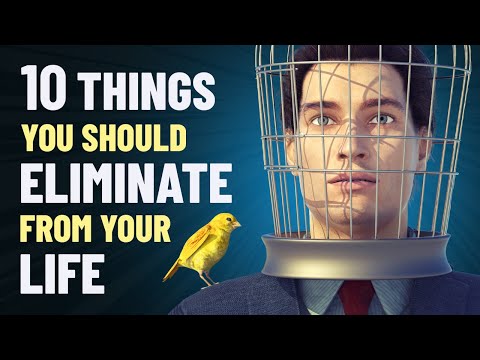
- Challenge self-criticism by treating yourself with the same compassion, kindness, and encouragement you would offer a friend.
Challenge self-criticism by treating yourself with the same compassion, kindness, and encouragement you would offer a friend.
Are you disappointed in yourself? |? Podcast and Chill | Beginner
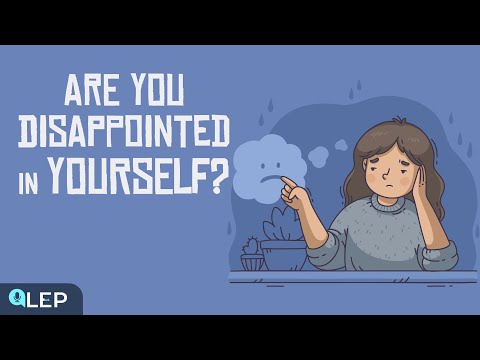
- This is called self-compassion.
This is called self-compassion.
- Kristen Neff, who researches self-compassion, explains that we need to be gentle with ourselves, especially in tough moments.
Kristen Neff, who researches self-compassion, explains that we need to be gentle with ourselves, especially in tough moments.
The SOCIAL CLASS System... EXPLAINED | Easy English 191

- Way too many upper class candidates become, you know, represent a country that they don't really understand and maybe don't feel the compassion to understand or the wish to understand.
Way too many upper class candidates become, you know, represent a country that they don't really understand and maybe don't feel the compassion to understand or the wish to understand.
- Way too many upper class candidates represent a country they don't really understand and maybe don't feel the compassion to understand or they wish to understand.
Way too many upper class candidates represent a country they don't really understand and maybe don't feel the compassion to understand or they wish to understand.
6 Signs of TOXIC Shame, NOT Healthy Shame
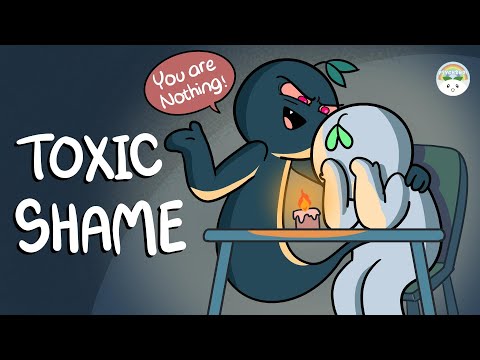
- Listen, self-compassion isn't always something we're taught or encouraged to practice.
Listen, self-compassion isn't always something we're taught or encouraged to practice.
- I should have known better." Listen, self-compassion isn't always something we're taught or encouraged to practice.
I should have known better." Listen, self-compassion isn't always something we're taught or encouraged to practice.
The Lengths We Go To Avoid Love
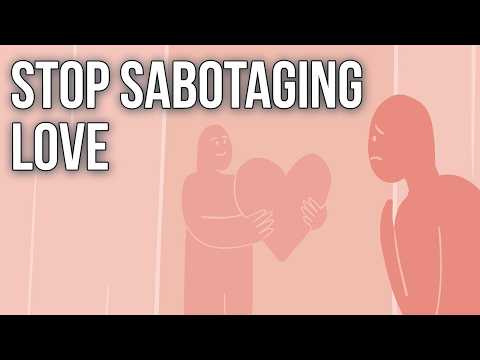
- If we find ourselves in a relationship, we will assiduously practice the arts of what psychologists call distance management. When the chance of reaching a truly happy state appears, we'll subtly discover ways to introduce a chasm. We'll have an argument, spoil a birthday, ruin a holiday. We'll find we have to do a lot of work for an upcoming exam or presentation, that our gang of friends needs us to be somewhere else, that we forgot to return the credit card or tax bill, that our appearance requires a lot of our attention or that we like to flirt with a stranger at a party who suddenly seems very attractive indeed. In both tiny and large ways, we'll know just how to lower the mood, scupper a bond and destroy trust. Perhaps not enough to end a relationship completely, but certainly enough to worry our partner sufficiently as to our solidity that we can be privately sure things will never truly fly. Friends may commiserate with us on our so-called bad luck. Psychologists will note our superlative skill at romantic sabotage. With this to sound a bit like us, compassion is required. We should reflect back on our pasts and wonder at the connection between our fractured bonds with parental figures and our disrupted adult attachments. We aren't like this because we're wicked, we've just been very badly hurt. Once we understand how our skill at independence was acquired, we'll be in a better position to see that it has in reality outlived its rationale. We may still feel immensely apprehensive at the prospect of contentment, but we may finally be able to admit that we are, first and foremost, acting out of fear. Rather than dismissing our partners, we may stick closer to a much more awkward truth – that we're tempted to draw away from them because we're immensely scared that they might finally be in a position to make us very happy – and that simply nothing so unutterably and boundlessly frightening has ever happened to us before.
If we find ourselves in a relationship, we will assiduously practice the arts of what psychologists call distance management. When the chance of reaching a truly happy state appears, we'll subtly discover ways to introduce a chasm. We'll have an argument, spoil a birthday, ruin a holiday. We'll find we have to do a lot of work for an upcoming exam or presentation, that our gang of friends needs us to be somewhere else, that we forgot to return the credit card or tax bill, that our appearance requires a lot of our attention or that we like to flirt with a stranger at a party who suddenly seems very attractive indeed. In both tiny and large ways, we'll know just how to lower the mood, scupper a bond and destroy trust. Perhaps not enough to end a relationship completely, but certainly enough to worry our partner sufficiently as to our solidity that we can be privately sure things will never truly fly. Friends may commiserate with us on our so-called bad luck. Psychologists will note our superlative skill at romantic sabotage. With this to sound a bit like us, compassion is required. We should reflect back on our pasts and wonder at the connection between our fractured bonds with parental figures and our disrupted adult attachments. We aren't like this because we're wicked, we've just been very badly hurt. Once we understand how our skill at independence was acquired, we'll be in a better position to see that it has in reality outlived its rationale. We may still feel immensely apprehensive at the prospect of contentment, but we may finally be able to admit that we are, first and foremost, acting out of fear. Rather than dismissing our partners, we may stick closer to a much more awkward truth – that we're tempted to draw away from them because we're immensely scared that they might finally be in a position to make us very happy – and that simply nothing so unutterably and boundlessly frightening has ever happened to us before.
- With this to sound a bit like us, compassion is required.
With this to sound a bit like us, compassion is required.